

Jungle trekking offers a unique window into the heart of our planet’s most vibrant ecosystems. The thick canopy, the calls of hidden wildlife, and the fresh, earthy air draw people seeking adventure and connection with nature. But this experience comes with responsibility. Every step into the jungle can have a lasting impact—sometimes unseen, but always real. The need for clear environmental rules while trekking is more urgent than ever, as fragile habitats face increasing pressure from tourism, pollution, and climate change. This guide explores the essential environmental rules for jungle trekking, why they matter, and how you can be part of the solution.
Why Environmental Rules Matter In Jungle Trekking
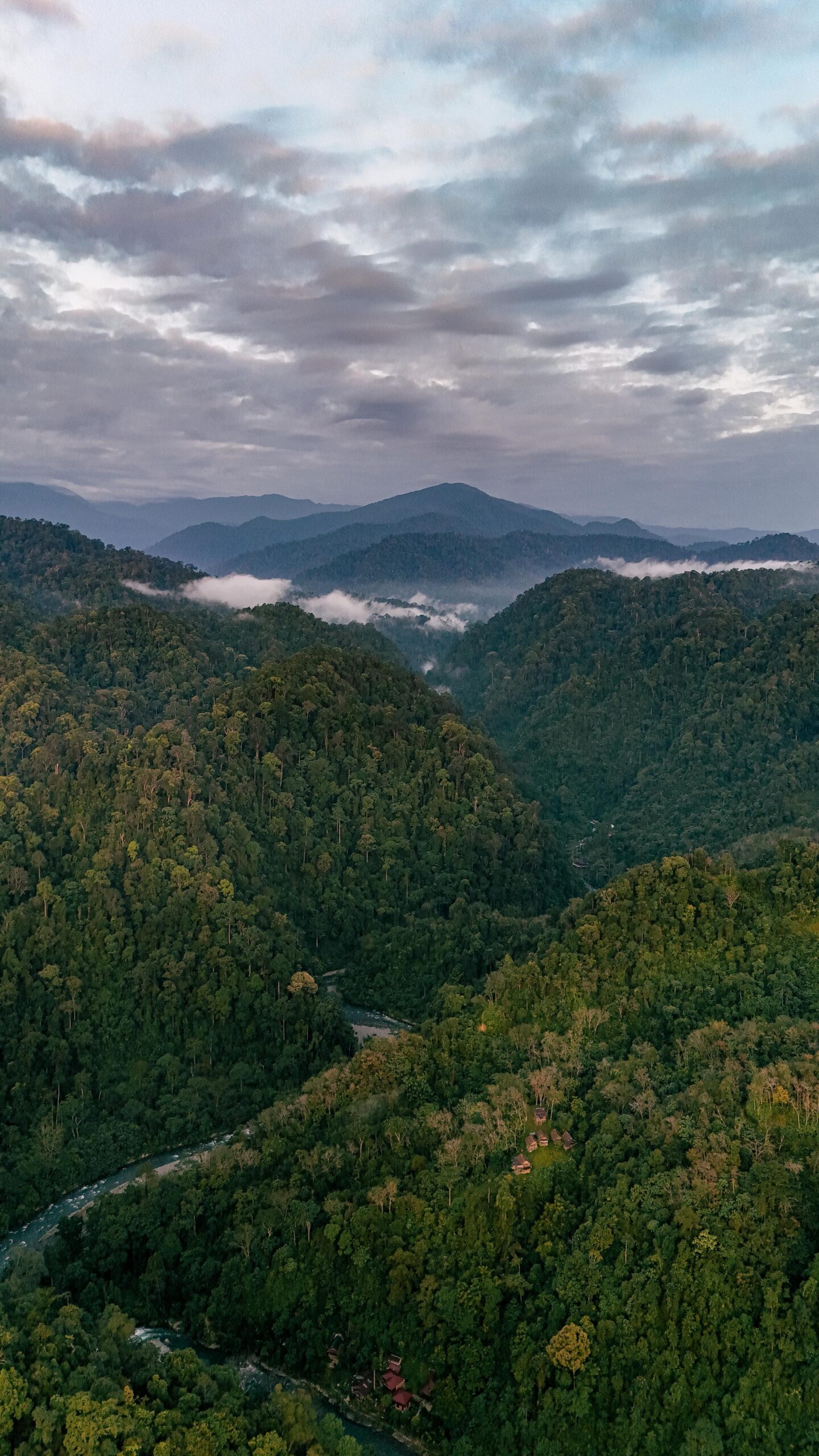
Jungles are among the most biodiverse places on Earth. They support countless species, regulate climate, and provide resources for millions of people. Yet, jungles are also vulnerable. Off-trail walking, careless waste, and even the spread of disease can threaten these ecosystems. Environmental rules are not just about following laws—they’re about respecting the complex web of life that makes jungles so special.

36% off Today’s Exclusive Deals
Limited-time Exclusive Deals. Check current discount on Amazon.
Check Price on Amazon As an Amazon Associate I earn from qualifying purchases.When trekkers ignore these guidelines, they may introduce invasive species, disturb animals, or damage rare plants. In some regions, illegal trekking has led to the near extinction of certain birds and mammals. By following environmental rules, you help protect these wild places for future generations.
Core Environmental Rules For Jungle Trekking
1. Stick To Marked Trails
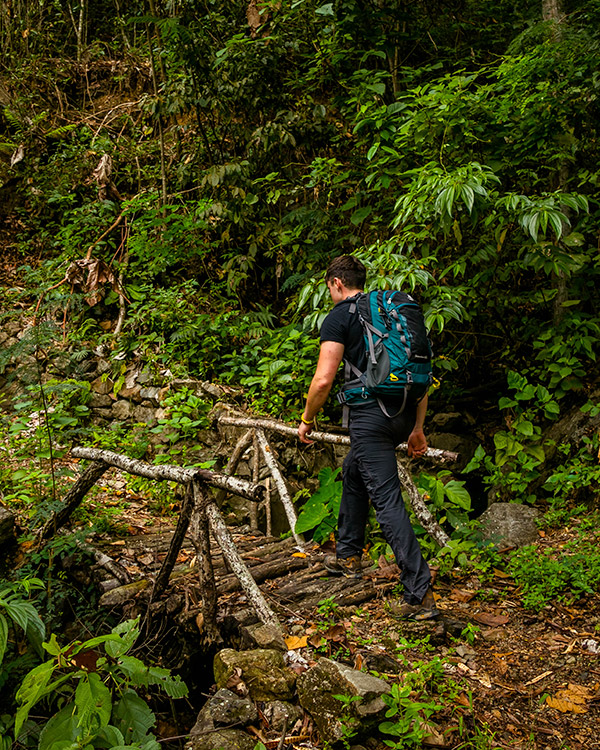
Staying on designated paths is one of the simplest yet most powerful rules. Trails are planned to minimize damage to plants and soil. When trekkers wander off, they may crush seedlings, erode soil, or create new paths that fragment wildlife habitats. Over time, this can change the way water flows or lead to landslides. In sensitive jungles, even a few footsteps off-trail can cause lasting harm.
2. Carry Out All Waste
All trash—including food wrappers, plastic bottles, and used tissues—should leave the jungle with you. Litter not only spoils the beauty but also harms animals that may eat it or get trapped. Even “natural” waste like orange peels can take months to decompose and may attract animals, disrupting their natural diet.
Some trekkers overlook micro-trash—small items like bottle caps, cigarette butts, or bits of string. These add up quickly, especially in popular trekking spots. Plan ahead: bring a small bag for all your waste and check your rest area before leaving.
3. Do Not Pick Plants Or Disturb Wildlife
Many jungle plants are rare or even endangered. Picking a flower, breaking a branch, or collecting seeds can reduce the chances for those species to survive. Disturbing wildlife—by making loud noises, feeding animals, or trying to touch them—can stress animals or even make them sick.
It’s tempting to get a closer look or the perfect photo, but staying quiet and giving space is better for both you and the animals. Wild creatures may be nesting, feeding, or hiding from predators. Respecting their space helps keep the jungle healthy.
4. Limit Group Size
Large groups can be noisy and more likely to cause accidental damage. Many parks set a maximum group size, often around 10 to 15 people. Smaller groups make less impact, observe more wildlife, and are easier to manage. If you’re organizing a trip, check the park’s rules and try to limit your group accordingly.
5. Use Biodegradable Products
Soaps, shampoos, and insect repellents often contain chemicals that can pollute water and harm aquatic life. Use biodegradable products whenever possible and never wash directly in streams or rivers. Even “green” soaps can upset the balance in sensitive jungle waters.
6. Avoid Making Fires
Campfires are a major risk in dry or windy conditions and can scar the ground for years. Use a portable stove for cooking. In most jungles, fires are banned or allowed only in special areas. If a fire is absolutely necessary, use existing fire pits, keep it small, and put it out fully with water—not just dirt—before leaving.
7. Follow Local Regulations And Permits
Many jungles are protected areas with special rules. Always check if you need a permit, which may limit where you go, how long you stay, or what you can bring. Rangers and local guides can explain the reasons behind these rules—often based on years of scientific research and local experience.
8. Do Not Remove Cultural Or Historical Items
Some jungle trails pass by ancient ruins, carvings, or sacred sites. These are protected by law and by respect for local cultures. Never take stones, pottery, or other objects. Even touching old structures can damage them.
9. Respect Local Communities
Many jungles are home to indigenous peoples or local villages. Their knowledge and traditions are key to preserving these landscapes. Always ask before taking photos, and follow advice about areas that may be off-limits or sacred. Buying crafts or using local guides can support community efforts to protect the jungle.
10. Minimize Noise
Loud talking, music, or shouting can frighten wildlife and spoil the experience for others. The jungle is full of natural sounds—bird calls, insect songs, the rush of water. By listening and moving quietly, you blend into the environment and see more animals.
Comparison: Common Trekking Habits Vs. Environmental Rules
Many trekkers don’t realize the difference their habits make. The table below contrasts typical behaviors with best practices:
| Common Habit | Environmental Rule | Impact |
|---|---|---|
| Leaving food scraps | Carry out all waste | Prevents animal dependency and pollution |
| Using regular soap in streams | Use biodegradable products away from water | Protects aquatic life |
| Making new shortcuts | Stick to marked trails | Reduces erosion and habitat loss |
| Playing loud music | Minimize noise | Respects wildlife and other trekkers |
Practical Steps Before And During Jungle Trekking
Preparation
Before you leave, research the area’s rules, weather, and risks. Pack light, choose eco-friendly gear, and plan meals to avoid excess packaging. If you’re new to jungle trekking, consider joining a guided group with a strong environmental ethic.
Bring enough water and snacks, but avoid single-use plastics. Refillable bottles and reusable containers are much better choices. Some parks may require you to bring extra bags for waste or ask you to record what you bring in and out.
During The Trek
Follow the Leave No Trace principles:
- Take only memories, leave only footprints.
- Avoid touching or feeding wildlife.
- Use toilets where provided, or bury waste at least 6 inches deep and 200 feet from water sources.
- Report any illegal activity—like poaching or tree cutting—to park staff.
A non-obvious tip: Wet shoes or gear can carry seeds or tiny animals from one place to another. Always clean your shoes and clothes before and after the trek to avoid spreading invasive species.
Understanding The Impact Of Your Actions
Some effects of jungle trekking are immediate—like litter or broken branches. Others are slow but serious. For example, repeated trampling can change soil structure, making it hard for plants to grow. Plastic waste can block animal pathways or release toxins as it breaks down.
One less-known issue is disease transmission. Humans can bring germs that harm wildlife, especially in remote jungles. For example, chimpanzees and gorillas have caught colds and other illnesses from visitors. Keeping a safe distance is not just polite—it’s critical for their survival.
Wildlife can also become “habituated” to people if trekkers feed them or get too close. This makes animals bolder, which increases their risk from hunters or cars. Over time, it can change their natural behavior and lead to population declines.
Special Rules For Sensitive Ecosystems
Not all jungles are the same. Some, like mangroves or cloud forests, are extra fragile. Here are a few examples of special rules:
- In mangroves, walking off trails can crush roots and kill young trees.
- In cloud forests, even light trampling can destroy rare mosses and orchids.
- In rainforests with large animals, silent movement and small groups are vital to avoid stress and accidents.
Some parks require you to disinfect boots before entry, while others ban certain types of food or gear. Always check local guidelines and ask rangers if you’re unsure.

Technology And Responsible Trekking
Modern technology helps trekkers find their way, identify plants, or share experiences. But there are downsides, too.
- GPS apps can tempt people to leave trails.
- Drones disturb animals and may be banned in many parks.
- Social media posts can reveal sensitive locations, leading to overcrowding and damage.
Use technology wisely: take photos without flash, keep your phone on silent, and avoid geotagging rare or sensitive spots. Share your love of the jungle, but don’t encourage risky behavior.
Table: Environmental Risks By Trekking Activity
Different activities have different impacts. This table shows common trekking actions and their potential risks:
| Trekking Activity | Environmental Risk | How to Reduce Impact |
|---|---|---|
| Camping overnight | Soil compaction, fire risk | Use designated sites, portable stoves |
| Photography | Disturbing wildlife, trampling plants | Stay on trail, use zoom lens |
| Swimming in rivers | Polluting water, disturbing fish | Swim only where allowed, no soap |
| Night trekking | Disrupting nocturnal animals | Use red filters, keep groups small |
Legal Framework And Enforcement
Jungle areas are often protected by national laws, international agreements, and local customs. For example, many rainforests are part of UNESCO World Heritage Sites or Ramsar wetlands. Breaking rules can lead to fines, bans, or even jail time. More importantly, it can cause lasting damage that laws alone cannot fix.
Enforcement is a challenge. Rangers may be few, and jungles are vast. That’s why self-policing—reporting problems and educating others—is so important. Many parks run programs to train guides or tourists in low-impact trekking. Supporting these efforts helps protect both nature and local economies.
Two Non-obvious Insights For Responsible Jungle Trekking
- Even natural materials can harm jungles. Many people think it’s fine to leave behind fruit peels or shells. But these can introduce new seeds or fungi, or change the balance of nutrients in the soil. Always carry out everything you bring in.
- Your shoes and gear can spread disease or invasive species. Tiny seeds, insects, or fungal spores can hitch a ride from your last trip. Clean your gear thoroughly before and after each jungle visit. Some parks now require shoe-cleaning stations at entrances.
Supporting Conservation Through Trekking
Jungle trekking can be a force for good. Entrance fees, guided tours, and local services often fund conservation projects and provide income for communities. By choosing responsible operators and following the rules, you help protect these unique places.
Look for eco-certifications or community-owned tourism projects. These often invest in habitat restoration, anti-poaching patrols, and environmental education. Ask questions—where does your money go, and how are local people involved?
Table: Comparing Jungle Trekking Rules In Different Countries
Rules can vary by country and even by park. Here’s a comparison:
| Country | Trail Use | Group Size Limit | Fire Policy | Unique Rule |
|---|---|---|---|---|
| Brazil | Marked trails only | 10 people | Banned in most parks | Must hire local guide in Amazon parks |
| Malaysia | Strictly enforced | Up to 15 | Allowed only in set areas | Permit required for all overnight treks |
| Costa Rica | Marked and signed trails | Max 12 | No fires allowed | Entry fees fund conservation directly |
| India | Designated trails only | Varies by park | Fires banned in reserves | No plastics in some tiger reserves |
For more details, refer to the Ecotourism page on Wikipedia.
Benefits Of Following Environmental Rules
Some trekkers worry that strict rules limit the fun or freedom of jungle trekking. In reality, following these guidelines makes your experience deeper and more rewarding. You see more wildlife, enjoy cleaner air and water, and help local people protect their home.
Over time, responsible trekking means more jungles remain wild, beautiful, and full of life.
There’s also a social benefit. By setting an example, you encourage others to respect nature. Families, school groups, and new trekkers often learn best by watching experienced trekkers do the right thing.
Frequently Asked Questions
What Should I Do If I See Someone Breaking Environmental Rules?
If it’s safe, politely explain the impact of their actions. Often, people simply don’t know. If the problem is serious—like poaching, illegal logging, or fire—inform a ranger or local guide as soon as possible.
Are Biodegradable Wet Wipes Safe To Use In The Jungle?
Even biodegradable wipes can take months to break down in jungle conditions. It’s best to pack them out with your trash. Never bury or leave them behind, as they can still pollute soil and water.
Why Can’t I Feed Animals During My Trek?
Feeding wildlife changes their natural behavior and can make them sick. Animals may become aggressive or dependent on people, increasing their risk of harm. It’s best for both you and the animals to keep a safe distance and never offer food.
How Can I Find Out The Specific Environmental Rules For A Jungle Park?
Check the official website of the park or contact local tourism offices. Park entrances often have signs or leaflets. Local guides are also valuable sources of up-to-date information on regulations and best practices.
What Is The “leave No Trace” Principle In Jungle Trekking?
“Leave No Trace” means leaving the jungle as you found it—or better. This includes carrying out all waste, staying on trails, respecting wildlife and people, and not taking anything from nature. It’s about minimizing your impact and protecting the environment for others.
Careful, responsible jungle trekking is not just a set of rules—it’s a way to show respect for the world’s most amazing wild places. Every action counts. When you follow environmental rules, you help keep the jungle alive and thriving for everyone—today and in the future.

