

Jungle trekking is more than just walking through a forest. It’s a unique adventure that combines physical activity, mental refreshment, and a deep connection with nature. People from all walks of life are drawn to the wild for different reasons—some for the thrill, others for health, and many for the peace it brings.
But what are the real benefits of jungle trekking? The answers go far beyond pretty landscapes and Instagram photos.

36% off Today’s Exclusive Deals
Limited-time Exclusive Deals. Check current discount on Amazon.
Check Price on Amazon As an Amazon Associate I earn from qualifying purchases.If you’re curious about how a journey through the jungle can transform your body, mind, and outlook, you’re in the right place. Let’s look at what makes jungle trekking a truly rewarding experience.
Physical Health Benefits
Stepping into a jungle means moving your body in ways that city life rarely allows. Every step, climb, and river crossing works out your muscles and heart.
Boosts Cardiovascular Fitness
Jungle trekking is a full-body workout. Walking on uneven ground, climbing over logs, and navigating slopes increase your heart rate and breathing. According to the American Heart Association, regular hiking can lower your risk of heart disease, high blood pressure, and stroke. Unlike flat walking, jungle terrain challenges your body to adapt, which improves endurance faster.
A 2020 study found that trekking in rough environments burns 400–700 calories per hour, depending on intensity and body weight. That’s more than double what you’d burn on a flat walk at the same speed.
Strengthens Muscles And Bones
You use different muscle groups when you walk on rocky trails, wade through streams, or scramble up hills. This strengthens your legs, core, and back. Carrying a backpack adds resistance, building your upper body and improving posture. The uneven ground also forces your stabilizer muscles to work, reducing the risk of injury.
Weight-bearing activity like trekking is great for bone health. It helps prevent osteoporosis, especially important as you age.
Improves Balance And Coordination
Jungle trekking requires quick adjustments with every step. You’ll step over roots, jump across puddles, and sometimes climb. These movements train your balance and coordination. Over time, this makes you less likely to fall or get hurt in daily life.
Enhances Lung Capacity
Breathing clean, humid forest air is easier on the lungs than dusty city air. The extra oxygen and physical challenge improve your lung capacity and stamina. Many trekkers notice that they tire less easily after a few trips.
Supports Weight Management
Trekking for several hours can create a calorie deficit, helping with weight loss or control. Combined with a balanced diet, it’s an effective and enjoyable way to reach your fitness goals.
Mental And Emotional Benefits
The jungle’s sights, sounds, and smells can do wonders for your mind. Trekking is often called “nature’s therapy” for a reason.
Reduces Stress And Anxiety
Nature has a calming effect on the brain. Walking among trees lowers cortisol, the main stress hormone. A 2019 Japanese study found that spending just 20 minutes in a forest reduced stress levels by up to 16%. The rhythmic movement of trekking also releases endorphins, your body’s natural feel-good chemicals.
Boosts Mood And Well-being
Jungle trekking can help fight depression. Exposure to daylight triggers the release of serotonin, which lifts your mood. The excitement of discovery and the beauty around you can bring a sense of joy and gratitude.
Increases Mindfulness
You can’t rush through a jungle. You have to pay attention to every step, every sound, and every sight. This focus brings you into the present moment—a core part of mindfulness. Many trekkers find that time in the jungle helps them “reset” mentally and return to daily life feeling calmer.
Fosters Resilience
Jungle trekking isn’t always easy. You might get caught in rain, face steep climbs, or deal with bugs. Overcoming these small challenges builds mental strength and confidence. You learn to adapt and keep moving forward, which helps in other parts of life.
Reduces Mental Fatigue
Modern life means constant screens and information. The jungle is a break from all that. Studies show that time in nature helps restore attention, making you more focused and less tired when you return to work.
Connection With Nature
Few experiences bring you closer to nature than jungle trekking. The jungle is alive, full of sounds, smells, and sights that you won’t find anywhere else.
Increases Environmental Awareness
Seeing the jungle up close helps you understand why protecting nature matters. You’ll notice how everything is connected—from insects to trees to rivers. Many trekkers become more interested in conservation after their first trek.
Provides Unique Wildlife Encounters
Jungle trekking offers a chance to see wild animals in their natural habitat. Monkeys, colorful birds, butterflies, and sometimes bigger animals like elephants or tigers (from a safe distance) are possible. These moments are unforgettable and spark a deep respect for wildlife.
Teaches Respect For The Ecosystem
You quickly learn how fragile the jungle is. Simple actions—like sticking to trails, not littering, and not disturbing animals—make a big difference. This respect often carries back into daily life.
Social Benefits
Jungle trekking can be a solo journey, but it’s often done in groups. The experience can deepen friendships and create new bonds.
Builds Teamwork And Trust
Many treks require cooperation. You might help each other across rivers, share supplies, or plan routes together. These shared challenges build trust and friendship quickly.
Creates Lasting Memories
The stories you collect while trekking—funny, scary, or awe-inspiring—become memories you share for years. They’re the kind of experiences that bring people together.
Encourages Cultural Exchange
In many places, jungle treks are guided by local people. This gives you a chance to learn about their culture, traditions, and knowledge of the land. Sometimes, you’ll visit remote villages and see ways of life very different from your own.

Educational And Skill Development
Jungle trekking isn’t just exercise; it’s a chance to learn and grow.
Improves Navigation Skills
You’ll learn to read maps, compasses, or GPS devices. Understanding how to move safely through unknown terrain is a valuable skill, even outside trekking.
Teaches Survival Skills
Basic survival knowledge—how to find clean water, spot safe food, or build a shelter—can be life-saving. Many guided treks include short lessons on these topics.
Boosts Observation And Problem-solving
The jungle is full of surprises. You might need to figure out the best way around an obstacle or spot animal tracks. This sharpens your observation skills and creative thinking.
Adventure And Discovery
At its heart, jungle trekking is about adventure. Each trip is a chance to push your limits and discover something new.
Offers A Sense Of Achievement
Finishing a challenging trek gives a real feeling of accomplishment. Whether it’s reaching a summit, finding a hidden waterfall, or simply making it through tough terrain, you’ll come away proud.
Satisfies Curiosity
Jungles are full of mysteries—unusual plants, ancient ruins, or hidden caves. Every trek is a chance to discover something few others have seen.
Provides Controlled Risk
Trekking is adventurous but generally safe if done with preparation. The sense of danger (crossing a river, spotting a snake) adds excitement without real threat, especially with experienced guides.
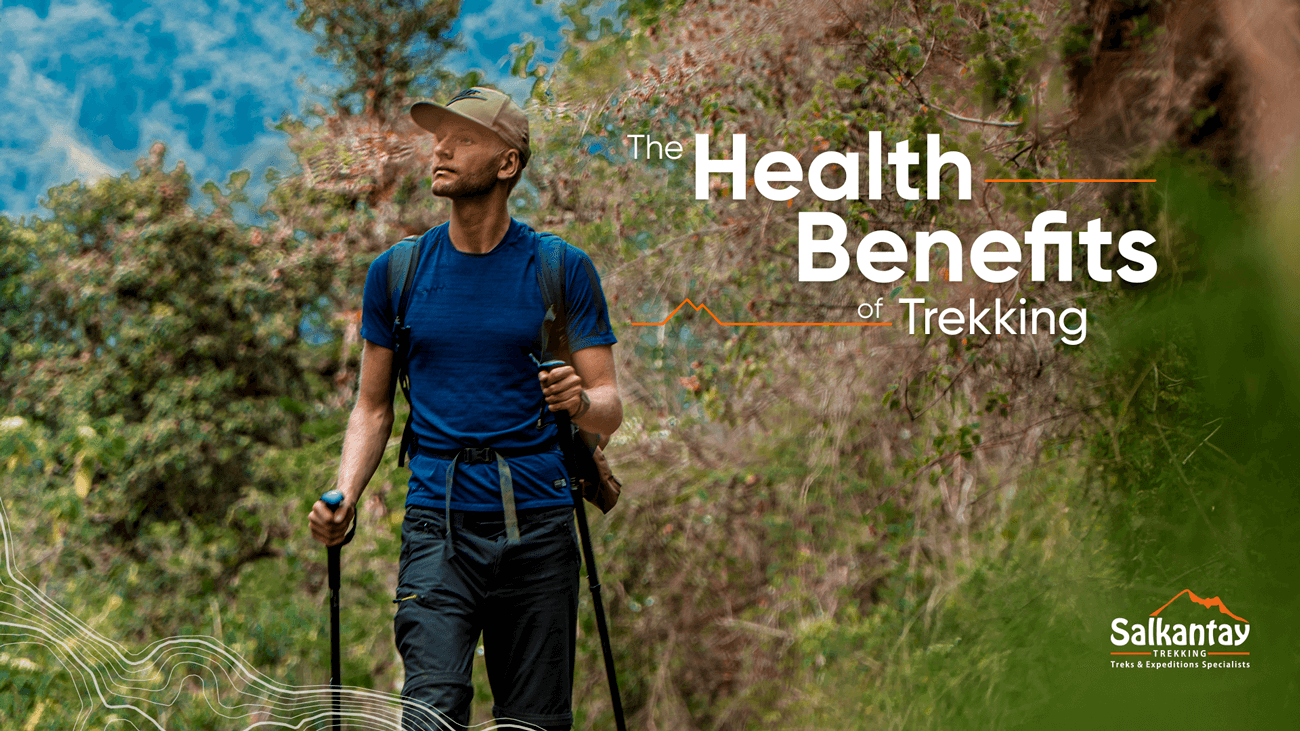
Economic And Community Benefits
Jungle trekking also helps local people and economies.
Supports Local Businesses
Trekking often means hiring guides, staying at local lodges, and buying supplies. This brings income to remote communities and encourages sustainable tourism.
Encourages Conservation Efforts
Many trekking areas use part of their fees for conservation. By trekking, you help fund projects that protect wildlife and forests.
Promotes Sustainable Development
Sustainable tourism is key. It brings money to local people without harming the environment, creating a win-win situation.
Comparing Jungle Trekking With Other Outdoor Activities
It helps to see how jungle trekking stacks up against other popular activities like city walking, gym workouts, and mountain hiking.
| Activity | Main Environment | Physical Intensity | Mental Benefits | Unique Features |
|---|---|---|---|---|
| Jungle Trekking | Dense forest, wildlife | High (varied terrain) | Stress reduction, focus, mindfulness | Wildlife, adventure, discovery |
| City Walking | Urban streets | Low–Medium | Mood boost, convenience | Culture, architecture |
| Gym Workout | Indoor facility | Customizable | Endorphins, routine | Equipment, trainers |
| Mountain Hiking | High-altitude trails | High (steep slopes) | Achievement, awe | Views, altitude |
Jungle trekking stands out for its unique mix of adventure, wildlife, and environmental awareness.
Dangers And How To Stay Safe
Trekking in the jungle comes with risks, but most are avoidable with preparation.
Common Dangers
- Wild animals (snakes, insects, leeches)
- Getting lost
- Sudden weather changes
- Injuries (sprains, cuts)
Staying Safe
- Always trek with a guide, especially in unfamiliar jungles.
- Wear proper clothing and shoes (long sleeves, waterproof boots).
- Carry a first aid kit, enough water, and emergency supplies.
- Stick to marked trails and avoid wandering off.
- Learn basic survival and navigation skills.
Essential Safety Gear: A Quick Comparison
Here’s a simple comparison of must-have gear for jungle trekking:
| Item | Purpose | Why It’s Important |
|---|---|---|
| Sturdy Shoes | Protect feet, prevent slips | Reduces injury risk |
| Lightweight Backpack | Carry supplies | Keeps hands free, balances weight |
| First Aid Kit | Treat injuries | Immediate care for cuts, bites |
| Water Bottle/Filter | Stay hydrated | Prevents dehydration |
| Navigation Tools | Stay on track | Avoids getting lost |
Two Insights Beginners Often Miss
Many first-time trekkers focus only on the adventure. But two key insights make the experience richer:
- Preparation is everything. Don’t underestimate the jungle. Even “easy” treks can become challenging with rain or heat. A little extra planning (checking weather, packing right, learning basic first aid) often separates a great experience from a risky one.
- The jungle changes fast. Seasonal differences are huge. The same path can look and feel very different in the dry vs. rainy season. Research the best time to go for the experience you want—some animals are only visible at certain times, and some trails flood easily.
How To Start Jungle Trekking
If you’re new to jungle trekking, you don’t have to jump into a multi-day adventure. Here’s how to begin:
- Start small. Choose short, guided treks to learn the basics.
- Invest in proper gear. Good shoes, breathable clothes, and a rain jacket are essential.
- Join a group. Many outdoor clubs offer beginner-friendly treks.
- Learn as you go. Pay attention to guides—they know the land and can teach you about plants, animals, and safety.
- Respect the jungle. Take only pictures, leave only footprints.
Environmental Impact And Responsible Trekking
Every trekker has a responsibility to protect the jungle. Here’s how you can minimize your impact:
- Stick to trails to avoid damaging plants and disturbing wildlife.
- Carry out all trash, even food scraps.
- Don’t pick plants or disturb animals.
- Use eco-friendly products (soap, sunscreen) to avoid polluting streams.
- Support local conservation efforts by choosing responsible tour operators.
If you want to read more about sustainable trekking practices, check the World Wildlife Fund’s guide.
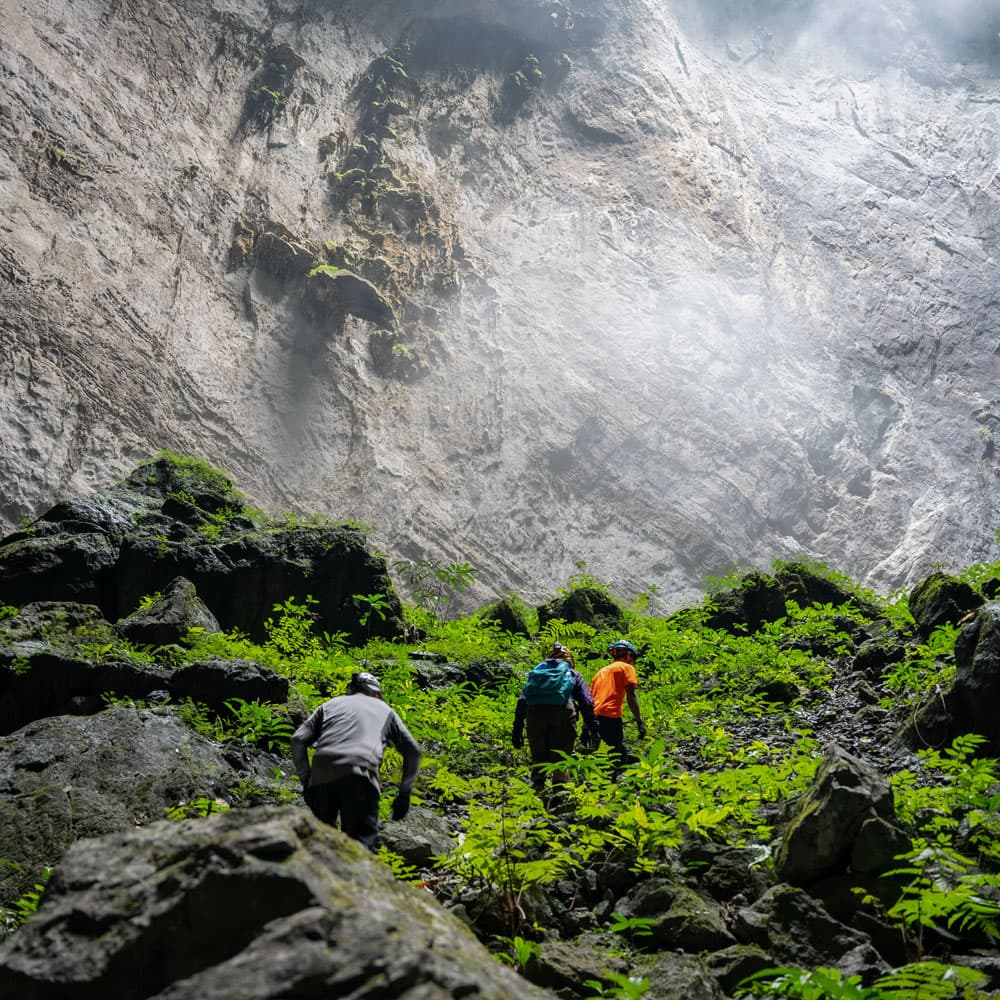
The Transformative Power Of Jungle Trekking
Beyond fitness and fun, jungle trekking often changes how people see the world. Many return home with a new appreciation for nature, a calmer mind, and a stronger body. The jungle teaches patience, resilience, and the importance of protecting our planet.
It’s an adventure that stays with you long after the mud has washed off your boots.
If you’re ready for a challenge that rewards both body and mind, jungle trekking is hard to beat.
Frequently Asked Questions
What Should I Wear For Jungle Trekking?
Wear light, breathable clothing that covers your skin to protect from insects and scratches. Long pants and sleeves are best. Waterproof boots with good grip are important. Bring a hat, sunglasses, and a lightweight rain jacket.
Is Jungle Trekking Safe For Beginners?
Yes, with proper preparation and a guide, beginners can enjoy jungle trekking safely. Start with shorter trails and always follow your guide’s instructions. Avoid solo trekking until you have more experience.
How Do I Prepare For A Jungle Trek?
Research the area, check the weather, and pack essentials: sturdy shoes, water, snacks, a first aid kit, insect repellent, and sun protection. Train with regular walks or hikes to build fitness. Tell someone your plans before you go.
What Are The Best Places For Jungle Trekking?
Some popular spots include the Amazon Rainforest (South America), Borneo (Malaysia/Indonesia), Costa Rica, Chitwan National Park (Nepal), and the Congo Basin (Africa). Each offers different wildlife and scenery.
How Does Jungle Trekking Help The Environment?
By supporting eco-friendly trekking and local guides, you help fund conservation and sustainable tourism. Trekking can raise awareness about the importance of protecting jungles and their wildlife, leading to better care of these precious areas.

