

Jungle trekking is one of the most exciting ways to experience nature. The dense trees, unknown trails, and wild sounds create a sense of adventure that few other activities can offer. But exploring the jungle also means facing real risks—cuts, bites, stings, infections, and even serious injuries. When help can be hours or days away, the first aid kit you carry is not just a small box. It’s your first line of defense when things go wrong.
If you’re planning a trek through the jungle, it’s easy to think a basic kit will be enough. But the jungle is different from urban parks or mountain hikes. The environment brings unique dangers: insects carrying disease, high humidity causing wounds to get infected fast, and dangerous plants or animals at every turn. In these conditions, the right first aid kit can save a trip—and sometimes a life.

36% off Today’s Exclusive Deals
Limited-time Exclusive Deals. Check current discount on Amazon.
Check Price on Amazon As an Amazon Associate I earn from qualifying purchases.In this guide, you’ll learn what to pack, why each item matters, and how to use your kit to handle common jungle emergencies. We’ll also look at tips from seasoned trekkers, practical examples, and common mistakes many beginners make. Whether you’re going on a guided tour or a solo expedition, you’ll discover how to prepare a kit that keeps you and your group safer in the wild.
Why Jungle Trekking Needs A Special First Aid Kit
Most people think a standard first aid kit is enough for any outdoor activity. But the jungle is different. The climate is humid, everything is wet, and there are more bugs and plants that can hurt you. Small wounds can turn serious fast. For example, a simple scratch can become infected within a day if not treated well. High heat and moisture help bacteria grow quickly.
The risk of animal bites, poisonous plants, and insect-borne diseases is much higher in jungles than in most other places. You may also be far from help. Getting to a hospital could take hours or even days, especially if the weather is bad or you’re deep in the forest.
This means you need a kit that is not just for minor cuts but also has tools and medicines for bigger problems.
Key Principles For Building A Jungle First Aid Kit
A good jungle first aid kit is not just about having lots of items. It’s about having the right items for the risks you will face. Here’s what matters most:
- Protection Against Infection: Jungle wounds get infected quickly due to humidity and dirt. Antiseptics, antibiotic ointments, and sterile dressings are critical.
- Treatment for Bites and Stings: Insects and animals are everywhere. You need supplies for snake bites, insect stings, and allergic reactions.
- Managing Blisters and Burns: Wet feet and hot weather cause blisters. Fires or hot equipment can cause burns.
- Tools for Splinting and Immobilization: Falls are common. Bones can break or sprain. Lightweight splints and bandages can help until you get help.
- Medicines for Jungle Illnesses: Diarrhea, fever, and dehydration are common. Carry medicines for these problems.
- Waterproof and Organized: Your kit should stay dry and be easy to find items quickly, even in the dark.
Essential Components Of A Jungle Trekking First Aid Kit
You need more than just bandages and painkillers. Here’s a breakdown of what a jungle-ready kit should include. Items are grouped by use so you can see why each one matters.
Wound Care And Infection Prevention
- Sterile gauze pads (various sizes)
- Adhesive bandages (waterproof, assorted)
- Antiseptic wipes or solution (chlorhexidine or povidone-iodine)
- Antibiotic ointment (like Neosporin)
- Medical tape (water-resistant)
- Sterile gloves
- Small scissors and tweezers
- Wound closure strips (Steri-Strips or butterfly closures)
- Hydrogel dressings (for burns and blisters)
These supplies help you clean, cover, and protect wounds. The jungle’s constant dampness makes even small cuts risky, so cleaning and sealing wounds quickly is essential.
Snake, Insect, And Animal Bites
- Elastic bandage (for immobilizing limbs after snake bites)
- Snake bite suction device (optional, but some trekkers use them)
- Antihistamines (cetirizine or loratadine)
- Epinephrine auto-injector (if you have severe allergies)
- Insect repellent (DEET-based or Picaridin)
- After-bite cream (hydrocortisone or calamine lotion)
- Mosquito net (small, for emergency use)
Bites and stings can cause allergic reactions or even be life-threatening. Quick response is key. Antihistamines and epinephrine can buy you time until help arrives.
Bone, Joint, And Sprain Care
- SAM splint (lightweight, moldable splint)
- Triangular bandage (for slings or securing limbs)
- Cohesive wrap (sticks to itself but not skin)
- Instant cold pack (single-use, for swelling)
Falls and twisted ankles are common on slippery jungle paths. These tools help you stabilize injuries and reduce pain.
Medicines And Oral Treatments
- Pain relievers (acetaminophen, ibuprofen)
- Anti-diarrhea medicine (loperamide)
- Oral rehydration salts
- Antacid tablets (for stomach discomfort)
- Antimalarial drugs (if recommended for your destination)
- Antibiotics (only if prescribed and trained to use)
- Motion sickness tablets
- Anti-fungal cream (for athlete’s foot or ringworm)
Trekking can bring stomach problems and dehydration. Oral medicines help you stay strong and manage minor illnesses before they get worse.
Other Essential Supplies
- Water purification tablets or filter
- Thermometer (digital, lightweight)
- Emergency whistle
- Headlamp (with extra batteries)
- CPR mask
- Space blanket (for shock or hypothermia)
- Safety pins
- Duct tape (small roll, for repairs or splinting)
- Notepad and pencil (for recording injuries and symptoms)
- Personal medications (enough for the whole trip, with spares)
These items cover situations that don’t fit into the other groups but are critical for emergencies or survival.
Packing Tips For Jungle First Aid Kits
A jungle trekker’s kit must be different from a home or car kit. It needs to be:
- Waterproof: Use a dry bag or double zip-lock bags. Even a few drops of water can ruin medicines and dressings.
- Lightweight and Compact: Only carry what you truly need, but don’t skip essentials.
- Easy to Organize: Use pouches or color-coded bags for quick access. In an emergency, you don’t want to dig through everything.
- Personalized: Add extra items for your own health needs (allergy medicines, inhalers, etc.)
Here’s an example of how to pack:
| Item Group | Packing Method | Waterproofing |
|---|---|---|
| Wound Care | Small pouch, top layer | Double zip-lock bag |
| Medicines | Pill organizer, labeled | Dry bag |
| Splinting Tools | Flat against pack wall | Single zip-lock |
It’s a good idea to check your kit before every trek. Replace expired medicines, damaged dressings, or empty items after each trip.

Comparing Jungle First Aid Kits Vs. Standard Kits
Many trekkers start with a store-bought first aid kit. But these are made for city use, not jungle conditions. Here’s how they compare:
| Feature | Standard First Aid Kit | Jungle First Aid Kit |
|---|---|---|
| Bandage Types | Basic, non-waterproof | Waterproof, mixed sizes |
| Infection Care | Basic ointment | Multiple antiseptics, antibiotics |
| Bite/Sting Treatment | Rarely included | Antihistamines, EpiPen, after-bite |
| Splinting Tools | Usually missing | SAM splint, wraps |
| Weather Protection | No waterproofing | Dry bags or cases |
| Jungle-Specific Medicines | Not included | Malaria, rehydration, anti-fungal |
A jungle kit is more than double the size and cost of a standard kit, but the extra weight is worth it. It’s often the difference between a minor problem and a serious emergency.
What Beginners Often Forget (non-obvious Insights)
Even experienced trekkers sometimes overlook details. Here are a few things that most beginners miss:
- Oral rehydration salts are critical. Dehydration happens fast in the jungle. Water alone is not enough if you have diarrhea or are sweating a lot.
- Anti-fungal cream is easy to forget but very important. Wet socks and boots lead to fungal infections that can make walking painful.
- Personal medications in extra supply. If you rely on daily medicines (for asthma, allergies, etc. ), always bring twice what you need. Delays happen.
- Headlamp or flashlight. Most kits forget about power failures or getting lost after dark. A small light can save your life.
- Medical tape, not just bandages. Tape holds dressings in place when sweat and rain make everything slippery.
Many trekkers also miss the importance of training. Knowing how to use your kit is as important as what’s inside. Take a basic first aid course before your trip.
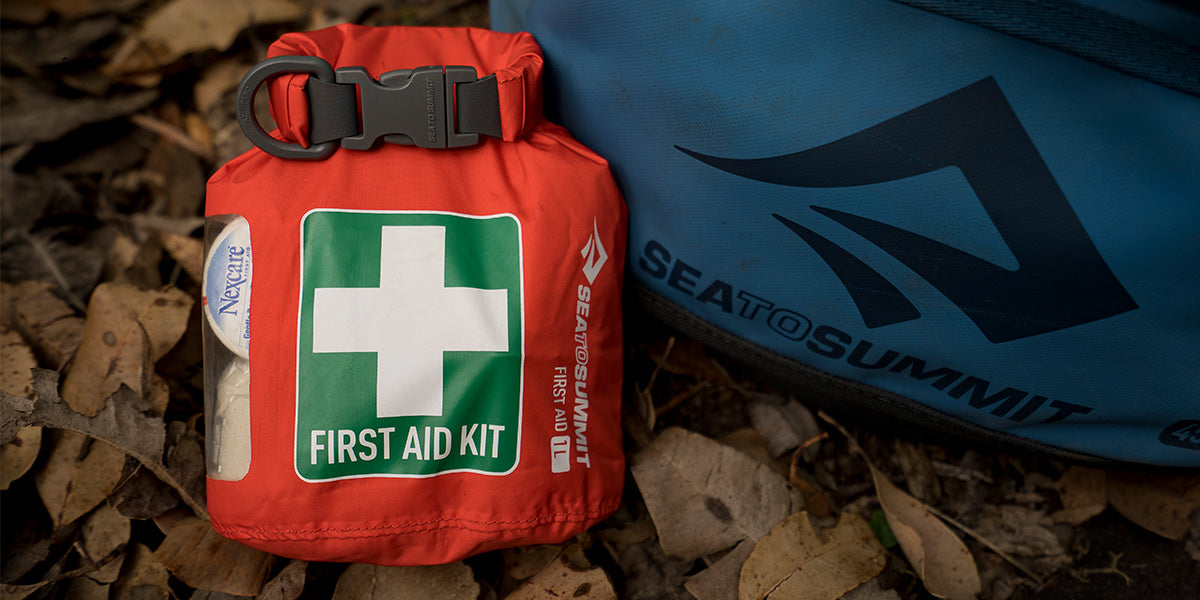
How To Use Key Items In A Jungle Emergency
It’s not just about having the right items; you must also know how and when to use them. Here are practical examples:
Treating A Deep Cut
- Wash your hands with clean water or antiseptic wipes.
- Stop the bleeding: Use sterile gauze and press firmly for several minutes.
- Clean the wound: Rinse with clean water, then use antiseptic solution.
- Apply antibiotic ointment and cover with a waterproof bandage.
- Change dressings twice a day, or if wet or dirty.
Dealing With Snake Bites
- Stay calm and still. Movement spreads venom faster.
- Apply an elastic bandage firmly, starting above the bite and wrapping down the limb.
- Keep the limb below heart level.
- Do not cut or suck the wound.
- Get help immediately. Use a whistle or signal device if needed.
Handling Allergic Reactions
- Give antihistamines at the first sign of swelling or rash.
- If severe (difficulty breathing, swelling of face), use epinephrine auto-injector.
- Monitor breathing and prepare for CPR if needed.
- Seek emergency help as soon as possible.
Managing Blisters
- Clean area with antiseptic.
- Do not pop unless necessary. If large and painful, sterilize a needle and drain fluid.
- Apply hydrogel dressing and cover with waterproof tape.
- Change dressing daily.
These examples show why training is just as important as supplies. In the jungle, you often have to act fast and make decisions under pressure.
Advanced Jungle First Aid Tips
Trekkers with more experience often customize their kits further. Here are tips from the field:
- Carry a small mirror. Helps remove debris from eyes or check hard-to-see injuries.
- Bring a mini water filter. If you run out of clean water, you can still stay hydrated safely.
- Use duct tape creatively. It can fix torn boots, create slings, or even close wounds in an emergency.
- Pack extra zip-lock bags. Useful for keeping items dry or isolating used dressings.
- Keep a record of injuries and treatments. If you need help later, this information is valuable for doctors.
Some trekkers also carry sterile needle kits for severe emergencies, especially in remote regions where medical help is far away. If you do this, make sure you know how to use them safely.
Table Of Common Jungle Injuries And First Aid Responses
To help you prepare, here’s a quick guide to common jungle injuries and the key first aid responses:
| Injury/Problem | First Aid Response | Kit Item Needed |
|---|---|---|
| Leech bite | Remove with salt or alcohol, clean and cover | Antiseptic, bandage |
| Snake bite | Immobilize, wrap, seek help | Elastic bandage, whistle |
| Blister | Clean, hydrogel, cover | Hydrogel, tape |
| Insect sting | Remove stinger, antihistamine, ice | Antihistamine, instant cold pack |
| Diarrhea | Rehydrate, rest | Oral rehydration salts |
| Sprained ankle | Rest, immobilize, cold pack | SAM splint, cold pack |
How To Choose A Ready-made Kit Vs. Building Your Own
Some trekking stores sell “jungle first aid kits.” But not all kits are equal. Here’s how to decide:
- Ready-made kits are good for beginners. They save time but often miss some items (like antimalarial drugs or specific allergy medicines).
- Building your own lets you customize for your health needs and group size. You can choose top-quality items and pack extra of what you need most.
If you buy a kit, check the contents list carefully. Remove anything you won’t use and add missing essentials. Always add personal medications.

Group Vs. Solo First Aid Kits
If you’re trekking with a group, one large kit can work for everyone, but each person should still carry some basics (bandages, medicines, whistle). For solo trekkers, keep the kit small and lightweight, but don’t skip any key items.
A good rule: plan for at least one major injury or illness per 5 days for a group of 4. Pack extra dressings, medicine, and gloves.
Keeping Your Skills Fresh
A first aid kit is only as useful as the person using it. Consider these tips:
- Take a wilderness first aid course before your trek. You’ll learn how to use your kit and handle emergencies far from help.
- Practice using your kit at home. Time yourself finding items in the dark or with one hand (in case of injury).
- Read up on jungle-specific first aid, such as treating snake bites or severe allergic reactions.
For more information and training, the American Red Cross offers certified first aid classes.
Frequently Asked Questions
What Is The Most Important Item In A Jungle Trekking First Aid Kit?
The most important item is hard to choose, but antiseptic wipes or solution are critical. Keeping wounds clean prevents infection, which is the biggest risk in jungle conditions.
How Should I Protect My First Aid Kit From Rain And Humidity?
Always use a waterproof bag or dry sack. Double-bag medicines and anything that must stay dry. Test your bag in the shower before your trip to make sure water can’t get in.
Can I Rely On Guides’ First Aid Kits Instead Of Bringing My Own?
Guides usually carry a basic kit, but it may not have what you need for your personal health issues or allergies. Always bring your own personalized kit, even if trekking with a group.
How Often Should I Check Or Update My First Aid Kit?
Check your kit before every trip. Replace expired medicines, used items, and batteries. If you’ve been on a long trek, review what you used and adjust your kit for next time.
Is It Necessary To Bring Prescription Antibiotics For Jungle Trekking?
Only bring prescription antibiotics if your doctor recommends them and you know how to use them. Misuse can be dangerous. For most people, good wound care and basic medicines are enough.
Getting ready for jungle trekking means more than just packing a backpack. It’s about thinking ahead, understanding the dangers, and being ready to handle the unexpected. With the right first aid kit—and the knowledge to use it—you can enjoy the beauty of the wild while staying safer every step of the way.

