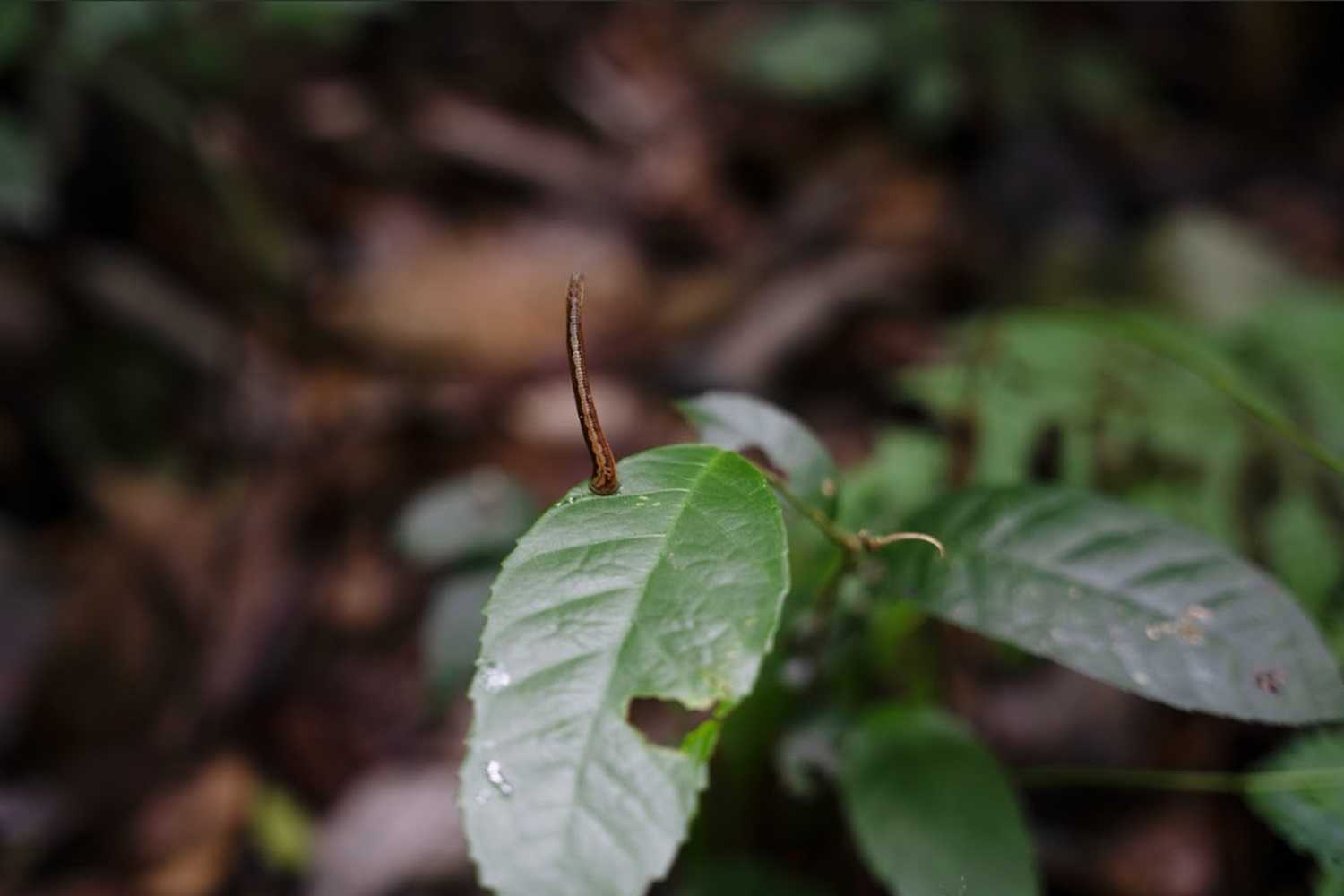
Jungle trekking offers a close look at nature’s wildest corners. But it also brings trekkers face-to-face with some of the smallest, most persistent creatures: leeches. These slimy, blood-sucking animals can turn an exciting trek into an uncomfortable experience. For beginners and even seasoned trekkers, dealing with leeches is a part of the adventure, especially in tropical and subtropical forests. This guide shares everything you need to know about handling leeches on your next jungle trek, from prevention to aftercare, using simple language and practical advice.
Understanding Leeches In The Jungle
Leeches are segmented worms often found in moist environments. Most jungle leeches are not dangerous, but their bites can be annoying, itchy, or in rare cases, cause infection.

36% off Today’s Exclusive Deals
Limited-time Exclusive Deals. Check current discount on Amazon.
Check Price on Amazon As an Amazon Associate I earn from qualifying purchases.Why Are Leeches Common In Jungles?
Leeches thrive in wet, humid environments. Rainforests, thick undergrowth, and areas with streams or swamps are their favorite habitats. They wait on plants or in leaf litter, sensing vibrations or heat from passing animals and humans.
How Leeches Find You
Leeches use heat and movement sensors to detect potential hosts. Some species even sense carbon dioxide from your breath. Once they latch on, they release a mild anesthetic so you may not feel the bite immediately. Then, an anticoagulant in their saliva keeps your blood flowing.
Are Leeches Dangerous?
Most leech bites are harmless. However, they can:
- Cause bleeding that lasts for hours
- Leave itchy, red spots
- In rare cases, lead to infection or allergic reaction
Serious complications are extremely rare, but proper care is important.
Why Leeches Are A Problem For Trekkers
Leeches are not just gross; they can be a real nuisance on a trek.
- Persistent biters: Leeches will crawl up your shoes, socks, or clothes and attach themselves quickly.
- Hidden attackers: They are small and often go unnoticed until you start bleeding.
- Blood loss and discomfort: Though each leech takes only a small amount, multiple bites can leave you feeling uncomfortable and sometimes dizzy if you are sensitive.
For trekkers, understanding these challenges is the first step in managing leeches.
Preventing Leech Bites: Essential Steps
Prevention is always better than cure, especially in leech-heavy jungles. Here are practical ways to reduce your chances of getting bitten.
1. Dress Smartly
Your clothing is your first line of defense.
- Wear long pants and tuck them into your socks.
- Choose light-colored clothes to spot leeches easily.
- Wear thick, tight-weave socks (sports or hiking socks work well).
- Use high-ankle boots that fit snugly.
2. Use Leech Socks
Leech socks are special protective gear made of tightly woven fabric. They act as a barrier, preventing leeches from reaching your skin.
- Pull leech socks over your pants and tie or secure them just below the knee.
- Leech socks are available at most outdoor shops in regions with leech problems.
3. Apply Repellents
Not all repellents work against leeches, but some help.
- DEET-based repellents: Effective against mosquitoes, but only mildly so for leeches.
- Tobacco leaves: Some local guides rub tobacco juice or leaves on shoes and socks.
- Saltwater or vinegar: Splashing these on your shoes and socks can deter leeches, but the effect is short-lived.
4. Avoid Risky Spots
Leeches gather in certain areas.
- Stick to well-trodden trails where leeches are less common.
- Avoid walking through thick undergrowth, leaf litter, or standing water.
5. Move Quickly In Leech Zones
Leeches are slow movers. If you stop for rest, check your shoes and legs before sitting down. When you move quickly through infested areas, leeches have less time to latch on.
What To Do When A Leech Attaches
Even with the best prevention, you might get a leech or two. Stay calm—removing them is simple and safe with the right approach.
How To Remove A Leech
- Do not panic. Leeches are not poisonous, and removing them is not dangerous.
- Locate the mouth: Find where the leech is attached.
- Slide a fingernail (or a flat object like a credit card) under the leech’s thinner end (the mouth).
- Gently flick or pull the leech away from your skin.
- Do not pull hard or squeeze the leech’s body—this can leave the mouth stuck in your skin.
Should You Use Salt, Flame, Or Chemicals?
Many trekkers use salt, a flame, or chemicals to remove leeches. While these methods can make a leech drop off, they are not recommended. When stressed, leeches may vomit into the wound, increasing the risk of infection.
Aftercare For A Leech Bite
Once a leech is gone:
- Clean the wound with soap and water.
- Apply antiseptic to prevent infection.
- Cover with a plaster or bandage if needed.
- Apply pressure if bleeding continues—this is normal due to the leech’s anticoagulant saliva.
If you see signs of infection (redness, pus, swelling, or increasing pain), seek medical help.
Must-have Gear For Leech-prone Treks
Having the right gear can make a big difference. Here’s a quick comparison of common leech protection gear:
| Gear | Protection Level | Comfort | Availability |
|---|---|---|---|
| Leech Socks | High | Moderate | Outdoor stores, local shops |
| High-ankle Boots | Medium-High | High | Widely available |
| DEET Repellent | Low-Moderate | High | Common |
| Tobacco Leaves | Low | Low | Local markets |
Essentials To Pack
- Leech socks or high socks
- Antiseptic wipes or liquid
- Plasters or bandages
- Salt (for emergencies, not for removal)
- Small mirror (for checking hard-to-see areas)
How Leeches Affect Different Trekkers
Not all trekkers experience leech bites the same way. Personal factors can make a difference.
Beginners Vs. Experienced Trekkers
- Beginners may panic or try harmful removal methods.
- Experienced trekkers usually stay calm and check for leeches often.
Children And Sensitive People
Children or those with sensitive skin may develop bigger red welts or feel more discomfort. It’s important to monitor them closely for any allergic reaction.
Medical Conditions
People with bleeding disorders or those on blood thinners should be extra careful. Leeches’ anticoagulant saliva can make bleeding last longer.
Leech Myths And Facts
Many stories about leeches are not true. Let’s clear up the confusion.
Common Myths
- Leeches are deadly.
- Fact: Most jungle leeches pose no serious health risk.
- Leeches lay eggs in wounds.
- Fact: Leeches do not reproduce this way.
- You must burn a leech off.
- Fact: Burning is risky and can cause infection.
Surprising Facts
- Leeches have been used in medicine for centuries to help with blood flow.
- Some people are less attractive to leeches due to their body chemistry.
- Leeches can go months without food but become very active during the rainy season.
How To Check Yourself For Leeches
Regular checks are the best way to catch leeches early.
- Every 20–30 minutes, stop and look at your shoes, socks, and legs.
- Use your hands to feel for small, moving bumps.
- Use a small mirror to check behind your knees and ankles.
- Ask your trekking partner to help check your back and harder-to-see areas.
Remove any leeches you find right away.
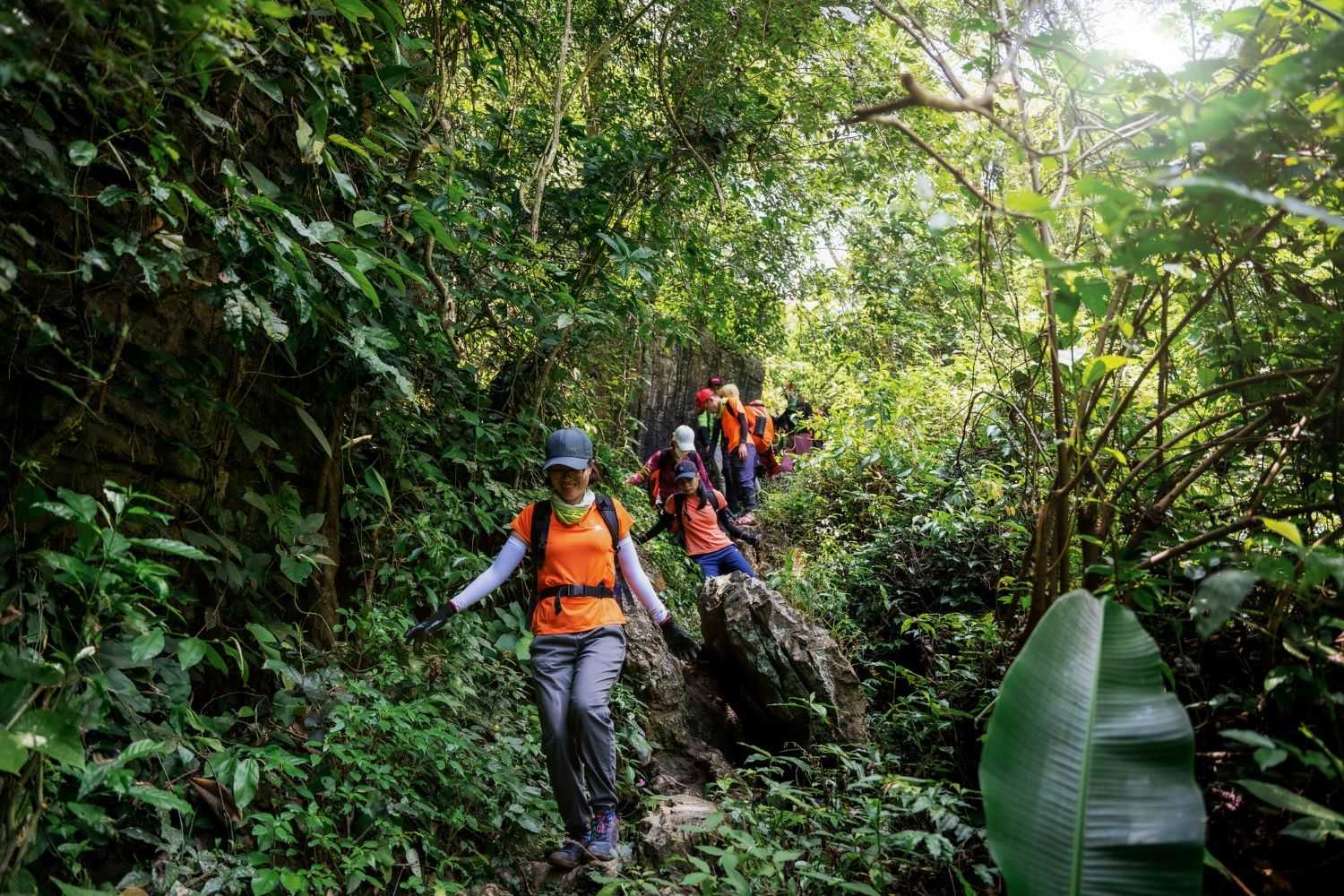
Treating Multiple Leech Bites
Sometimes, you may get several bites at once. Here’s what to do:
Managing Bleeding
Leech bites may bleed for up to an hour. To manage:
- Apply direct pressure with a clean cloth.
- Elevate the limb if the bite is on your arm or leg.
- Use a bandage to keep the area clean.
Reducing Itching And Swelling
- Antihistamine cream or hydrocortisone can help with itching.
- Cold packs can reduce swelling.
- Avoid scratching, as this increases infection risk.
Signs Of Infection
Watch for:
- Redness that spreads
- Warmth or pain increasing after 24 hours
- Pus or yellow fluid
If any of these occur, seek medical help as soon as possible.
How To Leech-proof Your Campsite
If you plan to camp in leech country, take extra steps to keep your tent and gear leech-free.
| Strategy | How It Helps | Extra Tips |
|---|---|---|
| Camp on raised ground | Reduces leech access | Avoid areas near water |
| Use a groundsheet | Blocks leeches from below | Check for holes before use |
| Inspect shoes and clothes before entering tent | Keeps tent leech-free | Shake out gear outside first |
- Keep your tent zipped at all times.
- Store boots inside the tent or in a sealed bag.
- Avoid sitting directly on the ground.

Jungle Trekking During Leech Season
Leech activity changes with the weather.
Rainy Vs. Dry Season
- Rainy season: Leeches are most active, especially after rain.
- Dry season: Fewer leeches, but not zero. They hide in moist spots.
If possible, plan your trek for drier months. However, some regions have leeches year-round.
Regional Differences
- Southeast Asia (Malaysia, Thailand): Leeches are common in all jungles, especially tiger leeches and brown leeches.
- South Asia (India, Sri Lanka): Forest floors and tea plantations can be full of leeches during monsoon.
- Australia: Leeches are found in rainforests and even some mountain trails.
Ask local guides about current leech conditions before your trek.
Local Solutions And Traditional Advice
In many countries, locals have their own ways of dealing with leeches.
Natural Repellents
- Tobacco leaves: Crushed and rubbed on shoes and socks.
- Lime juice: Applied to skin, but effect is temporary.
- Ash or mud: Some people smear it on their legs, but protection varies.
Attitude And Experience
Local guides often ignore small leeches, only removing them when they finish feeding. They treat leech bites as part of the jungle experience.
Key insight: Worrying too much about leeches can ruin your trek. Stay calm, follow prevention steps, and you’ll have a much better time.
Common Mistakes And How To Avoid Them
Many beginners make errors that make leech bites worse or more likely.
- Wearing shorts or sandals: Exposes more skin to leeches.
- Stopping for long breaks in dense areas: Gives leeches more time to latch on.
- Using harsh chemicals or flames: Can damage your skin and increase infection risk.
- Forgetting regular checks: Allows leeches to feed longer and cause more bleeding.
- Not carrying basic first aid: Makes it harder to treat bites promptly.
Tip: Make leech checks and bite care a habit, not an afterthought.
Comparing Leeches With Other Trekking Hazards
Leeches are only one of many jungle annoyances. Here’s a quick look at how they compare to other pests:
| Hazard | Risk Level | Prevention Difficulty | Aftercare Needed |
|---|---|---|---|
| Leeches | Low-Moderate | Medium | Yes |
| Mosquitoes | High (disease risk) | High | Sometimes |
| Ticks | Medium (disease risk) | Medium | Yes |
| Ants/Bees | Low | Low | Rarely |
Leeches are less dangerous than mosquitoes or ticks, but their bites can be more annoying due to persistent bleeding.
Building A Leech-safe Trekking Routine
To make your jungle adventure as comfortable as possible, develop a routine:
- Dress properly each morning before the trek.
- Apply repellents to your legs, socks, and shoes.
- Check your body and clothes every 20–30 minutes.
- Remove leeches safely as soon as you notice them.
- Treat bites immediately to reduce infection risk.
Non-obvious insight: Leeches are most active in the morning after rain. If you can, start trekking after the sun has dried the trail a bit.
When To Seek Medical Help
Most bites heal without any problem. However, you should get medical help if:
- Bleeding does not stop after two hours
- You see redness and swelling that gets worse
- You develop a fever or chills after a trek
- You have a known allergy to insect bites
In some rare cases, leeches may crawl into body openings (nose, mouth). If you suspect this, seek help immediately.
Making Peace With Leeches
Leeches are part of the jungle’s complex ecosystem. They help keep animal populations balanced and are even used in medicine. While no one enjoys being bitten, learning to handle leeches calmly will make you a more confident and adaptable trekker.
Many experienced trekkers remember their first leech bite as a kind of “rite of passage. ” Instead of fearing them, focus on prevention and see them as a small part of your adventure.
If you want to learn more about leeches and their role in nature, visit the Wikipedia entry on leeches for scientific information.
Frequently Asked Questions
What Attracts Leeches To Humans During Jungle Trekking?
Leeches are attracted by body heat, movement, and carbon dioxide from your breath. They sense vibrations and will move toward any warm-blooded animal, including humans.
Is It Dangerous If A Leech’s Mouth Stays In My Skin?
Usually, the body pushes out any small part left behind, but it can cause a mild infection. Clean the wound and watch for signs of redness or pus. If it swells or hurts, see a doctor.
Can Leech Bites Cause Diseases?
Most jungle leeches do not transmit diseases. The main risk is infection from scratching or poor wound care. Keep bites clean and use antiseptic.
Are There Leech-free Jungles?
Most tropical and subtropical jungles have some leeches, but drier forests and high-altitude areas tend to have fewer. Ask local guides about the best leech-free seasons and trails.
How Do I Stop Leech Bites From Itching?
Apply a hydrocortisone cream or an antihistamine ointment to reduce itching. Cold packs can also help. Avoid scratching, as it increases the risk of infection.
Jungle trekking with leeches can sound intimidating, but with the right knowledge and attitude, it becomes just another part of your adventure. Take precautions, stay calm, and enjoy the wild beauty of the jungle.