

Hiking and jungle trekking are two outdoor adventures that attract millions around the world. People often use these words as if they mean the same thing. However, if you ask an experienced outdoor enthusiast, you will quickly learn they are quite different.
Understanding these differences matters—not just for your next trip, but also for safety, enjoyment, and preparation.

36% off Today’s Exclusive Deals
Limited-time Exclusive Deals. Check current discount on Amazon.
Check Price on Amazon As an Amazon Associate I earn from qualifying purchases.Many beginners believe hiking and jungle trekking only differ by location, but the truth goes deeper. The trails, dangers, gear, physical demands, and even the skills you need can be very different. If you want to plan a trip, choose the right gear, or simply impress friends with your knowledge, it pays to know what sets hiking and jungle trekking apart.
Defining Hiking And Jungle Trekking
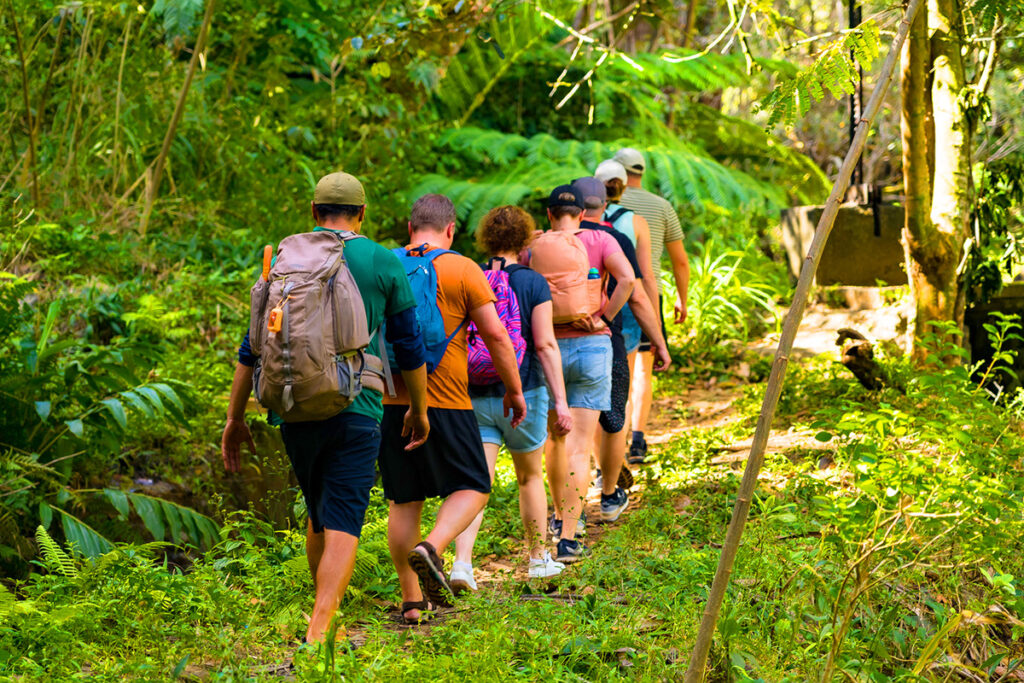
Let’s start with clear definitions. Hiking is a walk, usually on a clearly marked path or trail, often in hills, mountains, or countryside. It can be as easy as a short nature trail or as hard as a climb up a steep mountain. Most hikes are in temperate areas (like Europe or North America) and are planned to be safe for most people.
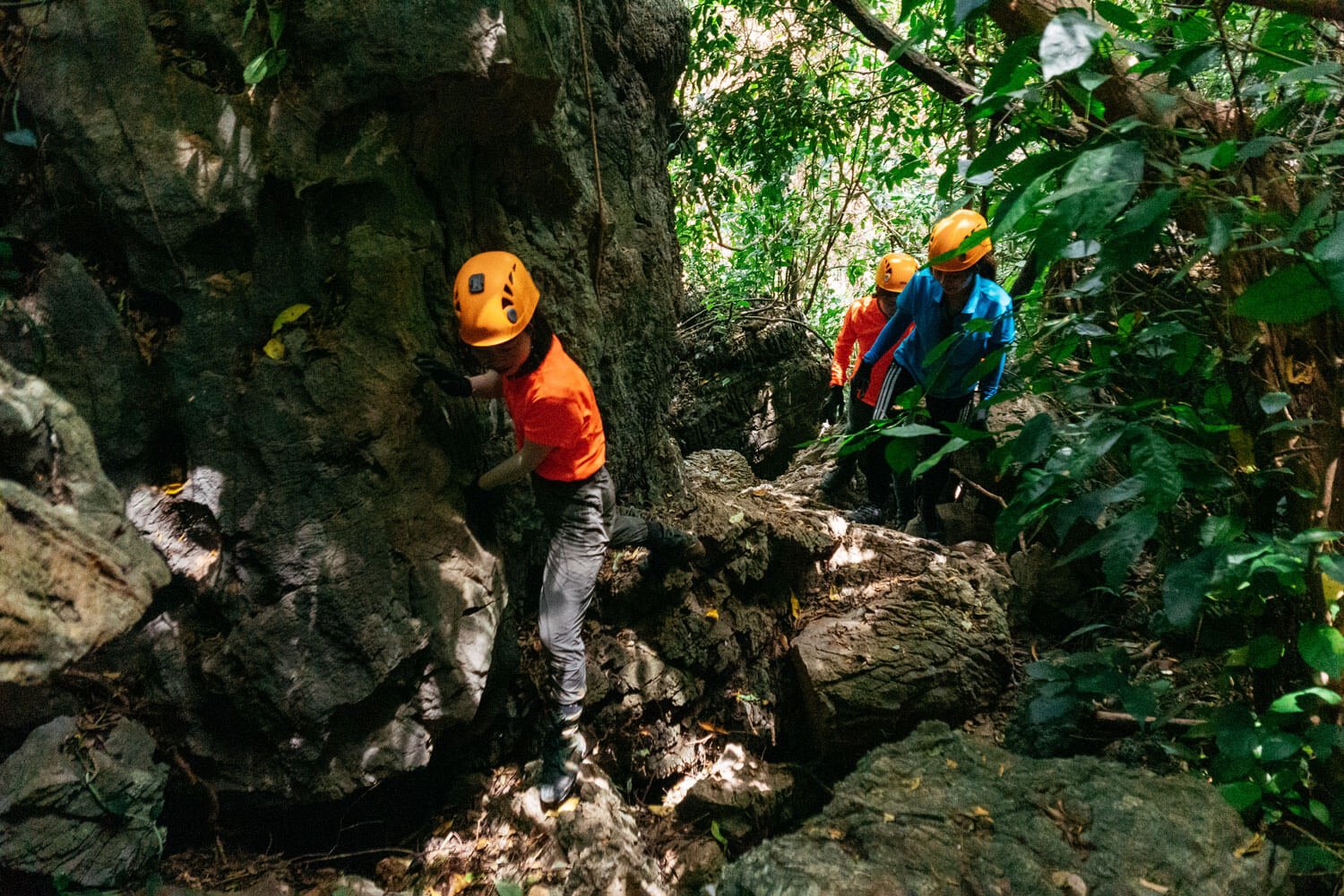
Jungle trekking is more intense. It means walking through dense, wild forests—often tropical jungles. The paths are rarely clear. You may face thick vegetation, rivers, mud, insects, and wildlife. Jungle trekking usually happens in places like the Amazon, Southeast Asia, or Central Africa.
While both activities involve walking in nature, that’s where the similarities end. The next sections will help you see why.
Terrain And Environment
The ground you walk on is one of the biggest differences between hiking and jungle trekking.
Hiking Terrain
Hiking trails are usually developed by park services or local groups. You can find:
- Gravel or dirt paths
- Wooden bridges
- Marked routes with signs
- Rest stops or shelters
Hiking environments vary. In the US, for example, you might hike through forests, deserts, or up mountains. Weather is often mild, and the land is not too difficult to cross.
Jungle Trekking Terrain
Jungle trekking, on the other hand, means entering a world that feels untouched. Expect:
- Thick undergrowth
- Uneven, muddy, or slippery ground
- Streams, rivers, and swamps
- No clear paths—sometimes you make your own
The environment is hot, humid, and wet. You may need to climb over fallen trees, cut through vines, or wade through water. This makes jungle trekking much more physically demanding and unpredictable.
Example: Hiking In The Rocky Mountains Vs Trekking In Borneo
Imagine hiking the Rocky Mountains in Colorado. Trails are marked, and you may see other people. Now picture trekking through the jungles of Borneo. You move slowly, sweat pours down your face, and every step could hide a root or snake.
This shows why terrain is such a key factor.
Required Skills And Physical Demands
Many people underestimate the skills needed for jungle trekking compared to hiking.
Skills For Hiking
Most hiking trails are designed for all skill levels. You need:
- Basic fitness—you should be able to walk several miles
- Map reading (optional, since many trails are marked)
- Awareness of weather and time
Hiking rarely requires special survival skills, unless you go off-trail or hike in remote areas.
Skills For Jungle Trekking
Jungle trekking is a much bigger challenge. You should have:
- High physical fitness—expect to walk for hours in hot, humid conditions
- Navigation skills—trails may not exist, so you need to use a compass or GPS
- Survival knowledge—like how to find clean water, avoid dangerous animals, and treat injuries
- Mental endurance—the jungle can feel overwhelming and isolating
An insight that beginners often miss: fatigue sets in much faster in the jungle due to heat, humidity, and difficult terrain. Even strong hikers can struggle if they’re not used to these conditions.
Gear And Preparation
Proper equipment can make the difference between a fun adventure and a dangerous mistake. The gear for hiking and jungle trekking has some overlap, but also important differences.
Typical Hiking Gear
Hiking gear focuses on comfort, safety, and weather protection. Common items include:
- Comfortable shoes or boots
- Light clothing, sometimes in layers
- Daypack with water, snacks, and a map
- Rain jacket if needed
- First aid kit
Many hikers use trekking poles. Some carry emergency items like a whistle or small flashlight, but most trails are close to help.
Essential Jungle Trekking Gear
Jungle trekking gear must protect you from the environment. You need:
- Tough, waterproof boots
- Long sleeves and pants (to protect from insects and plants)
- Mosquito repellent
- Water purification tablets or filters
- Machete or knife (for clearing paths)
- Headlamp or flashlight
- Strong, waterproof backpack
- First aid kit with supplies for bites, cuts, and infections
- Emergency shelter or hammock
A practical tip: cotton clothing is a bad idea in the jungle—it holds sweat and doesn’t dry. Synthetic, quick-dry clothes are best.
Gear Comparison Table
Here’s a quick look at how hiking and jungle trekking gear differ:
| Item | Hiking | Jungle Trekking |
|---|---|---|
| Shoes/Boots | Lightweight hiking boots or shoes | Waterproof, tough boots |
| Clothing | Layers, weather-appropriate | Long sleeves, quick-dry, insect-proof |
| Navigation | Trail maps, phone GPS | Compass, GPS, sometimes machete |
| Protection | Hat, sunglasses, sunscreen | Mosquito repellent, gloves, gaiters |
| Emergency | Basic first aid kit | Advanced first aid, water purification |
This shows that while both activities require preparation, jungle trekking demands more specialized gear.
Risks And Safety Concerns
Outdoor adventures always have risks, but the dangers in hiking and jungle trekking are very different.
Hiking Hazards
Hiking risks depend on location and weather. Common risks:
- Slips and falls—especially on steep or wet trails
- Getting lost—rare on marked trails, but possible
- Weather changes—sudden storms or cold
- Wildlife encounters—usually mild (deer, squirrels)
- Dehydration or sunburn
Most hiking injuries are minor. With preparation, hiking is considered a safe activity.
Jungle Trekking Hazards
Jungle trekking is riskier. Main dangers include:
- Animal encounters—snakes, leeches, insects, even big cats
- Diseases—malaria, dengue, and other tropical illnesses
- Injuries—cuts, bites, infections happen easily in the jungle
- Getting lost—it’s easy to lose your way in dense forest
- Extreme weather—sudden rain, floods, or even landslides
- Water hazards—crossing rivers can be dangerous
A non-obvious insight: small wounds can quickly become serious in the jungle due to moisture and bacteria. Even a minor cut can get infected, so first aid is critical.
Safety Comparison Table
Here’s a side-by-side look at safety factors:
| Risk Factor | Hiking | Jungle Trekking |
|---|---|---|
| Animal Threats | Low | Moderate to high |
| Navigation Risk | Low | High |
| Disease Risk | Low | High |
| Injury Risk | Moderate | High |
| Weather Impact | Variable | Extreme |
The data makes it clear: jungle trekking is much more dangerous if you are not prepared.
Accessibility And Popularity
Not everyone can or should try both of these activities.
Hiking: Accessible To Most
Hiking is one of the world’s most popular outdoor hobbies. In the US alone, over 57. 8 million people hiked at least once in 2022 (Statista). There are thousands of trails for all ages and skill levels. Many national parks and cities have easy paths for beginners.
Hiking is often a family activity. Some trails are wheelchair-accessible. Most people can try hiking with little training.
Jungle Trekking: For The Adventurous
Jungle trekking is less popular and not suitable for everyone. It requires travel to tropical areas, higher fitness, and more planning. Most jungle treks are part of guided tours, and are not recommended for children or those with health problems.
A beginner’s mistake: underestimating the mental challenge. The jungle is noisy, full of insects, and can feel claustrophobic. Some people find it overwhelming.
Environmental Impact And Ethics
Both hiking and jungle trekking can affect nature, but in different ways.
Hiking Impact
Heavy foot traffic can damage trails, especially in sensitive areas. Litter, noise, and off-trail walking can harm plants and animals. Most hiking areas encourage the Leave No Trace philosophy—carry out all trash, stay on trails, and respect wildlife.
Jungle Trekking Impact
Jungle trekking’s impact is more serious because these forests are often untouched. Walking off-trail can:
- Damage rare plants
- Disturb animal habitats
- Spread invasive species
Guides are important. They know how to minimize impact and sometimes work with local tribes to protect the forest.
A useful tip: choose eco-friendly jungle tours. Some companies support conservation or hire local guides, which helps protect the environment.
Cultural And Social Aspects
Outdoor activities are not just about nature—they connect to culture and community.
Hiking Culture
Hiking is social. Trails often have groups, families, or solo hikers. Some hikes are spiritual (like the Camino de Santiago in Spain), and some are for charity or fun (like “5K hike” events).
Hiking is also about local pride. Many countries have famous trails, such as:
- The Appalachian Trail (USA)
- The West Highland Way (Scotland)
- The Overland Track (Australia)
People swap stories, share photos, and sometimes form hiking clubs.
Jungle Trekking Culture
Jungle trekking is more about adventure and discovery. You may visit remote villages, learn from indigenous guides, or see rare wildlife. It’s less about socializing and more about challenge.
One insight: jungle trekking often supports local communities. Guides may be from nearby villages, and eco-tours can provide income for conservation.
Costs And Planning
Budget and planning are important factors for any trip.
Hiking Costs
Hiking is usually low-cost:
- Many trails are free or have a small fee
- Basic gear is affordable
- Little travel is needed if you live near nature
With good shoes, a backpack, and a water bottle, you can start hiking almost anywhere.
Jungle Trekking Costs
Jungle trekking is much more expensive:
- You may need to fly to a tropical country
- Guided tours can cost hundreds or thousands of dollars
- Special gear (like water filters or vaccines) adds to the price
A jungle trek can take days or weeks to plan. Permits are often required.
Adventure And Experience
Why do people do these activities? The answer is different for each.
Hiking Experience
Hiking is about enjoying nature, relaxing, and seeing beautiful places. You can go at your own pace, stop for photos, or have a picnic. It’s a good way to stay healthy and reduce stress.
Jungle Trekking Experience
Jungle trekking is about adventure and survival. Every sense is active: you hear birds, smell plants, and see strange insects. It’s not relaxing, but it’s exciting. You may see rare animals or ancient ruins.
A common surprise for beginners: how much you learn about yourself in the jungle. Many people find they are stronger, braver, or more resourceful than they believed.
Choosing Between Hiking And Jungle Trekking
When should you choose hiking, and when should you try jungle trekking?
Choose Hiking If:
- You are new to outdoor activities
- You want a social or family-friendly experience
- You prefer comfort and safety
- You have limited time or budget
Try Jungle Trekking If:
- You want a real adventure
- You are fit and experienced in the outdoors
- You want to see rare wildlife or remote areas
- You are ready for a physical and mental challenge
It’s not just about fitness—attitude and preparation matter most.
Quick Reference Comparison
Here’s a summary of the main differences:
| Feature | Hiking | Jungle Trekking |
|---|---|---|
| Location | Mountains, forests, countryside | Tropical jungles |
| Trail | Marked, maintained | Unmarked, wild |
| Physical Demand | Low to moderate | High |
| Skills Needed | Basic fitness | Survival, navigation |
| Risks | Weather, minor injuries | Wildlife, disease, getting lost |
| Gear | Basic | Specialized |
| Cost | Low | High |
| Popularity | Very high | Low |

Frequently Asked Questions
What Is The Main Difference Between Hiking And Jungle Trekking?
The main difference is the environment and challenge level. Hiking is usually on marked trails in mild environments, while jungle trekking means moving through wild, unmarked tropical forests with much higher risks and physical demands.
Is Jungle Trekking Safe For Beginners?
Jungle trekking is not recommended for beginners. It requires high fitness, survival skills, and preparation. If you want to try it, always go with an experienced guide and choose a beginner-friendly route.
What Gear Is Essential For Jungle Trekking?
Essential gear includes waterproof boots, insect-proof clothing, mosquito repellent, water purification tools, a strong backpack, first aid kit, and sometimes a machete. A flashlight and emergency shelter are also important.
Can Children Join Jungle Trekking Trips?
Most jungle trekking trips are not suitable for children. The environment is harsh, with risks from insects, animals, and tough terrain. Some guided tours offer short, safe jungle walks for families, but always check with the organizer.
Where Can I Learn More About Hiking And Trekking Safety?
You can find reliable information at the Wikipedia Hiking page, which covers safety, gear, and global hiking cultures.
Whether you love simple hikes or dream of wild jungle adventures, understanding the differences helps you make smart choices and enjoy nature safely. Whichever you choose, remember: preparation is key, and respect for the environment matters most.

