

Most inflatable water bouncers last 2–7 years with proper care; heavy use shortens lifespan.
I’ve tested and repaired dozens of backyard and commercial inflatables, so I know what makes them hold up — or fail. This article answers How durable are inflatable water bouncers? with clear, practical guidance. You’ll learn what affects durability, how long to expect one to last, real-life maintenance tips, common failure points, and how to choose a model built to last. Read on to make a smart buy and keep your water bouncer safe and fun for years.

36% off Today’s Exclusive Deals
Limited-time Exclusive Deals. Check current discount on Amazon.
Check Price on Amazon As an Amazon Associate I earn from qualifying purchases.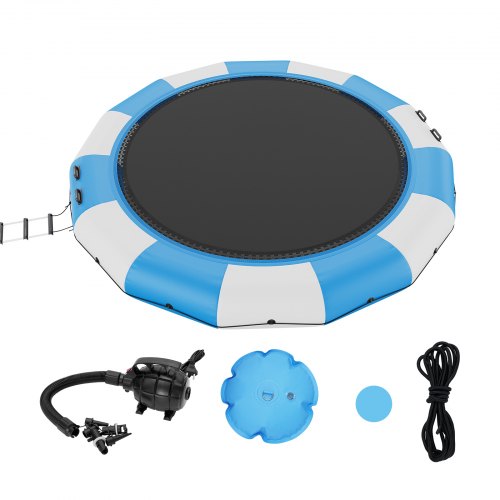
What are inflatable water bouncers?
Inflatable water bouncers are large, air-filled play structures designed for bouncing on water. They combine a bouncing surface, inflatable walls or netting, and anchoring points to float and stay stable. Materials and construction vary by use case, from light backyard units to heavy-duty commercial models. Understanding the design basics helps explain how and why durability varies.

Main materials and construction methods
Most inflatable water bouncers use strong vinyl or PVC for the body and nylon or polyester-reinforced fabrics for the bounce mat. Seams are joined by high-frequency welding or glued seams. Valves are usually screw-in or push-fit, and anchor points are reinforced with webbing and extra layers of fabric. Each component contributes to overall strength and longevity.
Factors that determine how durable are inflatable water bouncers?
Material quality
- Higher-grade PVC or marine-grade vinyl resists UV, abrasion, and chlorine better than cheap vinyl.
- Thicker fabrics and double-layer construction extend life in high-wear areas.
Seam and valve construction
- Welded seams are stronger and less likely to leak than simple glued seams.
- Quality valves with protective caps prevent accidental deflation and seepage.
Design and engineering
- Rounded shapes spread stress evenly, while sharp corners and thin spots concentrate wear.
- Multiple air chambers add redundancy so one puncture won’t flatten the whole unit.
Usage patterns
- Heavy commercial use means daily load cycles and faster wear.
- Residential, occasional use typically lasts longer.
- Overloading or improper jump styles increases seam stress.
Environmental exposure
- UV light degrades vinyl over time.
- Chlorinated or salt water accelerates material breakdown.
- Hot storage and temperature swings can weaken glue and materials.
Maintenance and storage
- Regular cleaning, proper drying, and cool, dry storage significantly extend life.
- Neglect accelerates mold, seam failure, and valve damage.
Manufacturing quality and brand
- Reputable manufacturers use better materials, testing, and warranties.
- Cheap imports may save money up front but fail sooner.

Expected lifespan and real-world durability
Typical lifespan ranges
- Backyard unit with light use and good care: 3–7 years.
- Heavy home use: 2–4 years.
- Commercial or park units: 1–3 years unless made from commercial-grade materials.
Why lifespans vary
- The answer to How durable are inflatable water bouncers? largely depends on use, environment, and care. A bouncer left in the sun and filled every day will age much faster than one stored indoors between uses. Warranties often reflect this: consumer warranties are usually shorter than commercial ones.
Real examples from experience
- I repaired a backyard water bouncer that lasted five seasons with seasonal storage and UV protectant.
- I’ve seen cheap pool bouncers fail along glued seams within a single summer after heavy use.
- The difference boiled down to material thickness and seam type.
Signs it’s aging
- Discolored or brittle vinyl.
- Repeated small leaks in the same area.
- Valve looseness or difficulty holding pressure.
- Loss of buoyancy or slack in the bouncing surface.
Common failure modes and how to prevent them
Punctures and abrasions
- Prevention: remove sharp objects, avoid dragging across rough concrete, and inspect the area before inflating.
- Fixes: patch kits work well for small holes; larger tears may require professional repair.
Seam separation
- Prevention: avoid overinflation, reduce heavy concentrated loads, and choose welded seams when possible.
- Fixes: seam repair kits or professional high-frequency welding can restore strength.
Valve failure
- Prevention: protect valve caps, don’t overtighten, and replace faulty valves promptly.
- Fixes: valve replacement parts are often available from manufacturers.
UV and chemical degradation
- Prevention: use UV protectant sprays, rinse off chlorine or salt after use, and store in shade.
- Fixes: limited; prevention is the best strategy.
Anchoring and flotation problems
- Prevention: use correct anchors and check webbing for wear.
- Fixes: replace worn straps or re-stitch anchors using marine-grade thread.

How to extend the life of your inflatable water bouncer
Routine inspection
- Check seams, valves, and anchor points before each season.
- Patch small leaks immediately to prevent larger tears.
Proper inflation and load limits
- Inflate to manufacturer pressure specs.
- Enforce weight and occupancy limits to avoid seam stress.
Cleaning and drying
- Rinse chlorine and salt after each use.
- Dry fully before storage to prevent mold and glue breakdown.
UV protection and storage
- Apply UV protectant designed for vinyl.
- Store indoors or under cover in a cool, dry place during off-season.
Repair skills and supplies
- Keep a quality patch kit, spare valves, and seam adhesive on hand.
- Learn basic repairs or identify a trusted pro for complex fixes.
Rotating use and rest periods
- Avoid continuous use for long stretches.
- Let inflatables sit deflated for a day occasionally to relieve compression.
Buying tips: choosing a durable inflatable water bouncer
Look for materials and specs
- Thicker vinyl and marine-grade fabric indicate durability.
- Ask about seam method, denier fabric rating, and valve type.
Check testing and certifications
- Ask whether the product meets marine or industrial standards for fabric and seams.
- Look for third-party testing or industry certifications when possible.
Read warranty and support terms
- Longer warranties and clear repair policies signal confidence from the maker.
- Confirm availability of replacement parts like valves or patches.
Match product to use case
- Choose commercial models for rental or heavy use.
- Choose residential models for family pools and occasional play.
Inspect before purchase
- If buying used, look for repairs, UV cracking, and stretched seams.
- Inflate and pressure-test a used unit for leaks.

Personal experiences, mistakes to avoid, and practical tips
What I’ve learned hands-on
- I once left a bouncer inflated on a hot patio. The heat warped the valves and shortened life. Now I deflate and store in shade between uses.
- I also learned that patches done quickly after a puncture often stop small tears from widening.
Common mistakes
- Overinflating because “firmer is better.” This stresses seams and can cause splits.
- Buying the cheapest product for commercial use. Short-term savings become long-term expenses.
Practical tips that help
- Use a small pressure gauge when inflating to match specs.
- Rotate anchor points and use soft ground cloth underneath to prevent abrasion.
- Keep a repair kit and practice patching before an event.
.ma1.jpg)
Quick questions people often ask
How soon will UV start to damage an inflatable water bouncer?
UV begins to degrade vinyl within months of heavy sun exposure. With no protection, visible brittleness or fading often appears in 1–2 seasons.
Can I leave my inflatable water bouncer inflated all summer?
You can, but continuous inflation in sun and heat speeds wear. Deflating and storing when not in use extends life.
Is a welded seam worth the extra cost?
Yes. Welded seams are generally stronger and less prone to leaks than glued seams, which improves long-term durability.
Frequently Asked Questions of How durable are inflatable water bouncers?
What materials make the most durable inflatable water bouncers?
Marine-grade vinyl and reinforced polyester or nylon fabrics typically offer the best durability. Thicker materials and welded seams improve resistance to tears and UV.
How long should I expect a residential inflatable water bouncer to last?
A well-made residential unit used occasionally and cared for properly often lasts 3–7 years. Heavy or improper use reduces that lifespan.
Are commercial inflatable water bouncers much more durable?
Yes, commercial units use heavier fabrics, stronger seams, and better components, which makes them more durable under daily use. They also carry shorter but more robust maintenance expectations.
Can small punctures ruin my water bouncer?
Small punctures usually can be patched quickly and do not ruin the bouncer if repaired properly. Untreated punctures can grow into larger tears and lead to seam stress.
How do I tell if seams are failing?
Look for fraying, repeated small leaks near seam lines, or visible separations when inflated. Softness or sagging in areas near seams also signals potential failure.
Conclusion
Understanding How durable are inflatable water bouncers? comes down to materials, construction, use, and care. Choose the right model for your needs, protect it from UV and chemicals, inspect and repair promptly, and follow the manufacturer’s guidelines to stretch its life. Take action today: inspect your bouncer, pick up a patch kit, and set simple rules for safe use. If you found this helpful, leave a comment, share your experience, or subscribe for more practical guides on gear care and safety.

