

Taco zone valves often fail due to power, wiring, or stuck actuator issues.
I’ve worked on dozens of heating systems and Taco zone valve troubleshooting is a common, fixable task. This guide walks you through how these valves work, how to diagnose electrical and mechanical faults, and how to repair or replace parts safely. Read on for step-by-step checks, real-world tips from field work, and clear actions you can take today.

36% off Today’s Exclusive Deals
Limited-time Exclusive Deals. Check current discount on Amazon.
Check Price on Amazon As an Amazon Associate I earn from qualifying purchases.
How Taco zone valves work
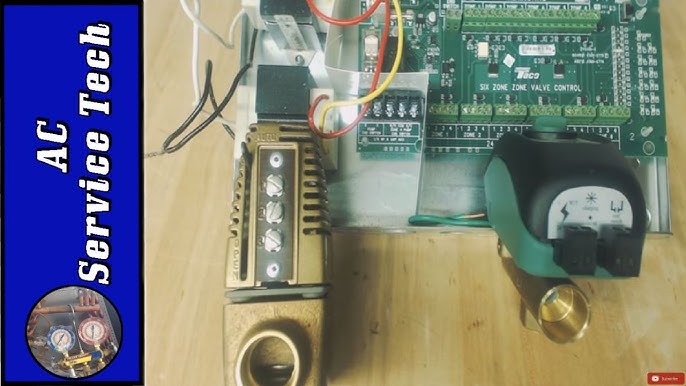
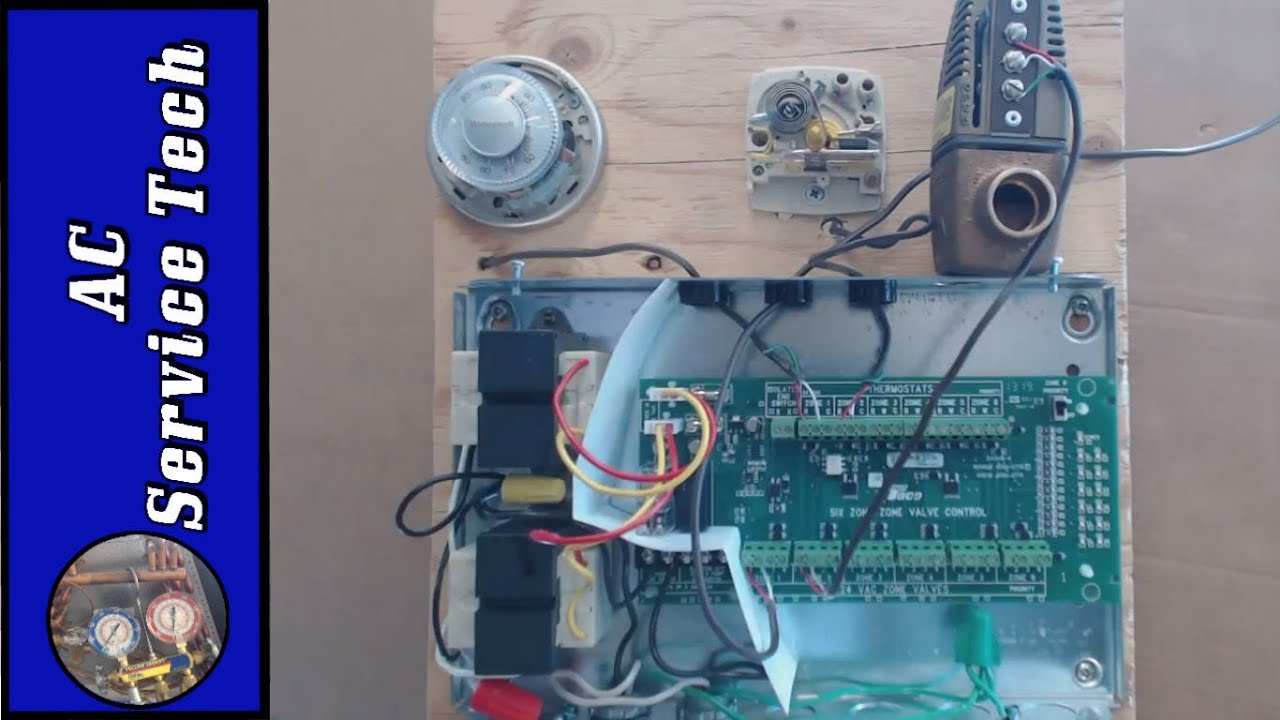
Taco zone valves control hot water flow to heating zones. A 24 VAC signal from a thermostat tells the valve motor to open. An internal end switch then tells the boiler to fire. Some Taco models use a motorized actuator with a cam and lever. Others have a simple motor and end switch assembly. Understanding these parts makes Taco zone valve troubleshooting faster and safer.

Common problems and causes
Tried and true problems show up again and again when doing Taco zone valve troubleshooting.
- Valve does not open when thermostat calls. Often caused by no 24 VAC at the valve, bad wiring, or a burned motor.
- Valve opens but boiler won’t fire. Usually an end switch or wiring issue between the valve and boiler.
- Valve is noisy or sticks. Can be from debris, corrosion, or stripped gears.
- Valve only partially opens. Could be a weak motor or mechanical binding.
- Valve leaks. The valve body, seat, or piping joints may be failing.
These common causes guide what to test first during Taco zone valve troubleshooting.
Tools and safety checklist
Before you start Taco zone valve troubleshooting, gather tools and follow safety steps.
- Tools to have. Multimeter, insulated screwdriver, needle-nose pliers, replacement motor or valve kit, plumber’s tape, and gloves.
- Safety steps. Turn off power to the HVAC zone at the breaker. Close isolation valves if present. Verify the transformer is off before touching wiring. Work in dry conditions.
Good tools and safety habits speed up Taco zone valve troubleshooting and reduce mistakes.

Step-by-step Taco zone valve troubleshooting
Follow these steps in order. Each step rules out one likely cause.
- Confirm the thermostat call
- Put thermostat into heat and confirm it is calling. Feel for clicking or use a meter to check for 24 VAC at the thermostat terminals.
- Check transformer output
- Measure the transformer across R and C. You should see about 24 VAC. No voltage means transformer replacement.
- Verify voltage at valve
- Measure across the zone valve’s control terminals when thermostat calls. If no voltage, trace wiring and junctions.
- Test the motor
- With 24 VAC present and valve not moving, measure motor coil continuity. Open circuit means a bad motor.
- Inspect end switch
- When valve is fully open, the end switch should show continuity between its COM and NO terminals. No continuity means the end switch failed.
- Manually move the actuator
- Use the manual lever to open the valve. If water flows, the problem is motor/actuator rather than piping.
- Look for mechanical binding
- Remove the actuator and inspect for stripped gears, corrosion, or debris inside the valve body.
- Test wiring to boiler
- Confirm the end switch wiring reaches the boiler control and that the boiler has power and proper water pressure.
- Replace parts when necessary
- Replace the actuator or the entire valve body based on damage, cost, and availability.
These steps make Taco zone valve troubleshooting systematic and reliable.

Electrical testing details
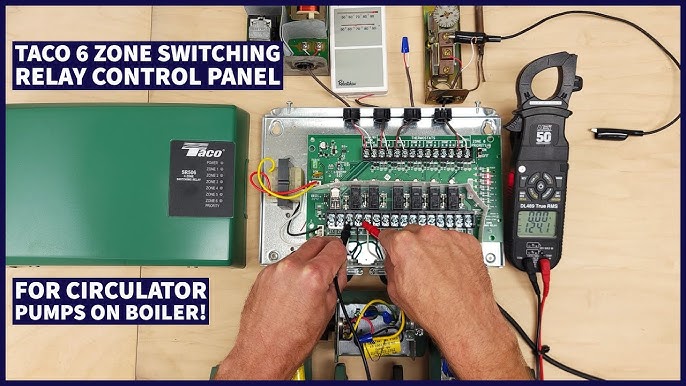
A multimeter is your best friend during Taco zone valve troubleshooting. Keep tests short and simple.
- Measuring AC voltage. Use the meter on VAC. Check transformer primary and secondary, and measure at the valve terminals while the thermostat is calling.
- Continuity checks. Switch the meter to continuity. Check the motor coil for closed loop and check end switch contacts when the valve is open.
- Testing end switches under load. If possible, test the end switch with the boiler circuit connected to ensure it can carry the control current.
Accurate electrical tests save time. I once replaced a motor that looked bad but passed continuity; the end switch was actually intermittent. Always test both.

Mechanical checks and common fixes
Not every Taco zone valve issue is electrical. Mechanical problems are common.
- Manual lever operation. Move the lever to see if the valve opens. If it opens slowly, clean and lubricate moving parts.
- Check for stripped gears. If the lever turns but the valve does not open, the actuator gear may be stripped. Replace the actuator.
- Remove debris. Sediment in the piping can jam the valve. Flush the zone if you see a blockage.
- Re-seat or replace packing. Leaks may need new packing or a valve replacement.
From experience, a quick manual operation often reveals whether the fault is electrical or mechanical.
When to replace the valve or actuator
Sometimes replacement is better than repair. Choose replacement in these cases.
- Repeated failures. If the motor or end switch fails repeatedly, install a new actuator or valve.
- Corrosion or leaks. Replace the valve body if it shows significant corrosion or leak at the seat.
- Parts unavailable. If replacement parts are hard to find, swap the whole valve for reliability.
- Cost-benefit. If the repair cost approaches the cost of a new valve, replace it.
I prefer replacing actuators on older valves to avoid future callbacks. New parts often solve hidden wear issues.

Preventive maintenance tips
Maintain valves to avoid future troubleshooting.
- Cycle valves yearly. Run each zone during startup season to spot problems early.
- Keep system clean. Flush out sediment from the boiler and piping.
- Check wiring at startup. Tighten loose screws and look for corrosion.
- Replace old transformers and actuators proactively if they show wear.
A little maintenance reduces the need for Taco zone valve troubleshooting later.
PAA-style questions
What voltage do Taco zone valves use?
Taco zone valves typically use 24 VAC control voltage from the HVAC transformer. Always verify with a meter.
How do I know the end switch is bad?
If the valve opens but the boiler does not fire, test the end switch for continuity when the valve is fully open. No continuity means it may be bad.
Can I manually open a Taco zone valve?
Yes. Use the manual lever on the actuator to open the valve. This helps isolate electrical faults from mechanical faults.
Is it safe to replace the actuator myself?
Yes, if you shut off power and follow wiring diagrams. If you are not comfortable with electrical work, call a pro.
How long do Taco zone valves last?
With normal use, valves and actuators can last many years. Heavy use or corrosive water shortens life.
Frequently Asked Questions of Taco Zone Valve Troubleshooting
What is the first thing I should check when a valve won’t open?
Check that the thermostat is calling for heat and that the transformer is providing 24 VAC to the valve.
How do I test the end switch on a Taco zone valve?
Open the valve fully and use a multimeter to check for continuity between the end switch terminals; continuity indicates it is working.
Can a bad transformer cause intermittent valve operation?
Yes. A weak or failing transformer can drop voltage and make the valve act oddly or not move at all.
What if the valve opens but the boiler does not turn on?
Verify end switch continuity and wiring from the valve to the boiler. The end switch must close to signal the boiler.
Is it better to replace the actuator or the whole valve?
Replace the actuator if the valve body is sound. Replace the whole valve if there is corrosion, leaks, or repeated failures.
Conclusion
Taco zone valve troubleshooting is a clear, stepwise process. Start with thermostat and transformer checks, move to voltage and continuity tests, and finish with mechanical inspection. Small fixes often restore normal operation. If a part is worn, replacing the actuator or valve prevents future problems. Take action: test your zones today, plan routine checks, and consider upgrading worn parts for peace of mind. Share your experience or questions below and subscribe for more heating system tips.

