

Bmw Troubleshooting Codes help identify fault areas quickly so you can fix issues fast.
I have spent years diagnosing BMWs and writing code guides. This article explains Bmw Troubleshooting Codes clearly. I will show how to read codes, common code meanings, step-by-step fixes, tools to use, and real-world tips from my work on dozens of BMW vehicles. Read on to learn practical steps and avoid costly mistakes when you see a code on your BMW.

36% off Today’s Exclusive Deals
Limited-time Exclusive Deals. Check current discount on Amazon.
Check Price on Amazon As an Amazon Associate I earn from qualifying purchases.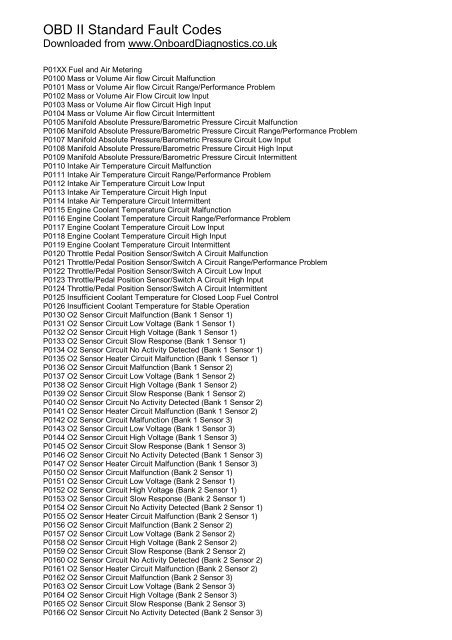
What are Bmw Troubleshooting Codes?
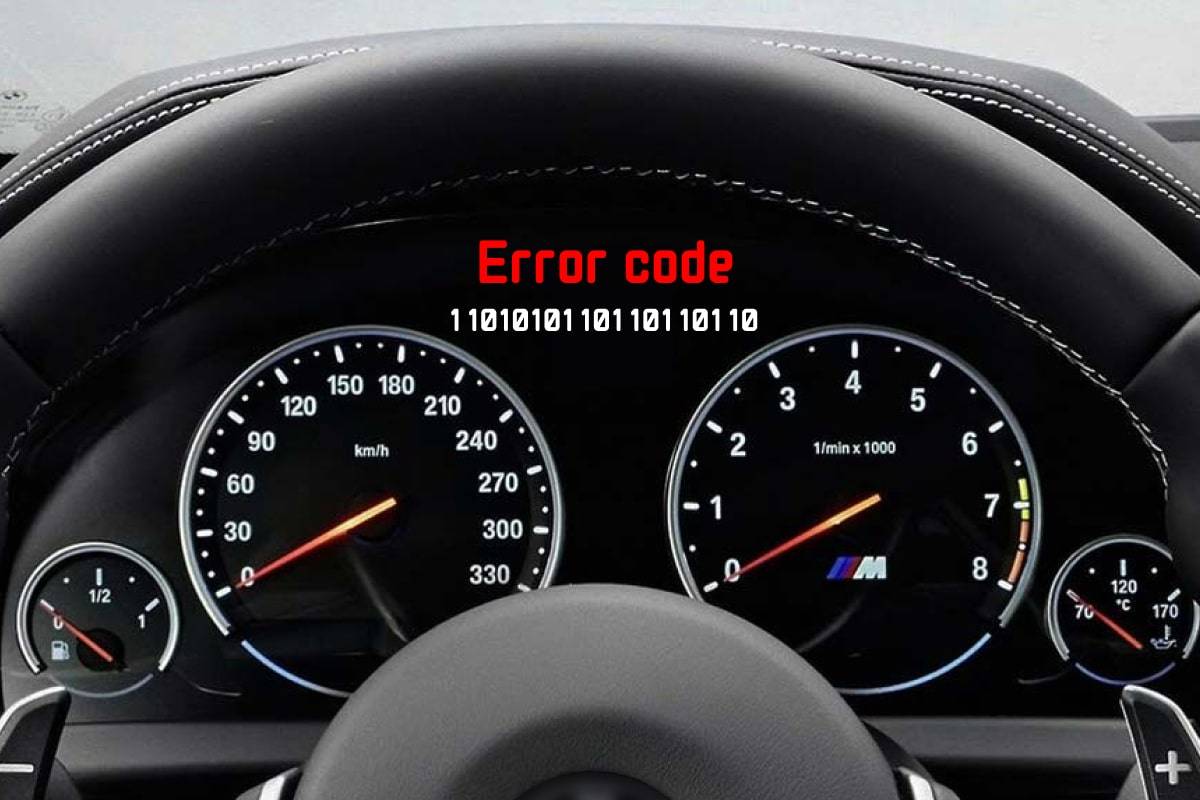
Bmw Troubleshooting Codes are error codes stored by the car's control modules. They show when a sensor, circuit, or system is out of range. Most codes follow OBD-II format. Some are generic and some are specific to BMW modules.
Codes help you find the cause faster than guessing. A code is a starting point. It points to a system or sensor. It does not always name the failed part.
How to read and retrieve Bmw Troubleshooting Codes
Use a scanner to read codes. You can use a simple OBD-II reader or a BMW-specific tool for deeper data.
- Plug the OBD-II scanner into the port under the dash.
- Turn the ignition to ON, but do not start the engine.
- Use the scanner to read active and stored codes.
- Note freeze-frame data and live values when available.
- Clear codes only after repairs and then test drive to see if they return.
Reading live data is often more useful than just the code. Live data shows sensor values while you recreate the fault. Freeze frame helps capture conditions when the code set.

Common Bmw Troubleshooting Codes and what they mean
Here are common entries you will see when working on BMWs and what to check first.
-
P0300, P0301-P0306: Random or cylinder misfire
- Causes: bad spark plugs, coil pack, vacuum leak, low fuel pressure.
- Fix: inspect ignition parts, check fuel, perform compression test.
-
P0171 / P0174: System too lean (bank 1 / bank 2)
- Causes: intake leak, faulty MAF, bad fuel pressure, vacuum leak.
- Fix: check intake boot, MAF cleaning or replacement, inspect fuel system.
-
P0101: Mass air flow sensor performance
- Causes: dirty MAF, wiring issue, intake leak.
- Fix: clean MAF, inspect connectors, test sensor voltage.
-
P0420: Catalyst system efficiency below threshold
- Causes: failing catalytic converter, bad O2 sensors, coolant leak.
- Fix: test O2 sensors, check exhaust, replace converter if needed.
-
P0455 / P0442: EVAP large or small leak
- Causes: loose gas cap, cracked hose, bad purge valve.
- Fix: check gas cap, do smoke test on EVAP lines, replace faulty parts.
-
P0128: Coolant thermostat temperature below threshold
- Causes: stuck open thermostat, sensor issue.
- Fix: replace thermostat, confirm correct temperature reading.
-
P0507: Idle control system RPM higher than expected
- Causes: intake leak, dirty throttle, faulty IAC or stepper motor.
- Fix: inspect intake, clean throttle body, test idle control device.
These codes repeat on many BMW models. Treat each as a clue, not a final verdict.

Troubleshooting process and best practices
Follow a methodical approach to solve Bmw Troubleshooting Codes. This saves time and money.
- Verify the code by re-reading with a scanner and noting live data.
- Reproduce the issue safely to watch data change in real time.
- Inspect basic items first: fuses, connectors, grounds, and vacuum lines.
- Perform non-destructive tests before replacing parts.
- Replace sensors only after checking wiring and power/ground.
A real example from my shop: I chased a P0101 code for hours. The MAF cleaned fine but the code came back. I then found a torn intake boot. Fixing the boot stopped the code. Lesson learned: check hoses and clamps first.

Tools and apps for diagnosing Bmw Troubleshooting Codes
The right tools make the job faster and less guesswork. Here are tools I use and recommend.
- Basic OBD-II scanner for generic codes and clearing.
- Bluetooth OBD adapter plus smartphone app for live data on the go.
- BMW-specific diagnostic app or tool for module-level codes and adaptations.
- Multimeter for checking voltage, ground, and sensor signals.
- Fuel pressure gauge for fuel-related codes.
- Smoke machine to find intake and EVAP leaks.
- Repair manual or factory data for wiring diagrams and pinouts.
Use the simplest tool that gives reliable data. For deep BMW systems, a factory-level tool or trusted app can save hours.
Preventive maintenance to reduce Bmw Troubleshooting Codes
Many codes are avoidable with basic care. Preventive work keeps sensors and systems healthy.
- Change air and fuel filters on schedule to protect sensors.
- Replace spark plugs and ignition coils as BMW recommends.
- Clean or replace the MAF sensor when dirty readings appear.
- Use quality fuel and keep the fuel system clean.
- Fix oil leaks and coolant leaks early to avoid sensor damage.
- Inspect intake boots and hoses routinely for cracks or loose clamps.
A little care helps prevent many common Bmw Troubleshooting Codes and keeps your BMW reliable.
Quick questions about Bmw Troubleshooting Codes
How long does it take to diagnose a code?
A simple code can take 10–30 minutes. Complex faults may take hours. Time depends on data, tests, and access.
Can I clear a code and drive without fixing it?
You can clear a code, but it will likely return if the issue remains. Clearing hides the problem briefly and may mask a safety issue.
Is a single code enough to replace a part?
No. One code should guide testing. Replace parts only after confirming the failure with data or tests.
Frequently Asked Questions of Bmw Troubleshooting Codes
What is the difference between active and stored codes?
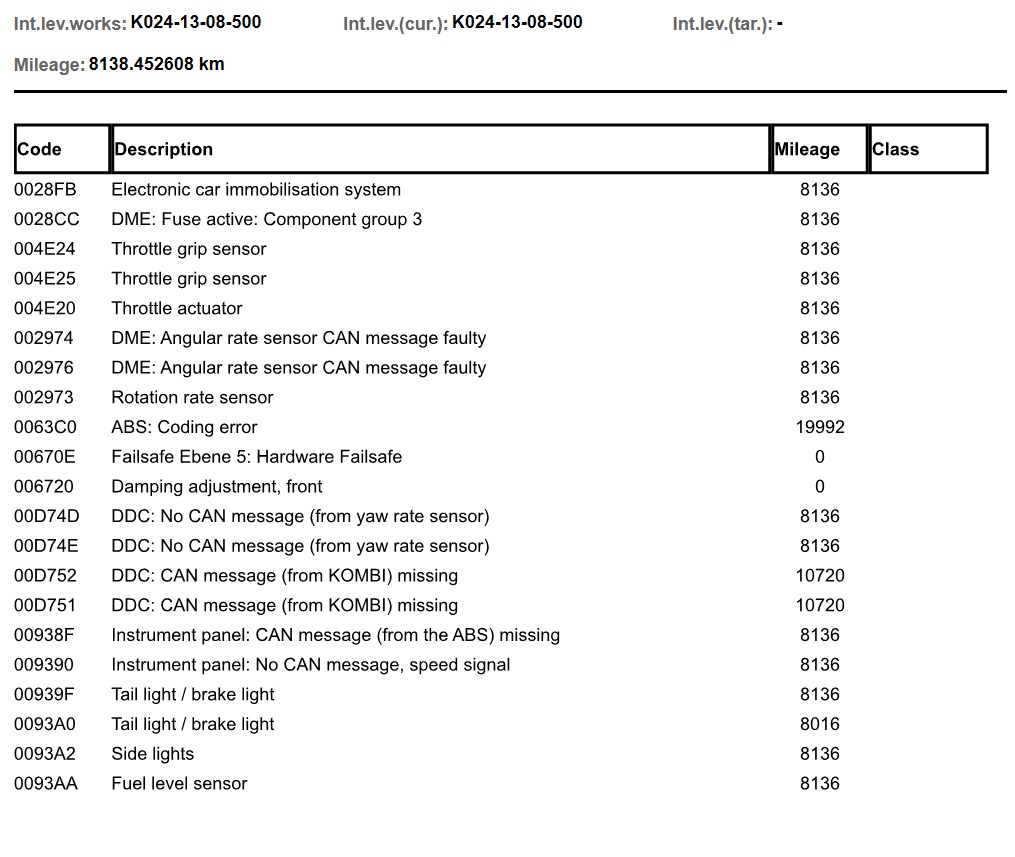
Active codes point to issues currently happening. Stored codes are past faults saved in memory. Both can help with diagnosis.
Can cheap OBD-II scanners read BMW-specific codes?
Basic scanners read generic OBD-II codes. BMW-specific modules may need advanced tools or apps to read manufacturer codes and live module data.
Why did a code return after I replaced a sensor?
A code can return if wiring, grounds, or related parts are still bad. Also, the wrong part or poor installation can cause the problem to persist.
How do I know if a code is serious?
Codes tied to engine, brake, or emissions systems deserve quick attention. Check if the car runs poorly or shows warning lights. Treat driveability and safety codes as urgent.
Should I disconnect the battery to clear codes?
Disconnecting the battery can clear some codes but may reset adaptations and radios. Use a scanner to clear codes and preserve data when possible.
Conclusion
Bmw Troubleshooting Codes are powerful tools to find faults fast. Read codes with the right tools. Use live data, inspect basics, and test before replacing parts. My practical tip: trust the data, check hoses and grounds first, and save part swaps until confirmed. Start diagnosing with care, learn as you go, and turn codes into quick fixes rather than guesswork.
Take action: try reading your BMW's codes with a reliable scanner, follow the steps above, and share your results or questions in the comments to get help.

