

Running a restaurant means making hundreds of choices every day. Some decisions, like choosing an ice maker, may seem simple but can affect everything from drink quality to customer satisfaction. One brand you will come across is Atosa, known for affordable commercial kitchen equipment. But is an Atosa ice maker really worth buying for your restaurant? Let’s break down what these machines offer, how they compare to other brands, and whether they truly fit the needs of busy food service businesses.
Why Ice Makers Matter For Restaurants
Many restaurant owners only realize the importance of a reliable ice maker when their current unit stops working during a busy dinner rush. Ice is not just for drinks—it keeps food cold in buffets, chills seafood, and adds a professional touch to cocktails. A good ice maker can:

36% off Today’s Exclusive Deals
Limited-time Exclusive Deals. Check current discount on Amazon.
Check Price on Amazon As an Amazon Associate I earn from qualifying purchases.- Ensure a constant supply of clean, fresh ice
- Reduce labor by automating ice production
- Maintain food safety by preventing ice shortages
- Improve the taste and appearance of beverages
Choosing the right brand and model is a key investment, not just a kitchen afterthought.
Atosa: The Brand At A Glance
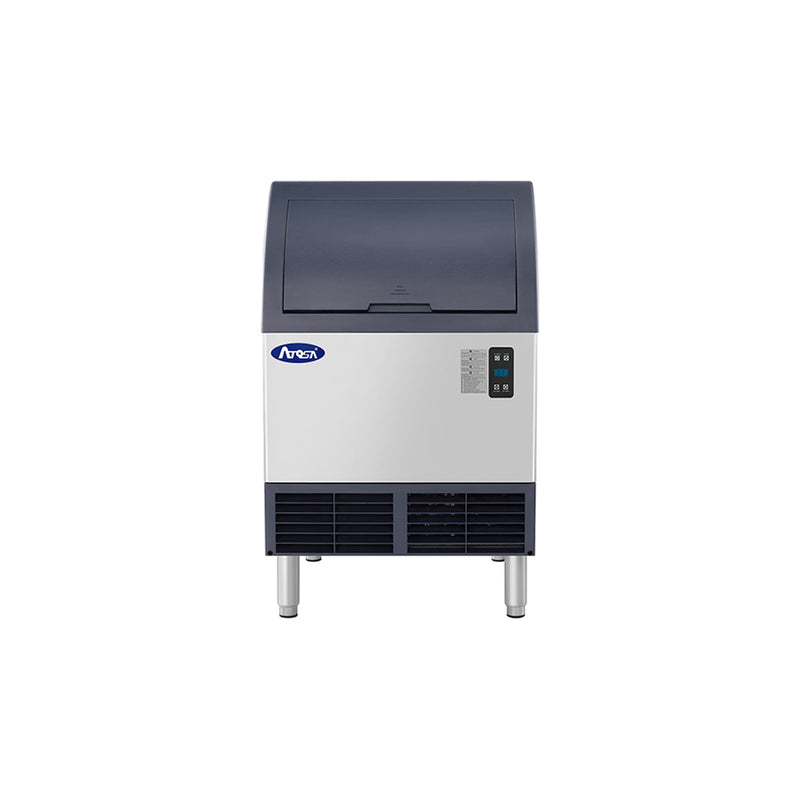
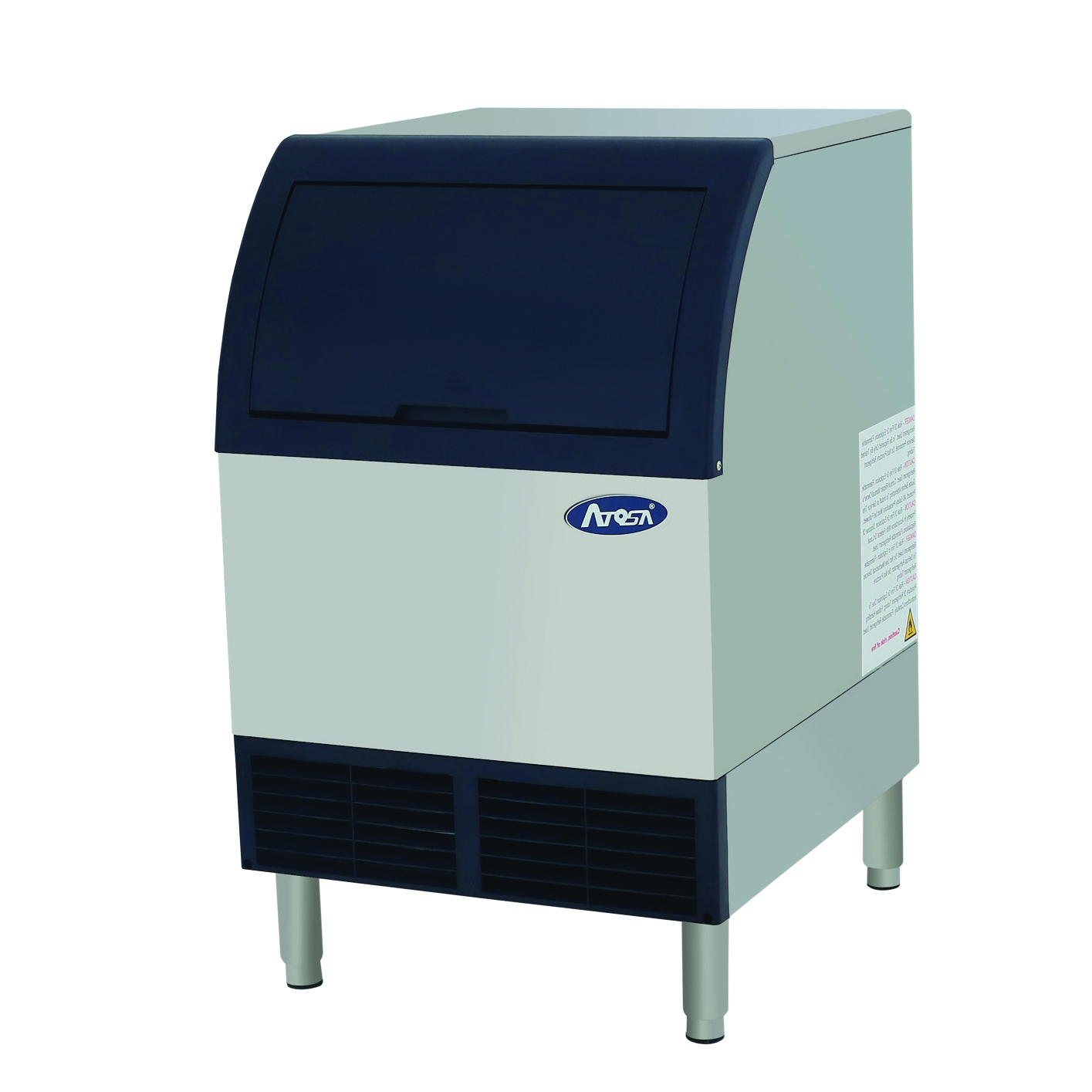
Atosa is a China-based company that produces commercial kitchen equipment, including ice makers, refrigerators, and prep tables. Their products are popular in small to medium restaurants, cafes, and bars because they are often more affordable than big-name brands like Hoshizaki or Manitowoc.
Some facts about Atosa ice makers:
- Most models are NSF certified for food safety
- They use stainless steel exteriors for easy cleaning
- Production capacities range from 50 to 400+ pounds of ice per day
- Most units come with a one- or two-year parts and labor warranty
But price is only part of the story. Let’s look deeper at what you get with an Atosa machine.
Key Features Of Atosa Ice Makers
When considering if an Atosa ice maker is worth it for your restaurant, you’ll want to look at the main features that matter.
Production Capacity
Atosa offers a range of units with daily production capacities such as:
- Small: 50–100 lbs per day (good for coffee shops or small bars)
- Medium: 150–300 lbs per day (fits most small to medium restaurants)
- Large: 400+ lbs per day (for high-traffic venues)
It’s important to match the machine’s output to your busiest day, not just your average. Running out of ice during a rush can harm your reputation.
Ice Types
Most Atosa models produce cubed ice, which melts slowly and works well for soft drinks, cocktails, and food displays. Some models offer bullet-shaped ice, which is softer and better for blended drinks.
Build Quality
The main construction is stainless steel, which resists rust and is easy to sanitize. However, some users find the internal plastic parts less robust than those in more expensive brands.
Controls And Display
Many Atosa machines feature simple digital controls for adjusting ice size and monitoring errors. Some have self-cleaning cycles, which help reduce maintenance time.
Energy And Water Efficiency
Atosa ice makers are generally energy efficient but may not meet the highest ENERGY STAR ratings. Water usage is typical for their class, but not exceptional.
Comparing Atosa To Competing Brands
How does Atosa stack up against other commercial ice maker brands? Here’s a comparison of Atosa, Hoshizaki, and Manitowoc—two industry leaders—focusing on mid-range models (about 250 lbs/day production).
| Brand | Production Capacity | Typical Price | Warranty | NSF Certification |
|---|---|---|---|---|
| Atosa | 250 lbs/day | $1,300–$2,000 | 1–2 years | Yes |
| Hoshizaki | 250 lbs/day | $2,500–$4,000 | 3 years | Yes |
| Manitowoc | 250 lbs/day | $2,200–$3,800 | 3 years | Yes |
You’ll notice that Atosa is usually less expensive, but the warranty is shorter and long-term parts availability may be more limited.
The Real Cost Of Ownership
Price is not the only thing to consider when buying an ice maker. Here’s what else you must factor in:
- Installation Costs: Atosa units are relatively simple to install, but you may still need a plumber for water line and drainage setup.
- Maintenance: Most Atosa machines have a self-cleaning function, but manual cleaning is still necessary. Replacement filters and cleaning chemicals add to long-term costs.
- Repairs and Parts: While Atosa parts are available, they may not be as fast to source as those for bigger brands, especially in the US. Downtime can be costly for busy restaurants.
- Energy and Water Use: Over five years, higher energy or water use can add hundreds of dollars to your operating costs, even if the machine is cheaper up front.
Here’s a rough five-year cost estimate for a mid-sized ice maker:
| Brand | Purchase Price | Estimated Maintenance | Estimated Energy/Water | Total 5-Year Cost |
|---|---|---|---|---|
| Atosa | $1,600 | $800 | $1,200 | $3,600 |
| Hoshizaki | $3,000 | $600 | $950 | $4,550 |
Atosa still wins on up-front price, but over time, the gap narrows due to higher maintenance and running costs.
Pros Of Atosa Ice Makers
Let’s highlight what Atosa does well:
- Affordable: Usually 30–50% less expensive than big brands
- Decent build quality: Stainless steel exterior is easy to clean
- Simple controls: No complicated menus or features to confuse staff
- Fast production: Most models reach full ice output within hours
- NSF certified: Meets food service sanitation requirements
For restaurants on a tight budget, Atosa is an appealing choice, especially for new businesses or those replacing an older ice maker in a hurry.

Cons Of Atosa Ice Makers
But there are some trade-offs to consider:
- Shorter warranty: Usually 1–2 years, compared to 3 or more for top brands
- Parts availability: Some repair parts may take longer to arrive
- Less reputation: Atosa is newer in the US market, so long-term reliability is less proven
- Noise level: Some users report Atosa models are slightly louder during operation
- No specialty ice: If you need nugget, flake, or gourmet ice, Atosa may not offer suitable models
Most importantly, if uptime and long-term reliability are critical, higher-end models may offer more peace of mind.
What Restaurant Owners Say
To get a sense of real-world performance, it’s helpful to look at owner feedback. Reviews from restaurant operators often highlight the following:
- “Great value for the price. We got an Atosa for our bakery and it hasn’t failed us in two years.”
- “Installation was easy, but we had to wait a week for a replacement part.”
- “Ice quality is good, but machine is a bit noisy when cycling.”
- “Perfect for our small bar, but I wouldn’t use it in a high-end steakhouse.”
This matches what you’d expect: Atosa works best for budget-focused restaurants, small operations, and businesses willing to trade a bit of brand prestige for savings.
When An Atosa Ice Maker Makes Sense
Based on all the above, when is Atosa a smart buy for a restaurant?
- Starting a new restaurant: If your budget is tight and every dollar matters, Atosa gives you commercial-grade ice making at a much lower price.
- Expanding a small operation: For a coffee shop, small bar, or café, Atosa’s ice output is usually enough, and the savings free up cash for other needs.
- Backup or secondary ice maker: Some restaurants use an Atosa as a backup unit, ensuring they never run out of ice during peak periods.
However, if you run a fine dining restaurant, a seafood house, or any place where ice quality and uptime are mission-critical, investing in a top-tier brand may be a safer bet.
Two Insights That Beginners Often Miss
- Water Quality Really Matters: No matter how good your ice maker is, poor water quality will lead to cloudy ice, frequent clogs, and faster breakdowns. Always install a water filter with your ice maker, and replace it on schedule. Many first-time buyers forget this, leading to unnecessary repairs.
- Size for Your Peak Day, Not Your Average: Many owners buy a machine based on their average daily usage, then run out of ice during holidays or events. Always choose a model that can handle your busiest day, plus a 20% buffer for unexpected demand.
Practical Tips For Buying And Using An Atosa Ice Maker
If you decide to go with Atosa, here are some actionable tips:
- Measure Your Space: Atosa ice makers come in various sizes. Make sure you have enough room for installation, ventilation, and easy access for cleaning.
- Check Electrical Needs: Most Atosa models run on standard 110V outlets, but larger units may need 220V. Double-check before buying.
- Plan for Drainage: Every ice maker needs a floor drain. If you don’t have one nearby, installation costs can rise.
- Order Replacement Filters in Advance: Having water filters on hand prevents downtime and keeps ice quality high.
- Follow Cleaning Schedule: Even with a self-cleaning feature, deep clean your machine every few months. This prevents mold, slime, and off-flavors.
Atosa Vs Other Value Brands
Some restaurant owners consider other budget brands like KoolMore, Vevor, or Maxx Ice. Here’s how Atosa compares:
| Brand | Price Range | Warranty | NSF Certification | Ice Types |
|---|---|---|---|---|
| Atosa | $1,200–$2,200 | 1–2 years | Yes | Cube, Bullet |
| KoolMore | $900–$1,900 | 1 year | Some models | Cube |
| Vevor | $800–$1,500 | 6 months–1 year | No | Cube |
Atosa stands out by offering more NSF-certified models and slightly better warranties than many ultra-budget brands, making it a safer pick for commercial food service environments.
Common Mistakes When Buying A Restaurant Ice Maker
Avoid these errors many first-time buyers make:
- Ignoring Local Codes: Health departments often require NSF-certified equipment. Double-check before you buy.
- Underestimating Peak Demand: Always size up, not down.
- Skipping Water Filtration: Hard water will ruin any machine, even premium brands.
- Not Planning Maintenance: Regular cleaning and filter changes are essential for performance and safety.
- Focusing Only on Price: The cheapest ice maker may cost more in repairs and downtime later.
Who Should Avoid Atosa Ice Makers?
While Atosa offers great value, they are not for everyone. You should think twice if:
- You operate a high-volume, upscale restaurant where ice quality and machine uptime are critical
- You need specialty ice types (nugget, flake, gourmet)
- You want the longest possible warranty and fastest parts service
- Your kitchen operates in a very hot or demanding environment (some premium brands handle heat and heavy use better)
In these cases, a more expensive but proven brand may be a smarter investment.
When Atosa Is The Best Value
If you are launching a new restaurant, expanding with a second location, or replacing an old unit on a budget, Atosa is often the best value for your money. The combination of NSF certification, stainless steel build, and low price is hard to match. Just go in with clear expectations—be ready for a slightly higher chance of downtime and plan for maintenance.
Where To Buy And What To Look For
Atosa ice makers are sold through restaurant supply stores, online retailers, and equipment dealers. When shopping:
- Look for authorized dealers to ensure warranty coverage
- Check for NSF and ETL certifications if required by your health department
- Ask about delivery and installation options
- Read real owner reviews to catch common issues
If you want to compare models and specifications, the Atosa USA official website is a good starting point.
Frequently Asked Questions
How Much Ice Does A Typical Atosa Ice Maker Produce Per Day?
Most Atosa models produce between 50 and 400 pounds of ice per day. Small models (50–100 lbs) are good for cafes or bars, while larger models (300+ lbs) suit busy restaurants. Always size your machine for your busiest day plus a safety margin.
Are Atosa Ice Makers Nsf Certified?
Yes, most Atosa commercial ice makers are NSF certified. This means they meet food safety and sanitation standards required by many local health departments. Always check your specific model to confirm certification.
How Often Should I Clean An Atosa Ice Maker?
Clean your Atosa ice maker at least every 3–6 months. This includes descaling, sanitizing, and changing water filters. In high-use settings or with hard water, more frequent cleaning may be needed to prevent bacteria or mold growth.
What Is The Warranty On Atosa Ice Makers?
Most Atosa ice makers come with a one- or two-year parts and labor warranty. This is shorter than some top brands, but typical for the price range. Always register your product and keep purchase records to ensure coverage.
Where Can I Find Replacement Parts For Atosa Ice Makers?
Replacement parts are available through authorized Atosa dealers and restaurant equipment suppliers. Shipping may take a few days, especially for less common parts. Having key spares like water filters on hand helps prevent downtime.
A quality ice maker is a quiet hero in any restaurant. For those balancing startup costs and reliability, Atosa ice makers offer real value—if you go in with clear expectations. By sizing your machine correctly, planning for regular maintenance, and considering both upfront and long-term costs, you can keep your restaurant running smoothly and your drinks perfectly chilled.

