

If your Liebherr ice maker isn’t working right, you’re not alone. Many people face issues with their ice makers, and it can feel frustrating—especially when you need ice on a hot day or for a party. The good news is that most problems are easy to fix with a little guidance. This article will help you understand common ice maker problems, how to troubleshoot them, and when to call for help. You’ll also find tips that many new owners miss and step-by-step solutions to get your Liebherr ice maker working again.
How Liebherr Ice Makers Work
Before starting with troubleshooting, it’s helpful to understand how these machines make ice. Most Liebherr ice makers use an automatic system inside the freezer. Water flows into a tray, freezes, and then a motor pushes the ice cubes into a storage bin. Sensors control the water flow and ice production. If any part of this process fails, the ice maker may stop working or make less ice.

36% off Today’s Exclusive Deals
Limited-time Exclusive Deals. Check current discount on Amazon.
Check Price on Amazon As an Amazon Associate I earn from qualifying purchases.Key Components
- Water inlet valve
- Ice tray
- Ice bin
- Sensors and switches
- Motor and gears
Understanding these parts helps you pinpoint where problems might start.
Common Problems And How To Diagnose Them
Some ice maker issues are simple, while others are more complex. Here are the most frequent problems, with advice for diagnosing each one.
1. Ice Maker Not Making Ice
If your ice maker is not producing ice at all, check these areas:
- Power supply: Make sure the freezer is plugged in and the circuit breaker is not tripped.
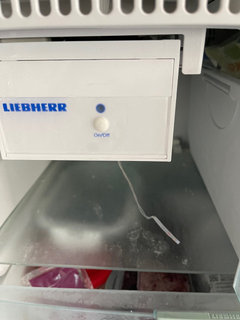
- Ice maker switch: Some models have a small switch or arm to turn the ice maker on/off. Make sure it’s on.
- Water supply: Is the water line connected? Kinks or blockages can stop water flow.
- Freezer temperature: Ice makers need the freezer below 18°F (-8°C).
2. Small Or Misshapen Ice Cubes
If your ice cubes are smaller than usual or oddly shaped, consider:
- Low water pressure: Check the water supply valve. It should be fully open.
- Clogged filter: Replace or clean the filter if it’s old.
- Partially frozen water line: Ice buildup in the line can limit water flow.
3. Ice Maker Is Leaking
Water leaks can create a mess and even damage your kitchen. Causes include:
- Improper leveling: The fridge must be level for water to flow correctly.
- Loose connections: Check the water line and connections for leaks.
- Cracked ice tray: Inspect the tray for damage.
4. Ice Tastes Or Smells Bad
Strange-tasting ice can ruin drinks. Likely reasons:
- Dirty water filter: Replace every six months.
- Dirty ice bin: Wash with mild soap and water.
- Odors in freezer: Cover strong-smelling foods.
5. Ice Maker Is Noisy
Some noise is normal, but loud sounds can signal trouble:
- Ice dropping: Normal, but should not be constant.
- Grinding or clicking: May indicate a faulty motor or jammed ice.
- Water hammer: Happens if water pressure is too high.
Step-by-step Troubleshooting Guide
Let’s walk through clear steps to solve the most common Liebherr ice maker issues.
Step 1: Check Power And Controls
- Make sure the refrigerator is plugged in.
- Test the outlet with another device.
- Confirm the ice maker switch is ON.
Step 2: Inspect The Water Supply
- Find the water line behind the fridge.
- Make sure the valve is open.
- Look for kinks or bends in the line.
- Remove the line and let water run into a bucket to check flow.
Step 3: Set Freezer Temperature
- Use a thermometer to check the freezer.
- Adjust the control to keep it at or below 0°F (-18°C).
- Wait 24 hours after changes for the ice maker to respond.
Step 4: Replace Or Clean The Water Filter
- Find the filter (usually inside the fridge or at the base).
- Twist and remove it.
- Replace with a new one or clean if reusable.
- Run a few cycles and discard the first batches of ice.
Step 5: Examine The Ice Maker Mechanism
- Remove the ice bin.
- Check for ice jams or cubes stuck in the tray.
- Use warm water to melt any stuck ice—never use sharp objects.
Step 6: Reset The Ice Maker
- Some models have a reset button—check your manual.
- If not, unplug the refrigerator for 5 minutes, then restart.
- Wait a few hours to see if ice production resumes.
Step 7: Check For Leaks
- Inspect all water connections.
- Tighten loose fittings.
- Replace cracked water lines.
Step 8: Clean The Ice Bin And Tray
- Wash with mild soap and warm water.
- Rinse thoroughly to remove soap.
- Dry before replacing.
When To Call A Professional
Not all problems can be solved at home. Contact a qualified technician if:
- The ice maker is still not working after basic checks.
- There is water leaking inside the fridge or onto the floor.
- You hear constant loud noises.
- You notice electrical smells or see sparks.
Professional help is also needed if you suspect a broken motor or faulty wiring.
Data Table: Common Issues And Quick Solutions
Here’s a quick reference for the most frequent problems and what usually fixes them.
| Problem | Likely Cause | Quick Solution |
|---|---|---|
| No ice production | Water supply off, ice maker switch off | Turn water and switch on |
| Small ice cubes | Low water pressure, clogged filter | Check pressure, change filter |
| Leaking water | Loose connections, unlevel fridge | Tighten connections, level appliance |
| Bad taste/smell | Dirty filter or bin, freezer odors | Replace filter, clean bin |
| Noisy operation | Jammed ice, faulty motor | Clear jam, call technician |
Uncommon Problems And Advanced Checks
While most issues are easy to spot, there are a few less obvious ones that can confuse even experienced users.
Sensor Malfunctions
Some Liebherr ice makers have sensors to detect the ice level. If a sensor fails, the machine might think the bin is full and stop making ice. You may need a technician to test and replace faulty sensors.
Frozen Water Line
If the water line inside the freezer freezes, no water can reach the tray. Carefully thaw the line with a hairdryer on low heat—never use sharp objects or high heat.
Control Board Failure
Modern ice makers use electronic control boards. If the board fails, the ice maker may behave oddly or stop working. This repair requires expertise and should not be attempted without proper training.
Maintenance Tips To Prevent Future Problems
Keeping your Liebherr ice maker in good shape helps avoid breakdowns. Here are practical maintenance tips:
- Change the water filter every 6 months or as recommended.
- Clean the ice bin monthly to prevent odor and bacteria.
- Check water lines for leaks or blockages during routine cleaning.
- Level the refrigerator after moving it to a new spot.
- Listen for unusual noises—catching problems early prevents major repairs.
Comparison Table: Diy Fixes Vs. Professional Service
Some repairs are safe for owners, while others need experts. The table below compares what you can do at home versus what requires a technician.
| Issue | DIY Fix | Professional Help Needed |
|---|---|---|
| Changing water filter | Yes | No |
| Clearing ice jams | Yes | No |
| Fixing leaks in water line | Yes, if minor | Yes, if major |
| Sensor replacement | No | Yes |
| Control board repair | No | Yes |

Cost Of Common Repairs
Knowing the average cost of repairs can help you decide whether to fix it yourself or call a pro.
| Repair | Estimated Cost (USD) |
|---|---|
| Water filter replacement | $20–$50 |
| Water line repair | $70–$150 |
| Sensor replacement | $90–$200 |
| Control board replacement | $180–$400 |
| Professional diagnosis | $50–$100 |
Two Non-obvious Insights
Many owners overlook these important points:
- Filter problems can cause leaks: If the water filter isn’t installed correctly, it can let water leak inside the fridge or on the floor—so always check the filter if you see water.
- Power surges can reset the ice maker: If your home has a brief power outage or surge, the ice maker’s control board may reset. Unplug the fridge for five minutes and plug it back in to restore normal function.
Where To Find More Help
If you need more details or your model has unique features, visit the official Liebherr USA website for manuals and support.
Frequently Asked Questions
Why Is My Liebherr Ice Maker Producing Less Ice Than Before?
This usually means low water pressure, a clogged water filter, or the freezer temperature is too high. Check these first. If all are fine, the ice maker may need cleaning or there could be a mechanical issue.
How Often Should I Change The Water Filter In My Liebherr Ice Maker?
Change the water filter every six months or when you notice a change in ice taste or production. Clean water means better ice and fewer problems.
Can I Use Tap Water In My Liebherr Ice Maker?
You can, but filtered water is better. Tap water sometimes contains minerals or chlorine that can affect ice taste and cause scale buildup inside the machine.
What Should I Do If My Ice Maker Makes Loud Noises?
First, check for ice jams or cubes stuck in the tray. If noise continues, it could mean a motor problem or a failing sensor. Call a technician if you can’t find an obvious problem.
Is It Safe To Repair An Ice Maker Myself?
Basic fixes like changing the filter or clearing jams are safe for most people. For electrical repairs, leaks inside walls, or replacing sensors, always call a professional technician.
Getting your Liebherr ice maker back to normal doesn’t have to be stressful. With a bit of careful troubleshooting and regular maintenance, you can enjoy clean, fresh ice for years. Remember to check the basics first and don’t hesitate to seek expert help for complex problems.


