

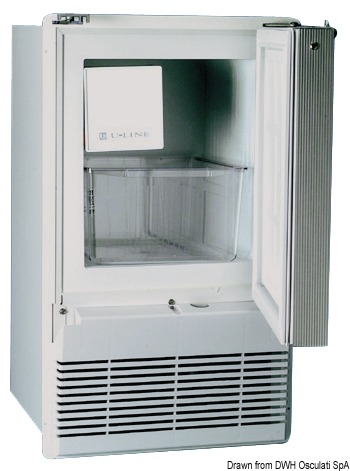
If you own a U Line ice maker, you know how helpful it is, especially during hot summers or family gatherings. But like any home appliance, ice makers can sometimes stop working as they should. You may find that your machine is not making ice, making too much ice, leaking water, or making strange noises. These problems can be frustrating, but many issues are simple to fix without calling a technician. This guide will help you understand common U Line ice maker problems, how to troubleshoot them, and when to seek professional help. If you want to keep your ice maker running smoothly, read on for practical tips and solutions.
Common Problems With U Line Ice Makers
U Line ice makers are known for their reliability, but some problems happen more often than others. Here are the main issues users face:

36% off Today’s Exclusive Deals
Limited-time Exclusive Deals. Check current discount on Amazon.
Check Price on Amazon As an Amazon Associate I earn from qualifying purchases.- No ice production
- Ice maker not turning on
- Ice melting inside the bin
- Ice cubes are too small or misshaped
- Machine leaking water
- Unusual noises
- Ice tastes or smells bad
- Ice production is slow
Let’s look at each problem in detail, with step-by-step advice on how to fix them.
Ice Maker Not Making Ice
If your U Line ice maker is not making ice at all, don’t panic. This is one of the most common complaints, and often the solution is simple.
Power And Connection Checks
First, confirm that the machine is plugged in and the power switch is turned on. Check your home’s circuit breaker or fuse box if there’s no power.
Water Supply Issues
An ice maker needs water to work. Make sure the water supply valve is open. If you recently moved the unit, the water line may have a kink or blockage. Straighten any bent hoses and clean filters if needed.
Control Settings
Some models have a control arm or switch that pauses ice production. Make sure it’s set to “on” or “ice.”
Non-obvious insight: Sometimes, a small piece of ice can get stuck in the mechanism, blocking the next ice cycle. Remove the bin and check for obstructions.
Temperature Setting
U Line ice makers need to stay cold to make ice. If the freezer compartment or surrounding temperature is too warm (above 45°F), ice production can stop. Adjust the temperature control to a colder setting and wait a few hours.

Ice Maker Not Turning On
If your machine is completely unresponsive, here are the steps to diagnose the cause.
Electrical Outlet
Plug another device (like a lamp) into the outlet to confirm it’s working. If not, reset the circuit breaker.
Power Cord And Switch
Inspect the power cord for damage. Try toggling the power switch a few times. If the machine still won’t turn on, the internal control board or fuse might be faulty.
Practical tip: Unplug the ice maker for five minutes, then plug it back in. This can sometimes reset the system.
Ice Melting Inside The Bin
If you notice a puddle of water or melted ice inside your unit, the problem is likely temperature-related.
Door Seal
Check the gasket around the door. If it’s dirty or damaged, warm air can leak in and melt the ice. Clean the gasket and replace it if it’s cracked.
Ambient Temperature
If the ice maker is in a hot location (like next to an oven), it may struggle to keep ice frozen. Try moving the unit or improving ventilation.
Defrost Cycle
Most U Line ice makers have a defrost cycle. During this time, some melting is normal, but it should not cause a pool of water.

Ice Cubes Too Small Or Misshaped
Tiny, hollow, or oddly shaped ice cubes usually point to a water supply problem.
Water Pressure
Low water pressure makes small or hollow ice. The ideal pressure is 20–120 psi. If your home has low water pressure, you may need a booster pump.
Water Filter
A clogged water filter can limit flow. Replace the filter every 6–12 months.
Ice Mold Issues
Mineral buildup on the ice mold can make ice cubes stick or form incorrectly. Descale the ice maker with a vinegar-water solution, then run a few cycles to rinse.
Machine Leaking Water
Leaks are usually due to loose connections or blocked drains.
Water Line Connections
Inspect all hoses and connections for leaks. Tighten any loose fittings.
Drain Blockage
Most models have a drain tube to remove excess water. A clogged drain can cause water to back up inside. Clean the drain with a small brush or pipe cleaner.
Leveling
If the ice maker is not level, water can spill instead of draining. Use a spirit level to check and adjust the feet.
Unusual Noises
Some noise is normal, but loud or strange sounds can mean trouble.
Common Sounds
- Humming or clicking: Usually the compressor or water valve.
- Grinding or rattling: Ice jam or motor issue.
Solutions
Remove the ice bin and check for stuck ice or foreign objects. Clean out any debris.
Fan Issues
If you hear a loud buzzing, the fan could be blocked by dust. Clean the fan area carefully.
Non-obvious insight: If the noise started after moving the machine, check that it’s not touching the wall or cabinets, which can cause vibrations.
Ice Tastes Or Smells Bad
Nobody wants bad-tasting ice in their drink. This is often due to dirty filters or stale water.
Filter Replacement
Change the water filter regularly. Old filters can let odors and particles through.
Cleaning
Clean the bin with warm water and mild soap every few months. Rinse well to avoid soap taste.
Water Source
If your tap water has a strong taste or smell, consider using a water filter at the source.
Slow Ice Production
If your ice maker is working, but slowly, here’s what to check.
Temperature
Colder settings make ice faster. Aim for 34–38°F inside the machine.
High Demand
If you are using ice faster than the machine can make it, production may seem slow. Check your model’s daily output in the manual.
Maintenance
Regular cleaning and filter changes help the machine run at top speed.
Error Codes And Their Meanings
Modern U Line ice makers have a display panel that shows error codes. Here are some common codes and what they mean:
| Error Code | Meaning | Suggested Action |
|---|---|---|
| EC 01 | Water supply error | Check water line and valve |
| EC 02 | High temperature | Check for blocked vents, move unit |
| EC 03 | Ice bin full | Empty bin and reset |
| EC 04 | Drain issue | Clean drain tube |
If your model displays a different code, check the user manual or the official U Line website.
Regular Maintenance Tips
A little maintenance goes a long way in preventing problems.
- Clean the unit every 2–3 months with warm, soapy water.
- Replace the water filter every 6–12 months.
- Descale the ice maker if you have hard water.
- Inspect hoses and connections for leaks or damage.
- Keep the area around the machine clear for good airflow.
Experience-based tip: Wipe the sensor that detects ice level with a soft cloth. If it gets dirty, the ice maker may stop making ice even if the bin is empty.
When To Call A Professional
While many issues are easy to fix, some require a technician:
- Machine has power but does not respond
- Repeated error codes
- Internal leaks you can’t locate
- Electrical burning smell
- Broken parts or panels
Trying to fix these problems yourself could cause more damage or void your warranty. For complex issues, contact U Line customer support or a certified repair service.
Comparison: U Line Ice Maker Vs. Standard Refrigerator Ice Maker
To help you understand the differences, here’s a comparison of a U Line ice maker and a typical refrigerator ice maker:
| Feature | U Line Ice Maker | Standard Refrigerator Ice Maker |
|---|---|---|
| Ice Production (per day) | Up to 60 lbs | Up to 10 lbs |
| Ice Type | Clear, gourmet cubes | Cloudy, crescent cubes |
| Maintenance Needed | Regular cleaning, filter change | Occasional cleaning |
| Installation | Plumbing required | Usually built-in |
This shows why U Line ice makers are popular in homes and businesses that need lots of high-quality ice.
Troubleshooting Quick Reference
For fast solutions, here’s a quick reference table:
| Problem | Likely Cause | Quick Fix |
|---|---|---|
| No ice | Power, water, temperature | Check connections, settings |
| Small ice cubes | Low water pressure/filter | Replace filter, check water line |
| Noise | Ice jam, debris | Remove bin, clear jam |
| Leaking | Drain or hose issue | Clean drain, tighten hoses |
Keep this table handy for quick checks before calling for help.
Frequently Asked Questions
Why Is My U Line Ice Maker Running But Not Making Ice?
This usually means there’s a water supply problem, the unit is too warm, or the ice level sensor is dirty. Check the water line, temperature settings, and clean the sensor.
How Often Should I Clean My U Line Ice Maker?
You should clean the ice maker every 2–3 months. If you have hard water, descale more often to prevent mineral buildup.
My Ice Tastes Bad. What Can I Do?
Replace the water filter, clean the bin with soap and water, and rinse well. If the problem continues, check your home’s water source.
What Does Ec 02 Mean On My U Line Ice Maker?
EC 02 means the unit is too warm. Check for blocked vents, ensure good airflow, and move the machine away from heat sources.
Where Can I Find Parts Or The User Manual For My Model?
You can find official parts and manuals on the U Line website. Always use genuine parts for best results.
A well-maintained U Line ice maker can last many years. Most problems can be fixed with these simple steps, saving you time and money. Regular cleaning, good water quality, and quick troubleshooting will help you enjoy fresh ice whenever you need it.
If you’re ever unsure, don’t hesitate to call a professional—sometimes, expert help is the safest choice.

