

Yes — pitch fishing can be highly effective in heavy cover when done with the right gear and technique.
I’ve spent years fishing thick grass, laydowns, and flooded trees, testing rigs and styles until I learned what works. This article breaks down how pitch fishing performs in heavy cover, why it often wins when other methods fail, and exactly how to set up gear and present baits for consistent hookups.

36% off Today’s Exclusive Deals
Limited-time Exclusive Deals. Check current discount on Amazon.
Check Price on Amazon As an Amazon Associate I earn from qualifying purchases.
Why pitch fishing works in heavy cover
Pitch fishing is a short, accurate cast into tight spots near cover. It places a bait right where fish often hide. Bass and other predators use cover as ambush points. A well-presented pitch draws reaction strikes from fish that rarely chase open-water lures.
Pitch fishing excels because it is precise and quiet. You can drop a bait into a pocket of grass, under a dock, or beside a log with control. Fish won’t have to travel far to eat, which increases strike rates in heavy cover. This method is about placement and timing more than long casts or flashy action.

Tackle and rig choices for heavy cover pitch fishing
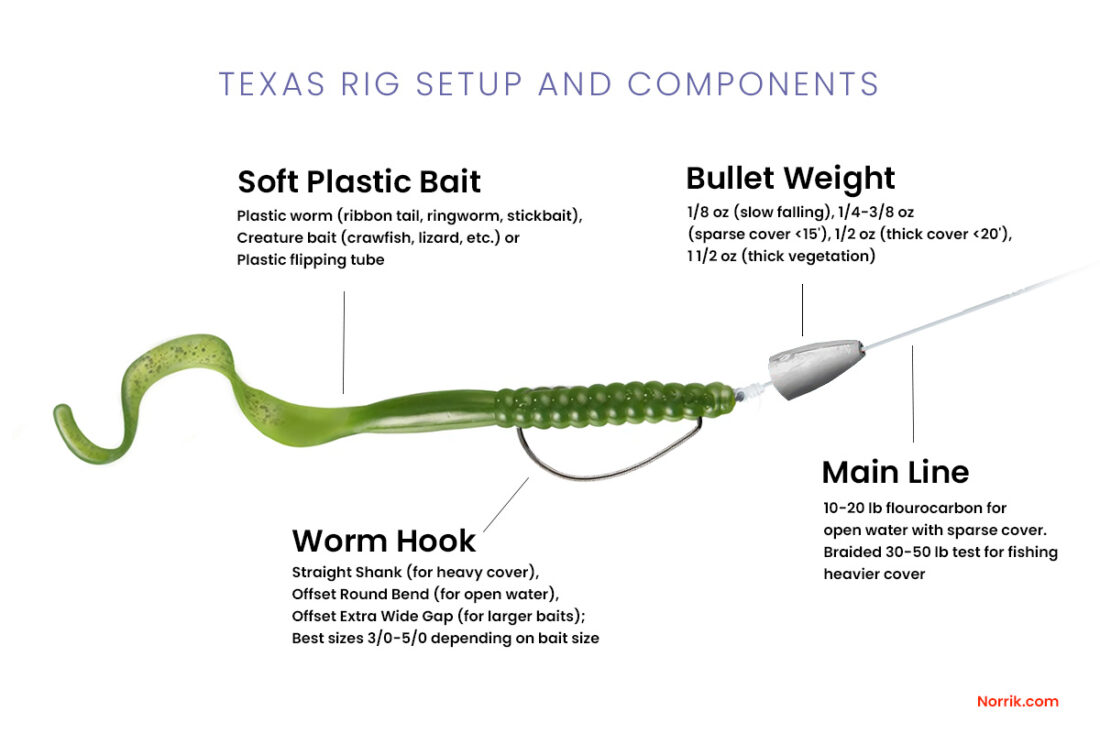
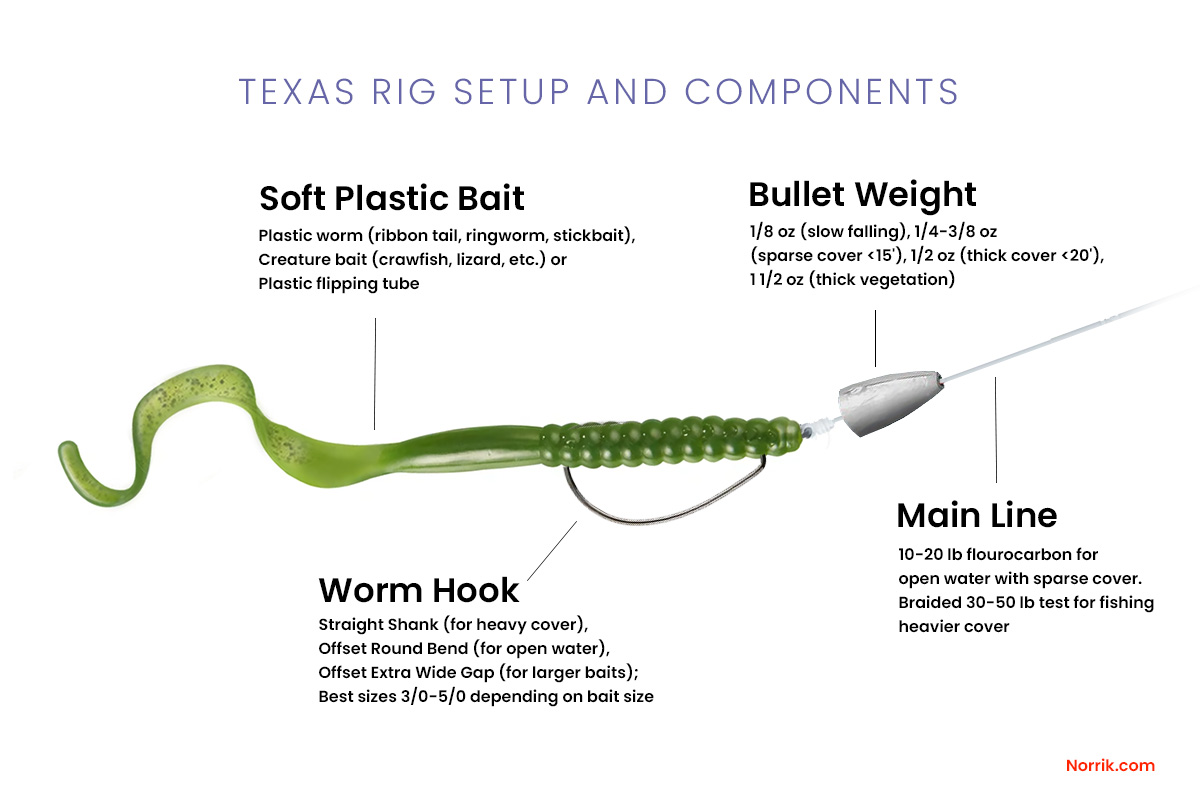
Choose gear built for power and control. Use a medium-heavy or heavy-action rod that lets you muscle fish out of cover. Pair it with a reel that has a strong drag and good line capacity. Line matters: braided line offers low stretch and helps pull fish from thick cover. Fluorocarbon leaders add abrasion resistance and invisibility near the bait.
Common rigs for pitch fishing in heavy cover:
- Texas rig: Weedless and easy to pitch into brush and vegetation.
- Jig with a flipping trailer: Great for punching and hanging in cover.
- Soft stick bait on an o-ring: Offers natural fall and is trailer-friendly.
Hook size and weight choices:
- Use 3/0 to 5/0 hooks depending on bait size.
- Match bullet weights to the depth and thickness of cover to keep the bait pinned where fish hide.
- Heavier tackle helps prevent cut-offs but can spook wary fish, so balance is key.
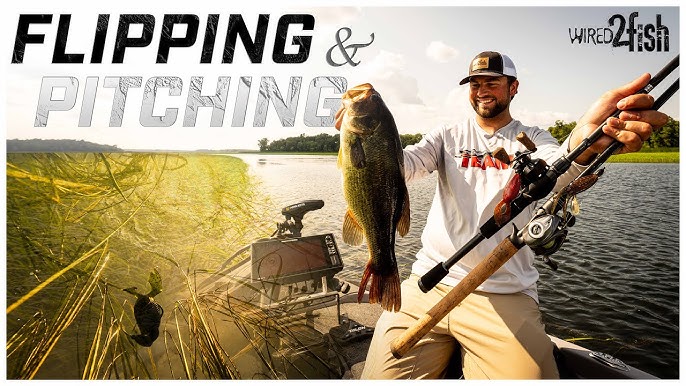
Techniques and step-by-step pitch fishing in heavy cover
Approach the spot quietly. Paddle or motor slowly and shut off the engine a rod or two away. Spot pockets, edges, and seams in the cover. Make controlled, short casts by hand or with a short rod motion.
Step-by-step:
- Read the cover and pick a target pocket.
- Pinpoint your cast and let the bait fall naturally.
- Pause after the fall — many strikes happen on the hang.
- Reel slowly or twitch the bait to imitate a fleeing prey.
- Commit to the hookset and use rod tip to steer the fish away from cover.
Presentation matters. A slow fall often wins. Fish in heavy cover will strike on reaction or curiosity. Be ready to pull hard and keep the fish moving away from the structure.
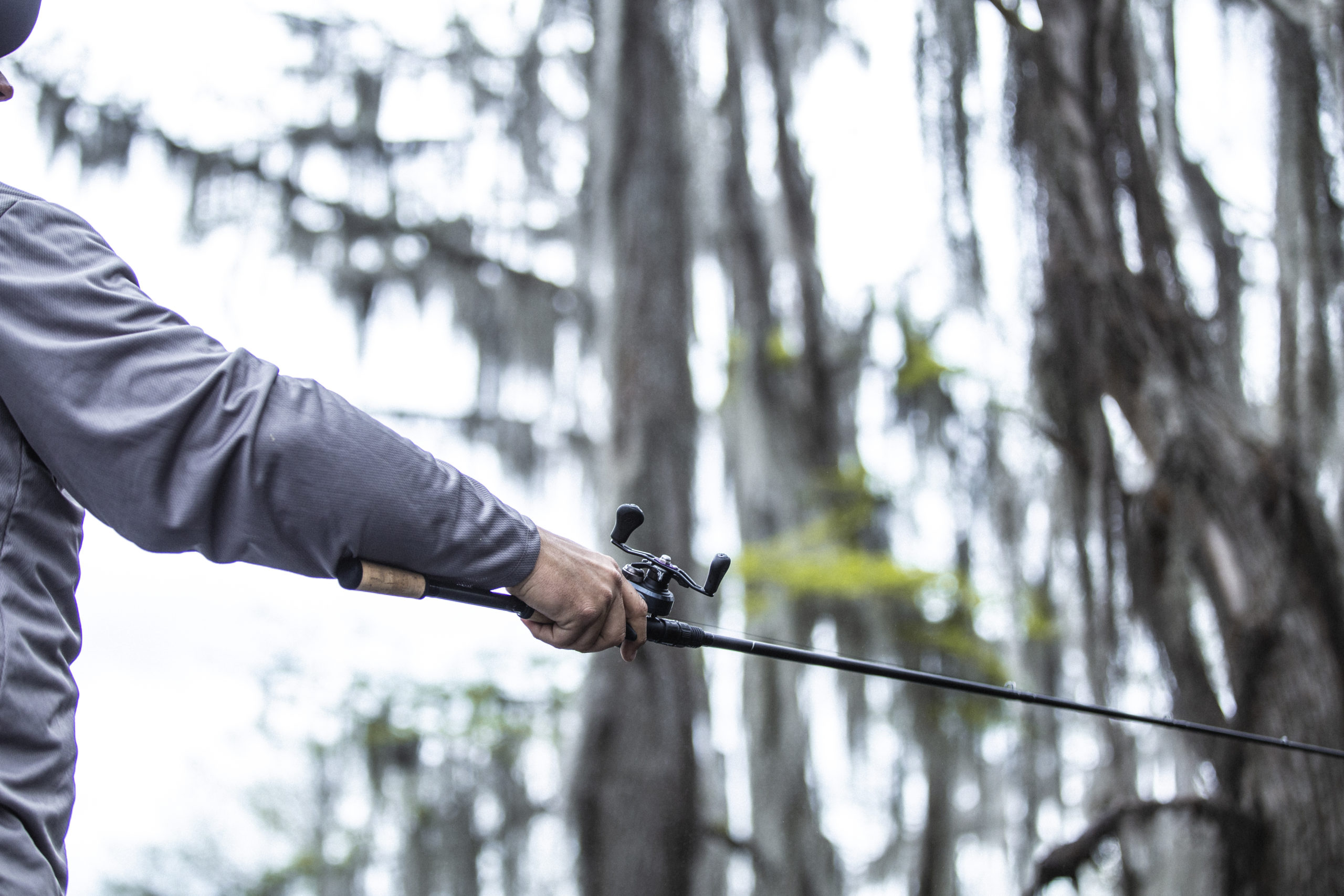
Quick questions about technique
- How far should I pitch? Pitching is usually 10 to 20 feet. Keep it short and accurate.
- Should I let the bait sink fully? Yes, pause and let it sit. Many strikes come during the pause.
- When to use flipping vs. pitching? Flip into very tight, close-in spots; pitch for pockets and slightly more open targets.
When pitch fishing is most effective
Pitch fishing shines in specific situations. It performs best:
- Around docks, laydowns, and heavy grass mats.
- In post-spawn and summer when bass sit tight in cover.
- When fish are shy and refuse to chase long casts.
- In stained or clear water where accuracy beats flash.
Seasonal notes:
- Spring and early summer: fish near spawning areas and edges of shallow cover.
- Mid-summer: target deep pockets in mats and cooler depressions.
- Fall: fish will use cover as ambush points again; pitch along edges and transition zones.

Limitations, risks, and how to avoid snags
Pitch fishing is not foolproof. Heavy cover increases snags, lost rigs, and cut lines. Throwing too heavy can spook fish. Overusing braid without a shock leader can mean more cut-offs.
How to reduce risks:
- Use strong fluorocarbon leaders or heavier braid when expecting rocky or sharp cover.
- Keep drag tight but not overpowered; sacrifice a bit of drag to reduce break-offs.
- Select hooks and knots tested for strength and durability.
- Practice quick, powerful hooksets and steady pressure to free fish from structure.
Be honest about limits. You will lose gear. Expect fewer misses and more solid hookups, but accept that some spots will eat rigs.
Personal experience and practical tips
I learned this the hard way. Early on, I used light setups and lost many fish in laydowns. Switching to heavier rods and braid cut losses by half. A few lessons I learned:
- Quiet approaches matter: bass spook easily in close cover.
- Pause on the drop: the hang is a strike window I relied on for years.
- Keep a spare rig ready: swapping to a stronger hook or different trailer saves trips.
One memorable day, pitching a small creature bait under a dock produced three keepers in an hour. The bait fell perfectly into a cushion of shade. That day taught me that placement beats flash every time.

Frequently Asked Questions of Is pitch fishing effective in heavy cover?
What exactly is pitch fishing?
Pitch fishing is making short, accurate casts into tight pockets of cover to place a bait precisely where fish hide. It focuses on placement and a slow, realistic presentation.
What baits work best for pitch fishing in heavy cover?
Soft plastic creature baits, jigs, and Texas-rigged worms are top choices because they are weedless and offer natural fall. Choose colors that match forage and water clarity.
Do I need braid for pitch fishing?
Braid is highly recommended for its low stretch and strength, which help pull fish from cover. Many anglers add a short fluorocarbon leader for abrasion resistance and stealth.
How do I avoid losing fish in laydowns?
Set the hook aggressively, keep steady pressure, and use a heavy-action rod. Trim loose branches on the bank when possible and aim to move the fish away from the structure quickly.
Is pitch fishing good for beginners?
Yes, beginners can learn pitch fishing quickly because it’s about short casts and placement. Start with simple rigs like a Texas-rigged worm and focus on accuracy.
Conclusion
Pitch fishing is a highly effective method in heavy cover when you match the right gear, rigs, and presentation. It rewards accuracy and patience and often produces bites where other methods fail. Try a few controlled setups, focus on precise placement, and learn to read cover. You’ll catch more fish and lose fewer rigs once you master pitch fishing basics.
Give pitch fishing a try on your next trip into thick cover. Share your results, subscribe for more tips, or leave a comment with your best pitch fishing story.

