

A 9-foot, 5-weight graphite rod is often the best fly fishing rod for beginners—versatile, forgiving, and light.
I’ve guided new anglers on rivers and lakes for years, and I know how confusing rod shopping can feel. This guide breaks down what makes the best fly fishing rod for beginners, why those traits matter, and how to choose a rod that helps you learn faster and enjoy the water. Read on to get clear, practical advice, simple comparisons, and real-life tips from someone who’s taught casting, tied knots, and lost a few flies to the trees.

36% off Today’s Exclusive Deals
Limited-time Exclusive Deals. Check current discount on Amazon.
Check Price on Amazon As an Amazon Associate I earn from qualifying purchases.
Why choosing the best fly fishing rod for beginners matters
Picking the right rod sets your first impressions. The best fly fishing rod for beginners reduces frustration, builds confidence, and makes learning to cast easier. A poor choice can make casting feel like a fight and slow progress.
New anglers need a tool that forgives errors and helps them feel results. The right rod helps with accurate casts, controlled loops, and easier mending of the line. When you start with a well-matched rod, you’ll catch more fish and keep coming back.
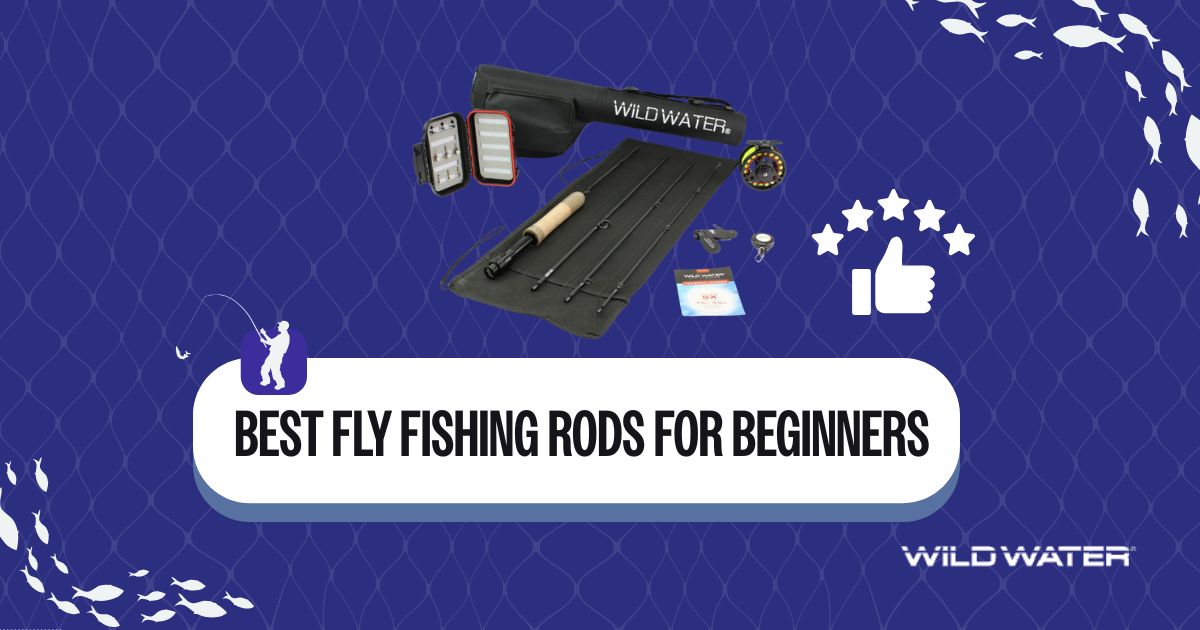
Key specs: weight, length, and action explained
Understanding the basics stops guesswork. Focus on three main specs.
- Rod weight
- A 5-weight rod is the most recommended. It balances line control and power. It works well for small trout, panfish, and light bass.
- Rod length
- A 9-foot rod is versatile. It gives reach for long casts and good line control for roll casts and mendings.
- Rod action
- Medium to medium-fast action is great for beginners. It delivers power without needing perfect timing.
These three specs define how a rod feels and performs. If you pick the right combo, your casting improves fast. The best fly fishing rod for beginners typically pairs a 5-weight with a 9-foot blank and medium action.

Materials and build: graphite, bamboo, and fiberglass
Material changes the feel and price of a rod. Know the common types.
- Graphite
- Light and strong. Common in most beginner rods. Offers crisp feedback and good power.
- Fiberglass
- Slower action, very forgiving. Great for learning smooth casts and playing fish gently.
- Bamboo
- Classic feel, warm action. Heavier and pricier. Not ideal for first rods unless you want a craft heirloom.
I started on a fiberglass rod and later moved to graphite. Fiberglass taught me smooth timing, while graphite helped with distance. For most beginners, graphite or fiberglass is the best choice due to balance of price, weight, and performance.
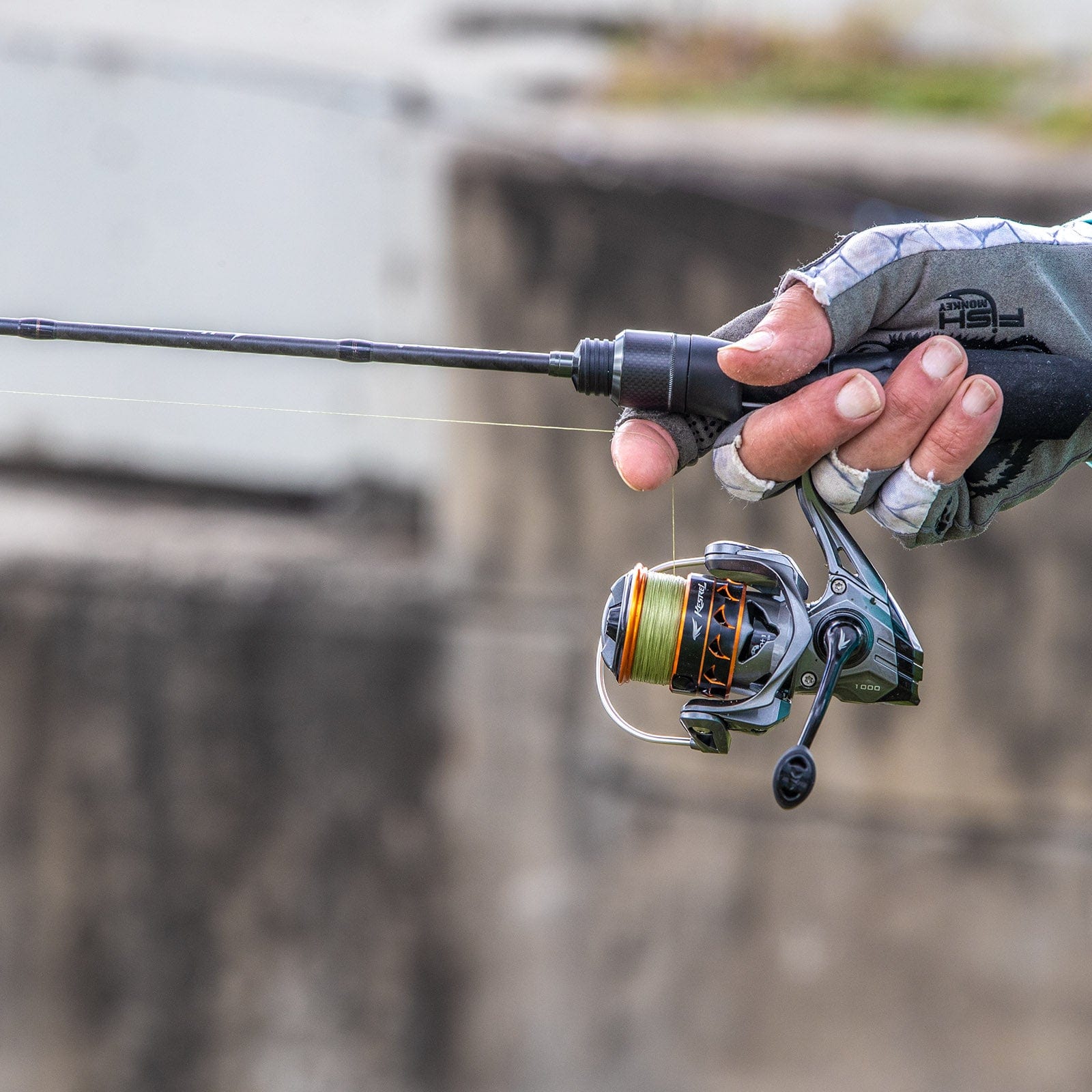
Components that matter: handle, reel seat, and guides
Small parts affect comfort and control. Check these before buying.
- Handle style
- Full-wells handles fit many hands and help with single-hand casting. Cork quality matters for grip and comfort.
- Reel seat
- Keep it simple. A secure seat and easy threading matter more than fancy metal work.
- Guides and tip-top
- Durable guides reduce line snags. A solid tip-top lowers the chance of breaking during casting or playing fish.
Comfort wins over looks for beginners. A rod that feels good in your hand lets you cast more and learn faster.
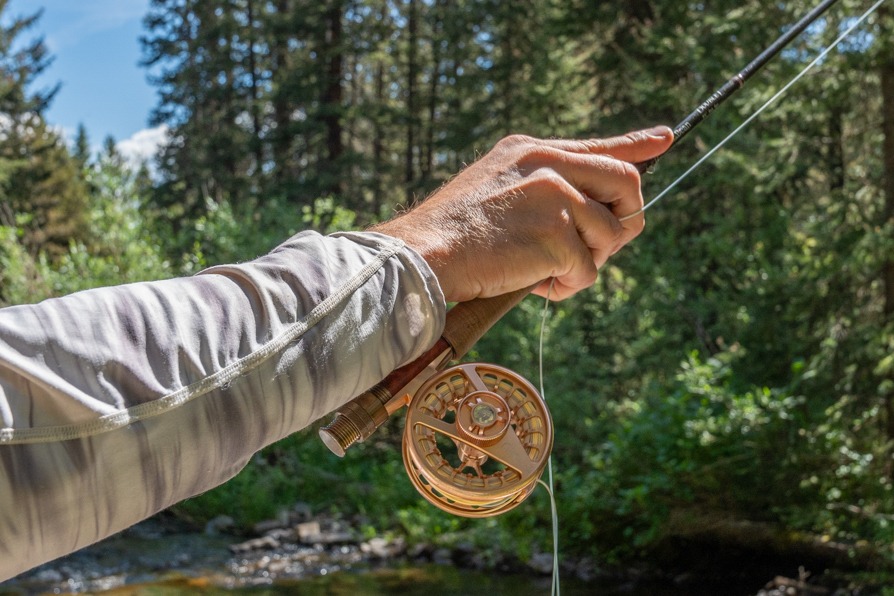
Practical picks: recommended rods for beginners
These picks reflect what I’ve used and what performs well in many conditions. They cover budget, all-round use, and learning.
- Budget-friendly adaptable rod
- Good for new anglers who want value. Lightweight, serviceable, and simple to use.
- Mid-range all-purpose rod
- A 9-foot, 5-weight graphite rod with medium action. Versatile for rivers and lakes.
- Fiberglass learning rod
- Slower action, great for learning timing and feel. Fun to cast and forgiving on errors.
When choosing, match rod weight to target fish and typical water. My first guiding clients did best with a mid-range 9-foot, 5-weight rod—the best fly fishing rod for beginners for most situations.
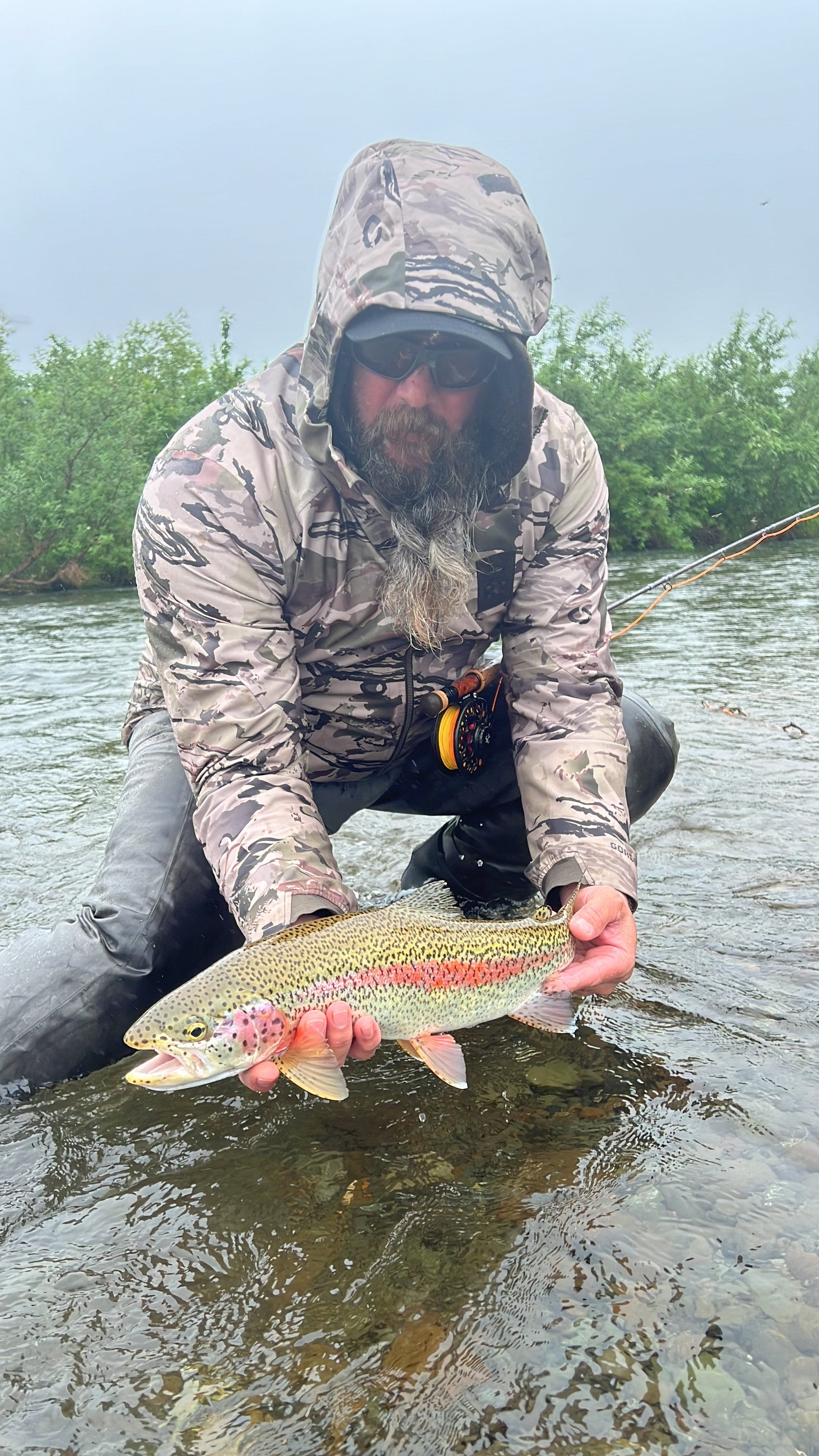
How to choose based on fish, water, and location
Match rod specs to where you fish. Use this simple guide.
- Small streams and panfish
- Use 2–4 weight rods. Shorter lengths (7–8.5 feet) help with tight spaces.
- Rivers and general trout
- Stick with a 9-foot, 4–6 weight rod. A 5-weight is the most flexible pick.
- Bass and bigger fish
- Move to 6–8 weight rods. Longer rods help with line control when fighting big fish.
Think about wind, space, and the flies you’ll cast. The best fly fishing rod for beginners usually stays in the 4–6 weight range for broad use.
Casting basics and quick tips for beginners
Good gear helps, but skill matters too. Here are simple tips to speed learning.
- Use short, smooth casts to start.
- Focus on timing: pause to let the line load the rod.
- Practice false casting on grass before hitting water.
- Learn to mend line to control drift and presentation.
I once taught a friend to cast in 20 minutes using a 9-foot, 5-weight rod and stepwise practice. He caught a trout that afternoon. Small wins like that build confidence fast.
Common mistakes and how to avoid them
New anglers repeat a few common errors. Avoid them to progress faster.
- Overpowering the rod
- Use smooth acceleration. Let the rod do the work.
- Wrong line weight
- Pair rod and line weights. A mismatch kills cast feel.
- Poor maintenance
- Rinse rods after saltwater use and check guides before each trip.
- Ignoring comfort
- A rod that hurts your wrist will cut practice time short.
Fix these early and you’ll learn faster. The best fly fishing rod for beginners supports good habits and low frustration.
PAA-style quick questions
What rod weight should a total beginner buy?
- A 5-weight rod is the most versatile. It handles small trout and light bass well and is easy to cast.
Is a 9-foot rod better for lakes or rivers?
- A 9-foot rod offers reach and line control that work well in both settings. It’s the common choice for general use.
Should beginners buy a full outfit or pick rod and reel separately?
- Outfit packages are fine for starters and offer value. As you progress, upgrade reels or rods to match your style.
Frequently Asked Questions about What is the best fly fishing rod for beginners?
What length and weight are best for a beginner rod?
A 9-foot length with a 4–6 weight range, especially a 5-weight, is the best starting point for most anglers. It balances distance and control across common species and water types.
Should I buy a slow-action fiberglass rod or a faster graphite rod?
Fiberglass is more forgiving and helps beginners learn timing, while graphite offers distance and sensitivity. Choose fiberglass for learning feel, graphite for all-round use.
Can I use a casting outfit that is cheaper when I start?
Yes. Budget outfits are great for learning fundamentals and keeping costs low while you decide what you like. Just ensure line and rod weight match.
How important is matching the line to the rod?
Very important. Properly matched line weight ensures the rod loads correctly. A mismatched line will feel hard to cast and reduce control.
Do I need a specific reel for a beginner?
A simple, well-balanced reel with a smooth drag is enough for starters. Focus on weight match and reliability rather than high-end features.
Is a 9-foot, 5-weight really the best fly fishing rod for beginners?
For general trout fishing and mixed conditions, yes. It is versatile, easy to cast, and suits most learning situations.
How long should my first rod last?
With proper care, a first rod can last many years. Avoid storing under stress, clean it after saltwater use, and check guides regularly to extend life.
Conclusion
Choosing the best fly fishing rod for beginners means balancing comfort, versatility, and simplicity. A 9-foot, 5-weight rod with medium action and graphite or fiberglass build is the most practical choice for most new anglers. Start with a well-matched outfit, practice short, smooth casts, and focus on good habits rather than gear upgrades.
Take action: try a 9-foot, 5-weight rod at a local shop or casting class, practice on grass, and plan a day on the water. Share your first catch or question in the comments, and subscribe for more tips and hands-on guides.

