

Many people buy Bosch refrigerators for their reliability and modern features. But even the best machines can have problems, and the ice maker is no exception. When your Bosch ice maker stops working, it can be frustrating, especially on a hot day or when guests are coming. This guide helps you find the cause and fix common issues with Bosch ice makers, using simple language and clear steps.
How A Bosch Ice Maker Works
Before fixing the problem, it helps to know how your Bosch ice maker works. The ice maker is usually located inside the freezer. It connects to your water supply and uses an electric valve to fill up a tray with water. The water freezes, and then a heating element warms the tray so the ice cubes can be pushed into the storage bin.

36% off Today’s Exclusive Deals
Limited-time Exclusive Deals. Check current discount on Amazon.
Check Price on Amazon As an Amazon Associate I earn from qualifying purchases.Key parts involved:
- Water inlet valve
- Ice mold/tray
- Heater
- Ejector arm or motor
- Ice bin
- Control module and sensors
If one part fails, the whole process can stop. Understanding this helps you check each part step-by-step.
Common Bosch Ice Maker Problems
Bosch ice makers can have several common problems. Here are the most frequent issues and what they might mean:
- No ice production — The unit is on, but no ice is made.
- Small or misshapen ice cubes — Ice is produced, but the cubes look wrong.
- Ice maker is noisy — Grinding, clicking, or loud sounds.
- Ice is stuck in the tray — Cubes do not drop into the bin.
- Water leaks in or around the freezer.
Each problem has different causes and solutions. Let’s go through them one by one.
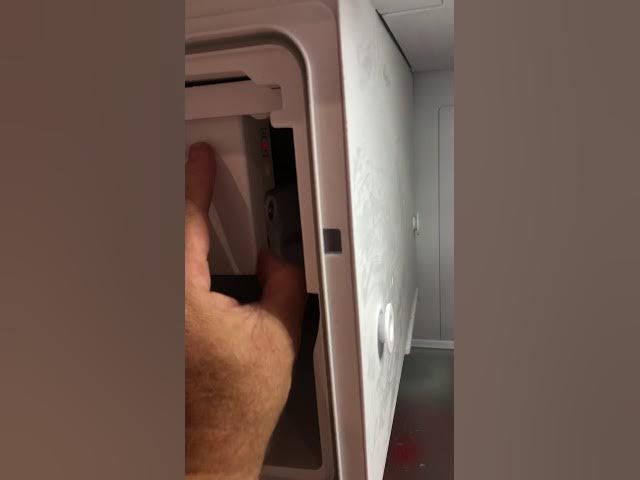
No Ice Production
If your Bosch ice maker is not making any ice, there are a few main things to check.
1. Is The Ice Maker Turned On?
It’s easy to forget the on/off switch. Make sure the ice maker is switched on. Sometimes, there is a wire arm that must be in the “down” position.
2. Check The Water Supply
The ice maker needs a steady water supply. If the water line is pinched, frozen, or blocked, no water will get to the ice tray.
Steps:
- Confirm the water valve behind your fridge is open.
- Check the water line for kinks or leaks.
- Look for ice blocking the water line inside the freezer.
3. Inspect The Water Inlet Valve
The water inlet valve controls water flow to the ice maker. This valve can fail from mineral deposits or electrical issues.
- Listen for a humming sound when the ice maker should fill. No sound may mean a problem with the valve.
- Replace the valve if it’s clogged or electrically faulty.
4. Freezer Temperature
If your freezer is too warm (above 10°F or -12°C), ice will not form. Bosch recommends a freezer setting between 0°F and 5°F (-18°C to -15°C).
5. Ice Maker Assembly
If all else fails, the ice maker module or motor may need repair or replacement. This is less common but can happen after several years.
Small Or Misshapen Ice Cubes
When the ice cubes are not normal-sized, the problem is usually with water pressure or the water filter.
1. Water Pressure
Bosch recommends 20 to 120 psi water pressure for ice makers. Low pressure means less water in the tray, making smaller cubes.
2. Water Filter Issues
A clogged water filter limits water flow.
- Replace the water filter every 6 months.
- Use only Bosch-approved filters to avoid compatibility problems.
3. Mineral Buildup
Over time, minerals can block water flow. Clean the ice maker parts and water line with a vinegar solution if you notice hard, white deposits.
Ice Maker Is Noisy
Some noise is normal, but loud or strange sounds signal a problem.
1. Grinding Or Clicking
This usually means a mechanical part is stuck or worn out, such as the ejector motor.
2. Water Hammer
A loud bang when water fills the tray is called “water hammer. ” It happens if the water pressure is too high or the valve closes suddenly.
3. Rattling Or Humming
Check that the fridge is level and not touching the wall or cabinets, which can cause vibration noises.
Ice Stuck In The Tray
Sometimes, ice cubes freeze together or stick to the tray.
1. Freezer Temperature Too Low
If the freezer is much colder than needed, ice can stick together.
2. Defective Heater
A small heating element warms the tray so ice can be released. If this fails, cubes may not drop.
- You can test the heater with a multimeter for continuity.
3. Manual Release
Try gently using a plastic spoon to release stuck cubes. Never use metal tools, as they can damage the tray.
Water Leaks
Water leaks are serious because they can damage your floor or freezer.
1. Defrost Drain Clog
If the defrost drain is blocked, water can pool and leak. Use hot water to clear the drain hole.
2. Cracked Water Line
A cracked or loose water line can leak behind the fridge. Inspect the line and replace if damaged.
3. Ice Maker Overflow
If the ice maker overfills, the water inlet valve may not be closing properly. Replace the valve if needed.
Step-by-step Troubleshooting Guide
Here is a simple process to follow when your Bosch ice maker stops working.
- Check power and switch: Confirm the ice maker is on and the fridge has power.
- Inspect the water supply: Open the water valve and check the line for kinks or leaks.
- Look at the water filter: Replace if it’s old or clogged.
- Adjust freezer temperature: Set between 0°F and 5°F (-18°C to -15°C).
- Test the water inlet valve: Listen for filling sounds or test with a multimeter.
- Check for ice blockages: Look for ice jams in the tray or water line.
- Inspect mechanical parts: Watch the ejector arm and motor during a cycle.
- Check the heater: Test for continuity if ice is stuck.
- Examine for leaks: Look for water under or behind the fridge.
If you follow these steps, most problems can be found and fixed.
Data Table: Common Bosch Ice Maker Problems And Fixes
To help you quickly compare issues, here’s a summary:
| Problem | Possible Cause | Quick Fix |
|---|---|---|
| No ice production | Water supply, power off, faulty valve | Check switch, water line, replace valve |
| Small/misshapen cubes | Low water pressure, clogged filter | Replace filter, check pressure |
| Noisy ice maker | Stuck motor, high pressure | Level fridge, inspect parts |
| Ice stuck in tray | Cold freezer, bad heater | Adjust temp, check heater |
| Water leaks | Clogged drain, broken line | Clear drain, replace line |
How To Reset A Bosch Ice Maker
Sometimes, a simple reset solves many ice maker issues.
Steps to reset:
- Turn off the ice maker using the switch or by lifting the wire arm.
- Wait 5 minutes.
- Turn the ice maker back on.
- Wait 24 hours for normal operation.
If your Bosch refrigerator has a digital display, look for an “Ice Maker Reset” option in the menu. Check your user manual for model-specific instructions.
When To Call A Professional
Some issues require a certified technician:
- Electrical problems you cannot test safely
- Water leaks inside the fridge walls
- Replacing the main ice maker assembly
- Repeated failures after basic troubleshooting
Trying to fix these yourself can void the warranty or cause more damage.
Preventive Maintenance Tips
Regular care helps your Bosch ice maker work better and last longer.
- Replace the water filter every 6 months.
- Clean the ice bin and tray monthly with warm water.
- Check water lines for cracks or leaks twice a year.
- Set the freezer temperature to the recommended range.
- Use the ice maker regularly. Ice makers work best when used often.
These simple habits prevent most common problems.

Data Table: Bosch Refrigerator Ice Maker Error Codes
Some Bosch refrigerators show error codes on their display. Here’s a quick guide:
| Error Code | Meaning | Action |
|---|---|---|
| E02 | Ice maker motor problem | Reset or call for service |
| E03 | Heater fault | Check heater or call technician |
| E04 | Water supply error | Check water line and valve |
| E06 | Sensor issue | Reset or call for service |
Always consult your Bosch manual for the meaning of specific error codes for your model.
Two Non-obvious Insights For Owners
Many people miss these facts:
- Water quality matters. Hard water causes mineral deposits that block parts quickly. Using a water softener or regular filter changes can prevent expensive repairs.
- Ice maker cycles are slow. Bosch ice makers may take 90-180 minutes to complete one cycle. Don’t expect instant results after resetting or repairs.
Example: Real-world Bosch Ice Maker Issue
Anna from Texas noticed her Bosch fridge stopped making ice after a big storm. She checked the water line and found it frozen inside the freezer. By unplugging the fridge for 30 minutes and using a hair dryer on the water line, she cleared the ice.
The ice maker started working again. This shows how simple checks can solve big problems.
Where To Find More Help
The Bosch Home website offers manuals and support for different models. You can also visit Bosch Home Support for more details and videos.

Frequently Asked Questions
Why Is My Bosch Ice Maker Not Making Ice?
Common causes are power off, blocked water supply, or freezer temperature too high. Check the switch, water line, and freezer setting first.
How Often Should I Change The Bosch Refrigerator Water Filter?
Replace the water filter every 6 months for best performance. If you notice slow ice production or small cubes, check the filter sooner.
Can I Use Other Brands Of Water Filters?
It’s best to use Bosch-approved filters. Other brands may not fit well, can leak, or cause water flow problems.
What Should I Do If My Bosch Ice Maker Is Leaking Water?
First, check for a blocked defrost drain or cracked water line. If you see water inside or under the fridge, turn off the water supply and call a technician.
How Long Does It Take For The Bosch Ice Maker To Make Ice After Resetting?
A Bosch ice maker may take up to 24 hours to make ice after a reset. Each ice cycle can take 90-180 minutes, so be patient.
If you follow these steps and tips, you can solve most Bosch ice maker problems yourself. For more complex issues, always contact a certified Bosch technician. With regular maintenance, your ice maker will keep your drinks cool for years to come.

