

Imagine charging your phone in half the time, using a charger so small it fits in your pocket. This is not science fiction—it’s what the Anker GaN charger promises. But what makes it different from a regular charger you’ve used for years? Many people hear about GaN chargers but don’t understand why they matter, or how they compare to standard chargers found everywhere. If you’re thinking about upgrading your charging gear, or just curious about new technology, understanding these differences is important. In this article, I’ll break down the real differences between Anker GaN chargers and regular chargers, so you can choose with confidence.
What Is A Gan Charger?
To understand the difference, you need to know what GaN means. GaN stands for Gallium Nitride. It’s a material used in electronics, and it’s much better at conducting electricity than the silicon used in regular chargers. Anker was one of the first big brands to use GaN technology in their chargers.

36% off Today’s Exclusive Deals
Limited-time Exclusive Deals. Check current discount on Amazon.
Check Price on Amazon As an Amazon Associate I earn from qualifying purchases.How Gan Technology Works
Gallium Nitride allows chargers to handle higher voltages and currents without getting hot or bulky. This means chargers can be smaller and more powerful. GaN is also more efficient, so less energy is lost as heat.
Why It Matters
Traditional chargers use silicon, which is cheaper but less efficient. The switch to GaN means:
- Smaller size
- Faster charging
- Less heat
- Longer lifespan
What Is A Regular Charger?
A regular charger is what most people have used for years. These chargers rely on silicon-based circuits. They usually come with your phone or laptop, and you can find them in stores everywhere.
Features Of Regular Chargers
- Larger and heavier
- Lower power output (often 5W–18W)
- Slower charging speeds
- Can get warm during use
- Limited port options (often just USB-A or USB-C)
- Less efficient energy use
Main Differences: Anker Gan Charger Vs Regular Charger
Let’s compare these two types, using clear examples and real data.
| Feature | Anker GaN Charger | Regular Charger |
|---|---|---|
| Material | Gallium Nitride (GaN) | Silicon |
| Size | Smaller, compact | Larger, bulkier |
| Efficiency | High (up to 95%) | Moderate (75-85%) |
| Heat Output | Low | Medium to high |
| Charging Speed | Up to 100W+ | Typically 5W–18W |
| Port Options | Multiple (USB-C, USB-A) | Usually single (USB-A or USB-C) |
| Durability | Longer lifespan | Shorter lifespan |
Charging Speed: How Much Faster Is Gan?
One of the biggest advantages of Anker GaN chargers is speed. A regular charger might take two hours to fill your phone battery. With a GaN charger, you can often do it in one hour or less.
For example, the Anker 65W GaN charger can charge a MacBook Air from 0% to 100% in about 90 minutes. A regular 18W charger could take over three hours for the same job.
Real-world Charging Examples
- Smartphone (iPhone 14)
- Regular charger (5W): 0% to 100% in about 2.5 hours
- Anker GaN charger (30W): 0% to 100% in about 1 hour
- Laptop (Dell XPS 13)
- Regular charger (18W): 0% to 100% in about 3 hours
- Anker GaN charger (65W): 0% to 100% in about 1.5 hours
- Tablet (iPad Pro)
- Regular charger (12W): 0% to 100% in about 2 hours
- Anker GaN charger (45W): 0% to 100% in about 1 hour
Size And Portability: Gan Wins
Most people expect a powerful charger to be big. But GaN chargers are much smaller, because Gallium Nitride handles power better. An Anker GaN charger can be half the size of a regular charger with the same power.
For example, the Anker Nano II 65W is about the size of a golf ball, but can charge a laptop. Regular laptop chargers are often the size of a TV remote.
Why Size Matters
- Easier to carry while traveling
- Fits in pockets, bags, and small spaces
- Less clutter on your desk or nightstand
Heat And Safety
Heat is a problem for electronics. Too much heat can damage your devices or even cause fire. GaN chargers produce much less heat than regular chargers.
Gan’s Advantage
- Cooler operation: GaN chargers stay cooler, even when charging multiple devices at high speed.
- Better safety: Less heat means less risk of overheating or fire.
- Longer lifespan: Electronics last longer when they run cool.
Common Mistakes
Some people think small chargers will get hotter. But GaN chargers use advanced materials, so they stay cool even when they are compact.
Efficiency And Power Output
GaN chargers waste less energy. This means more power goes to your device, and less is lost as heat. Regular chargers can lose up to 25% of their energy.
| Charger Type | Efficiency (%) | Wasted Energy (%) |
|---|---|---|
| Anker GaN Charger | Up to 95% | 5% |
| Regular Charger | 75-85% | 15-25% |
What This Means
- Lower electricity bills: If you use your charger every day, the savings add up.
- Better for the environment: Less wasted energy means less strain on power plants.
Multi-port Charging: Gan Makes It Easy
Anker GaN chargers often have multiple ports. You can charge your phone, tablet, and laptop at the same time. Regular chargers usually have only one port.
Why Multi-port Matters
- Convenience: No need for multiple chargers.
- Travel: One charger for all your devices.
- Space saving: Less clutter.
For example, the Anker 100W GaN charger has 2 USB-C ports and 1 USB-A port. You can charge a laptop, phone, and earbuds all at once.
Durability And Lifespan
Electronics break down over time. Heat, stress, and poor materials cause damage. GaN chargers last longer because they run cooler and use better materials.
How Long Do Chargers Last?
- Regular charger: Often 2–3 years with daily use.
- Anker GaN charger: Can last 4–6 years or longer.
This is because GaN chargers don’t overheat or wear out as fast. If you use your charger a lot, this makes a big difference.
Price: Is Gan Worth The Cost?
GaN chargers are usually more expensive than regular chargers. An Anker GaN charger can cost $30–$60, while a regular charger might cost $10–$20.
Why The Price Difference?
- Advanced materials (GaN is more expensive than silicon)
- Higher power output
- Multiple ports
- Smaller size
- Better safety features
But you also get more value. A GaN charger can replace several regular chargers, and lasts longer.
Is The Higher Price Justified?
If you need fast, reliable charging for multiple devices, the extra cost is often worth it. For simple use (charging one phone overnight), a regular charger is fine. But for laptops, tablets, and travel, GaN is a smart upgrade.
Compatibility: Devices And Standards
Anker GaN chargers support modern charging standards like USB Power Delivery (PD) and Quick Charge. Regular chargers often don’t.
What This Means
- Can charge phones, tablets, laptops, earbuds, and more
- Works with USB-C, USB-A, and sometimes even MagSafe
- Supports fast charging for brands like Apple, Samsung, and Dell
Common Mistake
Some people buy high-wattage chargers but their device only supports slow charging. Always check your device’s charging specs before upgrading.
Environmental Impact
Using less energy is better for the planet. GaN chargers waste less power, and last longer, so fewer end up in landfills.
Why It Matters
- Lower carbon footprint
- Less e-waste
- More efficient use of resources
If you care about the environment, GaN chargers are a step forward.

Real-life Examples And User Experiences
Many people who switch to Anker GaN chargers notice big changes.
- Travelers save space and weight in their bags.
- Busy professionals charge laptops and phones faster.
- Families use one charger for multiple devices.
A student named Sara used to carry three chargers for her phone, laptop, and tablet. After buying an Anker GaN charger, she only needed one. Her backpack was lighter, and she could charge everything overnight.
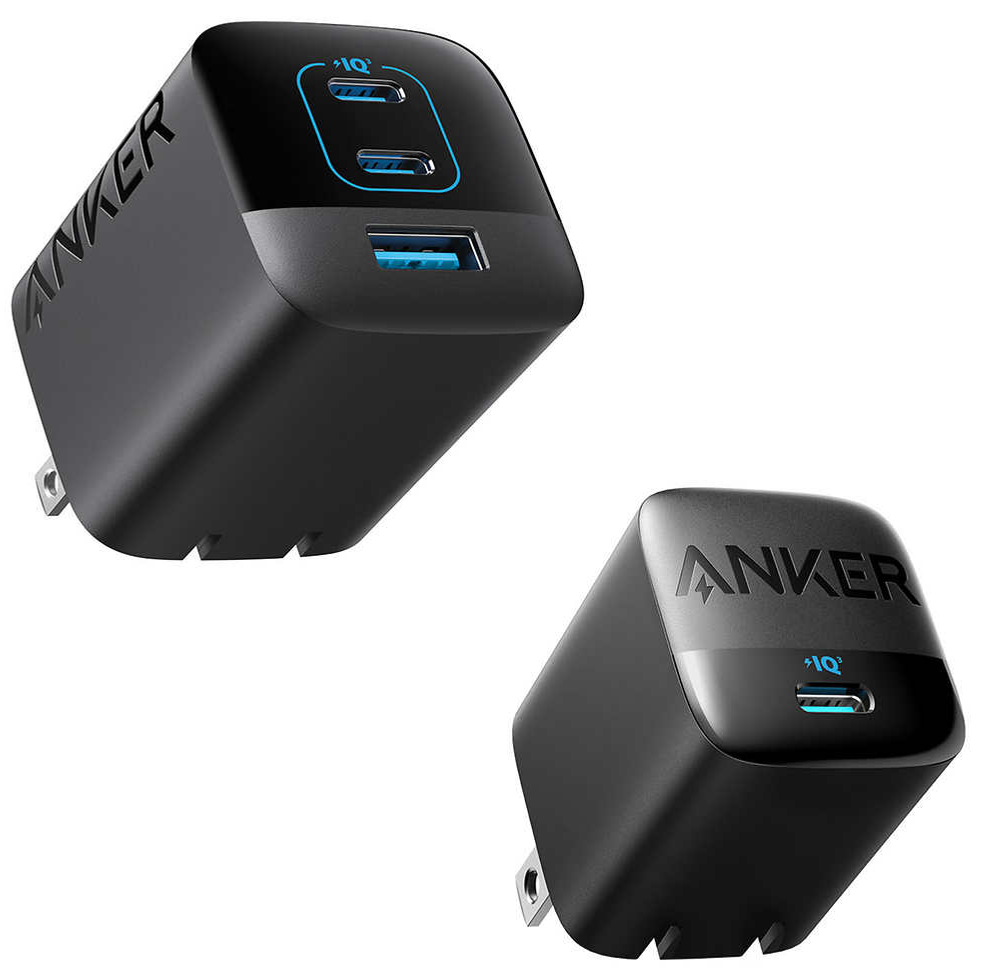
Key Features Of Anker Gan Chargers
Let’s look at the features that set Anker GaN chargers apart.
- High Power Output: Up to 100W, enough for laptops.
- Multiple Ports: Charge several devices at once.
- Compact Size: Fits easily in pockets and bags.
- Cooler Operation: Runs cooler, safer for long-term use.
- Fast Charging Standards: Supports USB PD, Quick Charge, and more.
Common Buyer Mistakes
When choosing between GaN and regular chargers, people often make mistakes.
- Buying a high-power charger without checking device compatibility.
- Choosing a charger with too few ports.
- Ignoring safety certifications.
- Assuming all GaN chargers are equal—brand and build quality matter.
To avoid these mistakes, check your device’s charging specs, decide how many ports you need, and buy from trusted brands like Anker.
How To Choose The Right Charger For Your Needs
Selecting a charger is not just about price. Think about your devices, how fast you want to charge, and where you’ll use the charger.
Questions To Ask Yourself
- How many devices do I need to charge at once?
- Do I need fast charging for phones, laptops, or tablets?
- Will I travel with the charger? (Choose compact size)
- Does my device support high-wattage charging?
- Is safety important? (Look for certifications)
If you have modern devices, travel often, or use your charger daily, an Anker GaN charger is often the best choice.
Comparison: Anker Gan Charger Models
Anker offers several GaN chargers. Here’s a quick comparison.
| Model | Power Output | Ports | Size | Price (USD) |
|---|---|---|---|---|
| Anker Nano II 65W | 65W | 1 USB-C | 1.5 x 1.3 x 1.5 in | $39.99 |
| Anker 100W GaN Charger | 100W | 2 USB-C, 1 USB-A | 2.7 x 1.2 x 2.7 in | $59.99 |
| Anker Nano Pro 20W | 20W | 1 USB-C | 1.1 x 1.1 x 1.2 in | $19.99 |
Non-obvious Insights Beginners Miss
- Higher wattage doesn’t always mean faster charging. Your device must support the higher wattage. Otherwise, it will charge at its maximum supported speed, not the charger’s max output.
- GaN chargers can charge multiple devices more efficiently. Unlike regular chargers, GaN chargers maintain high power even when several devices are connected.
- GaN chargers last longer due to cooler operation. Many people overlook how much heat affects electronics. Lower heat equals longer life.
Why Anker Leads The Market
Anker is trusted for quality, safety, and innovation. Their GaN chargers are certified by international standards, and they update their products quickly. Anker chargers are tested for durability, and have strong customer support.
If you want the best GaN charger, Anker is a reliable choice. For more details about GaN technology, you can check Wikipedia.
Frequently Asked Questions
What Is Gan And Why Is It Used In Chargers?
GaN stands for Gallium Nitride, a material that conducts electricity better than silicon. It allows chargers to be smaller, faster, and more efficient. GaN chargers produce less heat and last longer.
Are Anker Gan Chargers Safe For All Devices?
Yes, Anker GaN chargers are designed with safety features, like overcurrent and overvoltage protection. They work with phones, tablets, laptops, and other USB devices. Always check your device’s charging specs to make sure you use the right wattage.
Can A Gan Charger Charge Multiple Devices At Once?
Many Anker GaN chargers have several ports. You can charge a laptop, phone, and earbuds at the same time. The charger divides power between devices, so charging speed may slow down a bit if all ports are used.
How Long Do Gan Chargers Last Compared To Regular Chargers?
GaN chargers last longer because they run cooler and use advanced materials. With daily use, a GaN charger can last 4–6 years or more, while regular chargers often last 2–3 years.
Is It Worth Upgrading To An Anker Gan Charger?
If you want fast charging, need to charge multiple devices, travel often, or value durability, Anker GaN chargers are a smart upgrade. For basic needs (charging one phone overnight), a regular charger is fine.

Final Thoughts
The difference between an Anker GaN charger and a regular charger is more than just speed. GaN chargers are smaller, safer, and more efficient. They waste less energy, last longer, and support fast charging for many devices. Anker leads the market with high-quality GaN chargers, trusted by millions. If you use multiple devices or travel, upgrading to a GaN charger can make your life easier and your charging faster. But always check your device’s specs before buying. With the right choice, you’ll enjoy smarter, safer, and faster charging for years to come.

