

Is Anker Iphone Charger Safe For Overnight Charging?
Most iPhone users charge their phones at night. It feels simple: plug in before bed, wake up with a full battery. But is this habit safe, especially when using chargers from brands like Anker instead of Apple’s original? Many people wonder if an Anker iPhone charger is safe for overnight charging, or if it could damage the phone or even cause a fire. Let’s explore what you really need to know about overnight charging, Anker’s technology, and how to protect your device and yourself.
Understanding Overnight Charging
Leaving your iPhone plugged in while you sleep is common. Apple devices are designed with smart charging features that stop the battery from overcharging. However, third-party chargers can create doubts, especially if you don’t know how they work.

36% off Today’s Exclusive Deals
Limited-time Exclusive Deals. Check current discount on Amazon.
Check Price on Amazon As an Amazon Associate I earn from qualifying purchases.Overnight charging means your phone stays at 100% for hours. The device’s charging system manages this by cutting off power and running on battery, then topping up when needed. This cycle continues until you unplug. This process can create heat, which is a main concern for battery health and safety.
Why Charger Quality Matters
Not all chargers are equal. The quality of your charger affects safety, battery life, and charging speed. Low-quality chargers may not regulate voltage well, which can lead to:
- Overheating
- Battery swelling
- Electrical fires
- Shorter battery life
A good charger, like those made by Anker, includes safety features to prevent these issues. Still, it’s important to understand what sets a safe charger apart from a risky one.
What Makes Anker Different?
Anker is a well-known brand in charging technology. They are not Apple, but they are trusted by millions. What makes Anker chargers stand out is their focus on safety, compatibility, and reliability. Let’s break down what they offer:
Safety Certifications
Anker chargers often come with safety certifications like UL, FCC, and CE. These labels show the charger meets recognized safety standards. Certified chargers are less likely to cause overheating or electrical problems.
Smart-charging Technology
Most Anker chargers use PowerIQ or VoltageBoost technology. These systems detect your device and deliver the right amount of power. This helps avoid overcharging and reduces heat.
Build Quality
Anker uses high-quality materials and strong internal components. This reduces the risk of short circuits, sparks, or fires. Their products are also tested to handle power surges and other common electrical problems.
Compatibility
Anker chargers are designed to work with Apple’s MFi (Made for iPhone) standard. This means they are tested for safe use with iPhones, iPads, and other Apple devices.
Risks Of Overnight Charging
Is overnight charging safe even with a good charger? Let’s look at the main risks:
Battery Degradation
Leaving your iPhone plugged in all night can slowly wear out the battery. Every time your phone tops up from 99% to 100%, it counts as a “mini-charge cycle. ” Over many nights, this can reduce battery health.
Heat Buildup
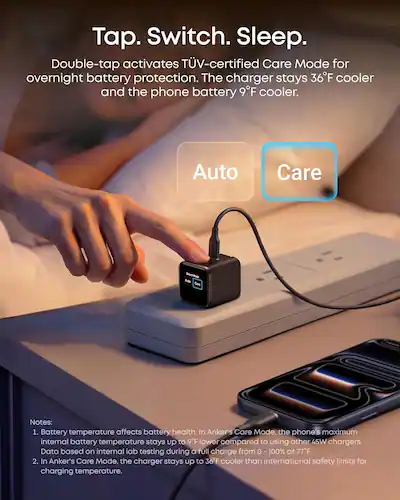
Charging creates heat. If heat cannot escape, it can harm your battery or, in rare cases, cause a fire. Most modern chargers, including Anker, have features to manage heat, but it’s still smart to keep your phone in a cool, open space while charging.
Power Surges
Sudden changes in electricity (like a lightning strike) can damage your charger or phone. High-quality chargers usually have surge protection. However, the risk is never zero.

Anker Vs Apple Charger: Real Data Comparison
How does Anker compare to Apple’s original charger? Here’s a side-by-side look at important factors:
| Feature | Apple Charger | Anker Charger |
|---|---|---|
| Certification | MFi, UL, FCC, CE | MFi, UL, FCC, CE |
| Smart Charging | Yes | Yes (PowerIQ/VoltageBoost) |
| Warranty | 1 Year | 18 Months or More |
| Price Range | Higher | Lower to Moderate |
| Build Quality | Premium | Premium/High |
| Compatibility | All Apple Devices | All Apple Devices (MFi certified) |
From this comparison, Anker chargers match Apple in most safety and performance aspects. In some cases, they even offer longer warranties and more affordable prices.
Safety Features In Anker Iphone Chargers
Let’s look deeper at the main safety technologies in Anker’s chargers:
Overcharge Protection
Anker chargers stop sending power when your device is full. This prevents battery stress and heat.
Temperature Control
Sensors inside the charger and cable monitor temperature. If things get too hot, charging slows down or stops.
Surge Protection
Anker includes circuits that block sudden spikes in voltage, protecting both the charger and your phone.
Fire-resistant Materials
The outer shell and internal parts are often made from fire-resistant materials. This reduces the chance of a fire if something goes wrong.
Smart Chipsets
Anker chargers use chips that communicate with your iPhone. They adjust power flow for the safest possible charging.
User Experiences: What Real People Say
Thousands of users share their experiences with Anker chargers online. Common themes include:
- Reliable overnight charging with no battery damage
- No noticeable heat issues
- Long lifespan for both charger and phone
- Fewer problems compared to low-cost, unbranded chargers
Some users even report that their iPhone battery health stayed above 95% after a year of nightly charging with Anker.
Common Myths About Overnight Charging
Many beliefs about overnight charging are outdated or not true. Let’s clear up some confusion:
- Myth: Leaving your phone plugged in overnight will always overcharge the battery.
- Truth: Modern iPhones and good chargers stop charging when the battery is full.
- Myth: Third-party chargers are always unsafe.
- Truth: Brands like Anker meet strict safety standards. Cheap, uncertified brands are risky.
- Myth: Charging overnight will quickly ruin your battery.
- Truth: Some battery wear is normal, but smart charging features slow down battery aging.
- Myth: All chargers are the same.
- Truth: Quality, safety features, and compatibility vary widely.

How To Charge Safely Overnight With Anker
If you want to charge your iPhone overnight using an Anker charger, here are best practices:
- Use certified chargers and cables. Always look for MFi, UL, or CE marks.
- Place your phone on a hard, flat surface. Avoid charging on beds or under pillows where heat can build up.
- Keep the charger and cable in good condition. Replace damaged items immediately.
- Avoid charging during thunderstorms. Power surges are more likely at this time.
- Update your iPhone software. Apple’s battery management features improve over time.
- Consider a smart plug. You can set a timer to cut off power after a few hours.
Comparing Anker To Other Popular Third-party Brands
How does Anker stack up against other well-known brands like Belkin and Aukey? Here’s a quick comparison:
| Brand | Key Features | Average Price | Warranty | Common User Rating |
|---|---|---|---|---|
| Anker | PowerIQ, Surge Protection, Fire-Resistant, MFi | $$ | 18 months or more | 4.7/5 |
| Belkin | Surge Protection, MFi, Quality Plastics | $$$ | 2 years | 4.5/5 |
| Aukey | Smart Charging, Overcurrent Protection | $$ | 24 months | 4.6/5 |
Anker is competitive in both features and price, with excellent ratings and strong safety records.
The Science Of Lithium-ion Batteries
Most iPhones use lithium-ion batteries. These batteries are smart—they manage charging and stop when full. However, they do not like heat, and their life shortens if kept at 100% for long periods, especially in hot places.
Charging overnight is not dangerous with a good charger, but it can slightly speed up battery aging. Apple’s “Optimized Battery Charging” feature helps by pausing the charge at 80% and finishing it before you wake up.
Non-obvious Insights Most People Miss
1. Temperature Matters More Than Charging Time
Many worry about how long the phone stays plugged in. In reality, excess heat does more harm than extra charging hours. Keeping your phone cool is the best way to protect the battery.
2. Surge Protection Isn’t Just Marketing
A charger with real surge protection can save your device during a rare but serious power event. Not all “protected” chargers actually have good surge circuits—stick with trusted brands.
3. Cable Quality Is Often Overlooked
People focus on the charger but forget the cable. A poor-quality cable can cause overheating or weak charging. Anker’s cables are also tested for safety.
4. Outlet Choice Can Affect Safety
Plugging your charger into a loose or worn wall outlet is risky. The charger can’t help if the power supply is unstable.
When Not To Charge Overnight
Sometimes, even a safe charger is not enough. Avoid overnight charging if:
- Your phone or charger feels hot often
- The charger or cable is damaged
- You notice burning smells or unusual noises
- You live in an area with frequent power surges and no surge protector
If any of these apply, fix the problem before charging overnight.
Practical Tips To Extend Battery Life
Even if overnight charging is safe, you can help your battery last longer by:
- Keeping your phone between 20% and 80% when possible.
- Using “Optimized Battery Charging.” This feature is in iOS settings.
- Avoiding heavy use while charging. Playing games or using GPS while plugged in raises heat.
- Regularly cleaning charging ports. Dust can cause poor connections and overheating.
What To Do If Your Charger Gets Hot
A charger should be warm, not hot. If your Anker charger or iPhone gets unusually hot:
- Unplug everything right away
- Check for dust or damage in the port or cable
- Try another charger and outlet to isolate the problem
- Contact Anker support if the charger is still under warranty
If you notice discoloration, melting, or smells, stop using the charger immediately.
Official Guidelines From Apple And Anker
Apple advises using only certified chargers and keeping devices in well-ventilated spaces. They do not warn against overnight charging with proper equipment.
Anker states their chargers are designed for safe overnight use and include overcharge protection, surge protection, and temperature control.
For more on electrical safety, you can visit the Consumer Product Safety Commission.
Real-world Examples
Example 1: Safe Overnight Charging
Maria charges her iPhone 13 every night with an Anker Nano charger and MFi cable. She places it on her nightstand, away from blankets. After one year, her battery health is still 98%. She never notices heat or errors.
Example 2: Unsafe Charging Gone Wrong
John used a cheap, unbranded charger. One night, his charger and phone got so hot, the case melted. His phone stopped working, and he lost data. Now, he uses only certified brands and checks for safety marks.
Key Takeaways For Safe Overnight Charging
- Anker iPhone chargers are safe for overnight use when used with high-quality cables and in good conditions.
- Avoid overnight charging with poor-quality or damaged equipment.
- Keep your phone in a cool, open area while charging.
- Battery aging happens slowly; smart features help slow it down.
- Check for certifications and surge protection when choosing a charger.
Frequently Asked Questions
Is It Safe To Use Anker Chargers For Overnight Charging?
Yes, Anker chargers are designed with safety features like overcharge protection, surge protection, and temperature control. They are certified and tested to be safe for overnight use with iPhones.
Will Overnight Charging With Anker Ruin My Iphone Battery?
No, but all lithium-ion batteries age over time. Charging overnight with a quality Anker charger may cause minor battery wear, but not enough to be a concern for most users. Using Apple’s “Optimized Battery Charging” helps reduce wear.
How Can I Tell If My Anker Charger Is Real And Safe?
Check for Anker branding, certifications (like UL, CE, or MFi for cables), and buy from trusted stores. Counterfeit chargers may look similar but lack safety features.
What Should I Do If My Anker Charger Gets Very Hot?
Unplug it immediately. Let it cool, check for damage, and try another outlet. If it still gets hot, contact Anker support or replace it. Do not use a hot charger.
Can I Use Any Cable With My Anker Charger For Overnight Charging?
You should use high-quality, certified cables (preferably MFi for iPhones). Low-quality cables can overheat or cause poor charging, even if the charger itself is safe.
Final Thoughts
If you want to charge your iPhone overnight, using an Anker charger is a safe choice—if you follow simple safety steps and use the right cables. Anker offers strong protection against common risks like overheating, overcharging, and surges. Most problems happen when people use poor-quality chargers, damaged cables, or charge in unsafe places. Be smart about your setup, and your iPhone will stay safe and healthy for years, even with nightly charging.

