

The world of foldable smartphones keeps evolving, and two names have become increasingly familiar: Samsung Galaxy Z Flip 7 and Vivo X Flip. Both aim to blend style and innovation, appealing to those who want a compact phone that transforms into a full-sized device. If you’re trying to decide between these two, you want more than just the basics. You need a detailed comparison, practical insights, and clarity on what sets each phone apart. Let’s dive into every critical area, from design to special features, and help you find which flip phone fits your lifestyle.
Design And Build Quality
When it comes to foldable phones, design and build quality are more than just looks—they affect daily use and durability.

36% off Today’s Exclusive Deals
Limited-time Exclusive Deals. Check current discount on Amazon.
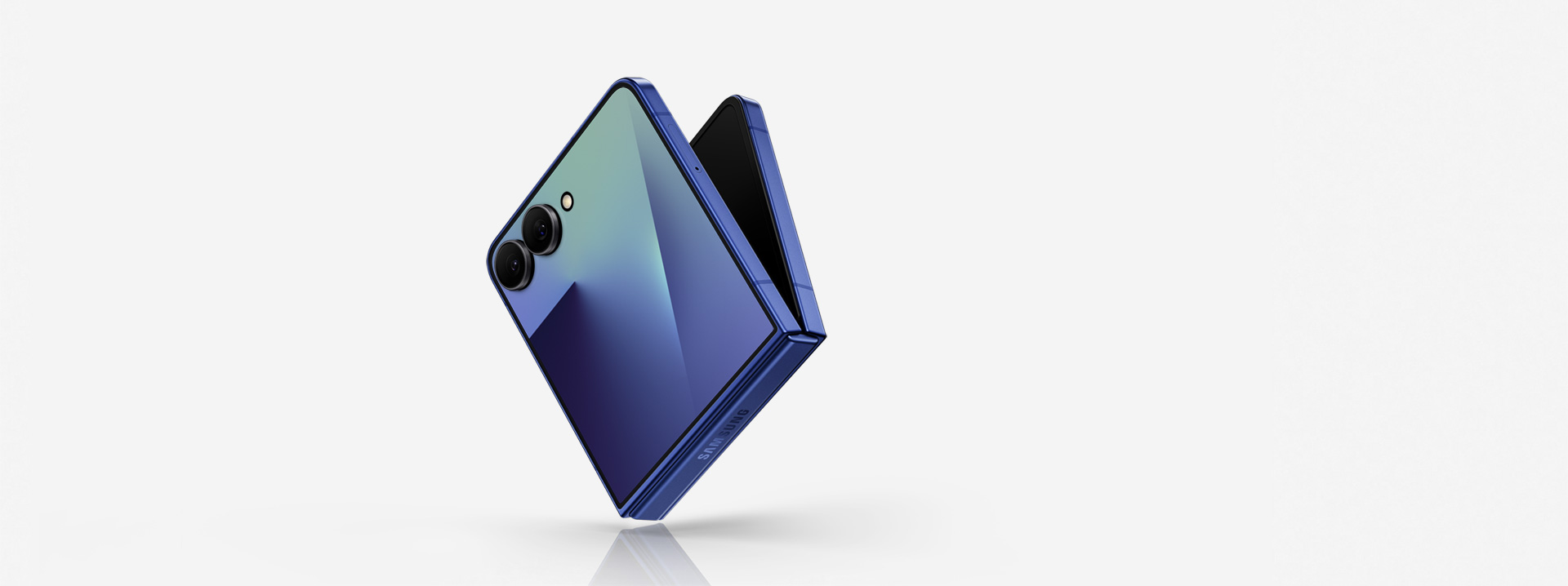
Check Price on Amazon As an Amazon Associate I earn from qualifying purchases.Samsung’s approach with the Galaxy Z Flip 7 is refined and mature. The body uses Gorilla Glass Victus 3 on the exterior and an upgraded Armor Aluminum frame, making it more resistant to scratches and drops than previous models. The hinge mechanism is smoother this year, with less visible crease when unfolded. The Z Flip 7 feels sturdy, with a satisfying snap when you close it. It’s also rated IPX8 water-resistant, so you don’t have to worry about splashes or brief submersion.
Vivo’s X Flip is a strong contender. Its body combines aerospace-grade aluminum and a textured glass finish, which gives a premium touch and better grip. The hinge design is solid, but the crease in the middle is a bit more visible compared to the Samsung. However, Vivo adds a unique touch with more color options and artistic finishes. While it is not officially water-resistant, the X Flip uses nano-coating for some protection against spills.
In real-world use, Samsung’s device feels slightly more robust, especially for users who worry about accidental drops or exposure to water. But for those who value style and customization, Vivo’s diverse finishes stand out.
Display And Foldable Technology
A foldable phone’s display is its centerpiece, and both brands focus on delivering a stunning experience.
The Galaxy Z Flip 7 features a 6.9-inch Dynamic AMOLED 2X main screen with a crisp 2640 x 1080 resolution. The refresh rate reaches 120Hz, making animations and scrolling feel smooth. Samsung has reduced the crease visibility, and the display supports HDR10+, so colors pop in videos and photos. The cover screen is a 3.4-inch Super AMOLED, big enough for widgets, notifications, and even replying to messages without opening the phone.
Vivo’s X Flip brings a 6.8-inch AMOLED display with a similar 120Hz refresh rate and 2520 x 1080 resolution. Vivo’s color calibration emphasizes natural tones, which is noticeable when viewing photos. The crease is slightly more visible, but most users adapt quickly. The external display is 3 inches, a bit smaller than Samsung’s, but it’s still practical for checking notifications, controlling music, and using some quick apps.
Both phones use Ultra Thin Glass for flexibility and durability, but Samsung’s advanced hinge engineering gives it a slight edge in display smoothness and longevity. One non-obvious insight: if you use your phone outside often, Samsung’s display gets a bit brighter in direct sunlight, making it easier to read on sunny days.
Performance And Hardware
Power and speed are critical, especially for multitasking or gaming. Here’s how each device stacks up.
The Galaxy Z Flip 7 runs on the latest Qualcomm Snapdragon 8 Gen 3 processor, paired with 12GB of RAM and storage options ranging from 256GB to 1TB. This setup delivers snappy performance for everything from social media to heavy gaming. The device rarely stutters, and the new cooling system keeps it from overheating during extended use.
Vivo’s X Flip uses the Snapdragon 8+ Gen 2 chipset, which is a step behind Samsung’s but still capable. It comes with either 8GB or 12GB of RAM and storage options up to 512GB. In daily tasks, it’s fast and fluid. However, when running demanding apps or multitasking heavily, you might notice the occasional lag compared to the Z Flip 7.
Samsung also includes UFS 4.0 storage, ensuring faster data read/write speeds. This is especially noticeable when transferring large files or installing apps. Vivo’s UFS 3.1 storage is quick but not quite as fast.
In terms of hardware reliability, Samsung’s higher RAM and newer processor give it a clear advantage for power users. But for average users, the difference is subtle unless you push the phone to its limits.
Camera Features And Quality
Foldable phones are not just about looks—they need to deliver excellent photos and videos too.
The Galaxy Z Flip 7 brings a dual rear camera setup: a 50MP main sensor and a 12MP ultra-wide lens. The front-facing camera is 10MP. Samsung’s processing boosts colors and sharpness, making photos look vibrant, especially in daylight. In low light, the phone uses Night Mode and AI enhancements for clearer, less noisy shots. The camera app is optimized for hands-free selfies when the phone is half-folded, and you can preview shots on the cover screen.
Vivo’s X Flip also features a dual rear camera: a 50MP main sensor (co-engineered with ZEISS optics) and a 12MP ultra-wide. The selfie camera is 32MP, which means sharper front-facing shots. Vivo puts extra emphasis on skin tones and natural color reproduction, making portraits look more true-to-life. The camera’s “Vlog Mode” and AI scene detection are useful for social media content creators.
One area where Vivo surprises is in video stability. The X Flip uses advanced EIS (electronic image stabilization), making handheld videos less shaky. However, Samsung’s HDR video and better microphone pick-up are noticeable in recordings.
If you’re a selfie lover or vlogger, Vivo’s front camera and software tools offer a slight edge. For overall photography, especially in tough lighting, Samsung’s computational photography and software polish shine.

Battery Life And Charging
A foldable phone needs to last all day, and charging should be quick and hassle-free. Here’s how these two compare.
The Galaxy Z Flip 7 packs a 3,800mAh battery, which is an improvement over previous models. With average use—social media, calls, browsing, and some video—the phone easily lasts a full day. Heavy users might need a quick top-up in the evening. Samsung supports 45W wired charging and 15W wireless charging. It also offers reverse wireless charging, so you can power up your earbuds or another phone in a pinch.
Vivo’s X Flip comes with a slightly larger 4,400mAh battery. This extra capacity gives it a small advantage in screen-on time, especially if you watch a lot of videos or play games. The X Flip supports 44W fast charging, which gets you from 0 to 70% in around 30 minutes. However, it lacks wireless charging, which some users may miss.
One insight most people overlook: even though Vivo’s battery is bigger, Samsung’s power-efficient chipset and software optimization help close the gap. If you often use wireless charging pads, Samsung is the clear choice. For those who plug in and want the longest possible screen time, Vivo slightly wins.
Software Experience And Updates
Software is often the difference between a good phone and a great one. Both brands add their unique features on top of Android.
The Galaxy Z Flip 7 runs One UI 6 based on Android 14. Samsung’s software is famous for its stability, customization, and features tailored for foldable devices. For example, Flex Mode lets you split the screen in creative ways when the phone is half-open—great for video calls or multitasking. Samsung also promises at least 4 years of major Android updates and 5 years of security patches, which is above industry average.
Vivo’s X Flip uses Funtouch OS 14, also based on Android 14. Vivo’s software is lighter and more straightforward, with less bloatware out of the box. The interface is fluid and user-friendly. Special features like “Multi-Turbo” boost gaming, and “Easy Share” makes file transfers simple. However, Vivo’s update policy is less clear: typically, users can expect 2-3 major Android updates and security patches for about 3 years.
One thing beginners miss: Samsung’s ecosystem is more mature. If you use Galaxy Buds, Galaxy Watch, or other Samsung devices, integration is seamless. Vivo’s ecosystem is improving, but it’s not as broad or deeply integrated.
Special Features And Innovations
Foldable phones offer more than just a new shape—they bring unique tricks and features.
The Galaxy Z Flip 7 leads with its Flex Mode, which activates special controls in apps when the phone is partially folded. For example, you can prop the phone on a table, use the top half for video and the bottom half for controls, or take hands-free selfies. Samsung also includes Samsung DeX, turning your phone into a desktop computer when connected to a monitor. The Z Flip 7 supports eSIM and traditional SIM cards, plus has enhanced privacy features like Secure Folder.
Vivo’s X Flip introduces some fresh ideas too. Its Vlog Mode uses AI to automatically edit short videos, and “Cover Screen Apps” let you run mini-apps on the external display—such as checking your schedule or replying to messages. Vivo’s “Super Gesture” allows you to control the phone hands-free, useful when your hands are dirty or busy. The X Flip also has a unique “Photo Booth” mode, snapping a series of photos with fun effects.
A non-obvious feature: Samsung’s improved hinge allows for more precise folding angles, making it easier to use the phone as a mini tripod for group selfies or time-lapse videos. Vivo’s gesture controls, while not as widely known, can be a huge help for users who often multitask.
Price And Value For Money
Price is often the deciding factor, but value is about more than just cost. Here’s how these phones compare when it comes to your wallet.
The Samsung Galaxy Z Flip 7 starts at around $1,099 for the 256GB model, with higher prices for more storage. Given Samsung’s brand reputation, build quality, and update promise, many see this as a premium but fair price for a flagship foldable. Discounts and trade-in offers are common, especially soon after launch.
Vivo’s X Flip is priced a bit lower, starting at approximately $899 for the base version. This makes it attractive for those wanting a foldable without breaking the bank. Vivo includes a protective case and fast charger in the box, adding extra value. However, resale value and long-term support are usually better with Samsung.
A hidden insight: Samsung devices tend to hold their value better on the used market, partly due to global demand and software support. If you plan to upgrade every year or two, this can offset the higher initial cost. Vivo’s lower price is great if you want to try foldables without a big investment.
Here’s a quick comparison of the most important specs:
| Feature | Samsung Galaxy Z Flip 7 | Vivo X Flip |
|---|---|---|
| Main Display | 6.9″ Dynamic AMOLED 2X, 120Hz | 6.8″ AMOLED, 120Hz |
| Processor | Snapdragon 8 Gen 3 | Snapdragon 8+ Gen 2 |
| RAM | 12GB | 8GB / 12GB |
| Battery | 3,800mAh | 4,400mAh |
| Rear Camera | 50MP + 12MP | 50MP + 12MP |
| Front Camera | 10MP | 32MP |
| Water Resistance | IPX8 | No official rating |
| Price (Base) | $1,099 | $899 |
Real-world Usability: Which Should You Choose?
After looking at all the specs and features, you might still wonder: how do these phones fit into daily life? Here are some key scenarios to help you decide.
If you value durability, long-term updates, and a seamless ecosystem, the Samsung Galaxy Z Flip 7 is the better fit. Its water resistance, better hinge, and software promise make it a safer bet for everyday use and future-proofing. It’s also more comfortable for those who rely on wireless charging and need top-notch multitasking.
If your focus is on value, camera selfies, and fun features, the Vivo X Flip stands out. Its lower price, sharper front camera, and creative tools are ideal for social media fans and anyone wanting a stylish device. The bigger battery is a plus for heavy users who don’t mind plugging in to charge.
One often-overlooked point: If you travel internationally, Samsung’s global support network is wider, making it easier to get repairs or help abroad. Vivo’s after-sales service is stronger in Asia but less established elsewhere.
For a quick decision, compare your priorities with this side-by-side table:
| Who Should Buy? | Samsung Galaxy Z Flip 7 | Vivo X Flip |
|---|---|---|
| Best For | Tech enthusiasts, power users, Samsung fans | Style seekers, selfie lovers, budget-conscious |
| Strength | Durability, updates, display quality | Front camera, price, creative tools |
| Weakness | Higher cost, visible crease (minor) | No wireless charging, fewer updates |
If you’re still on the fence, reading in-depth reviews or trying out demo units in a store can reveal details you can’t get from specs alone. For more information on the latest foldable technology, check out this Wikipedia page on foldable smartphones.
Frequently Asked Questions
How Durable Are The Samsung Galaxy Z Flip 7 And Vivo X Flip Compared To Normal Smartphones?
Both phones are more durable than earlier foldables, but the Samsung Galaxy Z Flip 7 is ahead with its IPX8 water resistance and stronger hinge design. The Vivo X Flip feels solid but is more vulnerable to water damage. As with any foldable, avoid bending the phone backwards or putting pressure on the screen.
Do Both Phones Support 5g Networks?
Yes, both the Galaxy Z Flip 7 and Vivo X Flip support 5G. They work with most modern networks in the US, Europe, and Asia. Check the specific model’s band support if you travel often or use less common carriers.
Which Phone Is Better For Selfies And Social Media Content?
The Vivo X Flip is slightly better for selfies due to its 32MP front camera and creative software tools. The Samsung Galaxy Z Flip 7 is excellent too, especially using the cover screen for main camera selfies, but Vivo’s software and sensor offer more options for portrait and beauty modes.
How Often Do Samsung And Vivo Release Software Updates?
Samsung promises 4 years of Android updates and 5 years of security patches for the Z Flip 7, making it one of the best for long-term support. Vivo typically offers 2-3 years of updates. Samsung’s longer update cycle means your phone stays secure and gets new features for a longer period.
Is There A Big Difference In Daily Battery Life?
Vivo’s X Flip has a slightly larger battery, so it lasts a bit longer on a single charge, especially with heavy use. However, Samsung’s software efficiency narrows the gap. If you use wireless charging, Samsung is better. For maximum unplugged time, Vivo has the edge.
Both the Samsung Galaxy Z Flip 7 and Vivo X Flip bring something special to the foldable market. Your choice depends on what matters most—premium build and updates, or value and camera creativity. Either way, you’ll enjoy the future of smartphones in your pocket.


