

The smartphone market is always changing, but 2024 brings two standout devices: the Samsung Galaxy Z Flip 7 and the Xiaomi 15. Both phones target users who want high-end features, but their styles and priorities are very different. The Z Flip 7 focuses on foldable technology and a unique design, while the Xiaomi 15 bets on top specs and a great value. If you’re deciding between these two, the choice is not easy. Let’s look at the seven key areas that matter most: design, display, performance, camera, battery, software, and price. This in-depth comparison will help you see which phone matches your needs.
Design And Build Quality
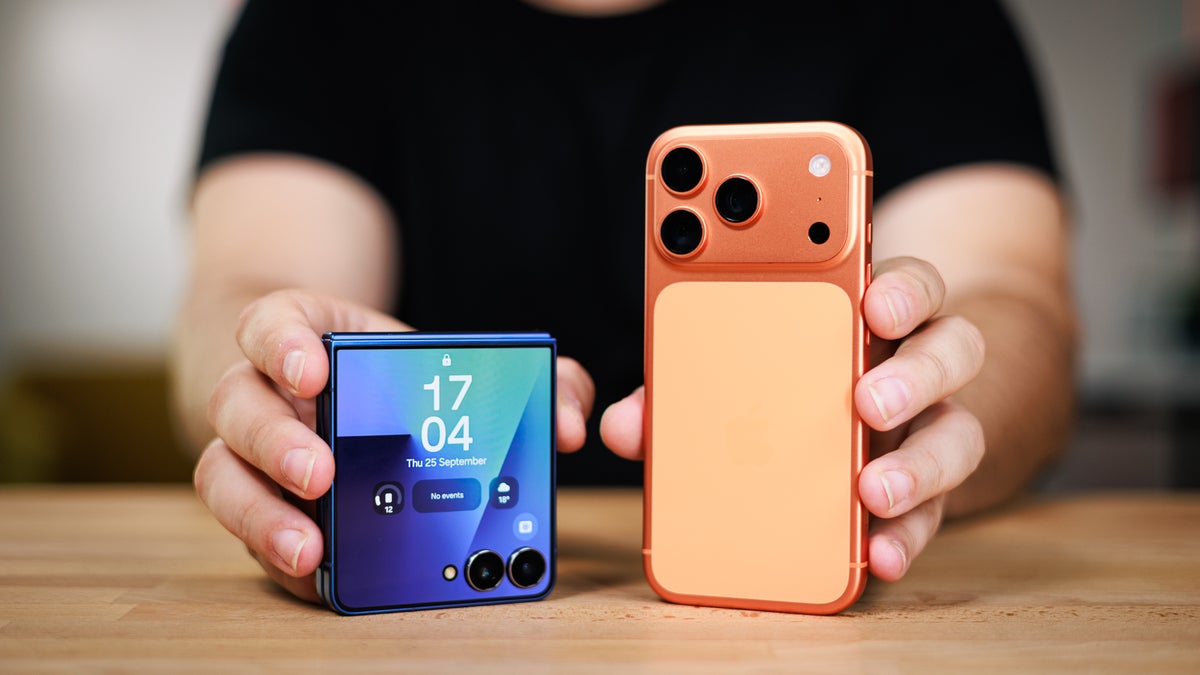
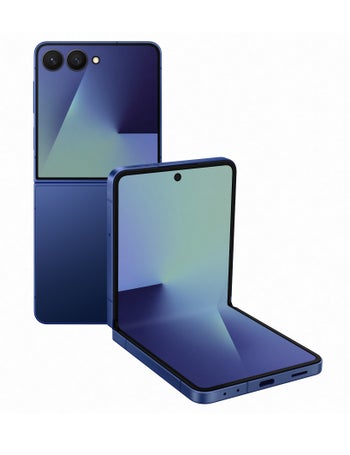
The design of a phone is the first thing you notice, and these two phones take very different paths. The Samsung Galaxy Z Flip 7 continues Samsung’s trend of compact foldables. It folds in half, so it can fit easily into your pocket or bag. The hinge is more durable than before, promising over 400,000 folds without failure, and the outer shell uses Gorilla Glass Victus 3 with an aluminum frame. This makes the Flip 7 both stylish and strong.

36% off Today’s Exclusive Deals
Limited-time Exclusive Deals. Check current discount on Amazon.
Check Price on Amazon As an Amazon Associate I earn from qualifying purchases.On the other hand, the Xiaomi 15 has a classic bar shape. It uses a single piece of curved glass at the back with a thin metal frame. The phone is very slim at just 7.2mm and weighs 185g, making it comfortable in the hand. Xiaomi puts a lot of attention into details, like the camera bump, color finishes, and button feel.
A key insight: While the Flip 7’s foldable design is eye-catching and practical for space, it also introduces a crease on the inner display. Some users find this distracting, though Samsung has improved it compared to past models. The Xiaomi 15, by sticking to a regular design, avoids this issue and feels more solid.
In terms of water and dust resistance, the Flip 7 offers IPX8 rating (water-resistant when unfolded, but not dustproof). The Xiaomi 15 gives IP68 protection, which means it is better protected from both dust and water. This can be important if you work or travel in rough environments.
Display Quality
Screens are more than just size and resolution today. Both phones offer bright, colorful displays, but the experience is very different because of their forms.
The Galaxy Z Flip 7 has a 6.8-inch Dynamic AMOLED 2X main screen with Full HD+ resolution (2640 x 1080 pixels) and a smooth 120Hz refresh rate. When closed, a larger 3.9-inch outer display lets you check notifications, control music, or even use some apps without opening the phone. The AMOLED technology means deep blacks, vivid colors, and excellent contrast, whether you’re indoors or outside. The main display supports HDR10+, which is great for watching streaming content.
The Xiaomi 15 brings a 6.73-inch LTPO AMOLED display with Quad HD+ resolution (3200 x 1440 pixels) and up to 120Hz adaptive refresh rate. This means the display is sharper than the Flip 7’s, and it can automatically adjust refresh speed to save battery. Xiaomi’s screen offers up to 1,800 nits peak brightness, making it easy to see even in strong sunlight. The panel supports Dolby Vision and HDR10+.
A practical note: The Z Flip 7’s foldable screen is made of ultra-thin glass with a plastic layer. This makes it less scratch-resistant than the Xiaomi 15’s screen, which uses Corning Gorilla Glass Victus 3.
If you watch a lot of videos or play games, the Xiaomi 15’s higher resolution and brightness give it an edge. But if you love the idea of a compact phone that opens up to a big screen, the Flip 7 is unique.
Here’s a quick side-by-side comparison:
| Feature | Galaxy Z Flip 7 | Xiaomi 15 |
|---|---|---|
| Main Display Size | 6.8 inches | 6.73 inches |
| Resolution | 2640 x 1080 (FHD+) | 3200 x 1440 (QHD+) |
| Refresh Rate | 120Hz | 120Hz (adaptive) |
| Outer Display | 3.9 inches | None |
| Peak Brightness | 1,600 nits | 1,800 nits |
| Protection | Ultra Thin Glass (main), Gorilla Glass Victus 3 (cover) | Gorilla Glass Victus 3 |

Performance And Hardware
Both phones use the latest hardware, but there are some important differences. The Galaxy Z Flip 7 runs on the Qualcomm Snapdragon 8 Gen 3 (4nm) chipset, paired with 8GB or 12GB of RAM and up to 512GB of internal storage. This is one of the fastest processors you can get, and it handles heavy multitasking, gaming, and AI features smoothly.
The Xiaomi 15 also uses the same Snapdragon 8 Gen 3 platform, but offers more RAM options (8GB, 12GB, and 16GB) and up to 1TB of storage. This means if you need extra memory for demanding apps or lots of photos/videos, Xiaomi gives you more flexibility.
A non-obvious insight: The Z Flip 7’s foldable form factor means less space for cooling. In extreme gaming or long video recording, it might get warmer and throttle performance sooner than the Xiaomi 15. Xiaomi’s larger, flat body allows for a bigger vapor chamber and better heat management.
Both phones support 5G, Wi-Fi 7, Bluetooth 5.3, NFC, and dual-SIM. However, the Xiaomi 15 offers an infrared blaster, which can be used as a remote control for TVs and other electronics—a small feature, but handy in daily life.
Benchmarks show both phones are among the fastest in 2024, but the Xiaomi 15 scores slightly higher in sustained tasks due to better cooling.
Here’s another direct hardware comparison:
| Feature | Galaxy Z Flip 7 | Xiaomi 15 |
|---|---|---|
| Processor | Snapdragon 8 Gen 3 | Snapdragon 8 Gen 3 |
| RAM | 8/12GB | 8/12/16GB |
| Storage | 256/512GB | 256GB/512GB/1TB |
| Cooling | Standard vapor chamber (smaller) | Large vapor chamber |
| Infrared Blaster | No | Yes |
Camera Systems
A good camera is a must-have for many users. Here, both phones offer strong setups, but with different strengths.
The Galaxy Z Flip 7 has two main cameras on the back: a 50MP wide and a 12MP ultra-wide. The main sensor uses dual pixel autofocus and optical image stabilization (OIS), which helps in low-light and action shots. Selfies are taken using a 10MP punch-hole camera on the main screen, but you can also use the rear cameras for selfies by folding the phone halfway and using the cover screen as a viewfinder.
The Flip 7’s unique form factor makes it great for creative shooting angles. You can set the phone on a table, fold it partway, and shoot hands-free—almost like having a mini tripod.
The Xiaomi 15 offers a triple-camera setup: a 50MP wide, a 50MP ultra-wide, and a 50MP 2x telephoto lens. All three sensors are large, and the telephoto lens lets you zoom in without losing detail. The main camera features advanced OIS and uses a custom Leica lens for natural color and sharpness. The 32MP front camera also supports 4K video.
In daily use, Xiaomi’s cameras produce sharper images with more natural colors, especially in daylight. Low-light photos are excellent on both phones, but the Xiaomi 15 has less noise and more detail. The Flip 7’s ultra-wide is a bit weaker in edge clarity.
A practical tip: The Flip 7’s camera is very useful for group selfies or vlogs, thanks to its Flex Mode and cover screen preview. The Xiaomi 15 is better for zoom shots and detailed portraits.
Here’s a camera spec summary:
| Feature | Galaxy Z Flip 7 | Xiaomi 15 |
|---|---|---|
| Main Camera | 50MP wide, f/1.8 | 50MP wide, f/1.6 |
| Ultra-wide | 12MP, f/2.2 | 50MP, f/2.2 |
| Telephoto | None | 50MP, 2x zoom |
| Front Camera | 10MP | 32MP |
| Video Recording | 4K @ 60fps | 8K @ 24fps, 4K @ 60fps |
| Special Features | Flex Mode, Dual Preview | Leica lens, advanced portrait |
Battery Life And Charging
Battery is always a concern, especially for powerful phones with bright screens. The Galaxy Z Flip 7 uses a 3,700mAh battery, which is a bit smaller due to its folding design. With typical use—calls, social media, browsing, and some video—it lasts about a full day, but heavy users may need to top up in the evening.
Charging is fast, but not the fastest: 25W wired charging gets you to 50% in about 30 minutes, and the phone also supports 15W wireless charging.
The Xiaomi 15 has a larger 4,800mAh battery. With the efficient Snapdragon 8 Gen 3 and adaptive display, it lasts a day and a half for most users, even with gaming or video streaming. Wired charging is much quicker: 90W (wired) can fully charge the battery in about 30 minutes, and 50W wireless charging is also available.
A less obvious insight: Because the Flip 7’s battery is split into two cells (one on each side of the fold), charging and heat distribution is more complex. In some cases, this can slightly increase battery aging over time compared to a regular phone.
If battery life and charging speed are priorities, the Xiaomi 15 is the clear winner.
Software Experience
Software can make or break your smartphone experience. Both Samsung and Xiaomi use Android, but with their own customizations.
The Galaxy Z Flip 7 launches with Android 14 and Samsung’s One UI 6.1. Samsung promises at least four years of major OS updates and five years of security patches. One UI is known for its clean look, smooth animations, and useful features like Flex Mode, which lets you split the screen and use apps in creative ways when the phone is folded.
Samsung includes tools like Samsung DeX (for desktop-like experience), deep integration with Windows PCs, and solid privacy controls. The software is stable and well-optimized for the Flip’s foldable hardware.
The Xiaomi 15 uses Android 14 with HyperOS, Xiaomi’s new interface. It’s fast, offers many customization options, and includes features like floating windows, a smart sidebar, and advanced privacy settings. Xiaomi promises three years of major OS updates and four years of security updates.
A non-obvious insight: One UI tends to be less aggressive with background app management, so notifications arrive more reliably. Xiaomi’s HyperOS is fast but sometimes closes apps in the background to save battery, which can affect things like instant messaging.
Both phones support themes, split-screen multitasking, and strong parental controls. However, Samsung’s update policy is slightly better, and its software is more consistent worldwide.
Price And Value
Price is often the deal breaker. The Galaxy Z Flip 7 starts at $999 for 256GB and goes up to $1,099 for 512GB. You pay for the foldable design and Samsung’s brand value. In the US and Europe, you get strong after-sales support and trade-in programs.
The Xiaomi 15 starts at around $699 for 256GB, $799 for 512GB, and $899 for 1TB (prices can vary by region). Xiaomi’s value proposition is clear: you get top specs for less money.
A key point: The Flip 7’s price includes the unique folding experience. If you want the latest technology and a phone that stands out, it’s worth the premium. The Xiaomi 15 offers better hardware for less but doesn’t have the novelty of a foldable.
If you plan to resell your phone after a year or two, Samsung’s devices tend to keep value better, especially in Western markets. However, Xiaomi phones are becoming more popular and have strong resale in Asia.
Which One Should You Choose?
Choosing between the Samsung Galaxy Z Flip 7 and the Xiaomi 15 depends on what matters most to you.
- If you want a unique folding design, pocketable size, and creative camera angles, the Z Flip 7 is unmatched. Its software is polished and updates are reliable. But battery life and camera zoom are not as strong.
- If you prefer top specs, long battery life, and a lower price, the Xiaomi 15 is hard to beat. It’s a safe bet for power users, gamers, and photo lovers who want value for money.
A small but important detail: Foldable screens are still less durable than classic glass. If you’re rough on your phones, the Xiaomi 15 is safer.
Both phones are excellent, but they serve different users. Consider your needs carefully, and you’ll find the right fit.
For more on foldable phone technology, you can check the Wikipedia foldable smartphone page.
Frequently Asked Questions
Is The Samsung Galaxy Z Flip 7 More Durable Than Previous Flip Models?
Yes, the Z Flip 7 uses a stronger hinge and better materials. It is rated for over 400,000 folds and has Gorilla Glass Victus 3 on the cover. However, the folding screen is still more sensitive to scratches than a regular display.
Does The Xiaomi 15 Support Wireless Charging?
Yes, the Xiaomi 15 supports 50W wireless charging. This is much faster than the Flip 7’s 15W wireless charging, making it one of the best in its class.
Which Phone Gets Software Updates For Longer?
Samsung promises four years of major Android updates and five years of security patches for the Z Flip 7. Xiaomi offers three years of OS updates and four years of security updates for the Xiaomi 15. So, Samsung has a slight advantage in this area.
Can I Use The Galaxy Z Flip 7’s Cover Screen For All Apps?
You can use many apps on the 3. 9-inch cover screen, such as messaging, music, and camera. However, not all apps are supported. Samsung is adding more support, but some complex apps need the main screen.
Which Phone Is Better For Gaming?
Both phones use the Snapdragon 8 Gen 3 and are excellent for gaming. The Xiaomi 15’s better cooling and larger battery make it more suitable for long gaming sessions. The Z Flip 7 can get warmer after extended play due to its foldable design.
Both the Samsung Galaxy Z Flip 7 and Xiaomi 15 are among the top smartphones of 2024. Your choice comes down to whether you want the excitement of a foldable or the all-around power of a classic flagship. Take your time, compare your priorities, and choose the phone that fits your lifestyle best.

