

When you watch boats pulling water skiers or wakeboarders across a lake, there’s a key piece of equipment making it all possible. It’s not just the engine or the rope. It’s the ski pylon—a simple but essential device that often gets overlooked. Whether you’re new to water sports or just curious about boating technology, understanding what a ski pylon does can help you enjoy safer and smoother rides. Let’s explore how ski pylons work, why they matter, and what you should know before buying or using one.
What Is A Ski Pylon?
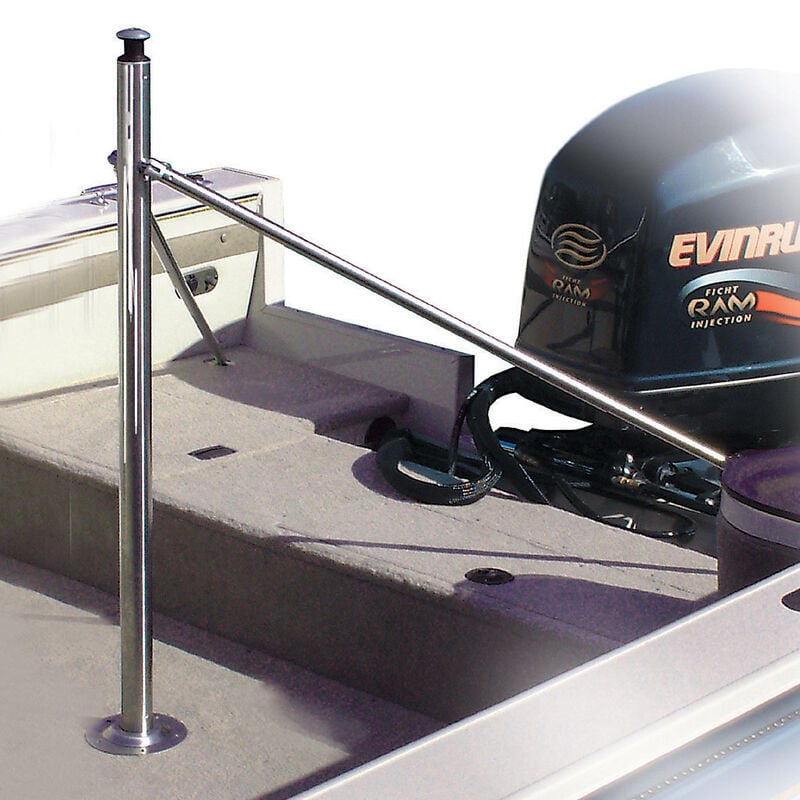
A ski pylon is a strong vertical post mounted on a boat, designed to attach the tow rope for water skiing, wakeboarding, tubing, or similar sports. Its main purpose is to create a higher, centered anchor point for the tow rope. This improves the skier’s experience by keeping the rope above the water and reducing drag. Ski pylons are made from tough materials like stainless steel or aluminum, ensuring they handle the forces from pulling a person or even multiple riders.
Unlike attaching a rope to a low cleat or the back of the boat, a ski pylon lifts the rope several feet above deck level. This helps skiers stand up easily and keeps the rope away from propellers, seats, and other obstacles.
Most ski pylons are removable, but some are permanently fixed as part of the boat’s design.
The Purpose And Benefits Of A Ski Pylon
The ski pylon is more than just a post—it’s a safety and performance tool. Here’s why it matters:
- Improved rope angle: Raising the rope gives skiers and wakeboarders a better pull, making it easier to stand up and stay balanced.
- Centering the tow point: Placing the pylon near the center of the boat reduces sideways pull, which keeps the boat stable and makes steering easier.
- Protecting equipment and passengers: A pylon lifts the rope away from hardware and people, reducing the risk of tangles and injuries.
- Reducing wear and tear: The sturdy design distributes force evenly, preventing damage to the boat’s body, cleats, or rails.
Many beginners don’t realize that using a ski pylon can make learning much easier. Without a pylon, the rope may drag through water, making starts harder and increasing the risk of falling.
Types Of Ski Pylons
Ski pylons come in several designs to fit different boats and activities. Here are the main types:
- Fixed ski pylons: Permanently installed, often found on dedicated ski boats.
- Removable ski pylons: Can be attached or detached as needed, ideal for multi-use boats.
- Adjustable ski pylons: Height can be changed, useful for different sports or riders.
- Universal ski pylons: Designed to fit many boat models, often with flexible mounting options.
- Tower pylons: Part of wakeboard towers, combining height and sturdiness for advanced tricks.
Comparing Ski Pylon Types
Here’s a comparison of key features:
| Type | Mounting | Height Range | Best For |
|---|---|---|---|
| Fixed | Permanent | Usually 3–4 ft | Dedicated ski boats |
| Removable | Temporary | 2–5 ft | Multi-use boats |
| Adjustable | Variable | 2–6 ft | Families, varied sports |
| Universal | Flexible | 2–5 ft | General use, rentals |
| Tower | Integrated | 5–7 ft | Wakeboarding, advanced tricks |
Beginners often miss that not every pylon fits every boat. Choosing the right type depends on your boat’s layout and the water sports you plan to enjoy.
Key Components And Materials
A ski pylon is simple but carefully engineered. Most include:
- Main pole: The vertical shaft, usually made from stainless steel or aluminum for strength and corrosion resistance.
- Mounting base: Attaches to the boat’s deck or floor; must be strong to handle force.
- Support arms: Some pylons have arms or braces that connect to other parts of the boat for stability.
- Tow point or ring: The top part where the rope attaches, often a smooth ring or hook.
- Quick-release mechanism: Allows fast removal, useful for boats with limited space.
Material Comparison
Here’s how common materials stack up:
| Material | Strength | Corrosion Resistance | Weight |
|---|---|---|---|
| Stainless Steel | Very High | Excellent | Heavy |
| Aluminum | High | Good | Light |
| Composite | Medium | Very Good | Very Light |
Most professional pylons use stainless steel for maximum durability. Aluminum is popular for lighter boats and easier handling.

How A Ski Pylon Works
When you attach a tow rope to a ski pylon, the device raises the rope’s anchor point. This changes the angle at which force is applied to the skier. Instead of pulling from a low spot, the pylon pulls upward and forward, making it easier to get out of the water and maintain balance.
The rope is attached to the tow ring at the top. As the boat accelerates, the skier feels a smoother, more stable pull. The pylon also absorbs shocks and sudden movements, protecting both the boat and the skier.
For boats with outboard motors, the pylon is usually placed just behind the driver’s seat or in the middle of the deck. Inboard boats often have fixed pylons near the engine compartment.
One non-obvious insight: The height of the pylon affects not just the ease of start but also the size and shape of the wake. A higher pylon can make jumps and tricks easier for wakeboarders.
Installation And Safety Considerations
Installing a ski pylon is not just about bolting it down. It requires careful planning to ensure safety and performance.
- Positioning: The pylon should be as close to the boat’s centerline as possible. This avoids uneven forces and makes steering easier.
- Securing the base: The mounting area needs to be solid—usually reinforced with extra plates or brackets.
- Support arms: For removable or adjustable pylons, support arms prevent wobbling and distribute force.
- Avoiding obstacles: Check for seats, rails, or electronics that could interfere with the pylon or the rope.
- Height: Too high can cause instability; too low can make starts harder.
Professional installers often use templates and measurement tools to get the placement exactly right. Installing a pylon incorrectly can lead to damage or accidents.
Safety Tips
- Always inspect the pylon before use for cracks or loose bolts.
- Never exceed the manufacturer’s weight or force limits.
- Use a quick-release for emergencies.
- Make sure passengers sit away from the rope’s path.
- Clean and maintain the pylon regularly to prevent rust or corrosion.
Many beginners miss the importance of checking the mounting area for hidden wiring or fuel lines. Always double-check before drilling.
Ski Pylon Vs. Wakeboard Tower
A ski pylon and a wakeboard tower both serve as tow points, but they are not the same. Wakeboard towers are larger, often arching over the boat, and provide a higher anchor point for more advanced tricks.
Here’s a quick comparison:
| Feature | Ski Pylon | Wakeboard Tower |
|---|---|---|
| Height | 3–5 ft | 5–7 ft |
| Mounting | Deck/Floor | Sides/Deck |
| Best For | Skiing, tubing | Wakeboarding, aerial tricks |
| Removability | Often removable | Usually fixed |
| Additional Features | Minimal | Speakers, racks |
If you’re focused on skiing and basic towing, a ski pylon is ideal. For advanced wakeboarding, a tower may be better.
Choosing The Right Ski Pylon
Picking a ski pylon involves several factors. Here’s what matters most:
- Boat type: Some boats cannot support a pylon due to deck shape or material.
- Intended use: Skiing, wakeboarding, or tubing—each has different requirements.
- Number of riders: Heavier loads need stronger pylons.
- Removability: Decide if you want a permanent or temporary solution.
- Budget: Prices range from $150 for basic models to over $1,000 for advanced systems.
- Brand reputation: Stick with trusted brands for reliability and safety.
Common Buyer Mistakes
- Buying a pylon that doesn’t fit your boat’s deck.
- Ignoring weight limits—using a light pylon for heavy towing.
- Choosing a permanent pylon when you need flexibility.
- Not checking for corrosion resistance, especially in saltwater areas.
- Forgetting to measure rope height and clearance.
Always read product reviews and consult your boat’s manual before making a decision. An expert can help with installation and compatibility.
Maintenance And Longevity
A ski pylon lasts a long time if properly maintained. Here’s how to keep yours in top shape:
- Clean after use: Saltwater can cause corrosion; rinse with fresh water.
- Inspect regularly: Look for cracks, bends, or loose fittings.
- Lubricate moving parts: Keeps quick-release and adjustable mechanisms working smoothly.
- Store safely: Remove and store in a dry area during off-season.
- Replace worn parts: Don’t wait for complete failure—replace damaged arms or rings promptly.
With proper care, a quality ski pylon can last 10–20 years. Neglect can cause early failure and safety risks.
Real-world Examples And Statistics
Water sports are popular in the US and worldwide. According to the Water Sports Industry Association, over 2.7 million Americans participate in water skiing each year. Most ski boats come with a pylon or tower, showing their importance.
A study from Boating Safety Magazine found that boats with ski pylons had 35% fewer rope-related accidents compared to boats without pylons. This is because pylons reduce tangles and keep ropes away from dangerous areas.
Many families report that their children learned to ski faster when using a pylon, thanks to the easier rope angle.

Alternatives To Ski Pylons
While ski pylons are the standard, some alternatives exist:
- Transom hooks: Attach directly to the back of the boat; lower height, less ideal for skiing.
- Tow eyes: Small rings built into the boat; usually for light towing.
- Wakeboard towers: Higher anchor, but bulkier and more expensive.
- Tow bars: Horizontal bars, mainly for tubing or multi-person rides.
Alternatives are often cheaper, but don’t offer the same performance or safety as a dedicated ski pylon.
Legal And Safety Regulations
Most states in the US have rules about towing water skiers. Here’s what you need to know:
- Capacity limits: Never tow more people than your pylon is rated for.
- Life jackets: All skiers must wear approved life jackets.
- Observer required: Someone must watch the skier, not just the driver.
- No towing in restricted areas: Some lakes ban towing near docks or swimming zones.
- Inspection rules: Some states require regular inspection of tow equipment.
Always check your local boating regulations before installing or using a ski pylon.
Frequently Asked Questions
What Is The Main Difference Between A Ski Pylon And A Wakeboard Tower?
A ski pylon is a vertical post mounted near the center of the boat, usually 3–5 feet high, mainly for water skiing and basic towing. A wakeboard tower is much higher (5–7 feet), mounted on the sides or deck, and designed for advanced wakeboarding tricks. Towers often include extras like speakers or board racks.
Can I Install A Ski Pylon Myself, Or Do I Need A Professional?
Many removable ski pylons can be installed by a careful owner with basic tools. However, fixed or adjustable pylons often require professional installation to ensure proper mounting and safety. Always follow the manufacturer’s instructions and consult an expert if unsure.
How Much Weight Can A Ski Pylon Handle?
Most ski pylons are rated for 200–600 pounds of pulling force, depending on the model and materials. Always check the manufacturer’s rating and never exceed it. Overloading can cause damage and increase the risk of accidents.
Are Ski Pylons Safe For Tubing And Wakeboarding?
Ski pylons are safe for water skiing, wakeboarding, and tubing, as long as you use the right model and follow safety guidelines. For heavy loads or advanced tricks, consider a reinforced pylon or a wakeboard tower.
Where Can I Learn More About Ski Pylons And Water Sports Safety?
For more details on ski pylons and boating safety, visit the Wikipedia Water Skiing page. It provides helpful information on equipment, regulations, and safe practices.
Final Thoughts
A ski pylon is a simple but vital part of any boat used for water skiing or wakeboarding. By raising and centering the tow rope, it improves safety, performance, and fun for everyone involved. Whether you’re a beginner or a seasoned skier, understanding ski pylons can help you make better choices and avoid common mistakes.
Choose the right type, install it carefully, and maintain it well—and you’ll enjoy years of safe and exciting water sports.
