

Sea-Doos have transformed the way people enjoy water sports, making activities like wakeboarding, tubing, and water skiing more accessible. One accessory that draws a lot of attention from Sea-Doo owners is the ski pylon. This small but mighty post, rising from the back of your Sea-Doo, becomes the main connection point for tow ropes. But how much weight can a Sea-Doo ski pylon really hold? If you’re thinking about pulling friends or family—or even just curious about the limits—this guide will break down everything you need to know. You’ll get real numbers, understand the risks, and learn tips for safe towing, all in clear language that’s easy to follow.
What Is A Sea-doo Ski Pylon?
A ski pylon is a metal post installed at the rear of a Sea-Doo personal watercraft (PWC). Its main job is to provide a high, central point to attach a tow rope for water sports like skiing, wakeboarding, or tubing. By raising the rope above the watercraft’s rear, a ski pylon helps keep the rope out of the water, reducing drag and making the ride smoother for the person being towed.

36% off Today’s Exclusive Deals
Limited-time Exclusive Deals. Check current discount on Amazon.
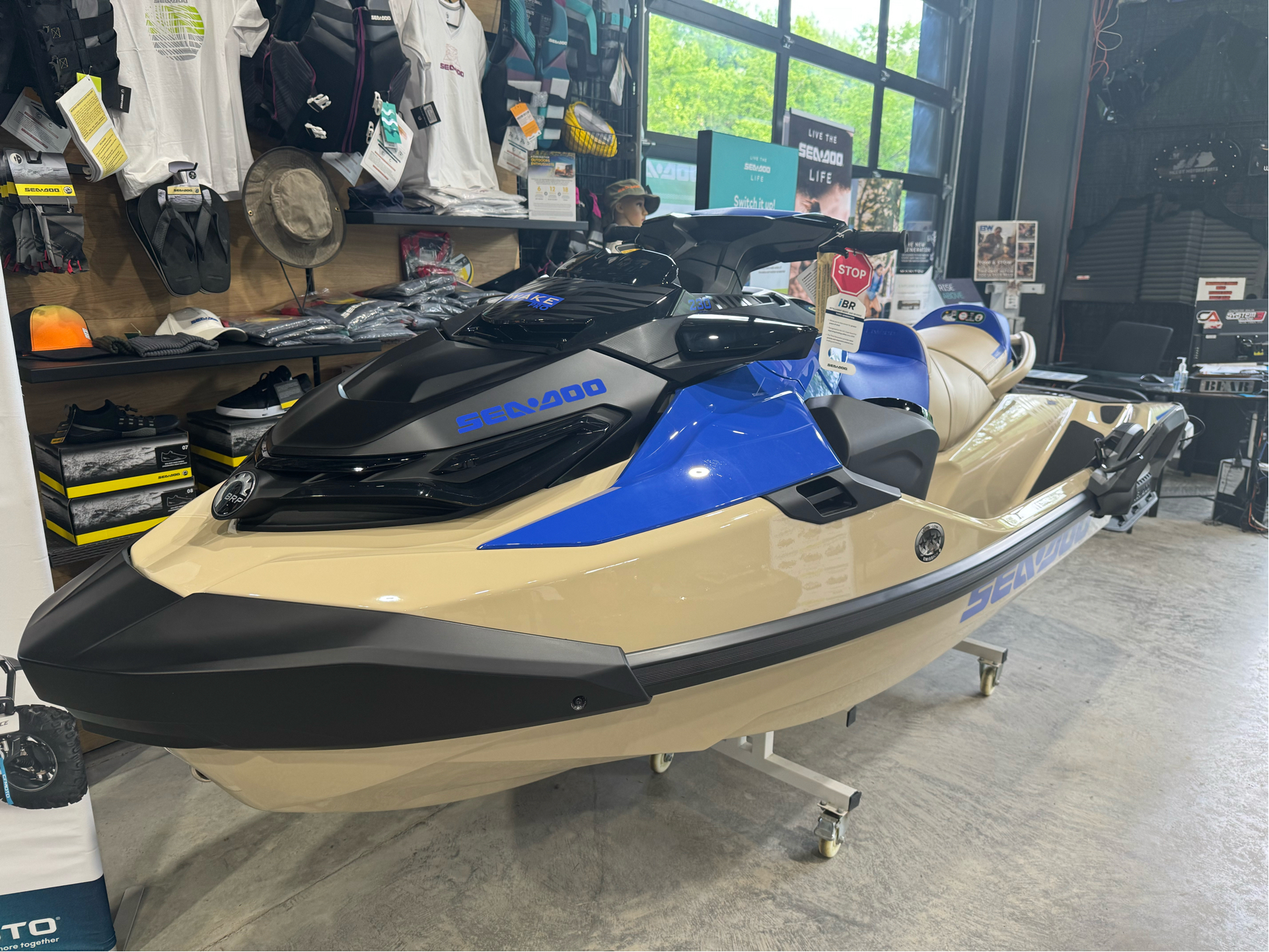
Check Price on Amazon As an Amazon Associate I earn from qualifying purchases.Most modern Sea-Doos that are designed for towing, such as the Wake and Wake Pro series, come with a retractable ski pylon as standard equipment. Others offer it as an optional accessory. The pylon usually locks into place for use and can be stowed away when not needed.
Standard Weight Limits For Sea-doo Ski Pylons
The maximum weight a ski pylon can hold isn’t just about the person you’re towing. It’s about the total tow load, which includes the rider, the force created by water drag, and any extra resistance from tricks or sharp turns. Sea-Doo doesn’t always publish exact numbers in the owner’s manual, but most factory-installed ski pylons have a maximum tow weight limit of around 200 to 250 pounds (90 to 113 kg).
Here’s a quick look at typical manufacturer ratings:
| Sea-Doo Model | Ski Pylon Weight Limit | Notes |
|---|---|---|
| Wake Pro 230 | 200 lbs (90 kg) | Factory-installed |
| Wake 170 | 200 lbs (90 kg) | Factory-installed |
| GTX with Tow Sport Package | 200 lbs (90 kg) | Optional pylon |
| Other Models (with accessory pylon) | 200-250 lbs (90-113 kg) | Depends on installation |
It’s important to know that these numbers reflect maximum safe load for towing sports like skiing or tubing. Exceeding the limit can damage your Sea-Doo or even cause accidents.
Why Weight Limits Matter
Many people focus only on the weight of the person behind the Sea-Doo, but the real forces at play are more complex. When you tow someone, the ski pylon deals with:
- The person’s weight and their gear (life jacket, skis, board)
- Water resistance (drag)
- Sudden pulls from turns, jumps, or tricks
- Rope angle and tension
The dynamic force—the pull created when a rider starts from the water or makes sharp movements—can be much higher than the person’s weight alone. For example, a 150-pound adult may create brief spikes of force over 300 pounds during a hard turn or jump. This is why Sea-Doo sets the ski pylon limit conservatively.
Factors Affecting The Ski Pylon’s Capacity
Not every Sea-Doo ski pylon is the same, and several things can affect how much weight it can safely handle.
1. Model And Year
Some Sea-Doo models are built for towing, while others are not. Wake and Wake Pro models have reinforced hulls and mounting points for the ski pylon. Older or smaller models may have less robust construction.
2. Factory Vs. Aftermarket Pylons
Factory-installed pylons are tested with the watercraft and are usually safer. Aftermarket pylons may claim higher limits, but these aren’t always verified. If you’re using an aftermarket accessory, always check the specific documentation.
3. Installation Quality
A poorly installed ski pylon is dangerous, even if the hardware itself is strong. Installation should use the correct mounting points, hardware, and follow all manufacturer instructions. Loose fittings or wrong placement can cause the pylon to fail.
4. Water Conditions
Rough water, strong wakes, or choppy conditions increase the forces on the ski pylon. If you often tow in challenging conditions, consider lowering your maximum tow weight for safety.
5. Type Of Tow Sport
Different activities create different loads:
- Tubing: Usually puts more strain due to bouncing and multiple riders.
- Wakeboarding/Skiing: Forces are higher during starts and tricks.
- Kneeboarding: Similar to wakeboarding, but starts may be harder on the pylon.

Real-world Examples: What Can You Tow?
To make this information practical, let’s look at what you can usually tow behind a Sea-Doo ski pylon, based on average weight limits.
Single Adult Water Skier
Most adults weigh between 120–200 pounds (54–90 kg). With the 200-pound limit, you can safely tow one adult skier, as long as they don’t exceed the limit with gear included.
Child Or Teenager On A Wakeboard
Children or teenagers generally weigh less than 120 pounds (54 kg). A Sea-Doo ski pylon can handle this without issues, making it ideal for family fun.
Two Small Children On A Tube
Tubing with two children (each around 60 pounds or 27 kg) is possible, as their combined weight is still within the limit. But remember: tubing creates more drag, so always monitor rope tension.
Multiple Adults Or Large Tubes
Exceeding the 200–250-pound limit is not safe. Never try to tow two adults or large multi-person tubes from the pylon. It risks equipment failure and injury.
Here’s how typical tow activities compare:
| Activity | Average Rider Weight | Pylon Suitability |
|---|---|---|
| Single Adult Skiing | 120-200 lbs | Yes |
| Teen Wakeboarding | 80-140 lbs | Yes |
| Two Small Kids Tubing | 60-120 lbs (total) | Yes |
| Two Adults Tubing | 200-350 lbs (total) | No |
| Large Multi-Person Tube | Over 250 lbs | No |
Engineering Behind The Limit: How Is It Calculated?
The weight limit of a Sea-Doo ski pylon isn’t just a random number. It’s based on engineering calculations and safety tests, including:
- Material strength: The steel or aluminum used must handle sudden loads.
- Mounting point strength: The hull area where the pylon attaches must be reinforced.
- Fatigue testing: Repeated stress from towing is simulated to check for failure.
- Safety margin: Limits are set below the failure point to prevent accidents.
Manufacturers use a combination of real-world towing scenarios and lab tests. They also consider the worst-case scenario, such as a rider falling and the rope snapping tight, which can create a force much higher than normal towing.
What Happens If You Exceed The Limit?
Going over the weight limit of your Sea-Doo ski pylon can cause several problems:
- Structural Damage: The pylon, its mounting bracket, or even the hull can crack or break. Repairs can be expensive and may void your warranty.
- Loss of Control: Too much force can pull the back of your Sea-Doo down, making it hard to steer or even causing swamping.
- Rope Snapback: If the pylon or rope breaks, the rope can whip back dangerously fast, risking serious injury.
- Accidents: Sudden failure can throw the rider or driver into the water or against the craft.
Always respect the manufacturer’s limits. Even if you think “just a little more” is okay, the risk is real.
Comparing Ski Pylons To Other Towing Points
You might wonder: why not just attach the tow rope to the rear eye hook or another spot? Here’s a comparison between using a ski pylon and other towing points.
| Towing Point | Max Weight | Best Use | Risks |
|---|---|---|---|
| Ski Pylon | 200-250 lbs | Water skiing, wakeboarding, small tubes | Overloading, improper install |
| Tow Eye Hook | Varies (often higher) | Heavier tubes, rescue | Low rope angle, more drag |
| Aftermarket Tower | Depends on design | Advanced sports | Hull stress, warranty issues |
The ski pylon is ideal for most water sports, but if you need to tow heavier loads (like a large rescue tube or multiple adults), the rear tow eye hook is usually safer. However, the lower rope angle can make sports less enjoyable, as the rope may drag in the water.
Manufacturer Guidelines And Warnings
Sea-Doo and other PWC brands are clear about following their recommendations. Here are some key points from official manuals and safety bulletins:
- Always use the correct pylon for your model.
- Never exceed the stated weight or person limit.
- Use only approved ropes and hardware.
- Check the pylon and mounting points before each ride for signs of wear or looseness.
- Never tow from a damaged or loose pylon.
Ignoring these rules can result in denied warranty claims and even legal liability if an accident occurs.
For more technical details, you can see official safety guidelines on the U.S. Coast Guard Boating Safety site.
Common Mistakes And How To Avoid Them
Even experienced Sea-Doo owners sometimes make mistakes when using ski pylons. Here are a few to watch out for:
- Guessing the Weight Limit: Always check the manual or accessory documentation. Don’t rely on “it looks strong enough.”
- Towing Multiple Riders: The pylon isn’t designed for multi-person tubes or double wakeboarding. Stick to one rider, and only if their weight (with gear) is within the limit.
- Ignoring Installation Instructions: If you install an aftermarket pylon, double-check every bolt and bracket. A shortcut here is dangerous.
- Neglecting Inspections: Before each trip, wiggle the pylon and check for rust, cracks, or loose bolts.
- Using Wrong Ropes: A rope that’s too thin or too long can add extra stress or snap under load. Use ropes designed for water sports and check their ratings.

How To Maximize Safety When Towing
If you want to get the most out of your Sea-Doo’s ski pylon, follow these safety practices:
Inspect Before Every Ride
- Check for cracks, bends, or loose fittings on the pylon.
- Look for signs of hull stress near the mounting points.
- Test the locking mechanism if it’s retractable.
Use Proper Equipment
- Use ropes rated for at least 600 pounds (272 kg) breaking strength for skiing or wakeboarding.
- Use the right length: 75 feet (23 meters) is standard for most water sports.
- Make sure all hardware (clips, hooks) is corrosion-resistant and designed for marine use.
Choose The Right Conditions
- Avoid towing in rough water or strong currents.
- Don’t tow during busy times when wakes from other boats are high.
- Always have a spotter (someone to watch the rider).
Communicate Clearly
- Use hand signals or a waterproof radio between driver and rider.
- Agree on signals for stopping, slowing down, or emergency situations.
Respect Weight Limits
- If in doubt, err on the side of caution.
- Remember that gear, life jackets, and waterlogged clothing add weight.
- If you want to pull heavier loads, use the tow eye hook—not the ski pylon.
Expert Tips For Better Towing Experience
- Keep Your Speed in Check: For skiing or wakeboarding, speeds between 18–25 mph (29–40 km/h) are usually ideal. Going faster increases strain on the pylon and reduces control.
- Monitor Rider Position: If the rider’s rope angle is too steep (from a high pylon), it can make deep-water starts harder. Adjust the rope length or try different mounting positions if possible.
- Replace Old Hardware: Sun, salt, and use can weaken metal over time. If your pylon or hardware looks worn, replace it before it fails.
- Upgrade Thoughtfully: If you need more towing capacity, consider a professional-grade tower or switch to a larger craft designed for heavy loads.
Beyond The Basics: Two Insights Many Miss
- Dynamic Loading Is the Real Limit: Many new owners believe the weight limit is about the rider alone. In reality, the pylon’s main enemy is the *dynamic load*—sudden, sharp pulls. These quick forces can be double or triple the static weight. A child doing a hard start can briefly create more force than a slow-moving adult, so always consider rider skill and activity type.
- Hull Reinforcement Matters: Some Sea-Doo models have extra reinforcement in the hull where the pylon attaches. Upgrading a model without this reinforcement, or installing an aftermarket pylon incorrectly, can damage the hull—not just the pylon.
Frequently Asked Questions
What Happens If I Tow More Than The Pylon’s Weight Limit?
Exceeding the weight limit can cause the ski pylon or its mounting hardware to fail. This might lead to hull damage, broken equipment, or even injuries if the rope snaps back or the pylon breaks loose. Always follow manufacturer guidelines to avoid these risks.
Can I Tow A Multi-person Tube With A Sea-doo Ski Pylon?
No, most ski pylons are designed for single-rider activities only. Towing a multi-person tube often exceeds the safe weight limit and creates high drag, which can damage your Sea-Doo and endanger riders.
Is It Safe To Install An Aftermarket Ski Pylon?
It can be safe if you choose a high-quality, model-specific product and install it according to the manufacturer’s instructions. However, factory-installed pylons are usually safer because they are tested with the specific model. Improper installation increases the risk of failure.
How Do I Know If My Pylon Is Still Safe To Use?
Regularly inspect the pylon for cracks, rust, or loose bolts. Check the mounting area for hull stress. If you notice any damage or unusual movement, stop using the pylon and get it inspected by a professional before towing again.
What’s The Best Way To Safely Tow Heavier Loads?
For loads over the ski pylon’s limit, use the rear tow eye hook, which is designed for heavier towing. However, the experience for sports like skiing or wakeboarding won’t be as good because the rope sits lower in the water.
Never try to modify the pylon or exceed its limits.
Sea-Doo ski pylons are a great way to add fun and flexibility to your time on the water, but only if you use them wisely. Knowing the real weight limits, understanding the forces involved, and following best practices will keep your rides safe and enjoyable for everyone.

