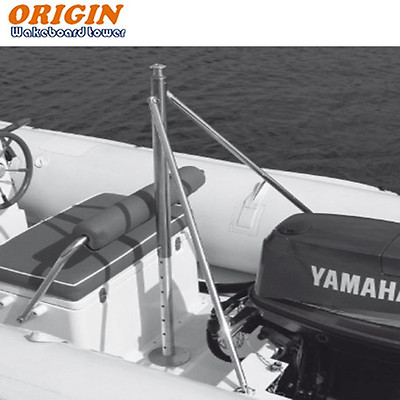
Boating is not just about cruising across water. Many people use their boats for fun activities like waterskiing and wakeboarding. Both sports need special equipment to help the rider and make the experience safer and more enjoyable. Two common accessories you will see on sport boats are the ski pylon and the wakeboard tower. If you are new to boating or water sports, these terms might sound confusing. They both look similar and connect to the boat, but their purposes, designs, and benefits are quite different.
Understanding the difference between a ski pylon and a wakeboard tower can help you choose the right setup for your boat. It can also improve your experience on the water. This article explains how each device works, why they are different, and what you should consider before buying or installing one.

36% off Today’s Exclusive Deals
Limited-time Exclusive Deals. Check current discount on Amazon.
Check Price on Amazon As an Amazon Associate I earn from qualifying purchases.You will also find real-world examples, data, and answers to common questions at the end.
What Is A Ski Pylon?
A ski pylon is a simple vertical pole installed on a boat, usually near the center or back. Its main job is to provide a secure and elevated attachment point for the tow rope used in waterskiing. The pylon helps keep the rope above the boat’s engine and deck, making it easier for the skier to start and stay upright.
Most ski pylons are made of strong materials like stainless steel or aluminum. They are designed to handle the heavy pulls and sudden jerks from skiers. The height of a ski pylon is usually between 24 and 36 inches, although some can be taller. The pylon is fixed to the boat’s structure, often using bolts and brackets. Some pylons can be removed or folded down when not in use.
The main reason for using a ski pylon is to give the skier a stable pull. With the rope attached higher than the boat’s transom (back), it keeps the rope away from the water and reduces drag. This makes it easier for the skier to get up and perform turns or tricks. Ski pylons are popular in boats made for waterskiing, barefoot skiing, and sometimes tubing.
Common Features Of Ski Pylons
- Simple design: Usually a single pole with a hook or eye for the rope.
- Fixed or removable: Some can be detached or folded for storage.
- Height: Generally low compared to wakeboard towers.
- Material: Stainless steel or aluminum for strength and rust resistance.
- Placement: Typically installed near the center or rear of the boat.
Example: Ski Pylon In Action
Imagine a family boat with a ski pylon mounted just behind the driver’s seat. The skier attaches the rope to the top of the pylon, gets ready in the water, and the boat accelerates smoothly. The pylon keeps the rope high, avoiding splashes and helping the skier stand up easily.
What Is A Wakeboard Tower?
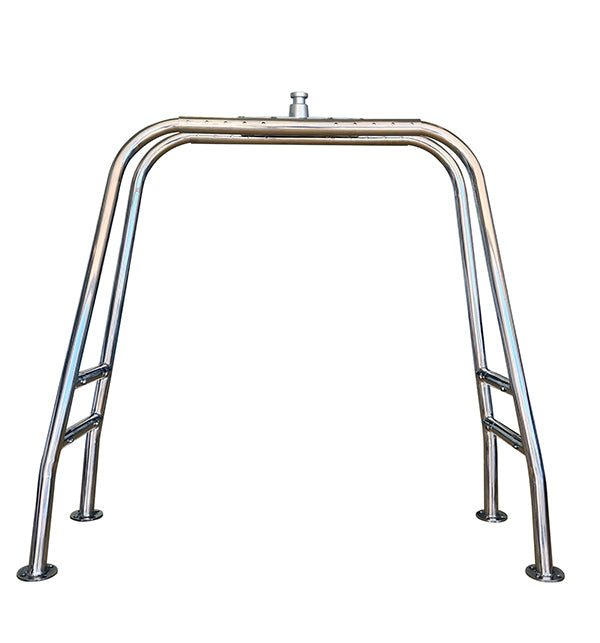
A wakeboard tower is a larger, more complex structure fitted to a boat, usually arching over the cockpit area. Its main purpose is to lift the tow rope much higher than a ski pylon. The tower is designed for wakeboarding, a sport where the rider performs jumps and tricks using the boat’s wake (waves).
Wakeboard towers are typically made from aluminum tubing or steel. They are built to be strong, since wakeboarders pull hard and sometimes jump several feet into the air. The height of a wakeboard tower is often between 6 and 8 feet above the boat’s deck, much taller than a ski pylon.
Besides pulling the rider, wakeboard towers offer other benefits. You can mount speakers, lights, racks for boards, and even bimini tops (shade covers) on them. Many towers can be folded down for storage or transport.
The main reason for using a wakeboard tower is to help the rider get more air when jumping. With the rope attached higher, the upward pull launches the wakeboarder off the wake and makes aerial tricks easier. Wakeboard towers are essential for serious wakeboarding, but some people use them for other sports, too.
Common Features Of Wakeboard Towers
- Tall structure: Usually 6–8 feet high, arching over the boat.
- Multiple attachment points: For accessories like speakers and racks.
- Material: Aluminum or steel tubing for durability.
- Placement: Mounted over the cockpit or rear deck.
- Foldable: Some models can fold for storage.
Example: Wakeboard Tower In Action
Picture a sport boat with a wakeboard tower arching overhead. The rider connects the rope to the top of the tower, starts behind the boat, and uses the wake to jump high in the air. The tower’s height gives the rider more lift and time for tricks.
Key Differences Between Ski Pylons And Wakeboard Towers
At first glance, both devices pull riders behind the boat. But their designs, functions, and benefits are quite different. Let’s break down the main differences.
| Feature | Ski Pylon | Wakeboard Tower |
|---|---|---|
| Height | 24–36 inches | 6–8 feet |
| Main Use | Waterskiing, tubing | Wakeboarding, wakesurfing |
| Structure | Single vertical pole | Arching frame over boat |
| Accessory Mounts | Rare | Common (speakers, racks, lights) |
| Rope Angle | Low, straight pull | High, upward pull |
| Installation | Simpler, less invasive | Complex, may need professional help |
| Cost | $200–$800 | $1,000–$3,000+ |
Design And Placement
Ski pylons are simple and low, while wakeboard towers are tall and often become the main visual feature of the boat. Ski pylons are placed near the center or rear, while wakeboard towers cover the cockpit.
Purpose
A ski pylon is made for pulling skiers in a straight line. The low height gives a direct, stable pull. Wakeboard towers are made for jumping and tricks, using the boat’s wake as a ramp. The extra height lets the rope pull the rider up, not just forward.
Rope Angle And Rider Experience
With a ski pylon, the rope angle is low and flat. This helps skiers stand up and move side-to-side. With a wakeboard tower, the rope pulls upward, which helps wakeboarders jump higher and land tricks.
Accessory Options
Ski pylons rarely have mounts for accessories. Wakeboard towers often have spots for speakers, lights, and board racks. This makes towers more versatile.
Installation And Cost
Ski pylons are easier to install and usually cost less. Wakeboard towers need careful mounting and can cost thousands of dollars. Some boat owners hire professionals to install wakeboard towers.
Which Is Right For You? Choosing Based On Your Needs
Choosing between a ski pylon and wakeboard tower depends mostly on your favorite water sport and your boat. Here are some things to consider:
Your Main Activity
- If you mainly waterski, a ski pylon gives the best pull.
- If you love wakeboarding and doing tricks, a wakeboard tower is essential.
- For tubing or kneeboarding, both can work, but a ski pylon is usually simpler.
Boat Type And Compatibility
Not every boat can handle a wakeboard tower. Small boats or older models may not be strong enough. Ski pylons need less space and are easier to fit.
Wakeboard towers are best for sport boats or bowriders with enough deck space and strong hulls.
Budget
A ski pylon is more affordable. Wakeboard towers are expensive and may require professional installation.
Accessory Needs
If you want to add speakers, lights, or racks, a wakeboard tower gives more options.
Family And Group Use
For families who like different sports, some boats offer combination setups. For example, a wakeboard tower with a removable ski pylon.
Installation: What You Should Know
Installing a ski pylon or wakeboard tower is not just about buying the right gear. You must also think about your boat’s structure and safety.
Ski Pylon Installation
Most ski pylons are installed by bolting them to the boat’s floor or deck. Some models are removable or folding. The process is usually simple and takes 1–2 hours.
Key tips:
- Check your boat’s structure for strength.
- Make sure the pylon is centered and secure.
- Use stainless steel hardware to avoid rust.
Wakeboard Tower Installation
Installing a wakeboard tower is more complex. The tower must be placed so it spreads the load across the boat’s hull. Many towers require cutting holes and bolting to the boat’s frame.
Key tips:
- Measure carefully before drilling.
- Use backing plates to spread the load.
- If unsure, hire a professional installer.
| Installation Step | Ski Pylon | Wakeboard Tower |
|---|---|---|
| Time Needed | 1–2 hours | 4–8 hours |
| Tools Required | Drill, wrench | Drill, wrench, saw, backing plates |
| Professional Help | Rarely needed | Often recommended |
| Boat Modification | Minimal | Moderate to high |
Safety Considerations
Both ski pylons and wakeboard towers must be installed safely. If not, they can break or cause accidents.
Weight And Strength
Wakeboard towers add more weight to your boat. Make sure your boat can handle the extra load. Ski pylons are lighter but still need strong mounting.
Rope And Rider Safety
Always use ropes made for watersports. Never use a rope that is worn or frayed.
For wakeboard towers, check all bolts and mounts before each ride. For ski pylons, make sure the pole is not loose.
Common Mistakes
- Using a ski pylon for wakeboarding (may not be strong enough)
- Installing a wakeboard tower on a weak boat
- Not checking mounts and hardware regularly
Performance: How Each Device Affects Your Ride
The way your boat pulls the rider changes the experience of skiing or wakeboarding. Here’s how each device affects performance.
Ski Pylon Performance
- Stable pull: Keeps rope low and steady.
- Easy starts: Skiers can get up quickly.
- Limited jump height: Not good for aerial tricks.
Wakeboard Tower Performance
- High jumps: The rope’s height helps riders launch off the wake.
- More tricks: Easier for spins and flips.
- Accessory use: Allows music, storage, and shade.
Real Data
A study from the Water Sports Industry Association (WSIA) found that wakeboard towers increase jump height by up to 40% compared to ski pylons. Ski pylons, however, are preferred by 80% of competitive waterskiers for their stable pull.
Maintenance And Durability
Both devices need regular care to stay safe and last longer.
Ski Pylon Maintenance
- Check bolts and mounts before each use.
- Clean with fresh water to prevent rust.
- Store removable pylons indoors.
Wakeboard Tower Maintenance
- Inspect all bolts, brackets, and joints.
- Clean and dry after each trip.
- Lubricate moving parts if foldable.
Lifespan
Ski pylons can last 10–15 years with proper care. Wakeboard towers may last 8–12 years, but they need more maintenance due to their size and complexity.
Accessory Mounting: What’s Possible?
One of the biggest differences is how you can use accessories.
Ski Pylon Accessory Options
Most ski pylons are made for pulling only. Some advanced models have a small hook for holding ropes or handles.
Wakeboard Tower Accessory Options
Wakeboard towers are designed for more:
- Speakers: Play music for riders and guests.
- Board racks: Store wakeboards and skis.
- Lights: For night rides or visibility.
- Bimini tops: Provide shade.
- Action camera mounts: Record your tricks.
Wakeboard towers turn your boat into a multi-sport platform.
Cost Comparison: What Will You Spend?
Price is often a deciding factor. Here’s a cost breakdown:
| Device | Low-End Price | High-End Price | Installation Cost |
|---|---|---|---|
| Ski Pylon | $200 | $800 | $100–$300 (if needed) |
| Wakeboard Tower | $1,000 | $3,000+ | $500–$1,500 (professional install) |
Wakeboard towers cost more due to their size, materials, and installation needs.
Environmental And Legal Factors
Some lakes and marinas have rules about equipment. For example, certain wakeboard towers may be too tall for covered docks.
Environmental Impact
Wakeboard towers encourage bigger wakes, which can cause erosion on shorelines. Ski pylons generally create less wake.
Legal Requirements
Some states require safety checks or insurance for boats with towers. Always check local laws before installing.
Non-obvious Insights And Tips
- Resale Value: Adding a wakeboard tower can raise your boat’s value if selling to wakeboarders, but may lower it for waterskiing buyers.
- Insurance: Some insurers charge higher rates for boats with towers due to risk of accidents.
- Noise: Tower-mounted speakers may disturb wildlife or neighbors. Check local noise rules.
- Height Problems: Wakeboard towers may not fit under low bridges or in garages. Always measure before buying.
- Flexibility: Some modern towers offer adjustable tow points, letting you use them for both skiing and wakeboarding. However, these are more expensive.
Frequently Asked Questions
What Is The Main Reason To Choose A Ski Pylon Over A Wakeboard Tower?
A ski pylon is best for waterskiing. It gives a stable, low pull that helps skiers start and turn easily. It is also less expensive and easier to install.
Can You Use A Wakeboard Tower For Waterskiing?
Yes, but the pull is higher and may not suit competitive skiers. Beginners may find it harder to stand up, and the rope angle can change the skiing experience.
Is It Safe To Install A Wakeboard Tower On Any Boat?
No. Your boat must be strong enough to handle the extra load and stress. Always check your boat’s specifications or ask a professional.
What Accessories Can You Mount On A Wakeboard Tower?
You can add speakers, lights, board racks, bimini tops, and camera mounts. These make your boat more fun and practical for wakeboarding.
Does Adding A Ski Pylon Or Wakeboard Tower Affect My Boat’s Warranty?
Yes, sometimes. Many boat makers warn that changes can void the warranty. Always check with your dealer or manufacturer before installing.
Final Thoughts
Choosing between a ski pylon and a wakeboard tower depends on your sport, boat, and budget. Ski pylons are simple, affordable, and great for waterskiing. Wakeboard towers offer more options and are essential for wakeboarding tricks, but they cost more and need careful installation.
Both devices can improve your boating experience, but knowing their differences helps you make the right choice.
If you want to learn more about water sports equipment and safety, visit the Wakeboarding Wikipedia page for detailed information.
With the right setup, you can enjoy water sports safely and make the most of your boat for years to come.