

When you imagine a perfect day on the water, pulling a skier, wakeboarder, or tuber behind your boat, the right equipment makes all the difference. One essential component for these activities is the ski pylon—a specialized post designed to elevate and secure the tow rope. But not every boat is compatible with a ski pylon, and installing one on the wrong type can lead to safety issues or even damage your vessel. If you’re considering adding a ski pylon, or you’re shopping for a boat with this feature, understanding compatibility is key. Let’s explore which boats are suitable for ski pylons, what features to look for, and how to ensure you make the safest and most enjoyable choice for watersports.
What Is A Ski Pylon And Why Use One?
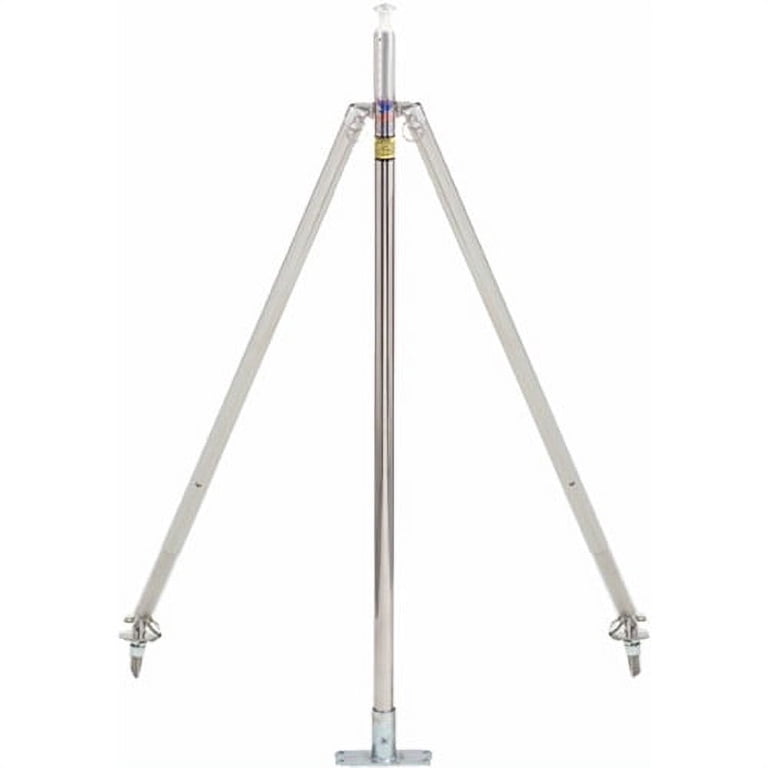
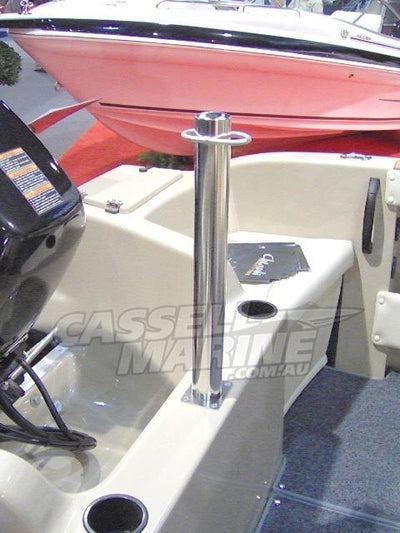
A ski pylon is a vertical metal pole, usually stainless steel or aluminum, mounted near the back of a boat. Its main job is to raise the tow point for waterskiing, wakeboarding, or tubing, keeping the rope above the wake and away from the propeller. This higher attachment point allows for smoother pulls, easier starts, and fewer rope tangles. It also helps distribute pulling forces more evenly across the boat’s structure.

36% off Today’s Exclusive Deals
Limited-time Exclusive Deals. Check current discount on Amazon.
Check Price on Amazon As an Amazon Associate I earn from qualifying purchases.While some boats come with a ski pylon already installed, many owners add aftermarket versions for added versatility. However, not all boats can safely handle a ski pylon, and using one on an incompatible boat can be risky. For this reason, boat compatibility is essential for both performance and safety.
Types Of Boats Compatible With Ski Pylons
Not every boat is a good match for a ski pylon. Let’s break down which types are compatible, and why:
1. Inboard Ski Boats
Inboard ski boats are the gold standard for waterskiing and wakeboarding. These boats have their engines mounted inside the hull, with the propeller and drive shaft underneath. Most inboard ski boats are specifically designed with a reinforced central tow point for mounting a ski pylon.
Why they work:
- Strong, reinforced engine mounts
- Central engine position for balanced weight
- Hulls designed to handle tow forces
Popular models: MasterCraft ProStar, Malibu Response, Nautique Ski Nautique
2. Outboard Boats (with Proper Reinforcement)
Outboard boats have engines mounted on the transom (back of the boat). Some outboard boats can use a ski pylon, but it depends on the transom’s strength and the boat’s size.
Requirements for compatibility:
- Solid, reinforced transom
- Adequate deck space for mounting
- Manufacturer approval or aftermarket kits designed for your model
Examples: Some Boston Whaler, Bayliner, and Sea Ray models with reinforced transoms are suitable.
3. Jet Boats
Jet boats use a jet propulsion system instead of a propeller. Many newer jet boats have built-in ski pylons or tow points for watersports.
Why they work:
- Central engine location
- Even weight distribution
- No exposed propeller for added safety
Examples: Yamaha AR series, Scarab jet boats
4. Pontoon Boats (with Special Kits)
Pontoon boats can pull skiers and tubers if they are powerful enough and use special ski pylon kits. However, not all pontoons are suitable—only those with strong enough deck framing and sufficient engine power.
Key considerations:
- Triple-tube (tritoon) designs are best
- Minimum 90–115 horsepower recommended
- Reinforced mounting hardware required
Examples: Bennington, Harris, and Manitou tritoons
5. Deck Boats
Deck boats blend the open space of a pontoon with a traditional hull. Many deck boats come with optional ski pylons or can accept aftermarket versions.
Why they work:
- Wide, stable hull design
- Reinforced transoms or dedicated mounting points
- Good for casual skiing and tubing
Examples: Hurricane SunDeck, Starcraft SD series
6. Some Runabouts And Bowriders
Runabouts and bowriders are small, versatile boats with open seating. Some models with strong hulls and transoms can take a ski pylon, especially if designed for watersports.
Key features:
- Engineered tow points
- Manufacturer approval for pylon installation
- Sufficient engine power (often 150+ HP)
Examples: Sea Ray SPX, Chaparral H2O
7. Bass Boats (rarely)
While not traditional, a few bass boats with large, reinforced casting decks can use a removable ski pylon for family fun. However, this is only for occasional light use, not serious skiing.
Caution:
- Always follow manufacturer guidelines
- Never exceed weight or towing limits
Boats That Are Not Compatible With Ski Pylons
Just as important as knowing what works is knowing what doesn’t. Installing a ski pylon on the wrong type of boat can cause structural failure, loss of control, or injury. Here are boats that should never use a ski pylon:
- Small aluminum fishing boats: Thin hulls and weak transoms can’t handle the forces.
- Inflatable boats: Not structurally strong enough for towing.
- Kayaks and canoes: Lack the size and strength for any tow sports.
- Personal watercraft (PWCs): Not designed for ski pylons—use special PWC tow hooks if available.
- Sailboats: Not suitable for towing sports due to hull design and lack of engine power.
Key Features A Boat Needs For Ski Pylon Compatibility
Before you even think about installing a ski pylon, check for these essential features:
Structural Reinforcement
A ski pylon can put hundreds of pounds of force on the mounting point. The boat must have:
- Reinforced transom or engine mounts
- Solid deck framing (especially for pontoons)
- Factory-installed support plates if available
Adequate Engine Power
Towing a skier or tube requires more power than cruising. Most experts recommend:
- Inboards: 150 HP or more
- Outboards: 90–150 HP minimum, depending on boat size and intended use
- Pontoons: 90 HP minimum, 115+ HP for multiple skiers or heavy tubes
Mounting Space
A ski pylon needs room for installation and operation:
- Clear deck area to stand and mount the pylon
- No obstructions (like railings, seats, or bimini tops) blocking the tow line
Manufacturer Approval
Always check with the boat manufacturer before installing a ski pylon. Some boats have dedicated mounting points; others may void the warranty if you add one.
Proper Hardware
Use only marine-grade stainless steel or anodized aluminum hardware designed for your boat’s model and material.
Types Of Ski Pylons And Their Compatibility
Different boats require different ski pylons. Let’s compare the main types:
| Type of Ski Pylon | Best For | Installation Method | Key Advantage |
|---|---|---|---|
| Fixed (Permanent) | Inboard ski boats, some deck boats | Bolted to reinforced deck or engine mounts | Very strong, always ready |
| Removable/Adjustable | Pontoons, outboards, runabouts | Bolted or clamped; can be removed | Flexible, less permanent |
| Transom Mount | Outboard boats with strong transoms | Clamps to transom or bolts through stern | Easy to install, no deck drilling |
| Over-the-Engine Pylon | Inboard and jet boats | Fits over engine, secured to mounts | Central pull, balanced towing |
Comparing Popular Boat Types For Ski Pylon Use
To help you quickly see which boat types are best for ski pylons, here’s a side-by-side comparison:
| Boat Type | Typical Compatibility | Engine Power Needed | Best For |
|---|---|---|---|
| Inboard Ski Boat | Excellent | 150+ HP | Waterskiing, wakeboarding |
| Outboard (Reinforced) | Good (with kit) | 90–150+ HP | Skiing, tubing |
| Jet Boat | Very Good | 150+ HP | Family watersports |
| Pontoon (Tritoon) | Good (with kit) | 115+ HP | Casual skiing, tubing |
| Deck Boat | Good | 150+ HP | Group fun |
| Small Aluminum Boat | Poor | Underpowered | Not recommended |
What To Consider Before Installing A Ski Pylon
Even if your boat fits the profile, a few important checks should come before installation:
Check Load Ratings
Every boat and pylon has a maximum load rating—the highest safe force or weight for towing. Exceeding this can damage your boat or cause injury.
Confirm Warranty And Insurance
Adding aftermarket hardware can sometimes void your boat’s warranty or affect insurance coverage. Always read your manuals and contact your dealer if unsure.
Professional Installation
Many ski pylons require precise installation through the deck or into the frame. For best results and safety, consider professional installation, especially for permanent or over-the-engine models.
Think About Future Upgrades
If you plan to upgrade your engine or boat in the future, think about how a ski pylon might affect resale value or compatibility with new equipment.
Common Mistakes When Choosing Or Installing Ski Pylons
Even experienced boaters sometimes make mistakes that can lead to poor performance or safety risks. Here are common pitfalls—and how to avoid them:
1. Ignoring Manufacturer Recommendations
Installing a ski pylon on a boat not designed for one can cause serious structural issues.
2. Underestimating Engine Power
Trying to pull a skier or tube with an underpowered engine puts strain on the boat and leads to poor performance.
3. Improper Installation
DIY installations without proper reinforcement or correct hardware can result in the pylon pulling out under load.
4. Choosing The Wrong Type
Selecting a pylon not matched to your boat’s size, layout, or engine type can lead to instability or even accidents.
5. Blocking Other Boat Features
Installing a pylon where it interferes with the bimini top, seating, or controls can make your boat less enjoyable and even unsafe.

Real-world Example: Retrofitting A Pontoon Boat
Let’s say you have a 22-foot tritoon pontoon with a 150 HP outboard. You want to add a ski pylon for tubing and light wakeboarding. Here’s how you’d assess compatibility:
- Deck and frame strength: Tritoon design offers improved strength over two-tube pontoons.
- Engine power: 150 HP is enough for tubing and basic skiing.
- Ski pylon kit: Choose a kit designed for your make/model, with mounting plates that attach directly to the frame.
- Professional installation: Recommended for best results and to avoid warranty issues.
This setup would work well for casual watersports, but for advanced wakeboarding, a dedicated inboard ski boat would offer better performance.
Special Considerations For Wake Towers Vs. Ski Pylons
Many modern boats offer wake towers—tall, arching structures for wakeboarding. While similar in purpose, there are key differences:
- Ski pylons are shorter (usually 34–48 inches high) and centered, making them ideal for waterskiing.
- Wake towers are taller (often 6 feet above deck) and designed for wakeboarding, allowing for higher jumps and tricks.
A boat can often have both, but the structural requirements are different. Always use the tow point recommended for your activity.
Safety Tips When Using A Ski Pylon
For a safe and fun day on the water, keep these tips in mind:
- Never exceed the pylon’s load rating—one adult skier or two small tubes at most for standard pylons.
- Check all hardware before each use for signs of wear or corrosion.
- Keep passengers clear of the tow rope and pylon during operation.
- Use quick-release tow hooks if available for emergency stops.
Expert Insights: What Beginners Often Miss
- Boats with low freeboard (distance from water to deck) can easily swamp when towing from a ski pylon. Always make sure your boat is big enough to handle extra drag from a skier or tube.
- Weight distribution matters more than you think. Too many people sitting at the back near the pylon can make steering difficult or cause the bow to rise dangerously.
- Aftermarket ski pylons can affect your boat’s resale value. Some buyers prefer factory-standard setups, especially on high-end models.
When A Ski Pylon Isn’t The Best Choice
While ski pylons are great for many boats, sometimes a tow bar or transom eye is better, especially on small runabouts or boats with limited deck space. For serious wakeboarding, a wake tower is usually preferred. Always match the equipment to your main activity.
Regulations And Legal Considerations
State and local laws may limit how and where you can tow skiers or tubes. Some areas require special mirrors or spotters; others may ban certain equipment. Always check your state’s boating regulations before installing or using a ski pylon.
The U. S. Coast Guard also provides helpful guidelines on safe towing practices.
For more information, visit the U.S. Coast Guard Towed Sports Guidelines.
Frequently Asked Questions
What Is The Difference Between A Ski Pylon And A Wake Tower?
A ski pylon is a vertical post, usually 3–4 feet high, designed for waterskiing. It provides a low, central tow point. A wake tower is much taller (5–7 feet), used mainly for wakeboarding, allowing riders to jump higher and perform tricks.
Can I Install A Ski Pylon On Any Boat?
No. Only boats with strong, reinforced mounting points and adequate engine power are suitable. Always check your boat’s manual or consult the manufacturer before installing a pylon.
How Much Horsepower Do I Need To Tow A Skier Or Tube?
For most adults, at least 90 HP is needed for tubing, and 150 HP or more for waterskiing or wakeboarding. Bigger boats and heavier loads require more power.
Are Aftermarket Ski Pylons Safe?
Yes, if installed correctly on a compatible boat. Use only marine-grade hardware, follow all instructions, and consider professional installation for best results.
Is A Ski Pylon Or A Tow Bar Better For My Boat?
It depends on your boat type and main activity. Ski pylons are best for traditional skiing on boats designed for them. Tow bars or transom eyes work better on small boats or when deck space is limited.
A ski pylon can open up a world of watersports fun, but only if your boat is built for it. Choosing the right boat, equipment, and installation method keeps you safe and ensures years of smooth towing. Always research, follow expert advice, and enjoy your time on the water with confidence.

