

Many people love water sports like wakeboarding, water skiing, and tubing. If you watch a boat pulling someone on skis or a wakeboard, you might notice a tall metal pole sticking up from the center or back of the boat. This is called a ski pylon. It’s more than just a piece of shiny hardware. For both beginners and experts, understanding the purpose of a ski pylon can make water sports safer, more fun, and even improve performance. This article explains what a ski pylon is, why it matters, and what to know before you use or buy one.
What Is A Ski Pylon?
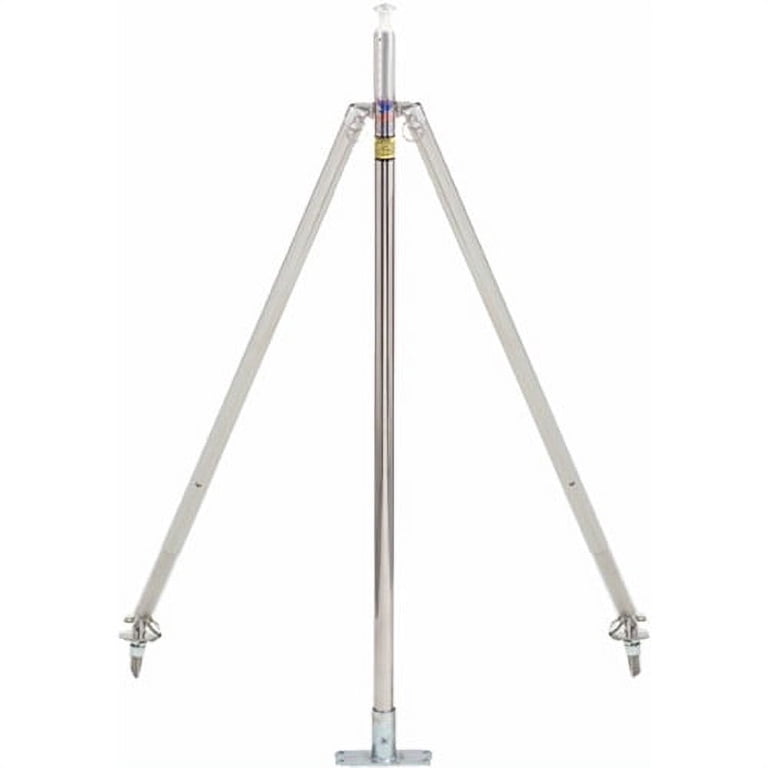
A ski pylon is a strong metal pole, usually made from stainless steel or aluminum, mounted on a boat. Its main job is to give a high, central attachment point for the tow rope used in water skiing, wakeboarding, or tubing. Unlike tying a rope to a low point at the back of the boat, the pylon lifts the rope higher above the water. Most pylons are between 3 and 5 feet tall, and they are designed to handle strong forces from the pull of a skier or rider.

36% off Today’s Exclusive Deals
Limited-time Exclusive Deals. Check current discount on Amazon.
Check Price on Amazon As an Amazon Associate I earn from qualifying purchases.Some pylons are fixed in place, while others can be removed when not in use. They may have additional features like swivel hooks, adjustable heights, or even built-in racks for storing equipment. The position of the pylon is usually near the center of the boat or just behind the driver’s seat, which helps balance the boat and improve towing dynamics.
Why Are Ski Pylons Important?
Higher Attachment Point
The main reason people use a ski pylon is to raise the rope’s attachment point. When a tow rope is connected low to the boat’s rear, it pulls the skier or boarder down toward the water. This makes it harder to stand up, especially for beginners.
With a higher point, the rope pulls more upward. This makes starts smoother, helps riders get out of the water faster, and reduces the strain on their arms and bodies.
Improved Safety
A ski pylon helps keep the tow rope clear of obstacles like the boat’s propeller, swim platform, or motor. This lowers the risk of accidents. The pylon also gives a single, central spot for the rope, which means the boat handles more predictably and the skier stays centered behind the boat.
This is especially important in crowded lakes or rivers.
Better Performance
For advanced water sports, the pylon can make a big difference. Wakeboarders, for example, get more lift from the higher rope angle, allowing for bigger jumps and tricks. Slalom skiers enjoy less spray and drag, leading to cleaner turns. Tubers get a more exciting ride because the rope has fewer chances to snag or drag in the water.

How Does A Ski Pylon Work?
A ski pylon works by changing the angle and height of the tow rope. Here’s how it helps both the boat and the person being towed:
- Rope Angle: The higher attachment means the force pulls upward and forward, not just backward. This helps the skier or boarder rise out of the water.
- Less Drag: With less of the rope touching the water, there’s less drag. This means smoother rides and less energy wasted.
- Boat Handling: The central position of the pylon keeps the pull force balanced, making it easier for the driver to steer and control the boat.
Let’s look at a simple comparison:
| Attachment Point | Rope Angle | Effect on Skier | Boat Handling |
|---|---|---|---|
| Low transom hook | Low, backward | Harder to get up, more arm strain | Unbalanced pull, harder steering |
| Ski pylon (high) | High, upward | Easier starts, less strain | Balanced pull, easier control |
Types Of Ski Pylons
There isn’t just one kind of pylon. Each type fits different boats, sports, and budgets.
Fixed Ski Pylons
These are permanently attached to the boat. They are the strongest and safest option, often found in dedicated ski or wake boats. Fixed pylons are usually made from thick stainless steel and bolted directly into the boat’s frame.
Removable Ski Pylons
Removable pylons can be installed or taken out as needed. They are popular for boats used for both water sports and other activities, like fishing. These pylons lock into a base plate and often have quick-release pins.
Adjustable Ski Pylons
Some pylons can adjust their height. This lets users set the best rope angle for different activities. For example, wakeboarding may need a higher pylon than tubing.
Universal Ski Pylons
Universal or aftermarket pylons fit a wide range of boats. They use clamps, straps, or suction to stay in place. These are good for people who want to try skiing but don’t have a dedicated ski boat.
Comparison Of Common Pylon Types
Here’s a side-by-side look at three popular types:
| Type | Strength | Installation | Best For | Price Range |
|---|---|---|---|---|
| Fixed | Very High | Professional install | Frequent skiing, advanced tricks | $$$ |
| Removable | High | Easy DIY | Recreational use, multi-use boats | $$ |
| Universal | Medium | Strap or clamp | Casual skiers, rental boats | $ |
Key Benefits Of Using A Ski Pylon
1. Easier Starts
A ski pylon helps skiers, especially beginners, get out of the water faster and with less effort. The upward pull lifts them, instead of dragging them forward.
2. Less Rope Drag
With the rope out of the water, there’s less friction. This gives smoother acceleration and lets riders focus on balance and control.
3. Improved Safety
The pylon keeps the rope away from the propeller and other sharp objects. It also makes it less likely that the rope will whip around and hit someone in the boat.
4. Enhanced Tricks And Jumps
Wakeboarders and advanced skiers benefit from more height and airtime. The pylon’s upward angle gives extra lift for flips, spins, and other stunts.
5. Reduces Boat Wear
Towing from a central, reinforced point spreads the force more evenly across the boat’s frame. This helps prevent damage to the transom or rear cleats, which aren’t built for strong sideways pulls.
Common Mistakes When Using A Ski Pylon
Even though a ski pylon seems simple, there are mistakes that can lead to trouble.
Mounting Errors
Installing a pylon incorrectly can damage your boat or make towing unsafe. Always use the recommended hardware and follow the manufacturer’s guide. Loose or weak mounts can fail under load.
Overloading The Pylon
Each pylon has a weight limit. Pulling too many riders or using a pylon for towing large inflatables can bend or break it. Always check the maximum load rating.
Wrong Rope Attachment
Some people tie the rope directly to the pylon, but most pylons are meant for quick-release hooks or carabiners. This makes it easy to release the tow line in an emergency.
Ignoring Boat Type
Not every boat can safely use a ski pylon. Lightweight boats or those with thin hulls may not handle the stress. Check your boat’s specs before installing one.
Using The Wrong Pylon For The Sport
A pylon good for wakeboarding may be too tall for tubing. Using the wrong height or type can affect performance and safety.
Ski Pylon Vs. Wake Tower: What’s The Difference?
Many people mix up ski pylons and wake towers. Both are used for towing, but they are quite different.
A ski pylon is a single pole, usually placed near the center of the boat. It’s ideal for water skiing and basic wakeboarding. A wake tower is a large, arch-shaped frame attached to the boat’s sides, often with built-in speakers and racks. Towers are used mainly for wakeboarding and wakesurfing, and they give an even higher tow point.
Here’s a comparison:
| Feature | Ski Pylon | Wake Tower |
|---|---|---|
| Height | 3-5 feet | 5-7 feet or more |
| Mounting | Center or rear | Sides of boat |
| Best For | Skiing, recreational wakeboarding | Wakeboarding, wakesurfing, advanced tricks |
| Cost | Lower | Higher |
A non-obvious insight: some newer wake towers are designed to fold down for storage, but they add more weight and wind resistance compared to pylons. For boaters who want a simple, easy solution, a ski pylon often makes more sense.
How To Choose The Right Ski Pylon
Selecting the right pylon depends on your boat, your sports, and your budget. Here’s what matters most:
Boat Size And Type
Small boats (under 17 feet) may only support universal or clamp-on pylons. Larger, inboard boats can handle fixed or removable pylons with more strength.
Sport Preference
If you mostly ski, a simple fixed or removable pylon is enough. If you want to wakeboard, look for adjustable height. Tubing puts less force on the pylon but check the load limit.
Installation Method
- Permanent: Best for frequent use and high-performance sports.
- Removable: Good for boats with multiple uses (fishing, cruising).
- Clamp-on: For renters or those who don’t want to drill holes.
Material And Build Quality
Look for stainless steel or marine-grade aluminum for rust resistance. Thicker poles are stronger, but also heavier.
Safety Features
A good pylon should have a quick-release hook, non-slip base, and clear load rating. Some premium models include built-in storage for ropes or handles.
Budget
Prices range from $200 for basic universal pylons to over $1,500 for custom, professional-grade models.
Installation Tips For Maximum Safety
- Follow the manual: Each brand is different. Read and follow the instructions.
- Test before towing: After installing, pull on the pylon by hand to check for movement.
- Check regularly: Inspect bolts, pins, and the base before every use.
- Use backing plates: For permanent installs, metal plates under the deck spread the load and prevent cracks.
- Never exceed the limit: Know your pylon’s rating and stick to it.
Real-world Examples
Family Water Skiing
A family with a runabout boat installs a removable ski pylon. Their kids, just learning to ski, find it much easier to get up thanks to the higher rope angle. The parents appreciate that the rope never gets tangled in the motor.
Wakeboarding Tricks
A young wakeboarder upgrades from a low transom hook to a tall, adjustable pylon. Suddenly, jumps and spins become easier. The added lift allows for more air time and more ambitious tricks.
Rental Boat Safety
A marina uses universal clamp-on pylons for their rental fleet. This lets customers enjoy tubing and skiing, but the staff can remove the pylons when not in use, reducing the chance of damage.
These examples show that a ski pylon isn’t just for pros. Anyone who tows riders behind a boat can enjoy its benefits.
Maintenance And Care
A ski pylon is tough, but it needs care to last.
- Rinse after use: Saltwater can cause corrosion. Always rinse with fresh water.
- Check for cracks: Look at welds, bolts, and the base for signs of stress or damage.
- Lubricate moving parts: Some pylons have swivels or adjustable sections. Use marine grease to keep them working smoothly.
- Store properly: Removable pylons should be kept dry and clean when not in use.
A well-maintained pylon can last for many years, even with heavy use.
Ski Pylon Safety Tips
Safety should always come first with water sports. Here are some best practices:
- Always use a spotter: Have someone watch the skier at all times.
- Keep the area clear: Make sure no one is near the rope when starting.
- Use the correct rope: Ski ropes are designed to stretch and absorb shock. Don’t use regular ropes.
- Never exceed the rider limit: Too many people on one pylon can be dangerous.
- Shut off the engine before re-boarding: Always stop the motor before helping someone back into the boat.
One detail beginners often miss: the pylon base can get hot in the sun. Cover it or warn riders before they grab it.

Environmental And Legal Considerations
Not every waterway allows pylons or towing sports. Always check local laws and regulations before using a ski pylon. Some lakes have rules about wake size, boat speed, or the use of certain equipment.
From an environmental view, responsible boating means avoiding sensitive areas, wildlife, and respecting “no wake” zones. Using a pylon properly can reduce rope drag and keep the tow line out of underwater plants and debris.
For more information on boating laws and safety, you can visit the United States Coast Guard Boating Safety page.
Frequently Asked Questions
What Is The Main Purpose Of A Ski Pylon?
The main purpose of a ski pylon is to raise the tow rope’s attachment point, making water skiing, wakeboarding, and tubing safer and easier. This upward pull helps riders stand up more easily, improves boat control, and keeps the rope clear of dangerous parts like the propeller.
Can I Install A Ski Pylon On Any Boat?
Not every boat is suitable for a ski pylon. Small or lightweight boats may not support the stress. Always check your boat’s structure, read the pylon instructions, and consult the boat manufacturer if unsure. Universal or clamp-on pylons can fit more boats, but they are not always as strong as permanent options.
Is A Ski Pylon Better Than Towing From The Transom?
Yes, in most cases. Towing from a low transom hook pulls the rider down and puts more strain on arms and the boat’s rear. A ski pylon lifts the rope, which means easier starts, better safety, and improved performance, especially for beginners and wakeboarders.
How Much Does A Ski Pylon Cost?
Prices range from about $200 for basic universal or clamp-on pylons to $1,500 or more for professional, fixed models. The right price depends on your boat, how often you ski, and the features you want.
What Is The Difference Between A Ski Pylon And A Wake Tower?
A ski pylon is a single upright pole, usually shorter and mounted in the boat’s center or rear. A wake tower is a large frame attached to the boat’s sides, giving a higher tow point and added features like racks or speakers. Wake towers are better for advanced wakeboarding and surfing, but ski pylons are simpler, cheaper, and perfect for skiing and recreational use.
Water sports are more fun and safe with the right setup. A ski pylon is a simple upgrade that gives big results, making every ride smoother and more enjoyable. Whether you’re a first-time skier or a seasoned wakeboarder, understanding the purpose of a ski pylon can help you make the most of your time on the water.

