

Wakeboarding is one of the most exciting water sports you can try, but it requires specific equipment to reach its full potential. One of the most important upgrades for any wakeboarding boat is the wakeboard tower. But not every boat is ready to accept a tower, and not every tower fits every boat. Choosing the right combination is essential if you want to wakeboard safely and enjoyably. This article will help you understand which boats are compatible with wakeboard towers, what to look for, and how to make a smart upgrade for your boat.
Why Wakeboard Towers Matter
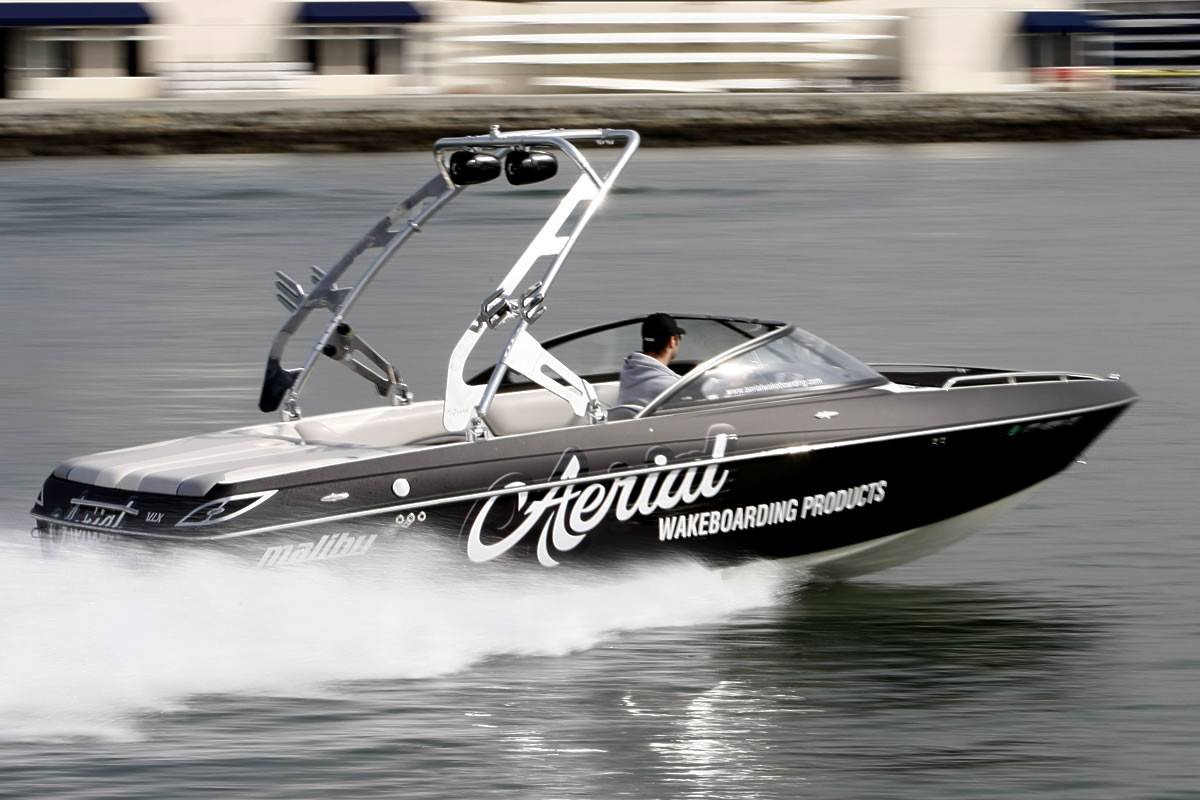
If you’re new to wakeboarding, you might wonder why towers are so important. Wakeboard towers lift the rope attachment point higher above the water. This helps riders get more air and makes it easier to perform tricks. Towers also provide a place to mount speakers, lights, and board racks, turning your boat into a real wakeboarding machine.

36% off Today’s Exclusive Deals
Limited-time Exclusive Deals. Check current discount on Amazon.
Check Price on Amazon As an Amazon Associate I earn from qualifying purchases.But a wakeboard tower is not just an accessory. It changes the way forces are applied to your boat’s structure. That’s why not every boat can handle a tower safely, and why choosing the right boat–tower combination is so important.
The Main Boat Types: Which Are Compatible?
Not all boats can accept a wakeboard tower. Let’s look at the most common boat types and see how each matches up.
Inboard Boats
Inboard boats are the top choice for wakeboarding. Their engines are positioned in the center or rear of the boat. This design creates a strong, consistent wake—perfect for wakeboarding. Most inboard boats also have strong hulls and reinforced decks, making them ideal for mounting a tower.
Examples:
- Ski boats like the MasterCraft ProStar or Correct Craft Ski Nautique
- Wake-specific boats like the Malibu Wakesetter or Supra SA
Inboard/outboard (i/o) Or Sterndrive Boats
Inboard/outboard boats combine the engine placement of inboards with the drive of outboards. Many bowriders and runabouts are I/O boats. These are often compatible with universal wakeboard towers, especially if they have a wide, flat, and sturdy deck area for mounting.
However, structural strength can vary. Some older or cheaper I/O boats have thinner fiberglass and may require reinforcement before installing a tower.
Outboard Boats
Outboard-powered boats are a mixed case. Many modern outboard boats, especially deck boats and larger center consoles, can accept a wakeboard tower. But lightweight or small outboards (like fishing skiffs) may not be suitable. It depends on the boat’s build quality and deck design.
Jet Boats
Jet boats (e.g., Yamaha AR Series) are becoming popular for wakeboarding. Many have reinforced mounting areas and are designed to accept towers. However, check your specific model, as some jet boats have lightweight hulls not ideal for tower installation.
Pontoon Boats
Pontoon boats are increasingly used for watersports. Some high-performance pontoons are built strong enough to support a wakeboard tower. But most basic pontoons lack the necessary structure. Specialized pontoon wakeboard towers are available, but careful installation is needed.
Personal Watercraft (pwcs)
Some companies offer wakeboard towers for PWCs (like Sea-Doo Wake models), but these are rare. Standard PWCs usually don’t have the deck strength or stability needed.

Boat Size: Does It Matter?
Boat size plays a big role in tower compatibility. Most universal wakeboard towers are designed for boats between 17 and 25 feet in length. Boats outside this range may not fit standard towers.
Boats shorter than 17 feet can be too narrow or lack deck strength for safe installation. Boats over 25 feet may need custom towers or extra reinforcement.
Here’s a quick comparison of boat size compatibility:
| Boat Length | Typical Compatibility | Notes |
|---|---|---|
| Under 17 ft | Poor | Usually too small or light for a tower |
| 17–25 ft | Good | Most towers and boats fit this range |
| Over 25 ft | Variable | May need custom towers or reinforcement |
Hull And Deck Construction: The Hidden Factor
Even if your boat is the right type and size, the hull and deck construction is critical. Wakeboard towers put a lot of force on the mounting points, especially when pulling a rider.
Solid fiberglass decks with strong stringers (support beams inside the hull) are best. Some older or budget boats have thin decks with little reinforcement. Installing a tower on these boats can cause cracks or even structural failure.
If you’re unsure about your boat’s construction, check the owner’s manual or contact the manufacturer. Some boats have designated tower-mounting locations with extra reinforcement built in.
Universal Vs. Custom Towers
When shopping for a wakeboard tower, you’ll see two main types: universal and custom.
- Universal towers are adjustable to fit a wide range of boats (usually 68–102 inches beam width). These are more affordable and easy to install at home.
- Custom towers are built for a specific boat model. They offer perfect fit and may match your boat’s style better, but cost more and may need professional installation.
Here’s a comparison to help you decide:
| Type | Fit Range | Cost | Installation |
|---|---|---|---|
| Universal | Many boats (68–102″ width) | Lower ($700–$2000) | DIY possible |
| Custom | Specific boat models | Higher ($2000+) | Usually professional |
Top Boat Brands And Models For Wakeboard Towers
If you want a boat that’s truly compatible with a wakeboard tower, certain brands and models stand out. Here are some of the best:
- MasterCraft – The X Series and NXT Series are industry leaders in wakeboarding.
- Malibu Boats – The Wakesetter line is famous for its wake shape and built-in towers.
- Nautique – The Super Air Nautique models are widely used for competitive wakeboarding.
- Supra – Known for strong hulls and stylish, functional towers.
- Moomba – Affordable, solid wake boats with good tower compatibility.
- Tige – Features the Convex V hull, designed for big wakes and towers.
- Yamaha Jet Boats – AR and 212X models come pre-rigged for towers.
- Chaparral – Many bowrider models are tower-ready.
- Sea Ray – Select sport models are compatible with aftermarket towers.
- Bayliner – Element and VR series can take universal towers with proper installation.
Not every boat from these brands is suitable, but these are some of the most popular and reliable choices for wakeboard towers.
What Makes A Boat Compatible With A Wakeboard Tower?
Let’s break down the key features that decide if your boat is compatible:
- Beam width: Most towers fit boats 68–102 inches wide.
- Deck strength: Solid, reinforced mounting areas are critical.
- Hull shape: Flatter, wider hulls help with stability.
- Mounting access: You must be able to reach inside the hull to bolt the tower through the deck.
- Obstructions: Windshields, bimini tops, and controls can interfere with tower installation.
If your boat checks these boxes, you’re probably ready for a tower.
Boats That Are Not Compatible
Some boats are simply not suitable for wakeboard towers, no matter what:
- Inflatable boats (dinghies, RIBs)
- Canoes and kayaks
- Very small fishing boats (jon boats, skiffs)
- Lightweight aluminum boats with thin decks
- Wooden boats with weak deck supports
Trying to install a tower on these boats is unsafe and will likely damage the boat.
Common Mistakes When Installing Wakeboard Towers
Many boaters make avoidable mistakes when adding a wakeboard tower. Here are some to watch for:
- Ignoring deck reinforcement – Installing on a weak deck can cause cracks.
- Bad measurements – Not checking beam width or mounting location causes poor fit.
- Poor sealing – Not sealing mounting bolts can let water in, causing rot or mold.
- Wrong tower size – Using an oversized or undersized tower affects safety and looks.
- Blocking access – Installing the tower where it blocks doors, hatches, or windshields.
Getting professional help, or at least double-checking your work, can prevent these problems.
How To Check If Your Boat Is Tower-ready
Before buying, do this simple check:
- Measure your beam width (widest part of the boat).
- Inspect the deck – Is it solid fiberglass, or does it flex when you push down?
- Look for access – Can you reach under the mounting points to install backing plates?
- Check for obstructions – Will the tower clear your windshield, bimini top, and controls?
- Read the manual – Some boat manufacturers specify if a tower can be added.
If you’re unsure, ask your local boat dealer or a marine installer for advice.
Reinforcement: When And Why
Sometimes a boat is almost compatible, but the deck needs strengthening. This means adding backing plates (thick metal or composite panels) under the mounting points inside the hull. This spreads out the force and prevents cracking.
On some boats, especially older fiberglass or aluminum models, professional reinforcement is needed. Don’t skip this step—broken decks are expensive and dangerous.
Wakeboard Tower Features To Consider
Choosing the right tower is just as important as boat compatibility. Here are features to look for:
- Material: Marine-grade aluminum is strong and light.
- Finish: Powder-coated or anodized for corrosion resistance.
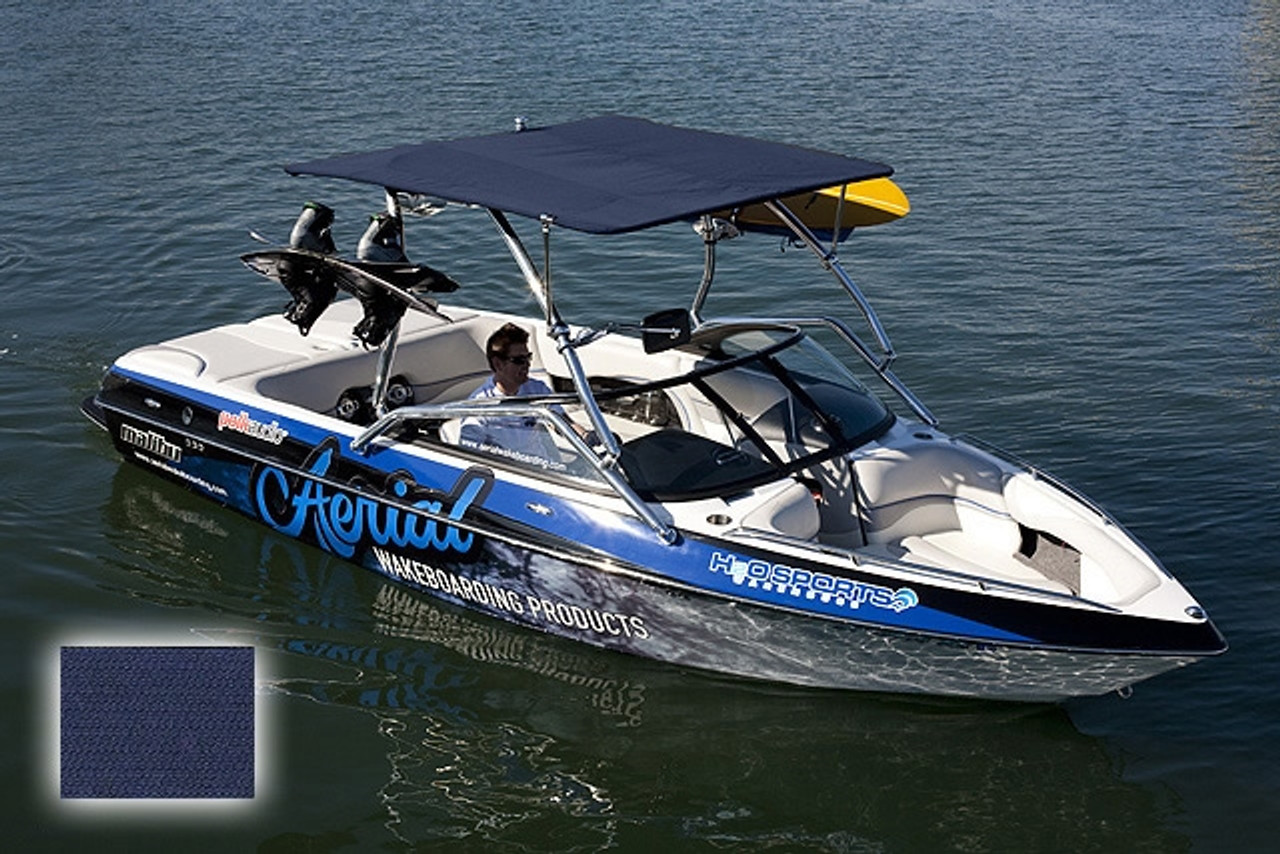
- Folding: Some towers fold down for storage or low bridges.
- Accessory mounts: For speakers, lights, and racks.
- Aesthetics: Towers come in different shapes and colors—pick one that matches your boat.
Practical Examples: Compatible Boat And Tower Combos
Let’s see some real-world examples of good matches:
Example 1: 21-foot Malibu Wakesetter + Factory Tower
The Malibu Wakesetter is designed for wakeboarding. Its hull is strong, and the factory tower fits perfectly. No extra reinforcement is needed.
Example 2: 19-foot Bayliner Vr5 + Universal Tower
The Bayliner VR5 has a solid deck and enough width for most universal towers. With proper backing plates, it’s an affordable way to add wakeboarding features.
Example 3: 22-foot Yamaha Ar220 Jet Boat + Yamaha Tower
Yamaha’s AR series comes with pre-installed tower mounts. The matching Yamaha tower bolts right on, keeping your warranty intact.
Example 4: 24-foot Bennington Tritoon + Specialized Pontoon Tower
This high-end pontoon has reinforced deck plates. With a tower designed for pontoons, you can enjoy wakeboarding without risking damage.
Not-so-obvious Insights Boat Owners Miss
- Not all “ski boats” are tower-ready. Some older ski boats were never designed for the high forces a wakeboard tower creates. Always inspect the deck and stringers.
- Adding a tower can change your boat’s balance. The extra weight up high may affect handling, especially in rough water. Test your boat after installation and adjust ballast if needed.
Safety And Legal Considerations
Installing a wakeboard tower changes your boat’s profile and may affect legal limits for height and navigation bridges. Always check local boating rules.
Also, never exceed the manufacturer’s weight limit for riders or gear on the tower. Overloading can cause failure.
Aftermarket Upgrades: When To Consider
If your boat is almost compatible but needs more strength or features, aftermarket upgrades can help:
- Deck reinforcement kits
- Upgraded hardware
- Quick-release mounts for easy folding
These can make a marginal boat–tower combination much safer.
Cost Expectations
Wakeboard tower installations can cost anywhere from $700 to over $3000, depending on whether you choose universal or custom, and if you need professional installation or reinforcement.
Expect to pay more for installation if your boat needs special reinforcement or if access is limited.
Wakeboarding Without A Tower: Is It Worth It?
You can wakeboard behind almost any boat with enough power, but without a tower, tricks are harder and falls are more likely. You’ll also miss out on the storage and accessory options a tower offers.
If you’re serious about wakeboarding, installing a tower on a compatible boat is the best upgrade you can make.
Final Thoughts
Choosing the right boat for a wakeboard tower is about more than just size or brand. It’s about deck strength, hull design, and installation quality. If you pay attention to these details, you’ll enjoy years of safe, fun wakeboarding—and boost your boat’s value, too. If you’re unsure, always consult a marine professional. For more details on wakeboard tower design and boat compatibility, see this Wikipedia entry on wakeboard towers.
Frequently Asked Questions
What Is The Minimum Boat Size For A Wakeboard Tower?
Most wakeboard towers are made for boats at least 17 feet long. Shorter boats usually lack the deck width and strength for safe tower installation.
Can I Put A Wakeboard Tower On A Pontoon Boat?
Yes, but only on high-quality pontoons with reinforced deck plates. Specialized pontoon towers are needed, and professional installation is strongly recommended.
Is A Universal Wakeboard Tower As Good As A Custom One?
Universal towers fit many boats and are budget-friendly, but a custom tower will fit your boat perfectly and may offer better style and strength. Both can be safe if installed correctly.
Will A Wakeboard Tower Affect My Boat’s Handling?
A tower adds weight up high, which can make the boat feel different, especially in rough water. Most boaters adjust quickly, but it’s smart to test your boat after installation.
What Should I Do If My Deck Is Too Weak For A Tower?
You’ll need to reinforce the deck with strong backing plates or extra support. If this isn’t possible, don’t install a tower—choose a different boat or enjoy wakeboarding without one.

