

Coffee is more than just a morning drink for millions of people. It’s a ritual, a comfort, and sometimes, an art. Whether you’re making coffee for yourself or serving guests, the way you prepare it can change the taste and experience.
With many methods, beans, and tools available, knowing how to make coffee well is a skill that anyone can learn. This article will help you master coffee making, from picking the right beans to brewing your perfect cup. You’ll discover practical steps, helpful tips, and common mistakes to avoid.

36% off Today’s Exclusive Deals
Limited-time Exclusive Deals. Check current discount on Amazon.
Check Price on Amazon As an Amazon Associate I earn from qualifying purchases.By the end, you’ll feel confident making coffee at home—no matter your style or taste.
Understanding Coffee Beans
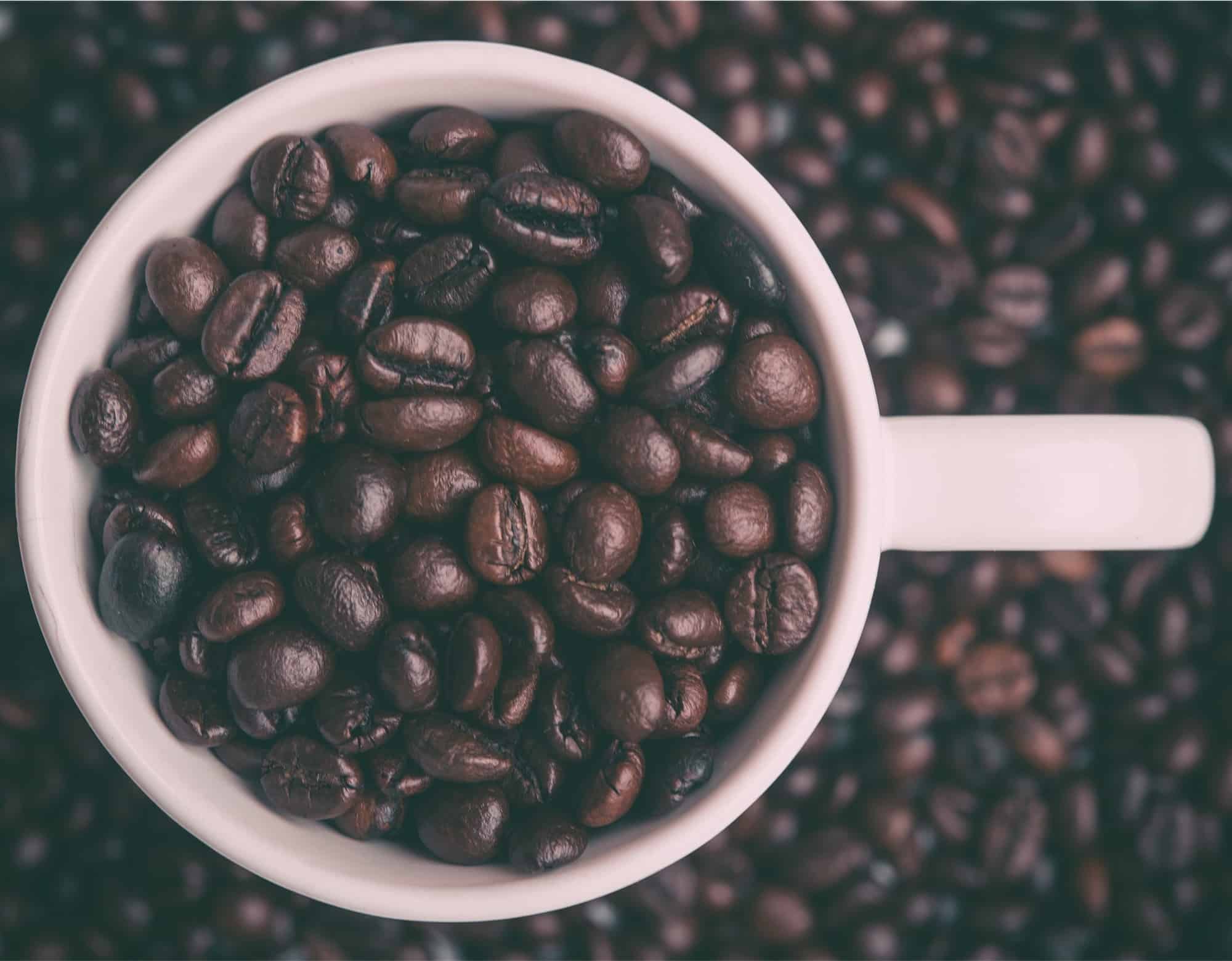
The flavor and quality of your coffee start with the coffee beans. Most coffee beans come from two main types: Arabica and Robusta.
Arabica beans make up around 60–70% of global production. They are known for their smooth, sweet flavor and mild acidity. Robusta beans have a stronger, more bitter taste and contain nearly twice the caffeine of Arabica. They are often used in blends or for espresso.
Roasting also affects bean flavor. Light roasts are brighter and more acidic, while dark roasts are bolder and more bitter. Medium roasts balance both qualities.
Choosing Beans For Your Taste
- Light roast: Fruity, bright, and acidic
- Medium roast: Balanced, slightly sweet, with some acidity
- Dark roast: Rich, smoky, bitter, less acidic
If you are new to coffee, start with a medium roast. It’s usually easier to drink and works well for most brewing methods.
Freshness Matters
Fresh beans make a big difference. Coffee starts to lose flavor about two weeks after roasting. Buy whole beans and grind them right before brewing for the best taste.
Essential Equipment For Making Coffee
Making coffee at home doesn’t need expensive tools, but some equipment will improve your results. Here are the basics:
- Coffee grinder: Burr grinders produce even grounds and better flavor than blade grinders.
- Scale: A digital kitchen scale helps measure coffee and water accurately.
- Kettle: A gooseneck kettle gives you control, especially for pour-over.
- Brewing device: Choose based on your preferred style—drip machine, French press, pour-over, AeroPress, or espresso machine.
- Filters: Paper or metal, depending on your brewing device.
- Thermometer: Optional, but helps keep water at the right temperature.
Comparing Common Brewing Devices
Here’s a quick comparison of popular brewing methods:
| Device | Flavor Profile | Ease of Use | Price Range |
|---|---|---|---|
| Drip Machine | Balanced, convenient | Very easy | $25–$200 |
| French Press | Bold, full-bodied | Easy | $15–$60 |
| Pour-Over | Clean, bright | Moderate | $20–$60 |
| AeroPress | Rich, versatile | Easy | $30–$40 |
| Espresso Machine | Strong, concentrated | Hard | $100–$1000+ |
If you’re just starting, a French press or drip machine is simple and affordable.
Grinding Coffee Beans
Grinding coffee beans is an important step. The grind size affects the flavor, strength, and extraction.
- Coarse grind: For French press and cold brew
- Medium grind: For drip machines and pour-over
- Fine grind: For espresso and AeroPress
Always grind beans just before brewing. This keeps the aroma and flavor fresh.
Grind Size Comparison
Here’s how grind size matches brewing method:
| Method | Recommended Grind | Extraction Time |
|---|---|---|
| French Press | Coarse | 4–5 min |
| Drip Machine | Medium | 5–6 min |
| Pour-Over | Medium-fine | 3–4 min |
| Espresso | Fine | 20–30 sec |
| AeroPress | Fine | 1–2 min |
A beginner mistake is using the wrong grind size. For example, using fine grounds in a French press can make the coffee muddy and bitter.
Measuring Coffee And Water
The ratio of coffee to water is key for taste. Most experts recommend a 1:15 to 1:18 ratio—that’s 1 gram of coffee for every 15–18 grams of water.
For one cup (about 8 oz), use:
- 15–18 grams (about 1–2 tablespoons) of coffee
- 240 ml (8 oz) of water
A scale gives the best accuracy, but you can use tablespoons if needed.
Water Quality
Use fresh, clean water. Tap water with high minerals or chlorine can make coffee taste bad. Filtered water is best.
Brewing Methods Explained
There are many ways to make coffee. Each method has its own steps and style. Here are the most common techniques with instructions.
Drip Coffee Machine
This is the most popular method in the US. It’s easy and consistent.
- Add a paper filter to the basket.
- Measure coffee (medium grind) and add to the filter.
- Pour water into the machine’s reservoir.
- Start the machine. It heats water and drips it over the grounds.
- Coffee collects in the carafe. Serve once brewing finishes.
Most machines have automatic settings, so you don’t need to watch closely. Clean the machine regularly to prevent buildup.
French Press
The French press creates a strong, full-bodied coffee.
- Add coarse ground coffee to the carafe (1: 15 ratio).
- Boil water and let it cool to about 200°F (93°C).
- Pour water over the coffee grounds.
- Stir gently and place the lid with plunger on top.
- Let steep for 4 minutes.
- Press the plunger slowly down.
- Pour coffee immediately to avoid bitterness.
Don’t leave coffee in the French press, or it will keep brewing and taste bitter.
Pour-over
Pour-over gives you control and a clean cup.
- Place a paper filter in the dripper (like a V60).
- Rinse the filter with hot water to remove paper taste.
- Add medium-fine ground coffee.
- Boil water, then let it cool to 200°F.
- Pour a little water to “bloom” the coffee (let it swell for 30 sec).
- Slowly pour the rest of the water in circles.
- Coffee drips into the cup or carafe below.
Take your time when pouring—the speed affects flavor.
Aeropress
AeroPress is fast and versatile.
- Place a paper filter in the cap and attach to the chamber.
- Add fine ground coffee (14 grams for one cup).
- Pour hot water (about 200°F) into the chamber.
- Stir and let steep for 1 minute.
- Insert the plunger and press gently.
- Serve immediately.
You can make strong coffee or espresso-style with AeroPress.
Espresso Machine
Espresso is intense and rich, but the machine is harder to use.
- Fill the portafilter with finely ground coffee.
- Tamp the grounds firmly and evenly.
- Attach the portafilter to the machine.
- Start the machine. Water is forced through the grounds at high pressure.
- Brew for 20–30 seconds.
- Serve espresso shot.
Practice is needed for good espresso. Adjust grind, tamping, and timing for best results.
Water Temperature And Brewing Time
Water temperature affects how coffee extracts. Ideal water is 195–205°F (90–96°C). If water is too hot, coffee tastes bitter; too cold, it’s weak.
Most brewing methods use different times:
- French press: 4–5 minutes
- Drip machine: 5–6 minutes
- Pour-over: 3–4 minutes
- Espresso: 20–30 seconds
- AeroPress: 1–2 minutes
Use a thermometer if you want precision, but boiling water cooled for 30 seconds is usually close to ideal.
Serving Coffee
How you serve coffee changes the experience. Here are some ways:
- Black coffee: Pure, no additions. Taste the original flavor.
- With milk or cream: Softens bitterness, adds richness.
- Sugar or sweetener: Makes coffee sweeter.
- Iced coffee: Brew strong coffee and pour over ice.
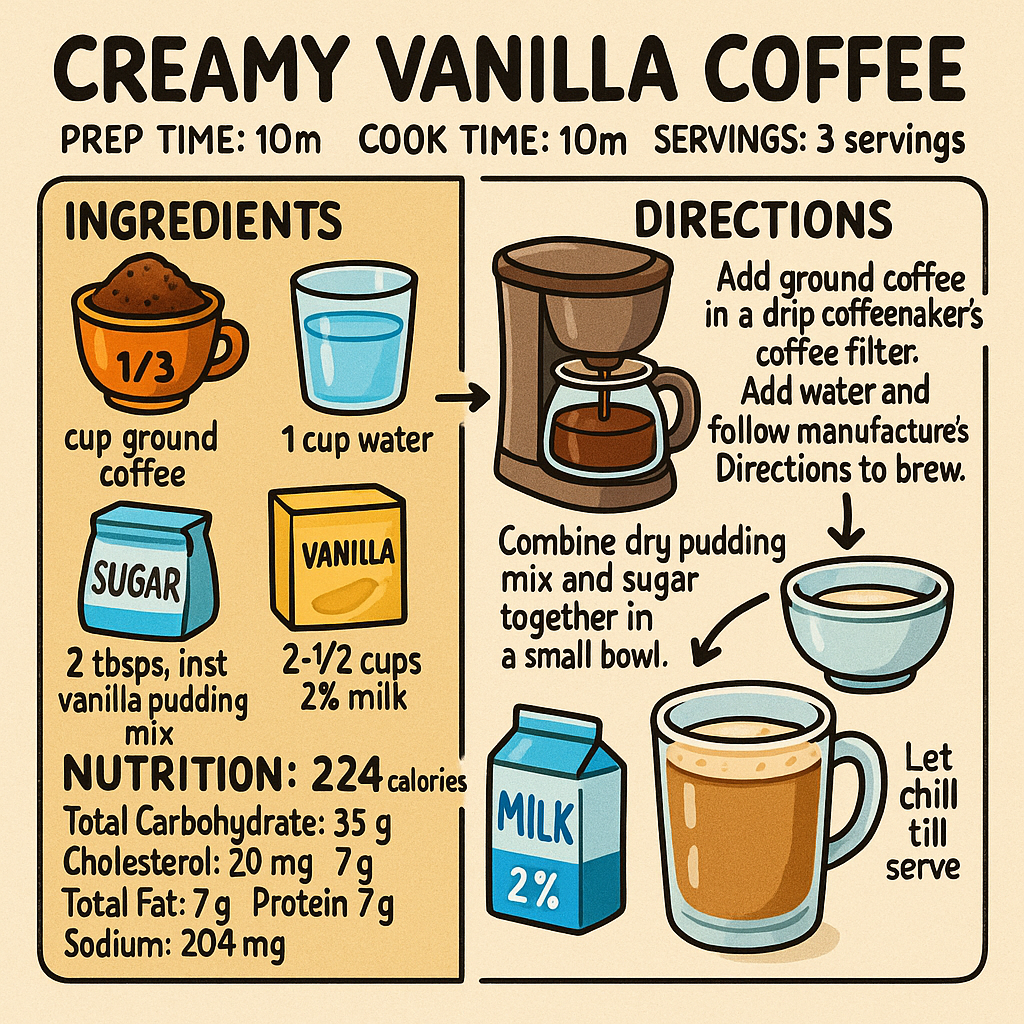
- Flavored syrups: Vanilla, caramel, hazelnut.
Use clean cups and serve coffee soon after brewing. Coffee loses flavor as it cools and sits.
Enhancing Flavor And Aroma
If you want to improve your coffee, try these tips:
- Use fresh beans: Old beans lose aroma.
- Store beans properly: Keep in a cool, dry place, in an airtight container.
- Grind just before brewing: Keeps flavor strong.
- Try different water: Filtered water can make a big difference.
- Experiment with ratios: Adjust coffee and water to suit your taste.
- Clean your equipment: Old coffee oils make new coffee taste bad.
Many beginners forget to clean their grinder and brewing devices. Old grounds and oil can ruin taste.
Common Mistakes To Avoid
Even experienced coffee makers make mistakes. Here are some to watch for:
- Using stale beans
- Grinding beans too early
- Using wrong grind size for the method
- Water that is too hot or cold
- Wrong coffee-to-water ratio
- Not cleaning equipment
- Letting coffee sit too long before serving
Don’t assume more coffee means stronger taste. It can just make coffee bitter. Adjust only one factor at a time so you know what changed.
Advanced Coffee Techniques
Once you master the basics, you can try advanced methods for better coffee:
Cold Brew
Cold brew is smooth and less acidic. It’s brewed with cold water over 12–24 hours.
- Use coarse ground coffee (1: 8 ratio).
- Add coffee and water to a jar.
- Stir, cover, and refrigerate for 12–24 hours.
- Strain through a fine filter.
- Serve over ice or dilute with milk.
Cold brew is strong, so you can mix it with water or milk.
Latte, Cappuccino, And More
Espresso drinks use steamed milk and foam. Here’s a basic comparison:
| Drink | Espresso | Milk | Foam |
|---|---|---|---|
| Latte | 1 shot | 6–8 oz | Thin layer |
| Cappuccino | 1 shot | 4 oz | Thick layer |
| Macchiato | 1 shot | Just a splash | Small dollop |
You need a steam wand to froth milk. Practice makes perfect with milk texture.
Coffee And Health
Coffee is safe for most people. It contains antioxidants and can improve mood and focus. The average cup has about 95 mg of caffeine.
For adults, up to 400 mg caffeine per day is safe (about 4 cups). Too much caffeine can cause jitteriness, insomnia, or stomach upset.
Pregnant women and people with heart issues should limit intake. If you’re sensitive to caffeine, try decaf coffee.
Sustainable Coffee Choices
Coffee impacts the environment and communities. Choose fair trade or organic beans when possible. Fair trade coffee supports farmers and ensures better working conditions.
Organic coffee is grown without pesticides. It’s better for the environment and your health.
Look for certifications on the package. Buying from local roasters also helps reduce shipping emissions.
Finding Your Perfect Cup
Everyone’s taste is different. Try various beans, methods, and ratios to find what you like best.
Some people prefer strong, dark coffee. Others like mild, sweet flavors. Keep notes on what you try and adjust next time.
A non-obvious tip: Try blending two roast levels. Mixing medium and dark beans can add depth to your coffee.
Practical Tips For Beginners
- Start simple: Use a French press or drip machine first.
- Use a kitchen scale: Accuracy improves taste.
- Don’t buy too much coffee at once: Beans lose flavor after two weeks.
- Practice pouring: For pour-over, slow, steady pouring gives best results.
- Taste test: Try the same coffee with different methods to compare.
Many beginners use boiling water directly. Let water cool for 30 seconds after boiling for better extraction.
Cleaning And Maintenance
Always clean your equipment after every use. Coffee oil and grounds build up quickly.
- Wash carafes, filters, and grinders with warm water.
- Use a brush for grinders.
- Deep clean machines monthly with vinegar or special cleaners.
Proper cleaning extends equipment life and keeps coffee tasting fresh.
Coffee Around The World
Coffee is enjoyed in many styles globally. Here are a few examples:
- Italian espresso: Short, strong shots
- Turkish coffee: Finely ground, boiled with sugar
- Vietnamese coffee: Drip brew with sweetened condensed milk
- Ethiopian coffee ceremony: Ritual brewing and serving
Learning about coffee cultures can inspire new ways to enjoy your drink.
Frequently Asked Questions
What Is The Best Coffee-to-water Ratio?
Most experts recommend a 1:15 to 1:18 ratio. Use 1 gram of coffee for every 15–18 grams of water. Adjust for your taste—more coffee gives a stronger flavor.
How Do I Keep My Coffee Fresh?
Store beans in an airtight container in a cool, dry place. Avoid sunlight, heat, and moisture. Don’t freeze beans unless you keep them tightly sealed.
Can I Make Good Coffee Without Expensive Equipment?
Yes. A French press or pour-over dripper costs less than $30 and makes excellent coffee. Focus on fresh beans and proper technique.
Why Does My Coffee Taste Bitter?
Bitterness can come from over-extraction, using too hot water, or old beans. Try reducing brewing time, lowering water temperature, or changing beans.
What Is The Healthiest Way To Drink Coffee?
Black coffee has no added sugar or fat and contains antioxidants. Limit sweeteners and cream if you want a healthier drink. Drink in moderation—up to 4 cups per day is safe for most adults.
Coffee making is both simple and complex. With the right beans, tools, and steps, anyone can brew a delicious cup at home. Take time to experiment and discover what you enjoy. Remember, fresh ingredients, careful measurements, and proper cleaning are key.
Coffee is personal, so find your style and make it your own.
For more details on coffee types and culture, visit Wikipedia. Enjoy your coffee journey!

