

Fishing is a peaceful hobby, but it can also be competitive and exciting. Whether you fish for fun or sport, boat control is crucial. One tool has changed fishing more than almost any other: the trolling motor. For many, using a trolling motor can be confusing at first. This article will guide you step-by-step, showing how to use a trolling motor, how to get the most out of it, and how to avoid common mistakes. With simple explanations, clear tips, and practical advice, you’ll soon feel confident on the water.
Understanding Trolling Motors
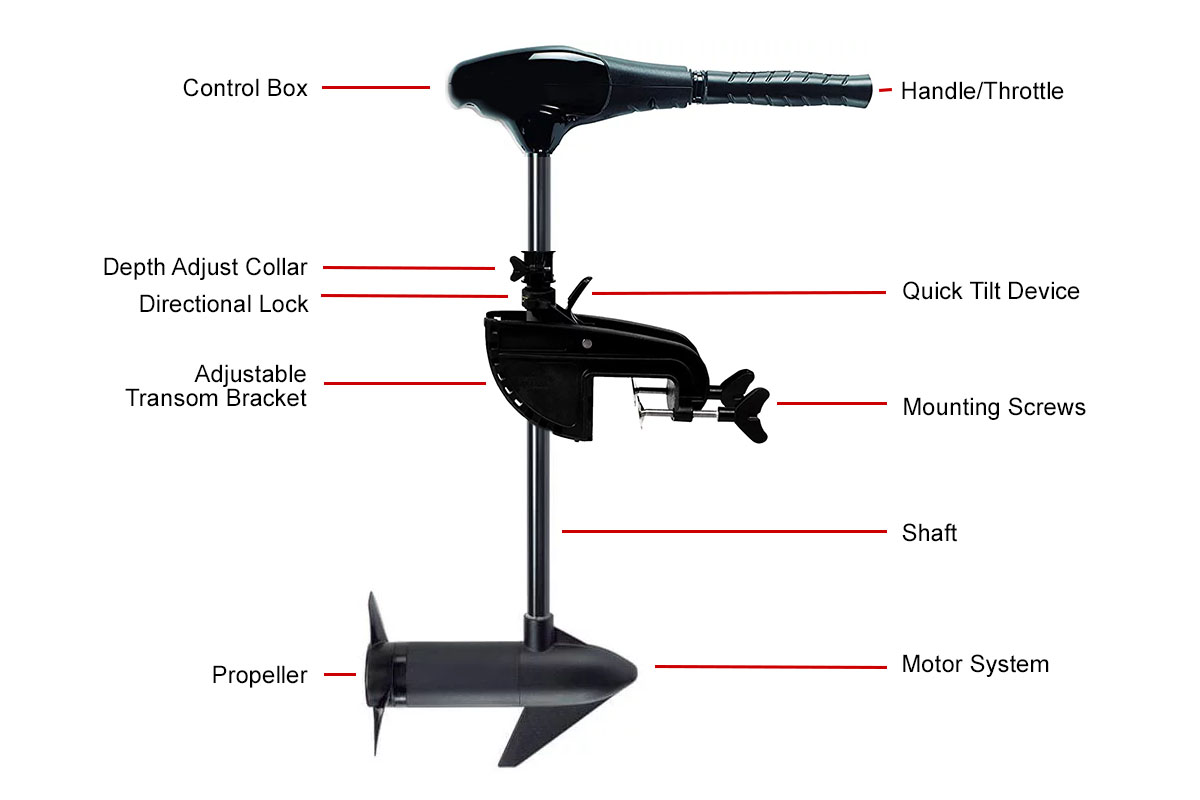
A trolling motor is a small, quiet electric motor mounted on a boat. It lets you move slowly and steer with precision, perfect for fishing or navigating tight spaces. Unlike the main engine, a trolling motor is used for fine control rather than speed. Most trolling motors are powered by batteries and are either bow-mounted (front) or transom-mounted (back).

36% off Today’s Exclusive Deals
Limited-time Exclusive Deals. Check current discount on Amazon.
Check Price on Amazon As an Amazon Associate I earn from qualifying purchases.Types Of Trolling Motors
There are three main types of trolling motors:
- Bow-mounted: Installed at the front of the boat. Offers better control and maneuvering.
- Transom-mounted: Attached at the back. Easier for small boats and beginners.
- Engine-mounted: Fixed on the outboard engine. Rare, usually for larger boats.
Bow-mounted motors are popular for bass boats and serious anglers. Transom-mounted motors are common on smaller boats like dinghies or canoes.
Key Features To Know
- Thrust: Measured in pounds. More thrust means more power. A typical motor offers 30–100 lbs of thrust.
- Voltage: Usually 12V, 24V, or 36V. Higher voltage means more power and longer run time.
- Control Types: Foot pedal, hand tiller, or wireless remote.
- Shaft Length: Needs to match your boat size and water depth.
Why Use A Trolling Motor?
Trolling motors help you:
- Fish quietly
- Move slowly for precise casting
- Hold your position in wind or current
- Explore shallow areas
Without a trolling motor, you risk spooking fish or drifting away from your target spot.
Preparing To Use Your Trolling Motor
Before you use your trolling motor, you must prepare your boat and equipment. Careful preparation prevents problems and protects your motor.
Choosing The Right Motor
The best trolling motor depends on your boat size and how you plan to use it. Here’s a quick comparison:
| Boat Size | Recommended Thrust | Voltage |
|---|---|---|
| 12–14 ft | 30–40 lbs | 12V |
| 15–17 ft | 40–55 lbs | 12V/24V |
| 18+ ft | 70–100 lbs | 24V/36V |
Battery Setup
Most trolling motors use deep cycle marine batteries. These batteries last longer and provide steady power. Make sure your batteries are:
- Fully charged
- Installed securely
- Connected with correct wiring
A 12V motor needs one battery, a 24V motor needs two, and a 36V motor needs three.
Safety Checks
Before heading out, always:
- Inspect propeller for damage
- Check wiring for wear or corrosion
- Ensure mounting brackets are tight
- Test the motor in shallow water
Ignoring these steps can lead to breakdowns or even accidents.
Installing And Mounting The Motor
Installing your trolling motor correctly is vital for safe and smooth operation. Placement and mounting affect performance.
Bow-mount Installation
Bow-mounted motors require strong mounting brackets. Here’s how to install:
- Place the bracket on the bow, making sure it’s centered and clear of obstructions.
- Drill holes and attach with stainless steel bolts.
- Tighten all bolts firmly.
- Connect the motor to the battery using marine-grade cables.
- Test the motor before launching.
Transom-mount Installation
Transom-mounted motors are easier to install:
- Position the motor on the transom (back of boat).
- Tighten the clamp screws.
- Adjust the shaft so the propeller is below the water line.
- Connect the battery.
Shaft Length And Position
Choosing the right shaft length is key. If it’s too short, the propeller may come out of the water, especially in waves. Use this guide:
| Boat Height (Bow to Water) | Shaft Length |
|---|---|
| 0–16 inches | 36 inches |
| 17–22 inches | 42 inches |
| 23–28 inches | 48–52 inches |
Always make sure the propeller stays at least 12 inches below the surface.
Basic Operation Of A Trolling Motor
Once installed, it’s time to learn basic operation. Here’s how to start and use your trolling motor.
Power On And Speed Control
Most motors have a simple switch or dial. Turn it on, then set your speed. Start at low speed and increase as needed. Slow speeds are best for fishing.
- Hand tiller: Turn the handle to steer and adjust speed.
- Foot pedal: Press to go forward or turn.
- Remote control: Use buttons for speed and direction.
Steering And Maneuvering
Steering depends on your motor type:
- Bow-mounted: Steer left/right using foot pedal or remote.
- Transom-mounted: Turn the tiller handle left/right.
Practice gentle turns. Avoid sudden movements, which can unbalance the boat.
Adjusting Depth
The propeller must stay under water for best performance. Use the shaft adjustment collar to raise or lower the motor.
- Shallow water: Raise shaft to avoid hitting bottom.
- Deep water: Lower shaft for stability.
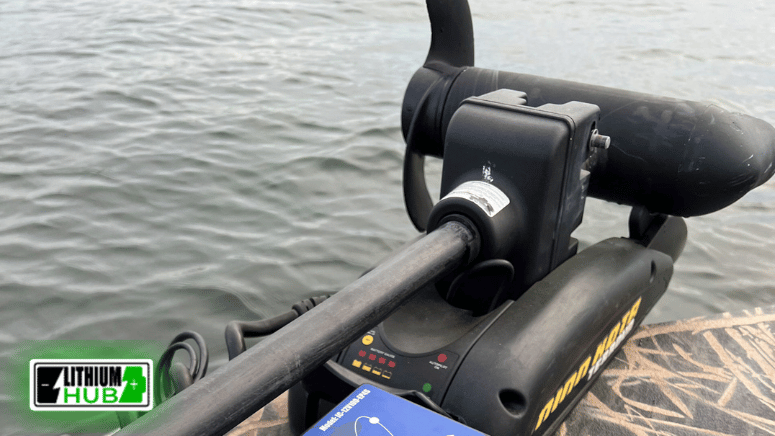
Common Controls
Most trolling motors include:
- Forward/reverse switch
- Variable speed dial
- Battery level indicator
- Auto-pilot or anchor mode (on advanced models)
Read your user manual to understand all features.
Advanced Features And Techniques
Modern trolling motors come with advanced technology. Learning these features will help you fish smarter and stay safe.
Gps And Spot-lock
Some motors have built-in GPS and Spot-Lock. Spot-Lock holds your boat in place automatically, like a virtual anchor. Press a button, and the motor keeps you steady, even in wind or current.
- Great for fishing one spot
- Reduces need to drop physical anchor
Auto-pilot
Auto-pilot lets you set a course, and the motor steers the boat. This is useful for trolling along shorelines or following a path.
Wireless Controls
Wireless remotes or smartphone apps make operation easier. You can control speed and direction from anywhere on the boat.
Battery Management
Advanced motors monitor battery levels and adjust power use. Some display battery status in real time.
Practical Example
Imagine fishing in a windy lake. You press Spot-Lock, and the motor holds your position. You focus on casting, not on drifting. This increases your catch rate and reduces stress.
Practical Tips For Using A Trolling Motor
Even with basic knowledge, using a trolling motor well takes practice. Here are tips to help you get the most from your motor.
1. Move Quietly
Keep speeds low near fish. High speed creates noise and scares fish away. Use gentle turns and avoid rapid direction changes.
2. Plan Your Route
Before heading out, think about where you want to fish. Use the trolling motor to approach slowly and quietly.
3. Use Wind And Current
Let wind and current help you. Use the motor to correct drift, not fight it completely. This saves battery power.
4. Watch Battery Levels
Check battery status often. Avoid running the motor at full speed for long periods. If possible, carry a spare battery.
5. Maintain The Motor
Regular maintenance keeps your motor reliable:
- Clean propeller after each trip
- Check for fishing line wrapped around prop
- Store batteries in a cool, dry place
- Inspect wiring and connections
6. Practice Docking
Use the trolling motor for docking. Approach slowly, steer carefully, and stop the boat gently.
7. Avoid Shallow Hazards
Rocks, weeds, and logs can damage the propeller. Raise the shaft in shallow water and use slow speed.
8. Learn To Use Anchor Modes
Spot-Lock and other anchor modes save time and effort. Learn how to activate and deactivate these features.
9. Try Trolling For Fish
Trolling means moving slowly while dragging bait or lures. Use steady speed and watch for bites.
10. Keep Spare Parts
Carry spare fuses, propellers, and cables. Small repairs can save your day on the water.
Common Mistakes To Avoid
Beginners often make mistakes when using trolling motors. Learning from others’ errors can save you trouble.
Draining Batteries Too Fast
Running at full speed drains batteries quickly. Use low speeds when possible. Remember, a 12V battery may last only 3–5 hours at full power.
Ignoring Shaft Length
A shaft that’s too short causes the propeller to lose contact with water. Always match shaft length to your boat.
Forgetting To Check For Debris
Fishing line, weeds, or trash can wrap around the propeller. This strains the motor and can cause overheating.
Not Securing The Motor
Loose mounting can lead to vibration or even loss of the motor. Always double-check all bolts and clamps.
Overlooking Battery Connections
Corroded or loose connections reduce power and can cause the motor to stop unexpectedly.
When And How To Use Trolling Motors For Fishing
Trolling motors are not just for moving around. They change how you fish.
Approaching Fish
Fish are sensitive to noise and movement. Use the trolling motor to approach slowly. Stop and use anchor mode when close.
Positioning The Boat
Wind and current can push your boat away from a good spot. Use the motor to correct your position.
Trolling Techniques
Many anglers troll for:
- Walleye
- Bass
- Pike
- Salmon
Set a steady speed. Drag bait or lures behind the boat. Adjust speed based on target species.
Holding In Place
When you find a productive spot, Spot-Lock or anchor mode keeps you there. No need for a physical anchor.
Comparing Trolling Motor Brands
There are several trusted brands. Here’s a quick comparison of popular choices:
| Brand | Popular Models | Main Features | Price Range |
|---|---|---|---|
| Minn Kota | Ultrex, Terrova | Spot-Lock, GPS, wireless control | $500–$2,500 |
| MotorGuide | X3, Xi5 | Pinpoint GPS, wireless pedal | $400–$1,800 |
| Garmin | Force | Wireless, high thrust, integrated sonar | $2,000–$3,000 |
| Lowrance | Ghost | Quiet operation, GPS, long battery life | $2,000–$3,500 |
Choose based on your budget, boat size, and fishing needs.
Maintenance And Troubleshooting
A well-maintained trolling motor lasts longer and works better.
Routine Checks
- Clean propeller and shaft after every trip.
- Check for corrosion on terminals.
- Lubricate moving parts.
- Store motor and batteries in a dry area.
Troubleshooting Common Issues
- Motor won’t start: Check battery connections and charge.
- Weak power: Inspect wiring and battery voltage.
- Noisy operation: Remove debris from propeller.
- Erratic steering: Tighten mounting and check controls.
If problems persist, consult your user manual or contact the manufacturer.

Upgrades And Accessories
You can improve your trolling motor experience with accessories:
- Battery chargers: Fast charging for long trips.
- Propeller guards: Protect against rocks and weeds.
- Mounting brackets: Stronger brackets for rough water.
- Remote controls: Easier operation from anywhere on the boat.
- Sonar integration: See fish and structure below your boat.
Some upgrades, like GPS and wireless remotes, add significant value but cost more.
Environmental Impact
Trolling motors are better for the environment than gas engines. They produce:
- Less noise
- No exhaust fumes
- Minimal disturbance to fish and wildlife
Many lakes now require electric motors only. Always follow local rules and respect nature.
Real-world Example: A Day On The Water
Imagine you own a 16-foot bass boat with a 24V bow-mounted motor. You arrive at the lake, batteries fully charged. After launching, you use the motor to approach a rocky shoreline. At low speed, you spot fish. With Spot-Lock, you hold your position and cast.
Wind picks up, but your boat stays steady. After two hours, you check the battery status—still strong.
You move to deeper water, lower the shaft, and troll for walleye. By adjusting speed and direction with your wireless remote, you cover more area. At the end of the day, you dock gently using the trolling motor. You clean the propeller, store the batteries, and plan your next trip.
This experience shows how a trolling motor enhances your fishing day, making everything easier and more enjoyable.
Frequently Asked Questions
How Long Does A Trolling Motor Battery Last?
A typical deep cycle battery lasts about 5–8 hours at low speed. At full speed, run time drops to 3–5 hours. Battery life depends on motor thrust, boat weight, and speed. For longer trips, use higher voltage systems or carry spare batteries.
Can I Use A Trolling Motor In Saltwater?
Yes, but only if the motor is designed for saltwater. Saltwater motors have special coatings and seals to prevent corrosion. Always rinse the motor with fresh water after use and apply anti-corrosion spray. Using a freshwater motor in saltwater can cause damage.
What’s The Best Way To Mount A Trolling Motor?
Mount the motor firmly with stainless steel bolts or clamps. For bow-mounts, center the bracket and leave space for the shaft to deploy. For transom-mounts, place the motor on the flat part of the transom and tighten clamps securely. Always match shaft length to boat height.
How Do I Know What Thrust I Need?
Thrust depends on boat size and weight. As a rule, use 2 lbs of thrust per 100 lbs of boat weight. For example, a 1,500 lbs boat needs at least 30 lbs of thrust. If fishing in wind or current, choose a higher thrust model for better performance.
Where Can I Learn More About Trolling Motors?
Many resources are available online. For detailed technical information and buyer guides, visit Wikipedia. Manufacturer websites and fishing forums also offer tips and troubleshooting advice.
Using a trolling motor is easier than it looks, but practice and preparation matter. With the right equipment, careful setup, and smart operation, you’ll enjoy better fishing and safer boating. A trolling motor lets you explore new areas, fish quietly, and control your boat with precision.
Remember to maintain your motor, watch battery levels, and use advanced features to make your day on the water memorable. With these tips and insights, you’re ready to get started and become a confident trolling motor user.

