

Cleaning your dishwasher may sound strange. Isn’t it supposed to clean itself? Actually, dishwashers need regular cleaning to work well and keep your dishes spotless. If you ignore this simple task, you might notice odors, cloudy glassware, or even a decline in cleaning performance.
A dirty dishwasher can also harbor bacteria and mold, making your kitchen less hygienic. The good news? Cleaning your dishwasher is not complicated, and you don’t need special skills. With just a few simple steps and some everyday products, you can keep your appliance running smoothly and extend its lifespan.

36% off Today’s Exclusive Deals
Limited-time Exclusive Deals. Check current discount on Amazon.
Check Price on Amazon As an Amazon Associate I earn from qualifying purchases.Let’s explore how to clean a dishwasher thoroughly, avoid common mistakes, and make sure your dishes come out sparkling every time.
Why You Need To Clean Your Dishwasher
Many people think dishwashers don’t need cleaning. After all, they use hot water and detergent. But over time, bits of food, grease, soap scum, and minerals from hard water can build up. This buildup can block spray arms, clog filters, and create a breeding ground for bacteria.
According to appliance experts, most dishwashers should be cleaned at least once a month. If you use your dishwasher daily, you may need to clean it more often. Regular cleaning can prevent:
- Bad smells
- Reduced cleaning power
- Unwanted bacteria and mold
- Cloudy dishes and glasses
- Expensive repairs
A 2022 survey by the National Kitchen & Bath Association found that 73% of homeowners reported improved dishwasher performance after cleaning their appliance regularly. This simple habit saves money and hassle in the long run.
Tools And Supplies You’ll Need
Before you start, gather some basic cleaning supplies. You don’t need anything fancy—most items are already in your home.
- Soft cloth or sponge
- Old toothbrush
- Dish soap
- White vinegar
- Baking soda
- Toothpicks or skewers
- Paper towels
- Rubber gloves (optional)
- Small bowl
- Flashlight (to check hidden spots)
For deeper cleaning or stubborn stains, you can use commercial dishwasher cleaners. But natural products like vinegar and baking soda are often just as effective.
Step-by-step Dishwasher Cleaning Guide
Cleaning a dishwasher is a process. Follow these steps for the best results.
1. Empty The Dishwasher
Make sure there are no dishes inside. Remove any racks or utensil holders if possible. This gives you access to all the parts that need cleaning.
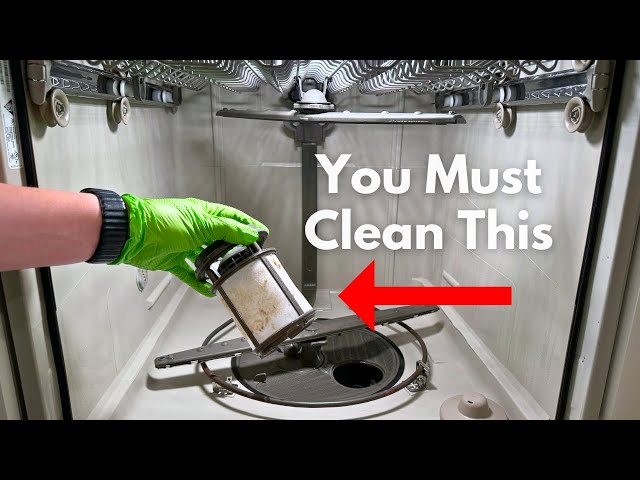
2. Clean The Filter
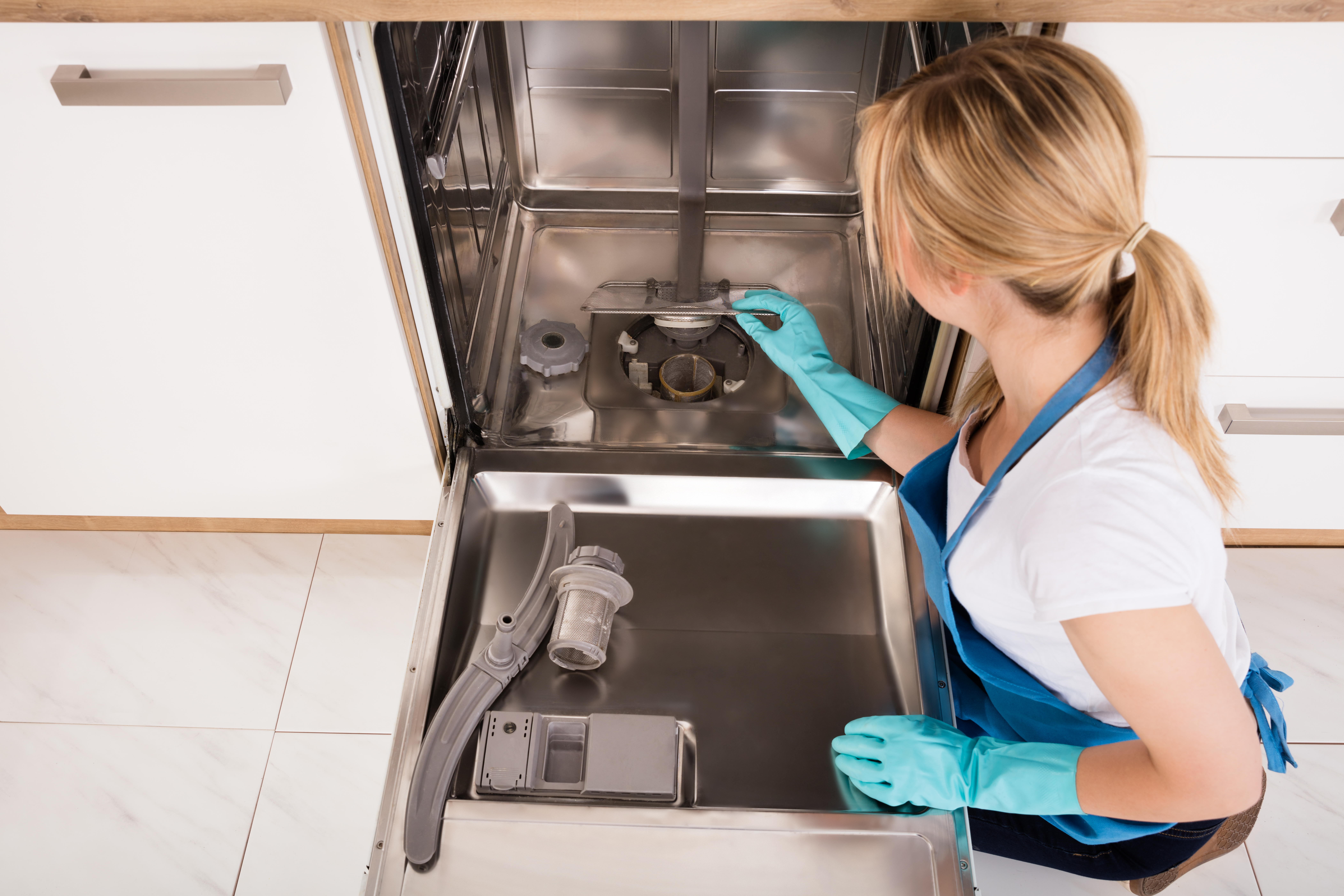
Most dishwashers have a filter at the bottom. The filter catches food particles and prevents them from sticking to your dishes. If the filter gets clogged, your dishwasher can’t drain properly.
- Find the filter (usually under the bottom spray arm).
- Unlock and remove it (check your owner’s manual if unsure).
- Wash the filter in warm, soapy water. Use a toothbrush to scrub away stubborn debris.
- Rinse well and let it dry before putting it back.
Non-obvious tip: Some newer dishwashers have self-cleaning filters, but even these benefit from a manual check every few months.
3. Wipe The Door And Seals
Dishwasher doors and rubber seals can collect grime and mold.
- Mix a little dish soap with warm water.
- Wipe the door edges, seals, and hinges with a cloth or sponge.
- Use a toothbrush for tight corners.
- Dry with a paper towel.
Hidden insight: Pay extra attention to the bottom of the door. Water can pool here, leading to mold that often goes unnoticed.
4. Clean The Spray Arms
Spray arms shoot water to clean your dishes. If they’re blocked, your dishwasher won’t clean well.
- Remove spray arms if possible (most pop off easily).
- Rinse under running water.
- Use a toothpick or skewer to clear any blocked holes.
- Reattach the spray arms.
Practical tip: If your dishes come out dirty, check the spray arms first. Even tiny blockages can affect cleaning.
5. Wipe The Interior
Food bits and soap scum can stick to the inside walls.
- Use a damp cloth with dish soap to wipe down the sides, back, and roof.
- Don’t forget the racks and utensil baskets.
For tough stains, sprinkle a little baking soda and scrub gently.
6. Remove And Clean Racks
If your racks are removable, take them out.
- Wash with dish soap and water.
- Rinse and dry before placing back.
Some racks have wheels or metal parts that can rust—check and clean those areas carefully.
7. Run A Vinegar Cycle
Vinegar is a natural cleaner that breaks down grease and mineral deposits.
- Place a cup of white vinegar in a dishwasher-safe bowl on the top rack.
- Run a hot-water cycle (without detergent or dishes).
This step cleans the inside and removes odors.
8. Run A Baking Soda Cycle
For extra freshness, use baking soda.
- Sprinkle one cup of baking soda on the bottom of the dishwasher.
- Run a short hot-water cycle.
This helps remove any lingering smells and brightens the interior.
9. Clean Exterior Surfaces
The outside of your dishwasher matters too.
- Wipe the control panel and handle with a damp cloth.
- For stainless steel models, use a cleaner recommended for stainless steel.
Avoid harsh chemicals that could damage touch controls.
10. Check And Clear The Drain
Dishwasher drains can clog with food and debris. If you notice standing water, inspect the drain.
- Remove any visible debris.
- Use a flashlight to check for buildup.
- If clogged, try using a small brush or a commercial drain cleaner.
Extra tip: A blocked drain can cause leaks and damage. It’s worth checking every few months, especially if you notice odors or drainage problems.
Comparing Cleaning Methods
Different cleaning methods have pros and cons. Here’s a quick comparison to help you choose what’s best for your dishwasher:
| Method | Effectiveness | Cost | Safety |
|---|---|---|---|
| White Vinegar | High (removes odors & mineral deposits) | Low | Very safe |
| Baking Soda | Medium (freshens and cleans) | Low | Very safe |
| Commercial Cleaners | High (removes tough stains) | Medium to high | Safe if used as directed |
| Lemon Juice | Medium (removes light stains & odors) | Low | Safe |
Vinegar and baking soda are popular because they’re cheap and safe. Commercial cleaners work well for tough stains but are more expensive.

How Often Should You Clean Your Dishwasher?
Cleaning frequency depends on how often you use your dishwasher and the hardness of your water. Here’s a guide:
| Usage Level | Recommended Cleaning | Notes |
|---|---|---|
| Daily | Monthly | Check filter weekly |
| Several times/week | Every 2 months | Filter every 2 weeks |
| Rarely | Every 3 months | Filter monthly |
| Hard water | Every 3-4 weeks | Use vinegar often |
If you notice odors or cloudy dishes, clean sooner. Some dishwashers have a cleaning reminder light—check your manual.
Common Dishwasher Cleaning Mistakes
Even careful homeowners can make mistakes. Here are some to avoid:
- Skipping the filter: The filter is easy to forget, but it’s vital.
- Using bleach: Bleach can damage stainless steel and seals.
- Ignoring spray arms: Blocked holes reduce cleaning performance.
- Not cleaning seals: Mold often grows here.
- Overusing detergent: Too much soap causes residue.
- Cleaning only the exterior: Internal cleaning is more important.
- Forgetting the drain: A clogged drain leads to leaks.
Non-obvious insight: Many people forget to rinse the filter after cleaning. Soap residue can build up, making the filter less effective.
Extra Tips For A Sparkling Dishwasher
- Leave the door open after cycles: This lets moisture evaporate, preventing mold.
- Use dishwasher-safe cleaners: Not all products are safe—check labels.
- Run hot water before starting a cycle: This ensures the dishwasher fills with hot water immediately, improving cleaning.
- Clean the filter more often if you cook with oils or sticky foods: These foods leave more residue.
- Check for leaks after cleaning: Cleaning can loosen parts; make sure everything is secure.
Deep Cleaning For Tough Problems
Sometimes regular cleaning isn’t enough. If your dishwasher has persistent odors, stains, or isn’t cleaning well, try these deep cleaning steps:
Mold And Mildew Removal
If you see mold or smell mildew:
- Mix 1 cup vinegar with 1 tablespoon baking soda.
- Scrub affected areas with a toothbrush.
- Run a hot cycle with vinegar.
Hard Water Deposit Removal
Hard water leaves mineral stains, especially on heating elements and spray arms.
- Use a commercial cleaner designed for dishwashers.
- Or, soak removable parts in vinegar for 30 minutes, then scrub.
Heavy Grease Removal
Grease builds up in older dishwashers.
- Run a cycle with a dishwasher-safe degreaser.
- Scrub the filter and drain area.
Pro tip: Always rinse parts thoroughly after using strong cleaners. Residue can affect the next wash cycle.
Dishwasher Maintenance For Long-term Performance
Cleaning is just part of dishwasher care. Regular maintenance prevents issues and keeps your appliance working well.
- Check hoses and connections: Look for leaks or cracks.
- Inspect the heating element: Remove mineral buildup if needed.
- Test the door latch: Make sure it closes tightly.
- Read your owner’s manual: Some models have special cleaning needs.
Stat: Dishwashers that are maintained properly last up to 2–3 years longer than neglected models, according to Consumer Reports.
Eco-friendly Cleaning Options
Many people want to avoid harsh chemicals. Eco-friendly cleaning is possible with simple products.
- Vinegar and baking soda: Safe for most dishwashers.
- Lemon juice: Freshens and removes stains.
- Reusable cloths: Avoid paper waste.
If you prefer commercial cleaners, look for brands labeled “green” or “eco-friendly. ” They usually use safer ingredients.
Troubleshooting After Cleaning
Sometimes, you may notice problems after cleaning your dishwasher.
Dishwasher Not Draining
If water remains after cleaning, check:
- The filter (may not be reinstalled properly)
- The drain (may still be clogged)
- The hose (may be kinked)
Dishes Still Dirty
If your dishes are not coming out clean:
- Make sure the spray arms are clear.
- Use the right amount of detergent.
- Check the water temperature—it should be at least 120°F.
Odors Persist
If smells don’t go away:
- Try another vinegar cycle.
- Clean the filter again.
- Inspect the drain for hidden buildup.
Diy Vs Professional Cleaning
Most dishwasher cleaning can be done at home. But if you face serious issues—persistent leaks, electrical problems, or deep mold—you may need a professional.
| Cleaning Type | DIY | Professional |
|---|---|---|
| Basic cleaning | Easy | Usually not needed |
| Deep cleaning | Possible | Recommended for mold |
| Repairs | Not advised | Essential for leaks, electrical |
| Odor removal | Easy | If persistent, seek help |
Professional cleaning costs $100–$250 on average. DIY is cheaper and usually enough for regular maintenance.
Safety Precautions
Dishwasher cleaning is safe, but some precautions help:
- Always unplug or turn off the dishwasher before deep cleaning.
- Use gloves if you’re sensitive to cleaning products.
- Avoid mixing bleach with other cleaners.
- Keep sharp objects away from spray arms and seals.
If you use commercial cleaners, follow the instructions closely. Improper use can damage parts or cause fumes.
When To Replace Your Dishwasher
Even the best cleaning can’t fix every problem. If your dishwasher is over 10 years old, repairs may not be worth it. Signs you may need a replacement include:
- Frequent leaks
- Poor cleaning performance despite regular maintenance
- Loud noises or strange smells
- Rust or visible damage
According to the US Department of Energy, newer dishwashers use 25% less energy and 40% less water than models from 10 years ago. Upgrading can save money and improve cleaning.
Frequently Asked Questions
How Do I Know If My Dishwasher Needs Cleaning?
If you notice bad smells, cloudy dishes, or poor cleaning, it’s time to clean your dishwasher. Standing water or visible debris are also signs.
Can I Use Bleach To Clean My Dishwasher?
Avoid using bleach, especially in stainless steel dishwashers. Bleach can damage seals and metal parts. Stick to vinegar and baking soda.
What’s The Best Way To Remove Hard Water Stains?
White vinegar is effective. Run a hot cycle with a cup of vinegar. For tough stains, use a commercial cleaner made for dishwashers.
How Often Should I Clean My Dishwasher Filter?
Clean your filter at least once a month. If you use your dishwasher daily, check it every two weeks. A clean filter improves performance.
Can I Use Lemon Juice Instead Of Vinegar?
Yes, lemon juice works well for removing odors and light stains. Place a cup on the top rack and run a hot cycle.
Cleaning your dishwasher doesn’t have to be a chore. With regular care and a few simple products, you can keep your appliance running smoothly and your dishes sparkling clean. If you ever need more details, visit Consumer Reports for expert advice. Remember, a clean dishwasher means a cleaner kitchen and healthier home.

