

Growing tomatoes can be one of the most rewarding experiences for both beginners and seasoned gardeners. These vibrant red fruits are packed with flavor and nutrients, making them a staple in kitchens worldwide. Whether you want to enjoy fresh slices in salads, make homemade sauces, or simply eat them off the vine, understanding how to grow tomatoes successfully can transform your garden and your meals.
Many people think tomatoes are tricky to grow, but with the right steps and knowledge, almost anyone can harvest healthy, delicious tomatoes—even in small spaces. This article will guide you through every stage, from selecting seeds to enjoying your crop, using clear instructions and practical advice.

36% off Today’s Exclusive Deals
Limited-time Exclusive Deals. Check current discount on Amazon.
Check Price on Amazon As an Amazon Associate I earn from qualifying purchases.Choosing The Right Tomato Variety
Tomatoes come in many shapes, sizes, and colors. Picking the right tomato variety is the first step toward a successful harvest. There are two main types:
- Determinate (Bush) Tomatoes: These grow to a certain height (usually 2-3 feet), produce fruit all at once, and then stop. Good for small spaces or containers.
- Indeterminate (Vining) Tomatoes: These keep growing and producing tomatoes throughout the season. They need support and can reach over 6 feet tall.
There are hundreds of varieties, but some popular choices include:
- Roma: Great for sauces and paste.
- Cherry Tomatoes: Sweet and perfect for salads.
- Beefsteak: Large and juicy, ideal for sandwiches.
- Early Girl: Fast-growing, good for short seasons.
- Brandywine: Old-fashioned flavor, large fruit.
When choosing, think about your climate, space, and what you want to use the tomatoes for. For example, if you live in a hot, humid area, look for disease-resistant varieties. If your growing season is short, pick a fast-maturing type.
Comparing Tomato Varieties
Here’s a quick look at how different varieties compare:
| Variety | Type | Days to Harvest | Best Use |
|---|---|---|---|
| Roma | Determinate | 75 | Sauces, Paste |
| Cherry | Indeterminate | 65 | Salads, Snacks |
| Beefsteak | Indeterminate | 80 | Sandwiches |
| Early Girl | Indeterminate | 50 | Early Crop |
| Brandywine | Indeterminate | 90 | Fresh Eating |
Non-obvious insight: Some beginners overlook the importance of disease resistance when choosing varieties. If you live in an area with humid summers, picking a variety with resistance to blight or fusarium wilt can save your crop.
Preparing The Soil
Healthy soil is the foundation of strong tomato plants. Tomatoes need soil that is:
- Rich in organic matter
- Well-draining
- Slightly acidic (pH 6.0–6.8)
Start by clearing weeds and loosening the soil to about 12 inches deep. Mix in compost or aged manure to boost nutrients. If your soil is heavy clay or very sandy, add compost to improve texture and drainage.
Soil Testing
A soil test can reveal if your soil has the right pH and enough nutrients. Many garden centers offer simple test kits. If your soil is too acidic, add lime. If it’s too alkaline, mix in sulfur or peat moss.
Common Soil Mistakes
- Planting in poor soil: Tomatoes struggle in compacted or nutrient-poor soil.
- Ignoring pH: Tomatoes won’t thrive if the pH is wrong, even with good fertilizer.
- Overwatering: Too much water can drown roots and cause disease.
Starting Seeds Or Buying Seedlings
You can start tomatoes from seeds indoors or buy young plants (seedlings) from a nursery.
Starting Seeds Indoors
- Start seeds 6–8 weeks before your last expected frost.
- Use seed trays or small pots with seed-starting mix.
- Sow seeds 1/4 inch deep.
- Keep soil moist and warm (70–80°F).
- Provide light—grow lights or a sunny window.
When seedlings have two sets of true leaves, transplant them into larger pots. Before planting outside, “harden off” seedlings by placing them outdoors for a few hours each day for a week.
Buying Seedlings
This is easier for beginners. Look for healthy plants with green leaves, no spots, and strong stems. Avoid tall, weak, or yellowing seedlings.
Seed Vs. Seedling Comparison
| Method | Pros | Cons |
|---|---|---|
| Seeds | Wide variety, cheaper | Needs time, more care |
| Seedlings | Faster, easier | Fewer choices, more expensive |
Non-obvious insight: Many gardeners forget to harden off seedlings, which can shock plants and stunt growth. Gradual exposure to outdoor conditions is key.
Planting Tomatoes
Timing and technique matter when planting tomatoes.
When To Plant
Tomatoes need warm soil (above 60°F) and no risk of frost. In most climates, this is 1–2 weeks after the last frost.
How To Plant
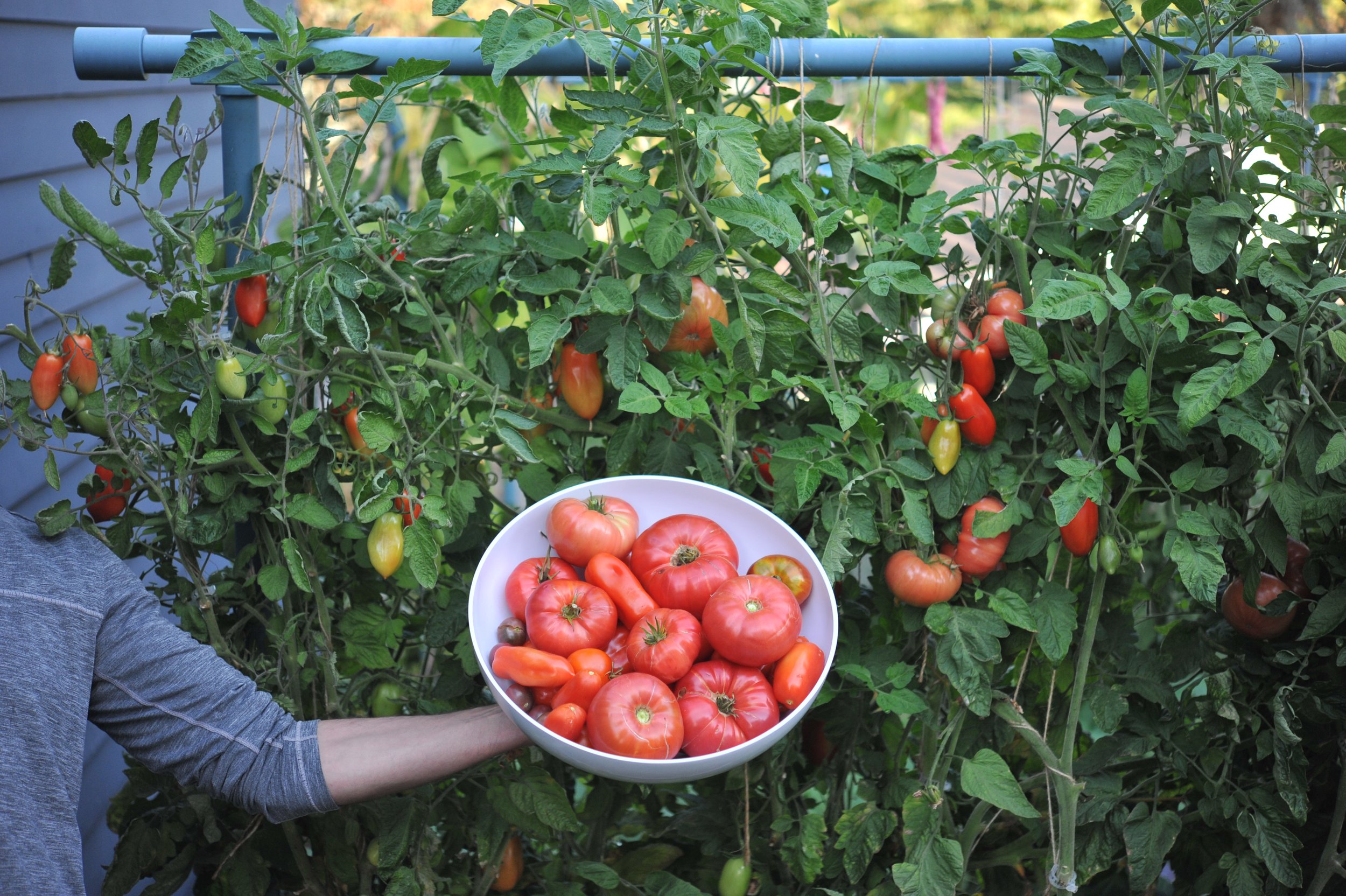
- Dig holes about 18–24 inches apart.
- Make each hole deep enough so you can bury the plant up to its first set of leaves. This encourages roots to grow along the buried stem.
- Add a handful of compost or a slow-release organic fertilizer in each hole.
- Place the plant and fill in with soil.
- Water deeply.
Burying the stem is a trick many beginners miss. More roots mean stronger plants and better fruit.
Supporting Tomato Plants
Tomatoes need support as they grow, especially indeterminate varieties.
Types Of Support
- Cages: Easy to use, good for determinate types.
- Stakes: Space-saving, best for vining tomatoes.
- Trellises: Useful for very tall plants or limited space.
Tie stems loosely with soft material to avoid damage. Check supports regularly as plants grow.
Support Comparison
| Support Type | Best For | Space Needed | Maintenance |
|---|---|---|---|
| Cages | Bush Tomatoes | Medium | Low |
| Stakes | Vining Tomatoes | Small | Medium |
| Trellises | Large Gardens | Large | High |
Watering And Feeding
Tomatoes need regular water and nutrients, but too much or too little can cause problems.
Watering
- Water deeply once or twice a week.
- Keep soil evenly moist, not soggy.
- Avoid overhead watering to prevent leaf diseases.
- Mulch around plants to keep moisture and stop weeds.
A common mistake is shallow watering, which leads to weak roots and poor fruit.
Feeding
- Use balanced fertilizer (like 5-10-5) when planting.
- Once fruit starts forming, switch to a fertilizer higher in potassium and phosphorus.
- Too much nitrogen causes leafy plants but fewer tomatoes.
Non-obvious insight: Mulch not only keeps moisture but also prevents soil-borne diseases from splashing onto leaves.
Pruning And Maintenance
Tomato plants need some care as they grow.
Pruning
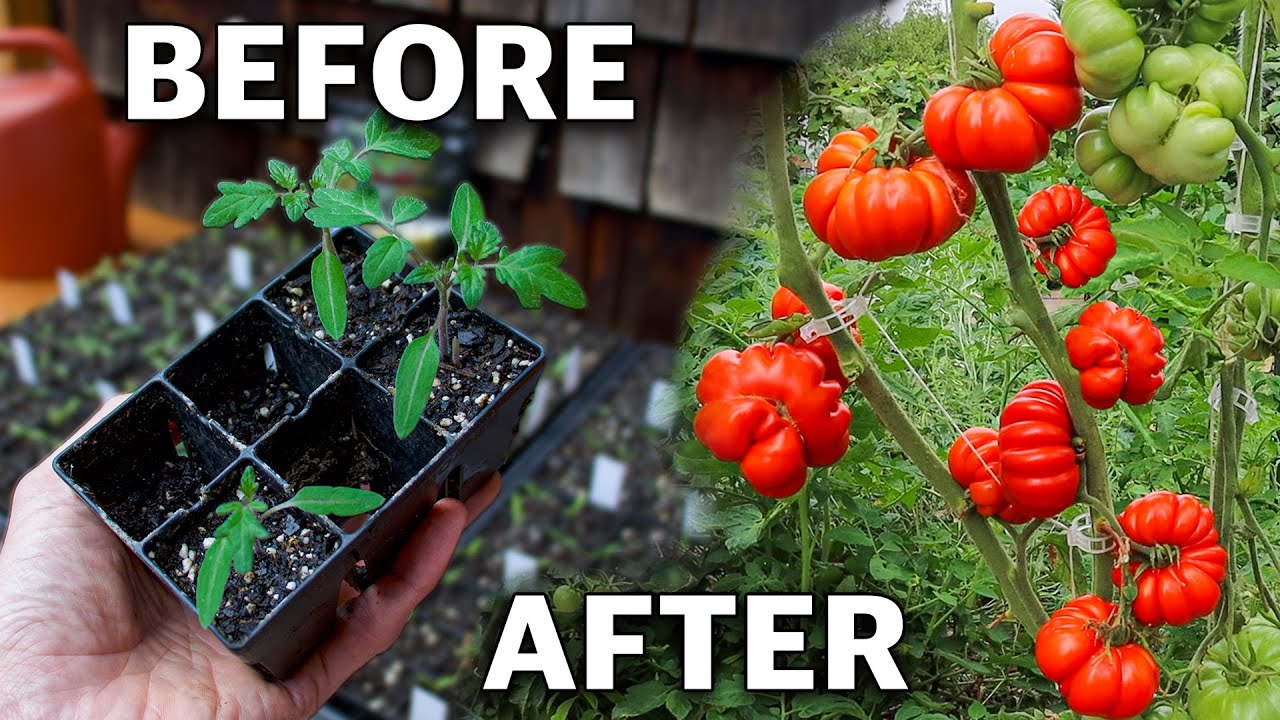
- Remove “suckers” (small shoots growing between the main stem and branches) for indeterminate types. This focuses energy on fruit.
- Determinate tomatoes do not need much pruning.
Maintenance Tips
- Remove yellow or damaged leaves.
- Check for pests and diseases weekly.
- Add mulch or compost as needed.
Many beginners avoid pruning, but it can help increase fruit size and reduce disease.
Managing Pests And Diseases
Tomatoes attract a range of pests and diseases. Early action is the best defense.
Common Pests
- Aphids: Tiny green or black insects on stems.
- Tomato hornworms: Large green caterpillars.
- Whiteflies: Small, white, flying insects.
Pick off caterpillars by hand. Spray aphids with water or insecticidal soap.
Common Diseases
- Blight: Brown spots, wilting.
- Fusarium wilt: Yellowing, dying leaves.
- Tomato mosaic virus: Mottled leaves.
Remove affected leaves and use disease-resistant varieties. Rotate crops each year to avoid buildup.
Organic Solutions
- Use neem oil or insecticidal soap for pests.
- Plant marigolds nearby to repel insects.
- Practice crop rotation.
Non-obvious insight: Many gardeners overlook cleaning tools and cages. Dirty equipment can spread disease.
Harvesting Tomatoes
Knowing when and how to harvest is important for flavor and storage.
When To Harvest
- Tomatoes are ready when fully colored and slightly soft to the touch.
- Pick in the morning for best flavor.
How To Harvest
- Gently twist fruit or use garden scissors.
- Avoid pulling hard, which can damage the plant.
If frost is coming, pick green tomatoes and let them ripen indoors.
Growing Tomatoes In Containers
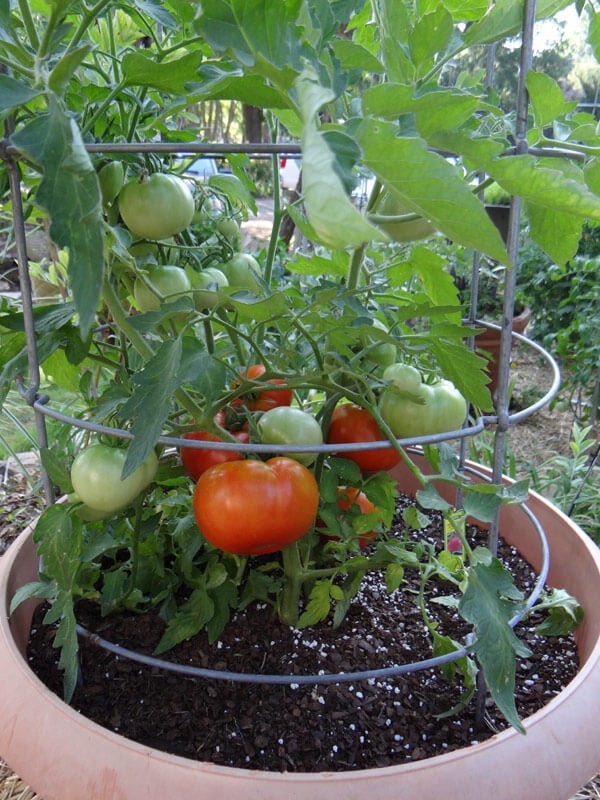
Not everyone has space for a garden, but tomatoes grow well in pots or containers.
Container Requirements
- Use containers at least 5 gallons in size.
- Ensure drainage holes.
- Use quality potting mix.
Container Care
- Water more often, as containers dry out faster.
- Feed every 2–3 weeks with liquid fertilizer.
- Support plants with small cages or stakes.
Non-obvious insight: Choose dwarf or compact varieties for containers. These need less space and support.
Advanced Tips For Bigger, Better Tomatoes
If you want to take your tomato growing to the next level, try these tips:
- Mulch with straw or grass clippings: This keeps soil cool and reduces weeds.
- Deep planting: Bury stems for more roots.
- Companion planting: Grow basil or marigolds nearby to improve growth and reduce pests.
- Consistent watering: Use drip irrigation for steady moisture.
- Crop rotation: Avoid planting tomatoes in the same spot every year to reduce disease risk.
Troubleshooting Common Tomato Problems
Tomatoes can face many challenges. Here are solutions for the most common issues:
- Yellow leaves: Usually lack of nutrients or overwatering.
- Blossom end rot: Black, sunken spots on fruit. Caused by calcium deficiency or irregular watering.
- Cracked fruit: Happens with sudden heavy watering after dry spells.
- No fruit set: Too hot, too cold, or too much nitrogen.
Tip: For blossom end rot, add crushed eggshells or calcium supplements to soil.
How Weather Affects Tomatoes
Weather can make or break a tomato crop.
Hot Weather
- High temperatures (above 85°F) can stop fruit from setting.
- Provide shade during heat waves.
Cold Weather
- Tomatoes do not like cold. Night temperatures below 55°F can slow growth.
- Use row covers if a cold snap is expected.
Rain And Humidity
- Too much rain can cause disease.
- Mulch helps keep leaves dry.
Storing And Using Your Tomato Harvest
Once you have a crop, storing and using tomatoes properly is key.
Storing Tomatoes
- Keep ripe tomatoes at room temperature.
- Do not refrigerate unless very ripe or cut—cold ruins flavor.
- Green tomatoes can ripen in a paper bag.
Using Tomatoes
- Fresh: Salads, sandwiches, salsa.
- Cooked: Sauces, soups, stews.
- Preserved: Can, freeze, or dry for winter use.
Non-obvious insight: Storing tomatoes stem-side down slows spoilage.
Frequently Asked Questions
Can I Grow Tomatoes Indoors?
Yes, you can grow tomatoes indoors if you have enough light. Use grow lights or a sunny window. Compact varieties work best. Remember to pollinate flowers by gently shaking plants or using a small brush.
How Often Should I Water My Tomato Plants?
Water deeply once or twice a week. Adjust based on rain and temperature. Container plants may need daily watering in hot weather. Always check soil moisture before watering.
What Causes Yellow Leaves On My Tomato Plants?
Yellow leaves can be caused by overwatering, nutrient deficiency, or disease. Check soil moisture and feed plants with balanced fertilizer. Remove affected leaves to stop spread.
Why Are My Tomatoes Not Turning Red?
Tomatoes need warmth and sunlight to ripen. If fruit stays green, check temperature and sunlight. Too much nitrogen can also delay ripening.
How Can I Prevent Tomato Diseases?
Use disease-resistant varieties, rotate crops, keep leaves dry, and clean tools. Mulch and proper spacing also help. Remove affected leaves quickly to stop spread.
Growing tomatoes takes patience, care, and a bit of know-how. With the right variety, soil, and attention, you can enjoy a harvest that’s both tasty and plentiful. Don’t be afraid to try new methods or varieties—tomato growing is always a learning experience. For more in-depth information, visit the Wikipedia Tomato page. Happy gardening, and may your tomatoes be juicy and abundant!

