

Most GE Profile induction issues are caused by power supply, incompatible cookware, or sensor/control faults.
I have spent years repairing and testing kitchen appliances, and this guide to Ge Profile Induction Cooktop Troubleshooting brings practical, step-by-step solutions. You will learn how these cooktops work, common error signs, safe DIY fixes, and when to call a pro. Read on to diagnose problems fast and keep your GE Profile induction cooktop cooking reliably.

36% off Today’s Exclusive Deals
Limited-time Exclusive Deals. Check current discount on Amazon.
Check Price on Amazon As an Amazon Associate I earn from qualifying purchases.
Overview: What to expect from Ge Profile Induction Cooktop Troubleshooting
Ge Profile induction cooktops are fast and precise but rely on power, electronics, and sensor systems. Troubleshooting often means checking power connections, cookware compatibility, control locks, and error codes. This article covers clear tests, simple repairs, maintenance tips, and realistic limits for DIY fixes so you can fix many issues safely at home.

How induction cooktops work — quick primer to aid troubleshooting
Induction cooktops use magnetic fields to heat compatible pans directly. The cooktop surface stays cool while the pan heats, and sensors monitor temperature and current. Knowing this helps you spot problems: no heat often means no power or wrong cookware, while random shutdowns point to sensors or control board faults. Understanding the basics improves your Ge Profile Induction Cooktop Troubleshooting success.
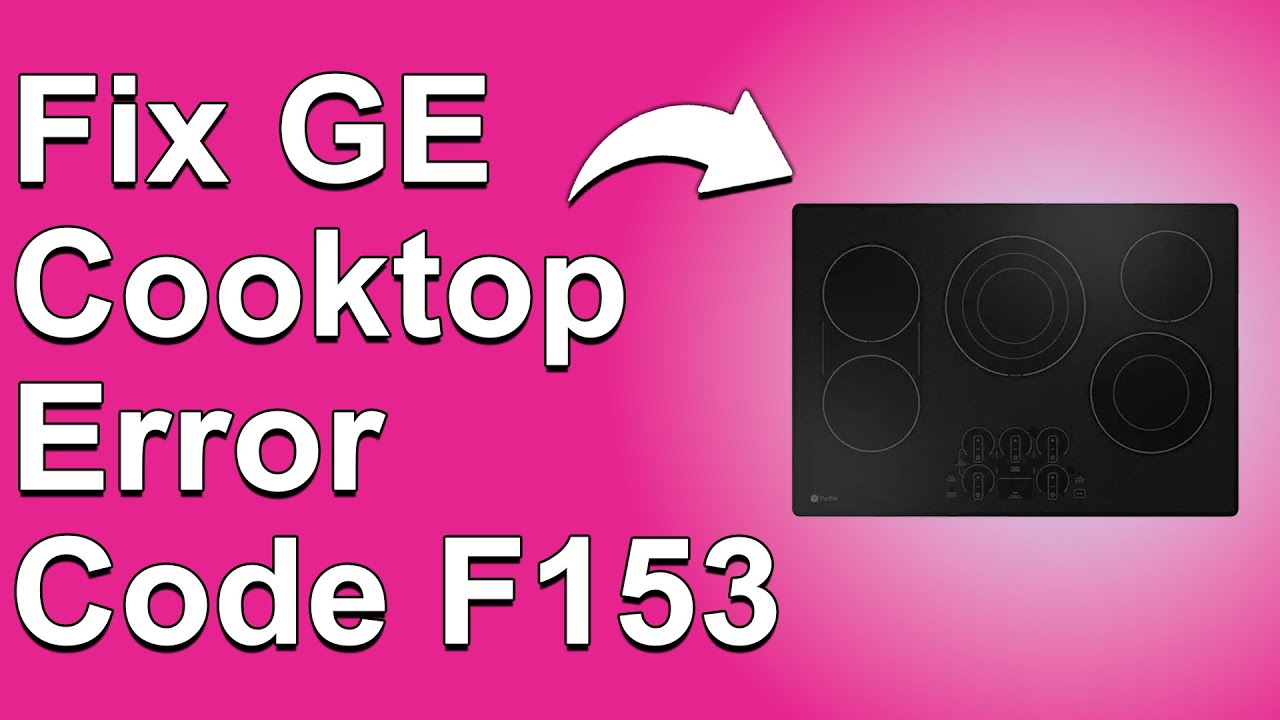
Common issues and step-by-step fixes
This section lists frequent problems and safe steps to resolve them. Follow each step precisely and unplug the cooktop when checking internal parts.
-
No power to cooktop
Check circuit breaker and fuses. Reset tripped breakers and inspect wiring for loose connections. If power is present but the control board is dead, the control board or power module may need service. -
Burner won’t heat or shows “no pan” message
Confirm you have magnetic cookware like cast iron or stainless steel. Move the pan to the center of the induction zone. Clean the glass surface and pan bottom for full contact. -
Burner cycles on and off or reduces power
Overheating or an overloaded circuit can cause cycling. Ensure vents are clear and that the home circuit rating matches the cooktop demand. Reduce simultaneous burners if the main breaker trips. -
Control touchpad not responding
Lock or control child lock might be active. Press and hold the lock symbol per the user guide to unlock. If locks clear and the pad still fails, the user interface or ribbon cable may be faulty. -
Erratic behavior or resetting
Software glitches occur after power surges. Turn off the breaker for 60 seconds to reboot the cooktop. Persistent resets indicate a failing control board or sensors. -
Strange noises or whine
A mild hum is normal from cooling fans and electronics. Loud or sudden noises often mean a fan or transformer issue. Inspect vents for debris and contact service if noise persists.
These steps cover most Ge Profile Induction Cooktop Troubleshooting needs and prevent unnecessary part replacement.

Understanding error codes and indicator lights
GE Profile cooktops display short codes or flash lights to indicate faults. Common codes help pinpoint issues quickly.
-
F1, F2, F3 style codes
These often indicate sensor or control faults. Note the exact code and consult the manual for code meaning. Many codes require technician service. -
Err or E0 messages
Usually signal invalid pan or detection error. Try another compatible pan and reset the unit. -
Hot surface or residual heat indicators
These show when the element is cooling. They do not always reflect actual pad temperature but warn against touching the glass.
When you see persistent codes after basic resets and cookware checks, document them and call authorized service for parts-level diagnosis. Keep error codes handy for faster service.

Maintenance tips to prevent common problems
Routine care keeps your GE Profile induction cooktop reliable. Simple habits reduce the need for future Ge Profile Induction Cooktop Troubleshooting.
- Clean surface with nonabrasive cleaner after each use to avoid sensor interference and stains.
- Use flat, smooth-bottomed magnetic cookware to maintain good contact.
- Avoid sliding heavy pots to prevent scratches.
- Keep ventilation openings clear and dust-free to prevent overheating.
- Perform periodic visual checks on power connections and the control surface.
These steps are low effort and extend cooktop life while minimizing troubleshooting time.
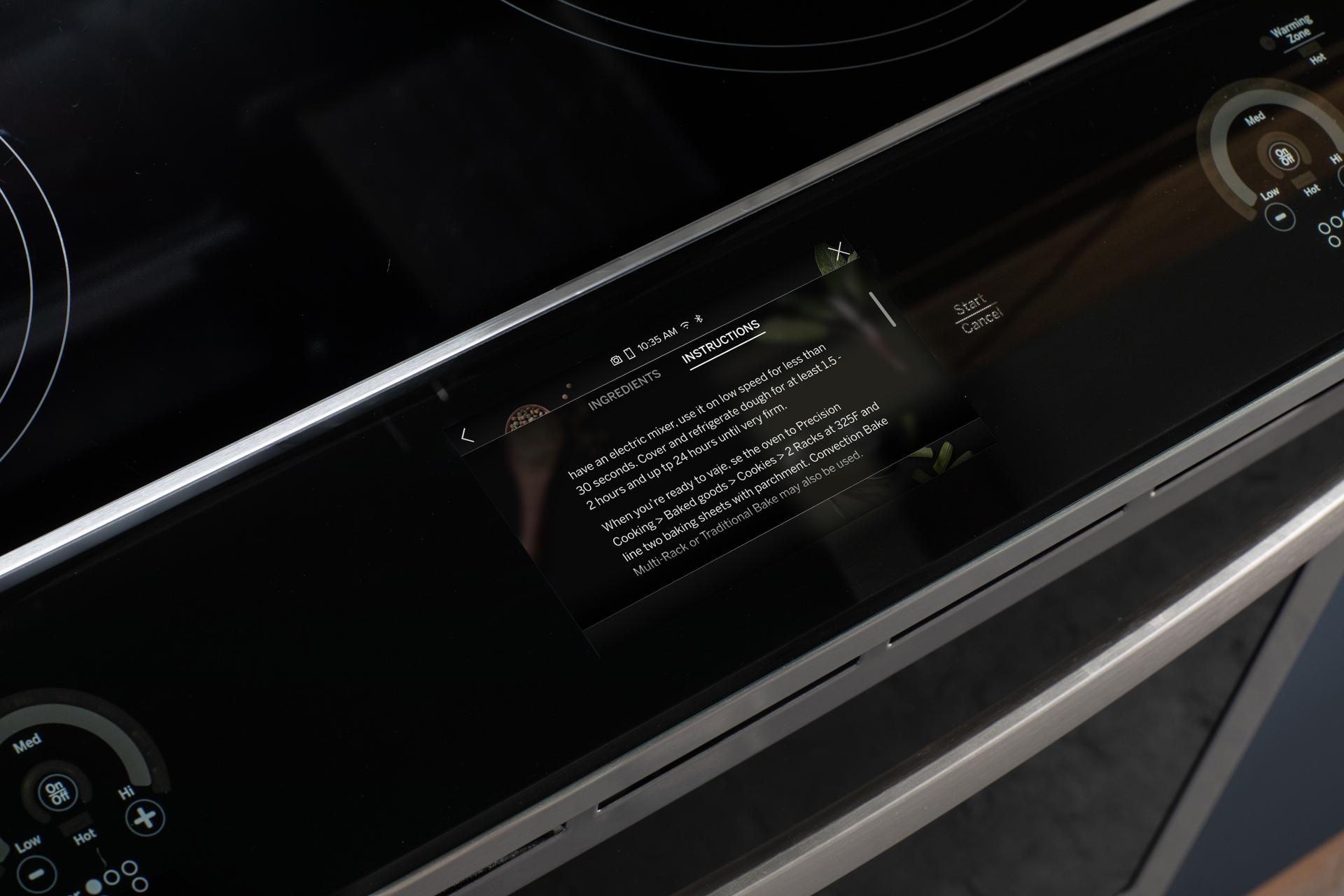
Safety checklist before DIY troubleshooting
Always prioritize safety when doing Ge Profile Induction Cooktop Troubleshooting. A small mistake can cause injury or damage.
- Turn off power at the breaker before any internal checks.
- Use insulated tools and avoid wet conditions.
- Do not attempt to replace sealed glass or high-voltage parts unless qualified.
- If the cooktop smells of burning or emits smoke, cut power and call emergency service.
Following these rules reduces risk and helps you decide when professional help is necessary.
When to call a professional technician
Some problems are best left to technicians. Schedule professional service for these signs:
- Persistent error codes after resets.
- Burning smells, smoke, or visible electrical damage.
- Repeated breaker trips with normal cookware and usage.
- Failed control board or internal component replacements.
- Warranty-covered repairs or complex electronic diagnostics.
Hiring an authorized technician saves time and reduces the risk of further damage. Keep your appliance model and error details ready to speed diagnosis.
Personal experience: lessons from real repairs
I’ve repaired multiple GE Profile induction units in home kitchens. The most common fix was replacing damaged user interfaces and correcting loose power connections. One case taught me not to assume bad electronics—dirty pan bottoms caused “no pan” errors for weeks. I learned to always test with known good cookware first and to document error codes before any parts swap. These small steps often save time and money.
PAA-style quick questions and answers
-
Why won’t my GE Profile induction cooktop detect my pan?
Most often the pan is not magnetic or its base is warped. Try a ferrous flat-bottom pan and ensure it sits centered on the zone. -
Can a power surge permanently damage an induction cooktop?
Yes. Surges can harm control boards or sensors. Use a dedicated circuit and surge protection to reduce risk. -
How long do induction cooktops last?
Typical life spans are 10–15 years with proper care. Regular cleaning and correct cookware extend longevity.
Frequently Asked Questions of Ge Profile Induction Cooktop Troubleshooting
Why does my GE Profile induction cooktop show “lock” and won’t respond?
The child lock or control lock is enabled. Press and hold the lock symbol per your manual to unlock the controls.
How do I know if my cookware is compatible with my GE Profile induction cooktop?
Use a magnet on the pan base—if it sticks, the pan is compatible. Also ensure the base is flat and clean for good contact.
The cooktop trips the breaker when two burners are on; is that normal?
It can happen if your circuit is undersized or the combined load is too high. Use fewer burners or verify the dedicated circuit amperage.
My cooktop displays an error code after a spill. What should I do?
Power off at the breaker, wipe away the spill once cooled, and reset the unit. Persistent codes after drying indicate sensor or board issues.
Can I replace the cooktop glass myself?
Replacing glass involves high-voltage parts and safety risks. It’s best handled by an authorized technician to ensure proper sealing and safety compliance.
Conclusion
Ge Profile Induction Cooktop Troubleshooting is straightforward when you follow clear steps: verify power, use compatible cookware, clean surfaces, and pay attention to error codes. Start with simple checks, use safe practices, and call a technician for complex electronic faults. Take action today by testing your cookware, checking breakers, and keeping a small troubleshooting checklist near the cooktop. Share your experience or questions below, subscribe for more appliance guides, or schedule a professional if you suspect internal faults.

