

Growing your own vegetables is one of the most rewarding things you can do. Imagine stepping outside, picking a fresh tomato or crisp lettuce, and knowing you grew it yourself. Even if you have limited space or experience, you can enjoy a successful vegetable garden with the right approach.
Many people think it’s difficult or time-consuming, but modern methods and careful planning make it easier than ever. This guide will walk you through every step, from choosing your site to harvesting, with practical tips, real examples, and simple explanations.

36% off Today’s Exclusive Deals
Limited-time Exclusive Deals. Check current discount on Amazon.
Check Price on Amazon As an Amazon Associate I earn from qualifying purchases.Whether you want to save money, eat healthier, or just enjoy working with your hands, learning how to grow vegetables can transform your home and lifestyle.
Choosing The Right Location
The first step in growing vegetables is picking the best spot. Most vegetables need at least 6–8 hours of sunlight each day. Check your yard or balcony during the day and notice where the sun shines longest. Avoid places with too much shade from trees, buildings, or fences. Good air circulation helps prevent diseases, so don’t crowd your plants.
Soil quality is just as important. Vegetables prefer loose, rich, and well-drained soil. If your soil is hard, rocky, or sandy, you can still grow vegetables by using raised beds or large containers. One common mistake is forgetting to check how water drains after heavy rain—avoid areas where water pools for hours.
If you live in an apartment or have no yard, don’t worry. Many vegetables grow well in containers on balconies or windowsills. Herbs, lettuce, radishes, and even dwarf tomatoes can thrive in pots as small as 12 inches wide.
Planning Your Vegetable Garden
A well-planned garden is easier to manage and more productive. Start by deciding how much space you have and how many vegetables you want to grow. For beginners, a small plot—about 4×8 feet—is enough to try several crops without being overwhelming.
Picking What To Grow
Choose vegetables your family likes to eat. Some of the easiest and most productive choices for beginners include:
- Tomatoes
- Lettuce
- Carrots
- Radishes
- Green beans
- Zucchini
- Peppers
- Spinach
Consider your local climate. For example, leafy greens grow better in cooler weather, while peppers and eggplants prefer warmth.
Creating A Simple Garden Layout
Draw a quick sketch of your garden bed or containers. Arrange taller plants like tomatoes or pole beans at the north or east side, so they don’t shade shorter crops. Leave enough space between plants for air to flow and for you to reach in and harvest.
Here’s a sample layout for a 4×8-foot bed:
| Section | Vegetable | Spacing (inches) |
|---|---|---|
| North Row | Tomatoes (staked) | 24-36 |
| Center Rows | Green beans, Peppers | 18-24 |
| Front Row | Lettuce, Radishes, Carrots | 6-12 |
You can mix fast-growing crops (like radishes) with slower ones (like carrots) in the same row. By the time carrots need more room, radishes will be ready to harvest.
Soil Preparation And Fertility
Healthy soil is the foundation of a productive vegetable garden. Start by removing weeds, rocks, and debris from your chosen area. Dig or loosen the soil to a depth of at least 8–10 inches. This helps roots grow deep and access water and nutrients.
Improving Your Soil
Most garden soils benefit from adding organic matter like compost, aged manure, or leaf mold. These materials increase fertility, improve drainage, and help the soil hold moisture. Spread 2–3 inches of compost over your bed and mix it into the top layer.
If you’re using containers, buy a high-quality vegetable potting mix. Avoid using plain garden soil in pots, as it becomes compacted and drains poorly.
Testing And Adjusting Soil Ph
Vegetables grow best in slightly acidic to neutral soil (pH 6.0–7.0). You can test your soil with an inexpensive kit from a garden center. If your soil is too acidic, add garden lime. If it’s too alkaline, mix in some sulfur or organic materials like pine needles.
Fertilizing
Most vegetables need extra nutrients during the growing season. Use a balanced fertilizer (such as 10-10-10) or organic options like fish emulsion. Follow the instructions on the label—using too much fertilizer can harm plants. Many gardeners feed their vegetables once a month, but some crops (like tomatoes) may need more frequent feeding.
Sowing Seeds And Planting Seedlings
Knowing when and how to plant is key for a good harvest. Some vegetables grow best when sown directly into the garden, while others prefer to start indoors and transplant later.
Starting From Seed
Direct sowing is best for crops like:
- Carrots
- Radishes
- Beans
- Peas
- Corn
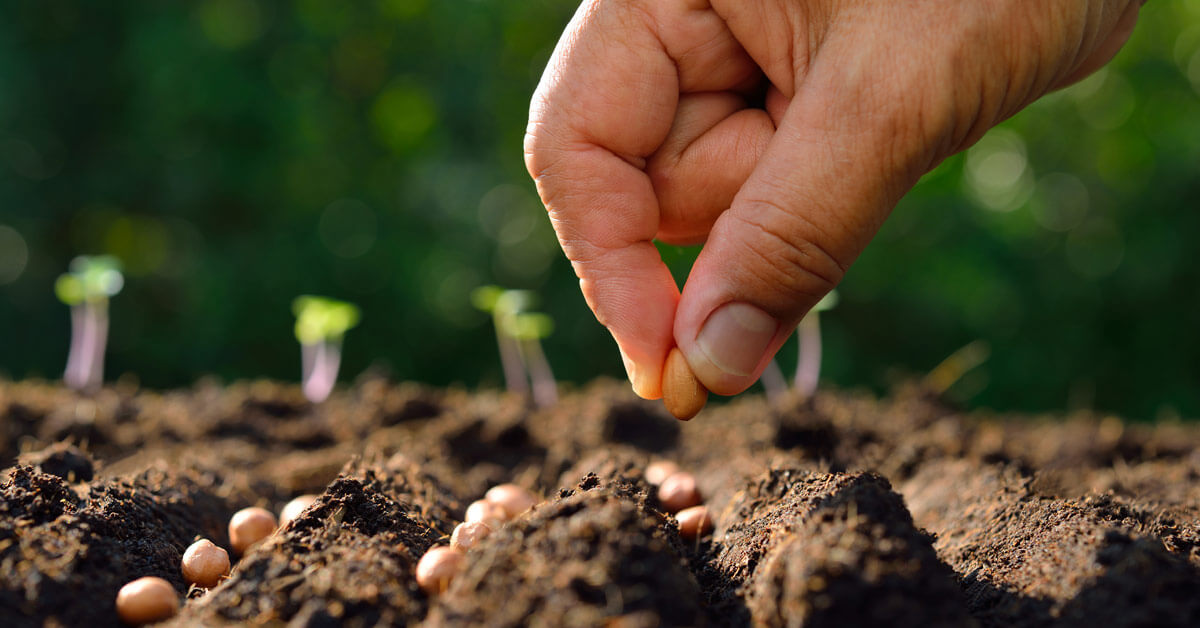
Sow seeds at the depth and spacing recommended on the seed packet. Water gently after planting and keep the soil moist until seeds sprout.
Using Seedlings
Transplants give you a head start on the season, especially for warm-weather crops like:
- Tomatoes
- Peppers
- Eggplant
- Broccoli
If you buy seedlings, choose ones with strong stems and healthy green leaves. Avoid plants that look wilted or root-bound. To plant, dig a hole big enough for the roots, set the seedling in, and firm the soil around it.
Water well after planting.
Timing Your Planting
Planting times depend on your climate. Use your local last frost date as a guide. Cool-season crops (lettuce, spinach, peas) can go in as soon as the soil can be worked. Warm-season vegetables (tomatoes, peppers) need to wait until nights stay above 50°F (10°C).
Watering For Success
Proper watering is one of the most important parts of growing vegetables. Too little water and plants wilt; too much and roots may rot.
How Much To Water
Most vegetables need about 1 inch of water per week, including rainfall. It’s better to water deeply a few times a week than to sprinkle a little every day. Deep watering encourages roots to grow down, making plants stronger and more drought-resistant.
Best Times To Water
Water in the early morning or late afternoon. This reduces evaporation and helps prevent fungal diseases. Avoid watering late in the evening, as wet leaves overnight can lead to problems.
Watering Techniques
- Use a soaker hose or drip irrigation for best results. These methods deliver water directly to the soil and roots, not the leaves.
- If using a watering can or hose, aim for the base of the plant.
- Mulch your garden with straw, leaves, or wood chips to keep soil moist longer.
One insight beginners often miss: Consistent watering is crucial during flowering and fruiting. If tomatoes, beans, or cucumbers dry out at the wrong time, you can get fewer or misshapen fruits.
Controlling Weeds, Pests, And Diseases
Every garden faces challenges from weeds, insects, and plant diseases. A little prevention and quick action can keep problems small.
Weed Control
Weeds compete with vegetables for water, nutrients, and sunlight. Keep your garden weed-free, especially in the first few weeks after planting.
- Pull weeds by hand or use a hoe when the soil is moist.
- Apply a 2–3 inch layer of mulch to block new weeds from sprouting.
Dealing With Pests
Common vegetable pests include aphids, caterpillars, and beetles. Look under leaves and on stems for signs of damage. Remove pests by hand when possible. For larger problems:
- Use insecticidal soap or neem oil for soft-bodied insects.
- Encourage beneficial insects like ladybugs or lacewings, which eat pests naturally.
- Cover young plants with floating row covers to keep out insects.
Don’t ignore the power of observation. Check your plants often. Early detection is the best defense.
Preventing Diseases
Many plant diseases thrive in warm, damp conditions. Some tips to reduce risk:
- Space plants properly so air can move freely.
- Water at the soil level, not on the leaves.
- Remove and destroy any diseased plants quickly.
Rotate crops from year to year so pests and diseases don’t build up in the soil. For example, don’t plant tomatoes in the same spot every year.

Supporting And Training Plants
Some vegetables need a little extra support as they grow. Without it, plants can break or fruits may rot on the ground.
Staking And Caging
- Tomatoes: Use stakes or cages to keep vines upright.
- Peas and beans: Grow well on trellises or netting.
- Cucumbers: Can be trained up a fence or A-frame trellis.
Supporting plants saves space, increases air flow, and helps keep fruits clean.
Pruning
Some crops, like tomatoes, benefit from removing side shoots (suckers) to focus growth on the main stem. Prune in the morning when plants are dry, and use clean, sharp tools.
Harvesting Your Vegetables
Harvesting at the right time is key for the best flavor and yield. Each crop has its own signs for readiness.
When To Harvest
- Lettuce and spinach: Pick leaves when they’re young and tender.
- Carrots and radishes: Harvest when roots are the right size, before they get woody.
- Tomatoes: Pick when fully colored and slightly soft.
- Beans and peas: Gather pods when still young and crisp.
Don’t let vegetables become overripe—they can lose flavor, texture, and attract pests.
Storing And Using Your Harvest
Store most vegetables in a cool, dry place or the refrigerator. Some, like tomatoes and potatoes, do better at room temperature. Use your harvest fresh, or try freezing, pickling, or canning extras.
Here’s a simple comparison of harvest storage methods:
| Vegetable | Best Storage | Approx. Shelf Life |
|---|---|---|
| Lettuce | Refrigerator (crisper) | 1 week |
| Carrots | Cool, damp sand or fridge | 2–4 weeks |
| Tomatoes | Room temperature | Up to 1 week |
| Potatoes | Cool, dark, dry | 2–3 months |

Extending The Growing Season
You don’t have to stop gardening when the weather cools. With a few tricks, you can extend your harvest by weeks or even months.
Season Extension Tools
- Row covers: Lightweight fabric that protects plants from frost.
- Cold frames: Simple boxes with clear tops that trap sunlight and warmth.
- Greenhouses: Allow year-round growing for many crops.
Start fall crops like spinach, kale, and radishes in late summer for harvest into winter. In hot climates, use shade cloth to protect plants from burning in summer.
A non-obvious tip: Planting quick-maturing crops in late summer can give you a second harvest before winter arrives. Many leafy greens and root vegetables can mature in 30–60 days.
Common Mistakes Beginners Make
Learning from others’ mistakes can save you time and frustration.
- Starting too big: It’s tempting to plant a huge garden, but small, well-tended beds are easier to manage and more productive.
- Ignoring soil health: Skipping compost or using poor soil leads to weak plants and low yields.
- Crowding plants: Overcrowding reduces airflow and increases disease risk.
- Overwatering or underwatering: Both can kill plants. Stick to a regular watering schedule.
- Not rotating crops: Planting the same crop in the same spot every year increases pests and disease.
Here’s a quick look at beginner mistakes vs. best practices:
| Mistake | Why It’s a Problem | Best Practice |
|---|---|---|
| Planting too close | Poor air flow, disease | Follow spacing on seed packet |
| Watering leaves | Fungal disease | Water soil at base |
| No crop rotation | Pests/diseases build up | Rotate families yearly |
Advanced Tips For Better Yields
If you want to maximize your harvest, try these proven techniques:
- Succession planting: As soon as one crop finishes, plant another in its place.
- Interplanting: Grow fast and slow crops together (e.g., radishes with carrots).
- Companion planting: Some plants help each other grow or keep pests away. For example, planting basil near tomatoes can improve flavor and repel insects.
- Vertical gardening: Use trellises and cages to grow more in less space.
You can learn more about advanced techniques from the Gardener’s Supply Company for practical advice and inspiration.
Frequently Asked Questions
How Much Time Does A Vegetable Garden Require Each Week?
For a small garden, expect to spend about 30–60 minutes per week on watering, weeding, and care. During peak harvest or planting times, you may need a bit more. As you gain experience, tasks become easier and faster.
Can I Grow Vegetables Without A Yard?
Absolutely! Many vegetables and herbs grow well in containers on balconies, patios, or windowsills. Choose compact or dwarf varieties, and use high-quality potting mix. Tomatoes, lettuce, radishes, and herbs are great choices.
What If My Soil Is Poor Or Contaminated?
If your soil is rocky, heavy clay, or possibly contaminated (such as in urban areas), use raised beds or large containers filled with fresh, safe soil. This gives you full control over growing conditions and avoids health risks.
How Do I Know If My Vegetables Are Ready To Harvest?
Each vegetable has clear signs. For example, tomatoes should be fully colored and slightly soft; carrots and radishes should reach the expected size. Check seed packets or plant tags for maturity times, and taste a sample if unsure.
Are Organic Methods Better For Growing Vegetables?
Organic gardening avoids synthetic chemicals and supports healthy soil and ecosystems. Many gardeners find organic methods produce tastier crops and help beneficial insects thrive. However, both organic and conventional methods can be successful if managed well.
Growing vegetables is a journey that brings fresh food, satisfaction, and a deeper connection to nature. Every season, you’ll learn something new and see your efforts rewarded. Whether your first harvest is a handful of herbs or baskets of tomatoes, the experience is always worth it.
With patience, care, and the tips above, anyone can succeed in growing their own vegetables—right from home.

