

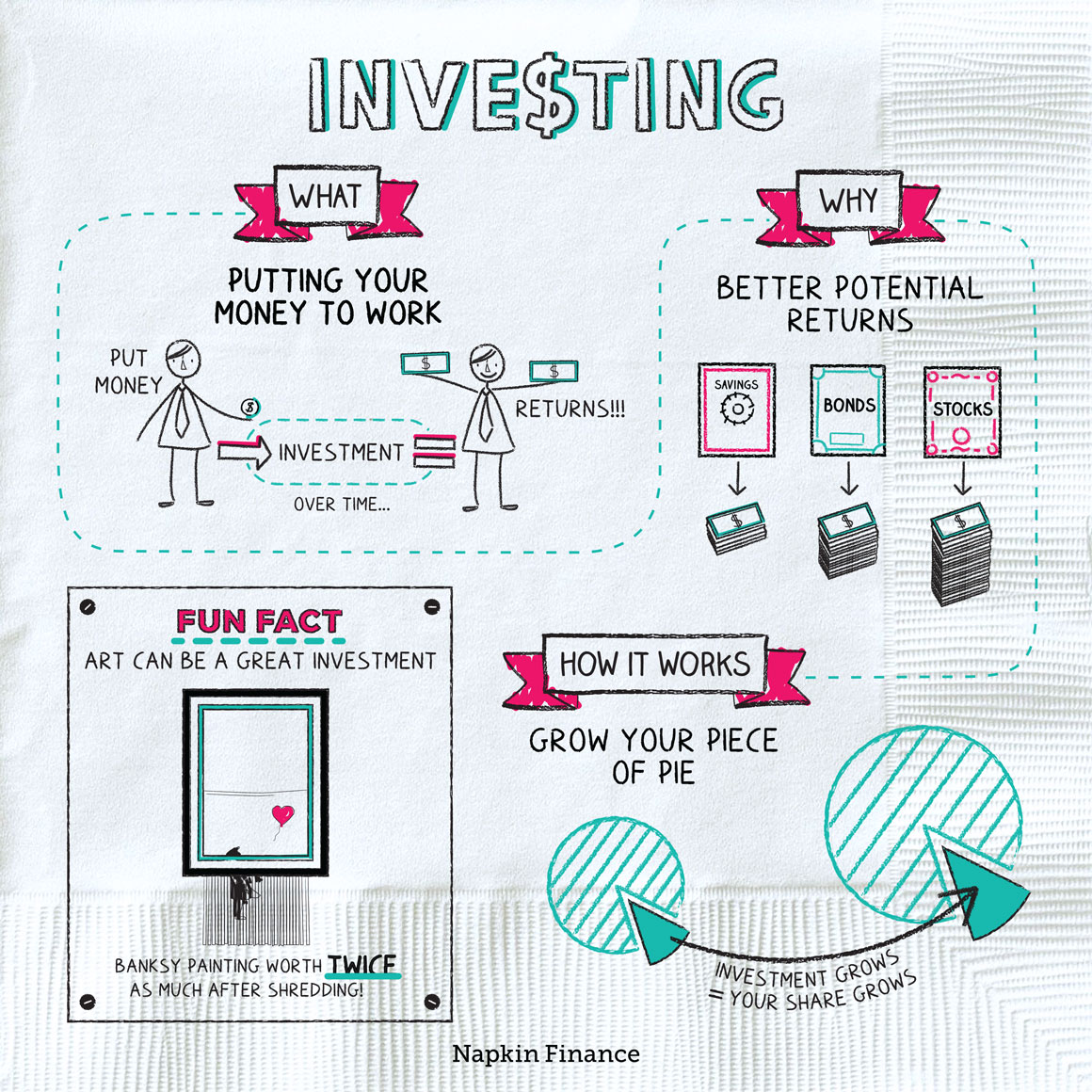
Investing can seem confusing and risky, especially if you are just starting. Many people think they need a lot of money or expert knowledge to begin. The truth is, anyone can start investing with a little guidance and patience. Good investing is not about making fast money—it is about building wealth slowly and safely over time.
This guide will help you understand the basics, avoid common mistakes, and set you on a path toward financial growth.

36% off Today’s Exclusive Deals
Limited-time Exclusive Deals. Check current discount on Amazon.
Check Price on Amazon As an Amazon Associate I earn from qualifying purchases.Why Should Beginners Invest?
Many beginners ask, “Why should I invest at all?” The answer is simple: inflation and future goals. If you keep your money only in a savings account, inflation will slowly reduce its value. For example, if inflation is 3% every year, the $1,000 you save today will only have the buying power of about $970 next year. Investing helps your money grow and beat inflation.
Investing is also important for achieving long-term goals. This could be buying a home, paying for your children’s education, or retiring comfortably. Smart investments can turn small, regular savings into a large sum over the years thanks to compound interest—where your earnings also earn money.
Understanding Key Investment Concepts
Before you start, it is important to know some basic ideas.
Risk And Reward
All investments carry some risk—the chance you could lose money. Usually, higher risk means a chance for higher reward, but also a bigger chance for loss. Safer investments often have lower returns.
Diversification
Diversification means not putting all your money in one place. By spreading money across different investments (stocks, bonds, real estate, etc.), you lower your risk. If one investment does badly, others may do well and balance your losses.
Time Horizon
Your time horizon is how long before you need the money you invest. The longer you can leave your money invested, the more risk you can generally take. Short-term goals need safer investments.
Liquidity
Liquidity is how easily you can turn your investment into cash. Savings accounts are very liquid. Real estate is not—it takes time to sell a house.
Compound Interest
Compound interest is when you earn interest on your original money plus the interest you have already earned. This effect grows your money faster over time.
Types Of Investments For Beginners
There are many ways to invest, but some are easier and safer for beginners.
| Investment Type | Risk Level | Expected Return (Annual) | Liquidity | Ideal For |
|---|---|---|---|---|
| Stocks | Medium-High | 7%–10% | High | Long-term growth |
| Bonds | Low-Medium | 2%–5% | Medium-High | Steady income |
| Mutual Funds | Medium | 5%–8% | Medium | Diversification |
| ETFs | Medium | 5%–8% | High | Low-cost investing |
| Real Estate | Medium | 3%–7% | Low | Wealth building |
| Certificates of Deposit (CDs) | Low | 1%–3% | Low-Medium | Capital protection |
Stocks
When you buy stocks, you own a small part of a company. Stocks can grow in value, and some pay dividends (a share of the company’s profits). However, prices can go up and down a lot.
Bonds
Bonds are loans you give to companies or the government. They pay you interest, and after a set time (the “maturity date”), you get your money back. Bonds are less risky than stocks but usually give lower returns.
Mutual Funds
A mutual fund pools money from many investors to buy a mix of stocks, bonds, or other assets. This gives you diversification with just one purchase. Mutual funds are managed by professionals, but they charge fees.
Etfs (exchange-traded Funds)
ETFs are like mutual funds, but you can buy and sell them on a stock exchange, just like stocks. They often have lower fees than mutual funds and are a popular choice for beginners.
Real Estate
Investing in real estate means buying property to rent out or sell for a profit. Real estate can be profitable but requires more money and effort to manage.
Certificates Of Deposit (cds)
CDs are savings accounts that pay a fixed interest if you leave your money untouched for a set period. They are safe but offer low returns.
How To Start Investing: Step-by-step
Starting is often the hardest part. Here’s how you can begin, even with a small amount of money.
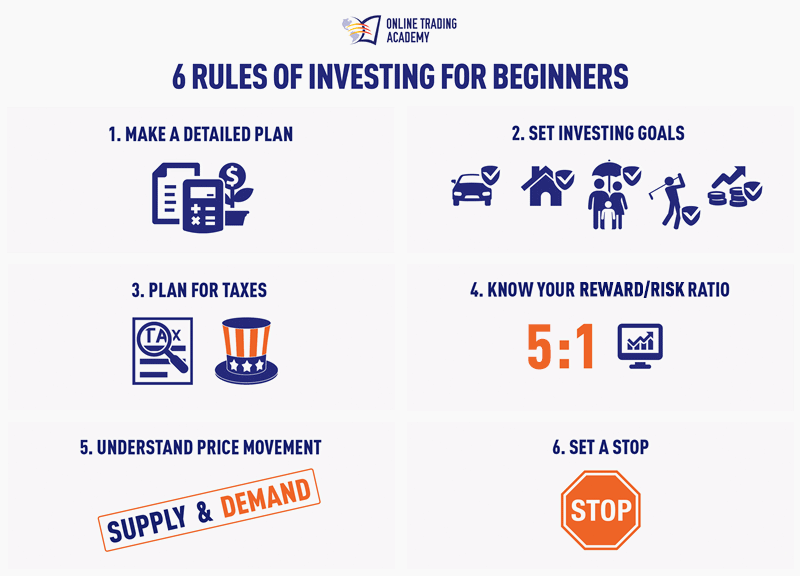
1. Set Clear Goals
Think about why you want to invest. Are you saving for retirement, a home, or something else? Clear goals help you choose the right investments and stay focused during market ups and downs.
2. Pay Off High-interest Debt
Before investing, pay off credit cards or other loans with high interest rates. If your debt costs 18% interest, but your investments earn 7%, you lose money overall.
3. Build An Emergency Fund
Always have some cash saved for emergencies—usually 3–6 months of living expenses. This keeps you from selling investments at a bad time if you need money quickly.
4. Decide How Much To Invest
Start with what you can afford, even if it is just $50 per month. The important thing is to make investing a habit. Over time, you can increase the amount.
5. Choose Where To Invest
You need an account to buy investments. In the US, common options include:
- Brokerage accounts: Flexible, for stocks, bonds, ETFs, and mutual funds.
- Retirement accounts: Like IRAs or 401(k)s, often with tax benefits.
Many online brokers let you open an account in minutes.
6. Pick Your Investments
For most beginners, index funds or ETFs are a great start. They give you broad exposure to the market with low fees.
7. Automate Your Investments
Set up automatic transfers from your bank account to your investment account. This removes emotion from investing and helps you stay consistent.
8. Review And Adjust Regularly
Check your investments at least once a year. Rebalance if needed to keep your risk level right. Don’t panic during market drops—long-term investors usually recover.
How Much Money Do You Need To Start Investing?
A common myth is that you need thousands of dollars to begin. Today, many brokers allow you to start with as little as $1, thanks to fractional shares. This means you can buy a piece of a share rather than a whole one.
Here is a quick look at minimum investment amounts for popular platforms:
| Platform | Minimum Investment | Notes |
|---|---|---|
| Robinhood | $1 | No account minimum |
| Fidelity | $1 | Fractional shares available |
| Vanguard | $0 for brokerage, $1,000 for some funds | Low-cost index funds |
| Charles Schwab | $1 | Broad selection of funds |
The Power Of Starting Early
One of the most overlooked facts is the power of starting early. The earlier you invest, the more time your money has to grow.
For example, if you invest $200 a month at 7% annual return:
- Start at age 25: At age 65, you could have about $525,000.
- Start at age 35: At age 65, you could have about $245,000.
That’s a huge difference, even though you only waited 10 years.
Understanding Fees And Costs
Fees can quietly eat away at your returns over time. Here are the most common ones:
- Expense ratios: Annual fees for mutual funds or ETFs, usually 0.03%–1%.
- Commissions: Fees for buying or selling stocks (many brokers now offer $0 commissions).
- Account fees: Yearly charges just to have an account (look for accounts with no fees).
Even a 1% higher fee can reduce your investment value by 20% or more over 30 years. Always check the fees before you invest.
Building A Beginner Portfolio
A portfolio is simply your collection of investments. Beginners should focus on diversification and simplicity.
Example Starter Portfolio
A simple portfolio might look like this:
- 60% in a total stock market ETF (such as VTI or SPY)
- 30% in a total bond market ETF
- 10% in international stock ETF
This mix balances growth (stocks), safety (bonds), and global exposure (international stocks).
Rebalancing
Over time, some investments will grow faster than others. For example, if stocks do well, your portfolio may become riskier than you want. Rebalancing means selling some winners and buying more of the laggards to restore your original mix.
Common Mistakes Beginners Make
Many new investors fall into similar traps. Here are some to avoid:
- Trying to time the market: No one can predict exactly when to buy or sell for the best return. Focus on the long term.
- Investing based on hype: Don’t buy a stock just because it’s in the news or trending on social media.
- Ignoring fees: High costs can reduce your returns.
- Putting all money in one investment: Lack of diversification increases risk.
- Selling during downturns: Markets go up and down. Selling in panic often locks in losses.
- Not having an emergency fund: You may be forced to sell investments at the wrong time if you need cash.
- Failing to do research: Understand what you’re buying before you invest.
How To Keep Learning
Investing is a journey, not a one-time action. The more you learn, the better your decisions will be. Read books, listen to podcasts, and follow trusted financial news. A good resource for beginners is Investor.gov, run by the US Securities and Exchange Commission.
The Emotional Side Of Investing
One thing beginners often miss is the emotional challenge. Seeing your investment drop in value can be scary. It’s normal to feel worried, but reacting to emotion often leads to mistakes.
- Stick to your plan: If you have a long-term goal, don’t let short-term drops push you off track.
- Remember your time horizon: Markets usually recover over time.
- Avoid checking daily: Watching prices every day can make you nervous. Check your accounts just once a month or quarter.
How To Research Investments
Many beginners wonder, “How do I know if something is a good investment?” Here are some tips:
- Check the track record: Look for funds or companies with a strong history, but remember, past performance is not a guarantee.
- Understand what you own: Read about the companies, funds, or assets you are investing in.
- Compare options: Don’t just choose the first thing you see. Compare fees, past returns, and risks.
- Look for low-cost index funds or ETFs: These are usually safer for beginners because they spread risk.
:max_bytes(150000):strip_icc()/INV-Asset-Classes-114-a82638558a344378aacd8eb1620a4481.jpg)
Taxes And Investing
Taxes can affect your returns. In the US, you may pay taxes on:
- Dividends: Money paid by stocks or funds.
- Capital gains: Profits when you sell something for more than you paid.
Using tax-advantaged accounts like IRAs or 401(k)s can help you save on taxes. If you invest outside these accounts, keep good records for tax time.
The Role Of Financial Advisors
Some people prefer to get help from a professional. Financial advisors can help you build a plan, choose investments, and avoid mistakes. However, check their fees and make sure they are fiduciaries (required to act in your best interest). Many beginners start on their own, then see an advisor for a second opinion as their investments grow.
Two Insights Beginners Often Miss
- Small, regular investments beat big, rare ones. Many beginners wait to save a large sum before starting. But investing $100 each month is often more effective than waiting to invest $1,200 once a year. This is because of dollar-cost averaging, where you buy at different prices over time, reducing risk.
- Your behavior matters more than your investment picks. Research shows that staying calm and sticking to your plan has a bigger impact on your wealth than choosing the perfect stock or fund.
Frequently Asked Questions
What Is The Safest Investment For Beginners?
The safest investments are usually government bonds or certificates of deposit (CDs). These have low risk but also low returns. If you want a mix of safety and some growth, look for a low-cost, diversified index fund.
How Much Money Should A Beginner Invest?
Start with what you can afford, even if it’s just a small amount each month. The habit is more important than the size. Many platforms allow you to start with just $1, thanks to fractional shares.
Can I Lose All My Money Investing?
It’s rare to lose everything if you diversify your investments. Putting all your money in one stock or risky investment is dangerous. Spread your money across several assets to lower your risk.
Should I Invest Or Pay Off Debt First?
Pay off high-interest debt like credit cards before investing. The interest you pay on debt is usually higher than what you can earn from investments. After that, you can start investing.
How Do I Choose A Good Investment Platform?
Look for a platform with low fees, easy-to-use tools, and good customer service. Check if they offer the types of investments you want and have strong security. Read reviews and compare options before opening an account.
Investing is not about luck or secret knowledge. It’s about learning, patience, and making smart choices. Start small, stay consistent, and let time work for you. With careful planning, anyone can become a successful investor.

