

Meal prepping is more than just a trend—it’s a practical solution for busy people who want to eat healthier, save money, and manage their time. If you’ve ever come home tired and stared at an empty fridge, you know the stress that can bring.
With meal prep, you can avoid that feeling and always have good food ready. In this guide, you’ll learn how to meal prep step by step, from planning to storage, with tips that help both beginners and those looking to improve their routine.

36% off Today’s Exclusive Deals
Limited-time Exclusive Deals. Check current discount on Amazon.
Check Price on Amazon As an Amazon Associate I earn from qualifying purchases.Why Meal Prep? The Real Benefits
Many people start meal prepping to eat better or lose weight, but the benefits go much further.
Save Time: By cooking in batches, you avoid daily kitchen work. Most meal preppers spend 1–3 hours on one or two days a week, then have food ready for days.
Save Money: Buying ingredients in bulk and planning meals cuts impulse buys and food waste. The average American throws away almost $1,500 of food per year. Meal prepping helps reduce that.
Eat Healthier: When you plan, you control what goes into your food. Home-cooked meals usually have less sugar, salt, and unhealthy fats than takeout.
Less Stress: No more wondering, “What’s for dinner?” after a long day. You can just heat and eat.
Control Portions: Prepping in advance means you can portion meals for your needs, helping with weight management or special diets.
Getting Started: The Basics
If you’re new to meal prep, start small. You don’t need fancy equipment or chef skills—just a plan and some basic supplies.
Choose Your Prep Style
There are three main meal prep styles. Pick one or mix them:
- Full Meals: Prepare complete meals—main dish and sides—in advance. Just reheat and eat.
- Batch Cooking: Cook big batches of basics (like rice, chicken, beans) and mix them into different meals during the week.
- Ingredient Prep: Chop veggies, marinate proteins, or cook grains so they’re ready to use.
Many people find a mix works best. For example, you might batch-cook chicken and quinoa, then assemble different bowls or salads.
Essential Supplies
You don’t need much to start, but a few items make meal prep easier:
- Containers: Get several sizes. Glass is durable and microwave safe, but BPA-free plastic works too.
- Labels or Marker: Write the date and meal name on containers.
- Measuring Cups/Spoons: For portion control.
- Sharp Knife & Cutting Board: To prep ingredients quickly.
- Cooking Pots & Pans: Choose based on your recipes.
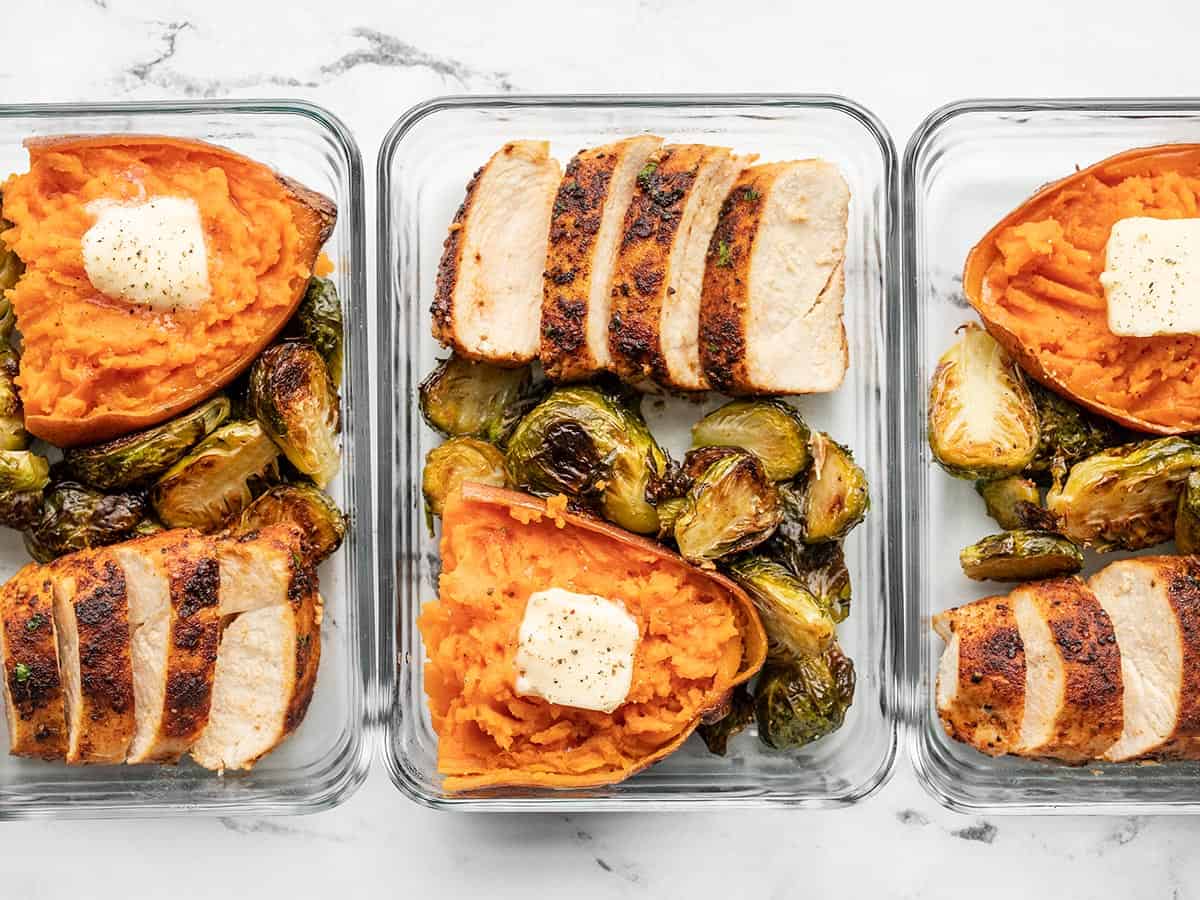
Non-obvious tip: Invest in divided containers if you don’t want foods to mix, especially for kids or picky eaters.
Planning Your Meals: The Key To Success
The most important part of meal prep is planning. A clear plan saves time and stress later.
How To Build Your Meal Plan
- Check Your Schedule: How many meals do you need? Do you eat out often? Plan for work lunches, dinners, or whatever fits your life.
- Choose Recipes: Pick dishes you like and know how to make. Start with 2–3 recipes to avoid overwhelm.
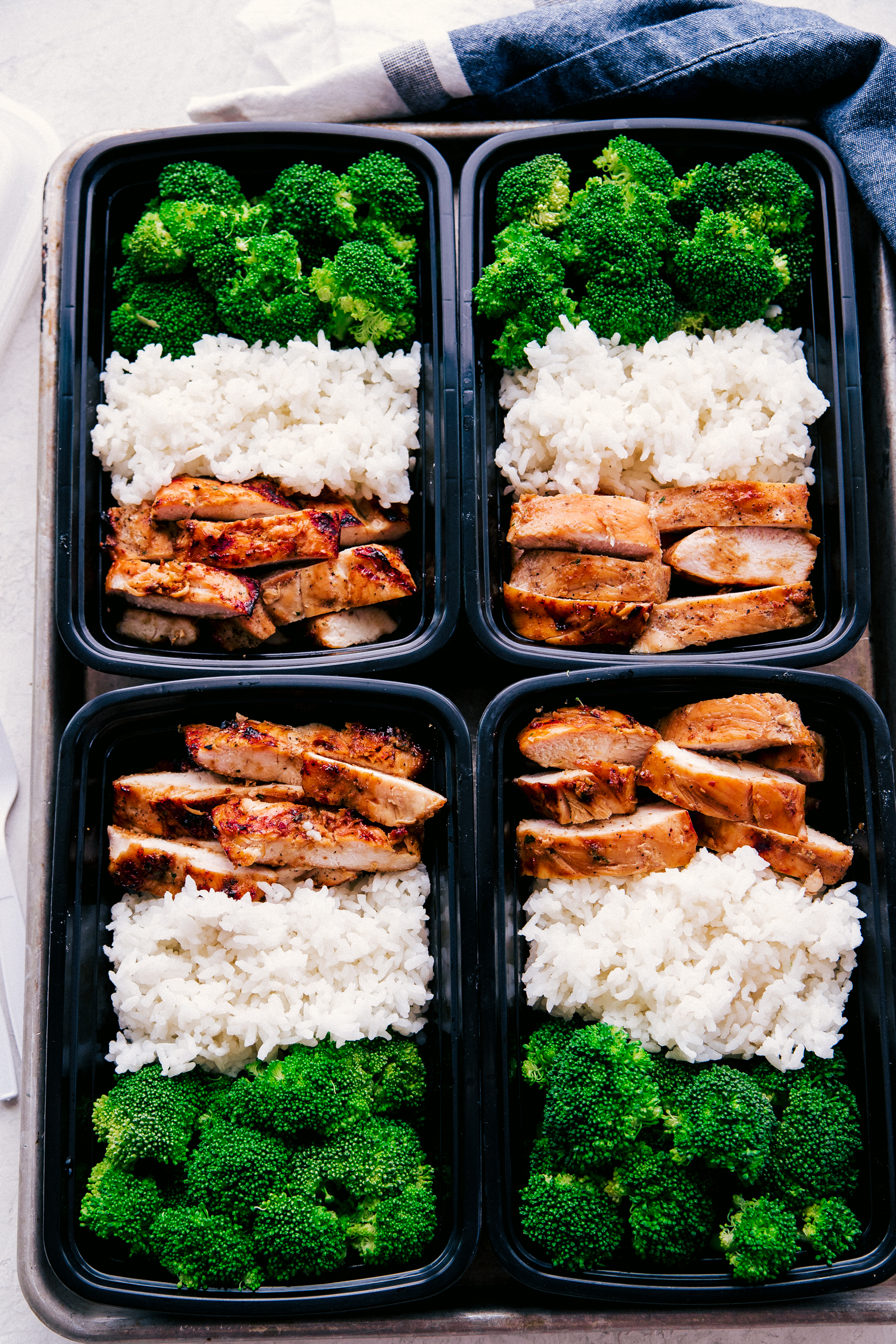
- Balance Nutrition: Aim for a protein, carb, and vegetable in every meal. For example, grilled chicken, brown rice, and broccoli.
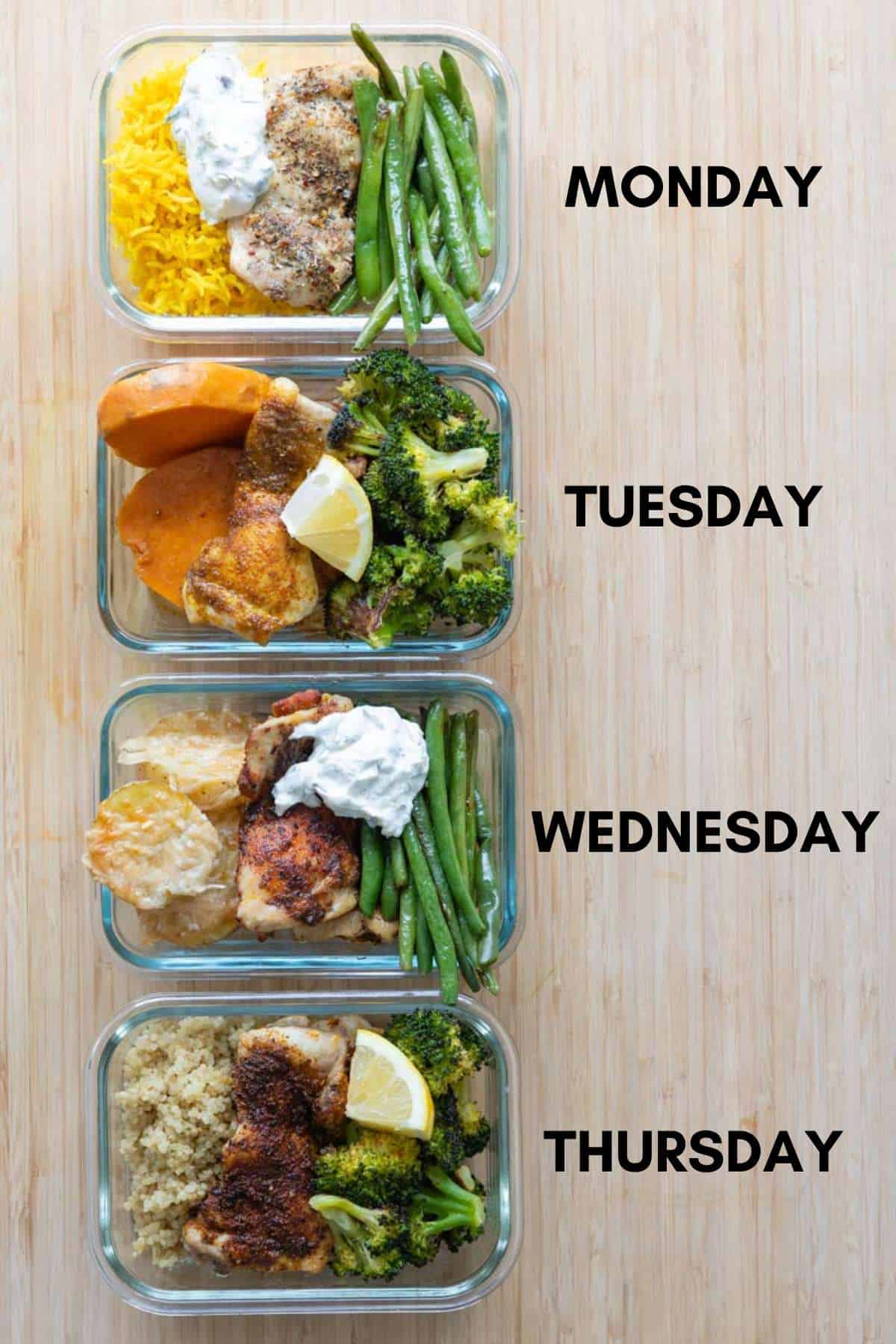
- Think About Variety: Rotate proteins, grains, and veggies to avoid boredom. Simple swaps—like using turkey instead of chicken—make a big difference.
- Check Ingredients: Use what you already have before buying more.
Example Weekly Meal Plan
Here’s a simple example for one person, five days:
| Day | Lunch | Dinner |
|---|---|---|
| Monday | Chicken rice bowl | Veggie stir-fry |
| Tuesday | Turkey wrap | Salmon, sweet potato |
| Wednesday | Quinoa salad | Beef chili |
| Thursday | Tuna pasta | Chicken, roasted veg |
| Friday | Lentil soup | Shrimp tacos |
Shopping Smart
Make a grocery list based on your plan. Divide it by section (produce, protein, grains, etc. ) To save time in the store.
Non-obvious insight: Always check pantry and fridge first. Many beginners buy duplicates because they forget what’s at home.
Try to shop once per week to save time.
Prepping Like A Pro: Step-by-step Guide
Once you have your plan and groceries, it’s time to prep. Here’s a detailed guide to keep you organized and efficient.
1. Organize Your Kitchen
Clear your counters and gather tools. Set out your containers, knives, and any appliances you’ll use.
2. Wash And Prep Ingredients
Wash all produce first. Chop vegetables, portion proteins, and measure grains or beans.
Pro tip: Chop “aromatic” vegetables (onion, garlic, celery, carrot) first—these are used in many recipes and save time.
3. Cook In Batches
Cook foods that take the longest first. For example:
- Start brown rice or quinoa in a pot or rice cooker.
- Roast sweet potatoes or vegetables in the oven.
- Grill or bake proteins like chicken breast or tofu.
While those cook, work on faster tasks like making sauces or mixing salads.
4. Assemble Meals
Let foods cool before packing. Divide into containers by meal or ingredients.
- Full meals: Put a protein, carb, and veggie in each container.
- Batch cooking: Store each item separately to mix and match.
5. Store Properly
Label each container with the meal and date.
- Most cooked meals last 3–4 days in the fridge.
- Freeze portions you won’t eat within that time.
Storage Table: Fridge Vs. Freezer
Here’s a quick guide for how long foods last:
| Food | Fridge (Days) | Freezer (Months) |
|---|---|---|
| Cooked chicken | 3–4 | 2–6 |
| Cooked rice | 3–5 | 6 |
| Cooked vegetables | 3–5 | 8–12 |
| Soup/Stew | 3–4 | 2–3 |
| Hard-boiled eggs | 7 | Not recommended |
Non-obvious tip: Let hot food cool before sealing to prevent condensation and soggy meals.
Picking The Right Recipes For Meal Prep
Not every recipe is good for meal prepping. Some foods get soggy, dry, or just don’t taste good after sitting. Here’s how to choose:
Best Meal Prep-friendly Foods
- Grains: Rice, quinoa, couscous, and barley reheat well.
- Proteins: Chicken, turkey, beef, tofu, tempeh, beans, and lentils.
- Vegetables: Roasted carrots, broccoli, bell peppers, sweet potatoes, and green beans.
- Soups & Stews: Hold up well for days and freeze easily.
- Egg Dishes: Frittatas and egg muffins are easy and portable.
Foods To Avoid
Some foods don’t keep well:
- Leafy greens (unless kept separate and assembled just before eating)
- Fried foods (lose crispiness)
- Cut fruit (can get mushy or brown)
- Cream-based sauces (can separate or spoil quickly)
Sample Meal Prep Recipe: Chicken Burrito Bowls
Here’s a beginner-friendly recipe you can try:
Ingredients (4 Servings)
- 2 large chicken breasts (about 1 lb)
- 2 cups cooked brown rice
- 1 can black beans, drained and rinsed
- 1 cup corn kernels
- 1 bell pepper, diced
- 1/2 cup salsa
- 1 tablespoon olive oil
- 1 teaspoon chili powder
- 1/2 teaspoon cumin
- Salt and pepper to taste
Instructions
- Preheat oven to 400°F (200°C).
- Place chicken breasts on a baking sheet. Brush with olive oil, sprinkle with chili powder, cumin, salt, and pepper. Bake for 20–25 minutes until cooked through.
- While chicken bakes, cook brown rice as directed.
- Dice bell pepper.
- When chicken is done, let it rest, then slice or shred.
- Divide rice, beans, corn, bell pepper, and chicken into four containers.
- Top with salsa. Cool before sealing and refrigerating.
Prep Time: 30–40 Minutes
Serving Size: 1 Bowl Per Meal
Tip: Add avocado or cheese just before eating for freshness.
Portioning And Nutrition: How Much Should You Prep?
Proper portioning is important, especially if you have fitness or health goals.
Basic Portion Guide
A simple way to portion meals is the plate method:
- 1/2 plate: Non-starchy vegetables (broccoli, carrots, peppers)
- 1/4 plate: Protein (chicken, tofu, beans)
- 1/4 plate: Whole grains or starchy vegetables (rice, quinoa, sweet potato)
For most adults, a single meal serving might be:
- Protein: 3–5 ounces (size of a deck of cards)
- Grains: 1/2 to 1 cup cooked
- Vegetables: 1–2 cups
Non-obvious insight: If you struggle with hunger, increase non-starchy veggies—they add volume without many calories.
Tracking Nutrition
If you have special dietary needs or want to lose/gain weight, use a nutrition tracking app. Many are free and easy to use.
For more about recommended portion sizes, check the guidelines from the Centers for Disease Control and Prevention.
Storing And Reheating: Keeping Your Meals Safe
Food safety is key for meal prep. Improper storage or reheating can lead to food poisoning.
Storage Tips
- Use airtight containers to keep food fresh and avoid leaks.
- Store meals in the coldest part of your fridge—usually the back.
- Don’t stack containers while food is hot—let air circulate to cool faster.
Reheating Safely
- Reheat meals to at least 165°F (74°C) to kill bacteria.
- Stir food halfway through reheating for even temperature.
- If microwaving, use a microwave-safe lid or vented cover.
When To Throw It Out
If food smells bad, looks strange, or has been in the fridge more than 4 days, it’s safest to toss it.
Meal Prep For Special Diets
Meal prep isn’t just for people eating “standard” meals. It’s helpful for vegetarians, vegans, athletes, and those with allergies.
Vegetarian & Vegan Prep
Focus on plant proteins (beans, lentils, tofu, tempeh) and a variety of veggies. Grain bowls, stir-fries, and hearty salads work well.
Low-carb Or Keto
Batch-cook proteins and low-carb veggies (like zucchini, cauliflower). Use healthy fats (olive oil, avocado).
Allergies & Sensitivities
Label containers clearly and prep allergen-free zones if needed. Prep in smaller batches to avoid cross-contamination.
Example Table: Meal Prep By Diet Type
| Diet Type | Best Protein Sources | Grain/Carb Options | Other Tips |
|---|---|---|---|
| Vegetarian | Beans, lentils, tofu | Quinoa, brown rice | Add nuts/seeds for protein |
| Keto | Chicken, beef, eggs | Cauliflower rice, none | Use lots of leafy greens |
| Gluten-free | Fish, poultry | Rice, sweet potato | Check all labels |
| High-protein | Turkey, cottage cheese | Farro, potatoes | Use lean meats |
Mistakes Beginners Make (and How To Avoid Them)
Even with planning, everyone makes mistakes at first. Here are some of the most common, and how to fix them.
- Making Too Much Food: Avoid prepping for an entire week at first. Food may spoil, and you might get bored.
- Not Seasoning Enough: Flavors fade in the fridge. Use a little more seasoning, and add fresh herbs or sauces at serving.
- Ignoring Texture: Some foods get soggy or dry. Keep crunchy toppings (nuts, seeds) separate until eating.
- Skipping Variety: Eating the same meal every day leads to burnout. Prep a few different meals or use mix-and-match ingredients.
- Poor Storage: Using the wrong containers leads to leaks or stale food. Invest in quality, airtight containers.
Non-obvious tip: Rotate “theme weeks” (like Mexican, Asian, or Mediterranean) to keep things interesting without learning new recipes every time.
Advanced Meal Prep Tips
If you’ve mastered the basics, these tips can make meal prep even easier and more enjoyable.
Use Freezer Meals
Double recipes and freeze half for busy weeks. Label with name and date. Thaw overnight in the fridge for best results.
Prep Breakfasts And Snacks
Don’t just think about lunch and dinner. Overnight oats, egg muffins, or pre-portioned yogurt and fruit make mornings easier. Snack boxes with nuts, cheese, or veggies help avoid vending machine temptations.
Cook Once, Eat Twice
Plan recipes that use leftovers in new ways. For example, roast chicken one night, then shred leftovers for tacos or salads.
Try Sheet Pan And One-pot Meals
These recipes save time and reduce cleanup. Toss ingredients on a sheet pan or in a pot, cook, and portion.
Keep A “prep Day” Routine
Pick a set day each week (like Sunday afternoon) for meal prep. Make it enjoyable—listen to music, podcasts, or invite a friend.
Frequently Asked Questions
How Long Does Meal Prepped Food Last In The Fridge?
Most meal prepped foods last 3–4 days in the fridge. Some items like cooked rice or hard-boiled eggs can last up to a week, but always check for spoilage. If you plan to eat meals after four days, freeze them.
Can You Meal Prep With A Small Kitchen Or No Fancy Equipment?
Yes! You only need basic tools: a sharp knife, cutting board, pots/pans, and containers. Cook in small batches, and prep ingredients instead of full meals if space is tight. Use vertical storage (stackable containers) to save fridge space.
How Do You Keep Meal Prep From Getting Boring?
Switch up recipes weekly, use different spices, or follow “theme weeks” (like Italian or Asian). Make mix-and-match bowls with different proteins, grains, and sauces. Add fresh toppings (herbs, cheese, salsa) at serving.
Is Meal Prep Healthy For Weight Loss?
Meal prepping helps control portions and ingredients, which can support weight loss. Focus on balanced meals: lean proteins, whole grains, and lots of vegetables. Avoid high-calorie sauces or processed snacks.
What Are The Best Containers For Meal Prep?
Look for BPA-free plastic or glass containers with tight lids. Divided containers help keep foods separate. For soups and stews, use leak-proof containers. Mason jars are great for salads (put dressing on the bottom).
Meal prepping takes some practice, but it quickly pays off with less stress, healthier meals, and more free time. Start simple, stay flexible, and adjust as you learn what works best for you. With a bit of planning and the right habits, meal prep can make your week smoother and your life healthier.

