

Kayaking is more than just a water sport—it’s a way to connect with nature, challenge yourself, and find peace on the water. But while kayaking can be relaxing or exciting, it comes with real risks. Each year, thousands of paddlers face accidents that could have been avoided with basic knowledge and careful preparation.
Whether you are new to kayaking or have some experience, learning how to kayak safely is essential for a fun and memorable adventure. In this guide, you’ll discover practical steps, expert tips, and often-overlooked details that will help you stay safe on the water without losing the joy of the experience.

36% off Today’s Exclusive Deals
Limited-time Exclusive Deals. Check current discount on Amazon.
Check Price on Amazon As an Amazon Associate I earn from qualifying purchases.Understanding Kayak Types And Their Impact On Safety
Before heading out, it’s important to choose the right kayak for your trip. The type of kayak you use affects stability, speed, and how well you handle different conditions. Here’s a quick overview to help you make the safest choice:
| Kayak Type | Main Features | Best For | Safety Notes |
|---|---|---|---|
| Recreational Kayak | Wide, stable, easy to maneuver | Calm lakes, slow rivers | Less suitable for rough water |
| Touring Kayak | Longer, tracks straight, has storage | Larger lakes, coastal waters | Requires more skill to handle waves |
| Whitewater Kayak | Short, nimble, designed for rapids | Rivers with fast currents | Needs advanced paddling skills |
| Inflatable Kayak | Portable, easy to store | Calm water, travel | Vulnerable to punctures |
Choosing a kayak that matches your skill level and the water conditions is the first step toward safety. Beginners often make the mistake of using advanced or specialized kayaks before they’re ready, increasing their risk of capsizing.
Preparing For Your Kayak Trip
Proper preparation is the foundation of safe kayaking. Many accidents happen before paddlers even touch the water because of poor planning or missing equipment.
Check The Weather And Water Conditions
Always review the weather forecast and water conditions before your trip. Even mild winds can make paddling difficult, especially for beginners. Sudden storms or temperature drops can turn a peaceful day into a dangerous situation.
- Look for wind speeds below 10 mph and no strong gusts.
- Avoid kayaking if thunderstorms are predicted.
- Check water temperature—cold water can cause hypothermia quickly, even if the air feels warm.
Plan Your Route And Share It
Know where you’re going and how long it should take. Use a map or GPS to mark your start, finish, and possible exit points. Tell someone trustworthy your plan, including your expected return time. This step is often skipped but can save your life if you get lost or delayed.
Pack The Essentials
Bring the right gear for safety and comfort. At minimum, you should have:
- Personal flotation device (PFD)—wear it at all times
- Paddle (plus a spare if possible)
- Whistle or signaling device
- Dry bag for valuables
- Drinking water and snacks
- First aid kit
- Sun protection (hat, sunscreen, sunglasses)
- Phone in a waterproof case
Extra items may include a flashlight, repair kit, or navigation tools, depending on your location and trip length.
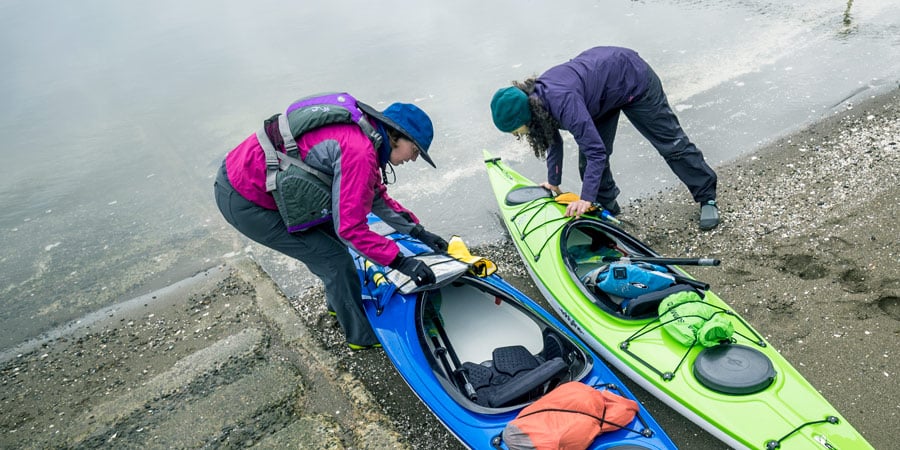
Essential Safety Gear For Kayaking
Your safety on the water depends on the gear you bring and use. Some items are required by law, while others are strongly recommended by experts.
Personal Flotation Device (pfd)
A PFD is the single most important piece of safety gear for kayaking. According to the US Coast Guard, 85% of drowning victims in boating accidents were not wearing a life jacket. Make sure your PFD fits snugly and is approved for paddling.
Clothing And Footwear
Dress for the water temperature, not just the air. In cold conditions, wear synthetic layers or a wetsuit. Avoid cotton, which stays wet and cools you down. Shoes should be closed-toe, secure, and able to get wet.
Helmet
If you’re kayaking in whitewater or areas with rocks, always wear a helmet. Even in slow-moving rivers, unexpected obstacles can cause head injuries.
Paddle Leash
A paddle leash secures your paddle to the kayak, preventing it from floating away if you let go. This is especially useful in windy conditions or rough water.
Emergency Signaling Devices
Carry a whistle, flashlight, or mirror to signal for help. In remote areas, consider a waterproof VHF radio or personal locator beacon.
Bilge Pump Or Sponge
A bilge pump or sponge helps remove water from the kayak if you take on waves or capsize. Keeping your kayak dry reduces the risk of instability.
Basic Kayaking Skills For Safety
Many beginners focus on moving forward but overlook key paddling skills that prevent accidents. Developing these basics will make your trip safer and more enjoyable.
Entering And Exiting The Kayak
Always launch your kayak from a stable surface. Sit down carefully, keeping your weight low and centered. When exiting, move slowly and use your paddle for balance if needed.
Holding The Paddle Correctly
Grip the paddle with both hands, shoulder-width apart. The curved side of the blade should face you. Keep your knuckles aligned with the blade’s top edge. This grip gives you more control and reduces wrist strain.
Forward Stroke
Dip one blade into the water near your toes. Pull it back alongside the kayak, then lift it out near your hip. Alternate sides to move straight. Use your core muscles, not just your arms, for power and efficiency.
Turning And Stopping
- Sweep stroke: Use a wide arc to turn the kayak.
- Reverse stroke: Paddle backward to slow down or stop.
- Draw stroke: Pull the paddle toward the kayak to move sideways—useful for docking.
Bracing
A brace stroke helps you stay upright if the kayak tips. Place the flat side of the paddle on the water and press down to stabilize.
Wet Exit And Re-entry
Practice getting out of your kayak safely if it flips (wet exit) and climbing back in (re-entry). These skills are essential for open water and should be practiced in calm, shallow conditions before venturing further.
Reading The Water: Hazards And How To Avoid Them
Not all water is the same. Understanding what to look for keeps you away from danger.
Common Hazards
- Currents: Fast-moving water can sweep you off course or flip your kayak.
- Rocks and debris: Hidden obstacles can damage your kayak or cause injuries.
- Dams and weirs: These structures create dangerous flows—always portage (carry) around them.
- Changing tides: In coastal areas, tides can quickly make a safe area hazardous.
- Low-head dams: These look harmless but create powerful recirculating currents (called “keepers”) that trap even strong swimmers.
How To Spot Trouble
- Look for changes in water color or texture to spot currents and submerged objects.
- Listen for sounds of rushing water, which may indicate a hazard ahead.
- When in doubt, stop and assess from shore.
The Buddy System: Never Kayak Alone
Kayaking with a partner or group is one of the simplest ways to improve safety. A buddy can help if you tip over, spot hazards you miss, and provide reassurance.
If you must kayak alone, take extra precautions:
- Stay close to shore
- Bring a communication device
- Choose well-traveled areas
- Check in frequently with someone on land
Weather And Environmental Factors
Ignoring the environment is one of the most common mistakes in kayaking. Preparation can prevent weather surprises from turning into emergencies.
Sun, Wind, And Temperature
Sun exposure can cause dehydration and sunburn. Wear a hat and reapply sunscreen often. Wind makes paddling harder and can blow you off course; always paddle into the wind first if possible, so you have an easier return. Cold water is a serious risk—even at 60°F (15°C), hypothermia can set in quickly.
Wildlife
Respect wildlife and keep a safe distance. Swans, geese, and even beavers can become aggressive if they feel threatened. In some areas, alligators or snakes are a concern—do not approach or feed them.
Tides And Water Levels
In tidal areas, check the tide charts and plan your trip to avoid getting stranded. Rising water can cover hazards, while low water may expose rocks.
Emergency Situations And How To Respond
Even with good planning, emergencies can happen. Knowing what to do increases your chances of a safe outcome.
Capsize Recovery
Stay calm if you flip over. Hold on to your paddle and kayak. If you can’t right the kayak in the water, swim with it to shore. Practice self-rescue techniques in a controlled environment before heading out.
Getting Lost
If you lose your way, stay put if it’s safe. Use your whistle or a signaling device. Conserve energy and keep warm. Having a map or GPS helps you retrace your route.
Medical Emergencies
Carry a basic first aid kit. Learn how to treat minor cuts, sunburn, and insect bites. For serious injuries, call for help as soon as possible.

Kayak Safety For Kids And Families
Kayaking is a great family activity, but kids need extra safety measures.
- Use youth-sized PFDs—never adult life jackets for kids.
- Choose calm, shallow water for family trips.
- Keep trips short and allow for breaks.
- Teach kids how to signal for help and what to do if they capsize.
- Supervise children at all times, even if they can swim.
Common Beginner Mistakes And How To Avoid Them
Experienced kayakers often see new paddlers make the same safety mistakes. Watch out for these pitfalls:
- Skipping the PFD: Many people take off their life jacket in warm weather or calm water. Accidents can happen quickly, so always keep it on.
- Overestimating Skill Level: Stick to easy routes until you’ve mastered basic skills.
- Ignoring the Weather: Conditions can change fast—check before and during your trip.
- Underestimating Water Temperature: Cold water is more dangerous than cold air. Dress accordingly.
- Poor Equipment Choices: Cheap or worn-out gear can fail when you need it most. Invest in quality and check before each trip.
- Not Practicing Safety Drills: Practice capsizing and re-entry with a friend or instructor.
- Not Hydrating or Eating: Kayaking uses a lot of energy. Bring water and snacks, and take breaks.
- Lack of Communication: Always tell someone your plans and expected return.
The Value Of Kayaking Courses And Local Knowledge
Taking a kayaking course from a certified instructor can boost your confidence and skills. You’ll learn advanced safety techniques, navigation, and rescue skills that can’t be picked up from videos alone.
Local outfitters and clubs are great sources of information about current conditions, common hazards, and the best places for your skill level. They often know about recent changes, such as new obstacles or areas with strong currents.
Comparing Kayak Safety Features
Not all kayaks have the same built-in safety features. Here’s a comparison to help you choose wisely:
| Feature | Basic Kayak | Advanced Kayak |
|---|---|---|
| Bulkheads (separate compartments) | No | Yes |
| Deck lines (for gripping) | Rare | Common |
| Self-bailing design | No | Yes (mainly whitewater) |
| Reflective tape/panels | No | Yes |
| Adjustable foot braces | Sometimes | Almost always |
Safety features may add to the cost, but they provide extra security, especially in challenging conditions.
Kayak Safety Laws And Regulations
Every location has its own rules for kayaking. Some common requirements include:
- PFDs must be worn or carried at all times.
- Kayaks must display lights when paddling after sunset.
- Some areas require permits or special equipment.
- Alcohol use is often restricted—boating under the influence is illegal and dangerous.
Violating these rules can result in fines or even criminal charges. Always check local regulations before your trip. For more details, you can visit the US Coast Guard’s official boating regulations page.
Advanced Tips For Extra Safety
If you want to take your safety to the next level, consider these expert strategies:
- Float plans: Write down your trip details and leave them with someone reliable.
- Practice rolls: In cold or rough water, learn how to right your kayak without exiting.
- Night paddling: Use reflective gear and strong lights; avoid unless you’re experienced.
- Group skills: Practice group rescue drills so everyone knows their role in an emergency.
- Regular gear checks: Inspect your kayak for leaks, cracks, and damage before every trip.
How To Build Real Confidence On The Water
True confidence comes from preparation and experience—not just luck or bravado. Here’s how to grow your safety mindset:
- Start small: Master easy routes before moving to bigger challenges.
- Paddle with mentors: Learn from experienced kayakers who can give feedback.
- Reflect on each trip: After each outing, review what went well and what you could improve.
- Stay humble: Even experts respect the power of water.
Many paddlers overlook the importance of mental readiness. If you feel uneasy about the weather, your skills, or the route, listen to your instincts. There is no shame in postponing or canceling a trip for safety.
Frequently Asked Questions
What Is The Most Important Safety Rule For Kayaking?
The most important rule is to wear a personal flotation device (PFD) at all times. Even strong swimmers can be caught off guard by accidents, and a PFD greatly increases your chances of survival if you capsize.
How Do I Know If A River Or Lake Is Safe For Kayaking?
Check for posted signs, ask local authorities or outfitters, and observe the water conditions. Avoid areas with fast currents, debris, or changing tides if you are not experienced. When in doubt, choose calm, well-known spots.
What Should I Do If I Capsize And Can’t Get Back In My Kayak?
Stay calm, hold onto your kayak and paddle, and signal for help using a whistle or waving. Try to get back in if possible, or swim with your kayak to the nearest safe shore. Never abandon your kayak—it floats and is easier for rescuers to see.
Can I Kayak If I Can’t Swim?
Yes, but you must always wear a PFD and stick to calm, shallow waters. Take a basic swimming class to improve your confidence. Stay close to shore, and never kayak alone.
Is Kayaking Safe For Children And Seniors?
With the right precautions, kayaking is safe for most people. Children should always wear youth-sized PFDs and be supervised. Seniors should consider their fitness level, choose stable kayaks, and avoid extreme conditions. Consult a doctor before starting if you have health concerns.
Kayaking is an adventure that rewards preparation and respect for nature. By following these safety tips, you can enjoy the beauty and excitement of the water with confidence—knowing you’re ready for whatever comes your way. Safe paddling!


