

Composting at home is one of the simplest ways to reduce your household waste and create something valuable for your garden or plants. It transforms everyday kitchen scraps and yard waste into rich, dark soil that helps everything grow better. Many people think composting is complicated or messy, but with the right steps, anyone can do it—even in a small apartment or backyard. This guide will show you how to compost at home, what you need, and how to avoid common problems. By the end, you’ll see that turning waste into nutrient-rich compost is easier and more rewarding than you might expect.
Why Compost At Home?
Composting does more than just shrink your garbage pile. Every year, the average American throws away about 1,200 pounds of organic waste. This waste often ends up in landfills, where it can’t break down properly and creates methane, a powerful greenhouse gas. Composting at home helps the environment by:

36% off Today’s Exclusive Deals
Limited-time Exclusive Deals. Check current discount on Amazon.
Check Price on Amazon As an Amazon Associate I earn from qualifying purchases.- Reducing landfill waste
- Cutting down on methane emissions
- Returning valuable nutrients to the soil
- Saving money on fertilizers
- Helping plants grow healthier and stronger
Even if you don’t have a garden, you can share your compost with neighbors, community gardens, or use it for houseplants. Plus, it’s a satisfying way to see the results of your efforts.
Understanding The Basics Of Composting
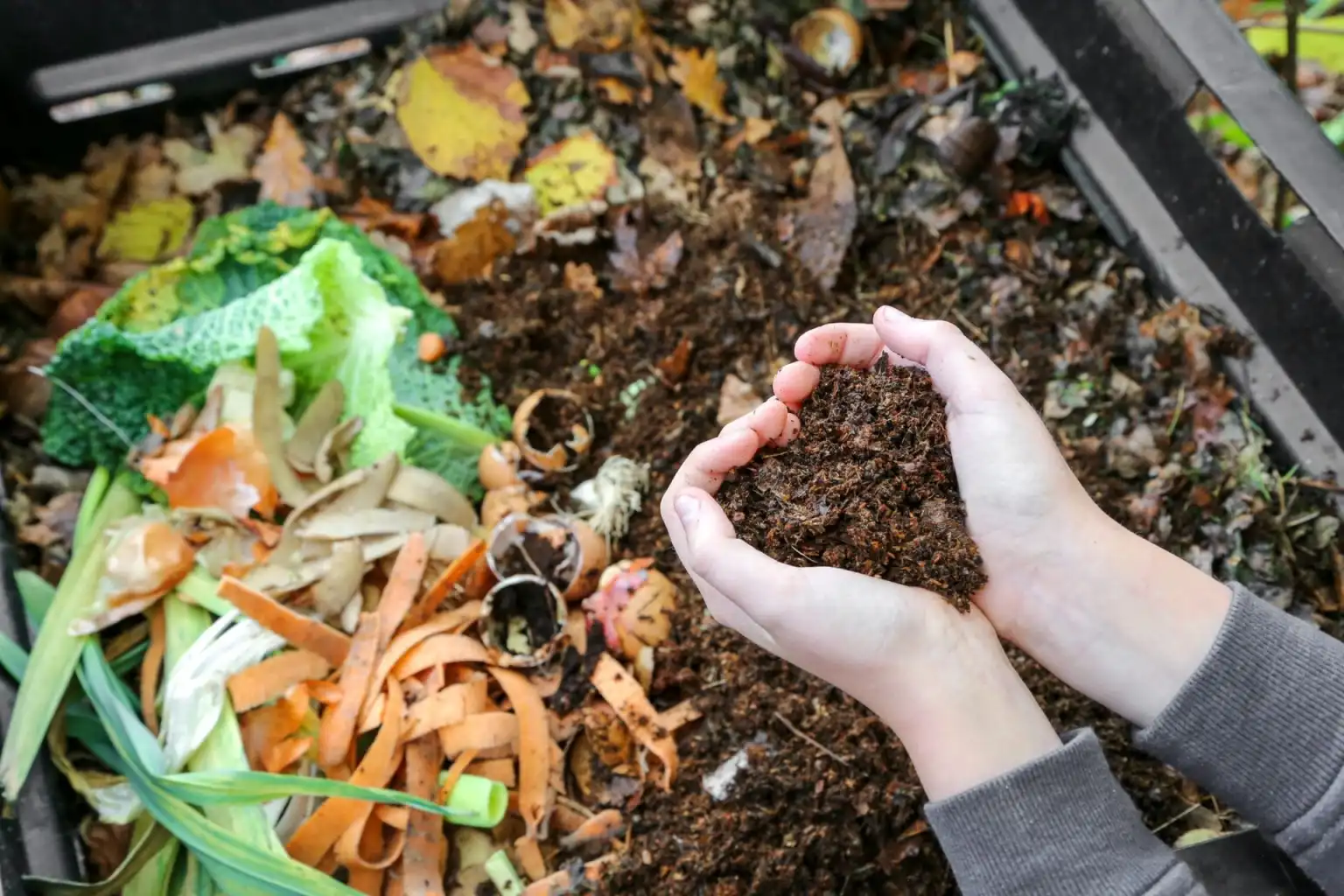
Before you start, it’s important to understand what composting is. Composting is a natural process where microorganisms (like bacteria and fungi), along with worms and insects, break down organic materials. The result is humus, a dark, crumbly material that looks and smells like rich soil.
There are a few key elements needed for composting:
- Browns – Materials high in carbon (e.g., dry leaves, cardboard, paper)
- Greens – Materials high in nitrogen (e.g., fruit scraps, coffee grounds, grass clippings)
- Water – Keeps everything moist, but not soggy
- Oxygen – Needed for the microbes to break things down
A good compost pile should have a balance of browns and greens. Too many greens make it smelly, while too many browns slow down the process.
Choosing The Right Composting Method
There are several ways to compost at home, depending on your space, needs, and how much effort you want to put in. Here’s a comparison of the most popular methods:
| Method | Best For | Space Needed | Time to Compost | Effort Level |
|---|---|---|---|---|
| Backyard Pile or Bin | Yards, gardens | Medium to large | 3–12 months | Medium |
| Tumbler | Small yards, patios | Small to medium | 2–6 months | Low to medium |
| Vermicomposting (Worm Bin) | Indoors, apartments | Very small | 2–4 months | Low |
| Bokashi | Indoors, any climate | Very small | 2–8 weeks (pre-compost) | Low |
Backyard piles and bins are great if you have outdoor space and generate a lot of yard waste. Tumblers are good for people who want a neater system and easier turning. Vermicomposting uses special worms to eat food scraps and is perfect for apartments. Bokashi is a Japanese method that ferments food scraps with microbes, suitable for kitchens with limited space.
Setting Up Your Compost System
Choosing the right method is just the first step. Here’s how to set up each system for success.
Backyard Compost Pile Or Bin
For a backyard pile, pick a spot on bare earth, not concrete. This lets worms and microbes move in from the soil. If you use a bin, make sure it has holes for airflow. Start by layering browns and greens, aiming for a ratio of about 3 parts browns to 1 part greens.
- Add a layer of twigs or straw at the bottom for drainage.
- Alternate layers of browns and greens.
- Moisten each layer, but don’t soak it.
- Cover with a tarp or lid to keep pests out and moisture in.
Turn the pile every 1–2 weeks to add oxygen and speed up decomposition.
Compost Tumblers
Tumblers are sealed containers on a frame that you spin to mix the contents. They’re tidy and keep pests out. Fill them with a balanced mix of browns and greens, then spin every few days.
- Avoid overloading; leave space for air.
- If it smells bad, add more browns or spin more often.
- If it’s too dry, sprinkle a little water inside.
Vermicomposting (worm Bin)
Worm bins use red wiggler worms to break down food scraps. You can buy a ready-made bin or make your own from a plastic container.
- Drill holes in the sides and bottom for air and drainage.
- Fill with moist bedding (shredded paper, coconut coir).
- Add worms and a handful of soil.
- Feed with small pieces of fruit and vegetable scraps, burying them in the bedding.
Keep the bin in a cool, dark place, and avoid overfeeding to prevent odors.
Bokashi
Bokashi is a two-step process. First, you ferment food scraps in a special bucket with bokashi bran (a mix of bran and beneficial microbes). After a few weeks, the “pre-compost” is buried in soil or added to a traditional compost pile.
- Layer food scraps and sprinkle with bokashi bran.
- Press down to remove air and seal tightly.
- Drain off liquid (“bokashi tea”) every few days; dilute and use as plant food.
Bokashi handles meat and dairy, which most other methods can’t.

What You Can And Can’t Compost
Not everything from your kitchen or yard should go into the compost. Here’s a quick guide:
| Can Compost | Should Avoid |
|---|---|
| Fruit & vegetable scraps | Meat, fish, bones (except Bokashi) |
| Coffee grounds & filters | Dairy products |
| Tea bags (non-plastic) | Fats, oils, grease |
| Eggshells (crushed) | Diseased plants |
| Grass clippings | Weeds with seeds |
| Leaves, branches (chopped) | Pet waste |
| Shredded paper, cardboard | Glossy/coated paper |
| Hair, fur | Large branches |
Non-obvious tip: Eggshells add calcium but should be crushed well to break down faster. Coffee grounds are great for nitrogen but use them in moderation; too much can make the pile acidic.
Step-by-step Guide To Composting At Home
Now, let’s walk through the process from start to finish.
1. Collect Materials
Set up a small bin or container in your kitchen for food scraps. Empty it into your compost system every few days. For yard waste, collect leaves, grass, and plant trimmings.
2. Build Your Pile Or Bin
- Start with a layer of browns (leaves, paper).
- Add greens (food scraps, grass clippings).
- Alternate layers, keeping the mix loose for airflow.
- Moisten each layer until it feels like a wrung-out sponge.
3. Maintain The Pile
- Turn or mix the compost every 1–2 weeks (except worm bins).
- Check moisture. If too dry, add water. If soggy, add more browns.
- Watch temperature. A healthy pile gets warm (110–160°F). If it cools down, turning helps speed things up.
4. Know When It’s Ready
Compost is finished when it’s dark, crumbly, and smells earthy. Most home piles take 3–12 months. Worm bins and tumblers are faster.
5. Use The Compost
Spread your finished compost on gardens, potted plants, or lawns. Mix it into soil, use as mulch, or make compost tea by soaking in water for liquid fertilizer.
Common Composting Problems And Solutions
Even experienced composters face challenges. Here are some common issues and how to fix them:
- Bad smell: Too many greens or not enough air. Add browns, turn the pile.
- Pile not heating up: Not enough greens, too dry, or pile is too small. Add food scraps, water, or combine piles.
- Pests: Food scraps exposed or wrong materials (meat, dairy). Bury food deeper, avoid problem items, use a bin with a lid.
- Pile too wet: Poor drainage or too many greens. Add dry leaves, shredded paper, or turn more often.
- Slow decomposition: Chunks too large or not enough mixing. Chop materials smaller, turn the pile more.
Non-obvious insight: Composting slows in winter, but you can still add materials. The pile will “wake up” and break down faster in spring.
Advanced Tips For Better Compost
If you want to take your composting to the next level, try these strategies:
- Chop or shred materials: Smaller pieces break down faster.
- Mix different types of greens and browns: Diversity feeds more microbes.
- Monitor temperature: Use a compost thermometer for best results.
- Layer with finished compost: Adding a bit of finished compost or garden soil introduces more microbes.
- Use a cover crop: Planting cover crops in your garden helps soil microbes thrive along with your compost.
Some gardeners even use two or three compost bins: one “active” bin for new scraps, one “finishing” bin, and one for storage.

Composting In Small Spaces Or Apartments
Don’t have a yard? No problem. You can still compost indoors with a worm bin or bokashi system.
- Worm bins fit under sinks, in closets, or on balconies.
- Bokashi buckets are odor-free and compact.
- Some cities offer community compost drop-off programs.
- If you have a balcony, small tumblers or fabric bags are options.
With a little creativity, even city dwellers can compost most of their kitchen waste.
Using And Storing Finished Compost
Once your compost is ready, you have several ways to use it:
- Topdressing: Spread a thin layer around plants or on your lawn.
- Soil amendment: Mix into garden beds before planting.
- Potting mix: Blend compost with soil for houseplants.
- Mulch: Use compost as mulch to retain moisture and suppress weeds.
- Compost tea: Steep compost in water for a nutrient-rich liquid fertilizer.
Store extra compost in a covered bin or pile. Keep it moist but not wet. Finished compost can last for months if protected from rain and sun.
The Environmental And Economic Impact Of Composting
Home composting does more than just help your garden. It’s a powerful tool against climate change. According to the US Environmental Protection Agency (EPA), food scraps and yard waste make up over 30% of what we throw away. When these materials end up in landfills, they produce methane, which is about 25 times more potent than carbon dioxide as a greenhouse gas.
If every household in the US composted, it could keep millions of tons of waste out of landfills each year. Plus, composting at home saves money on trash disposal and reduces the need to buy chemical fertilizers.
A study by the Institute for Local Self-Reliance found that communities with strong composting programs can save $23–$62 per ton of waste diverted from landfills. Over time, these savings add up for families and cities alike.
Composting Myths And Facts
Many people hesitate to start composting because of myths or misunderstandings. Let’s clear up a few:
- Myth: Composting attracts rats and pests.
- Fact: If you avoid meat, dairy, and keep the pile covered, pests are rarely a problem.
- Myth: Compost smells bad.
- Fact: Properly balanced compost smells earthy, not rotten.
- Myth: You need a big yard to compost.
- Fact: Worm bins and bokashi work well in apartments or small homes.
- Myth: Composting is too much work.
- Fact: With the right method, maintenance is quick—often less than 10 minutes per week.
Where To Learn More
If you want to dig deeper into composting science, best practices, or local resources, check out the EPA’s Composting at Home page (EPA). They offer detailed guides, troubleshooting tips, and links to community composting programs.
Frequently Asked Questions
What Can I Do If My Compost Pile Is Too Wet?
If your compost is too wet, it can become slimy and smelly. Add more browns like dry leaves, shredded paper, or sawdust to soak up excess moisture. Turn the pile to increase airflow, and check that your bin or pile has good drainage.
Can I Compost Citrus Peels And Onion Skins?
Yes, you can compost citrus peels and onion skins in moderation. They break down more slowly and can be acidic, so don’t overload your pile with them. Chopping them into small pieces helps speed up decomposition.
How Do I Keep My Indoor Worm Bin From Smelling?
A healthy worm bin should not smell bad. If it does, you may be overfeeding, adding the wrong materials, or the bedding is too wet. Only feed fruit and vegetable scraps, avoid meat and dairy, and make sure to bury food under bedding.
Is It Safe To Use Compost Made From Weeds?
You can compost weeds, but avoid adding weeds that have gone to seed or those with thick, invasive roots. The compost pile must reach high temperatures (over 140°F) to kill most seeds and pathogens. If unsure, leave weeds out.
How Long Does It Take To Make Compost At Home?
The time depends on your method, materials, and how often you maintain the pile. Backyard piles can take 3–12 months, tumblers and worm bins need 2–6 months, and bokashi pre-composting takes just a few weeks before burial.
Composting at home is a simple, powerful way to help the planet and boost your garden. Whether you have a yard or just a small kitchen, there’s a composting method for you. Start today, and you’ll soon see your waste turning into something truly valuable.

