

Improving your credit score can open the door to better loan rates, higher credit limits, and even more job opportunities. For many, a credit score feels like a mysterious number that is hard to change. In reality, it’s a measure you can control with the right steps and habits.
Whether your credit is low due to mistakes or you just want to reach the next level, understanding what affects your score—and how to address each factor—can make a big difference.

36% off Today’s Exclusive Deals
Limited-time Exclusive Deals. Check current discount on Amazon.
Check Price on Amazon As an Amazon Associate I earn from qualifying purchases.This article will guide you through practical, proven actions to boost your credit score. You’ll learn how to handle your debts, manage your accounts, and avoid common pitfalls. Even small changes can lead to lasting results. Along the way, you’ll find helpful tables, real-world examples, and answers to common questions.
Let’s explore what you need to know to take your credit score higher.
Understanding Credit Scores: The Basics
Before you work on your credit score, it’s important to know what it means and how it’s calculated. In the US, most lenders use the FICO Score or VantageScore. These scores range from 300 to 850. A higher score means you’re seen as a lower risk to lenders.
What Makes Up Your Credit Score?
Here’s a breakdown of FICO Score factors and how much each influences your score:
| Factor | Impact on Score (%) | Description |
|---|---|---|
| Payment History | 35% | On-time payments on credit cards, loans, etc. |
| Amounts Owed | 30% | Total debt and credit usage |
| Length of Credit History | 15% | How long accounts have been open |
| New Credit | 10% | Recent applications for credit |
| Credit Mix | 10% | Types of credit (cards, loans, mortgage) |
A few key points:
- Payment history is the most important. Even one missed payment can drop your score.
- Credit utilization—how much you owe compared to your credit limits—matters almost as much.
- Mix and length of your credit are less important but still count.
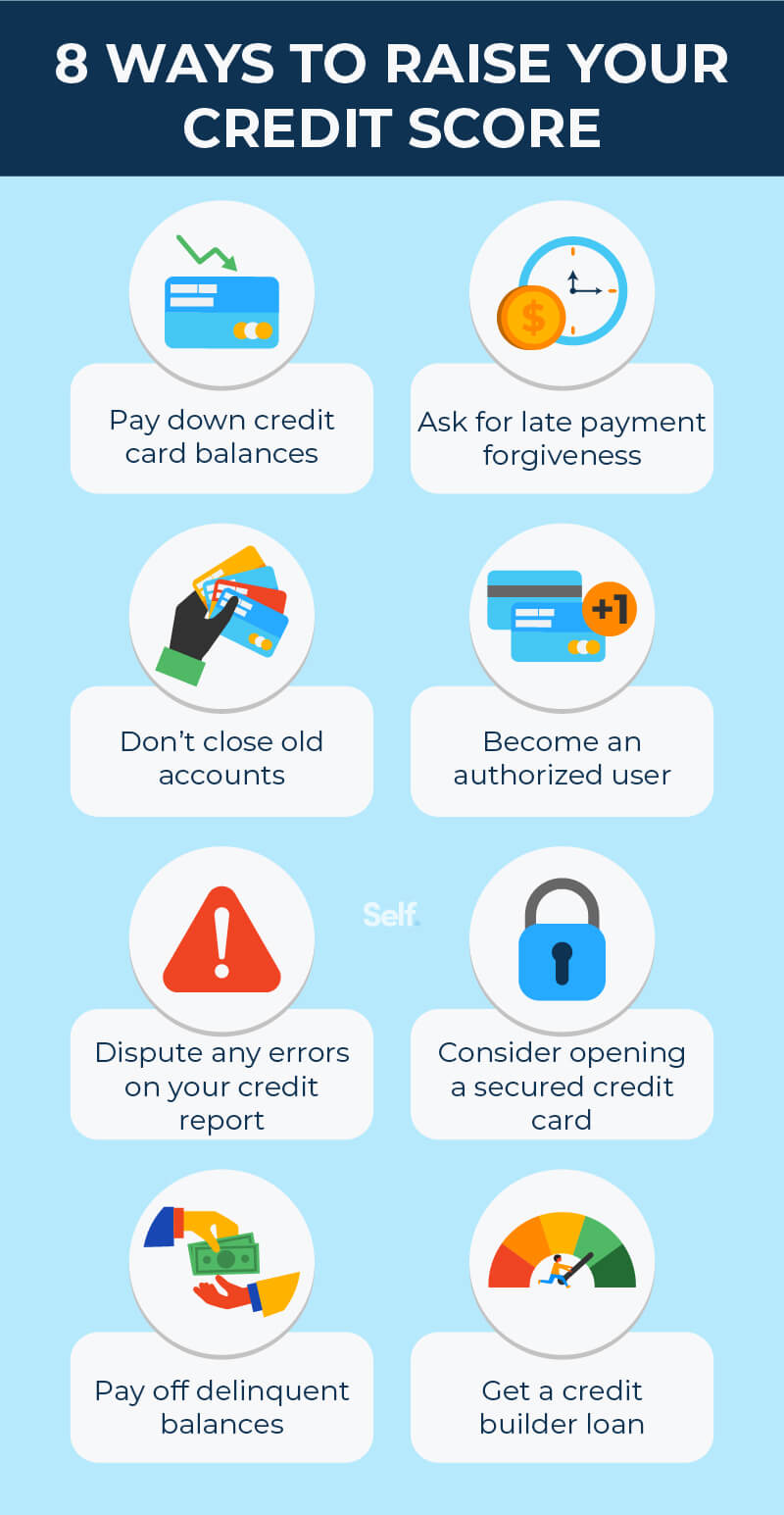
Step 1: Check Your Credit Reports
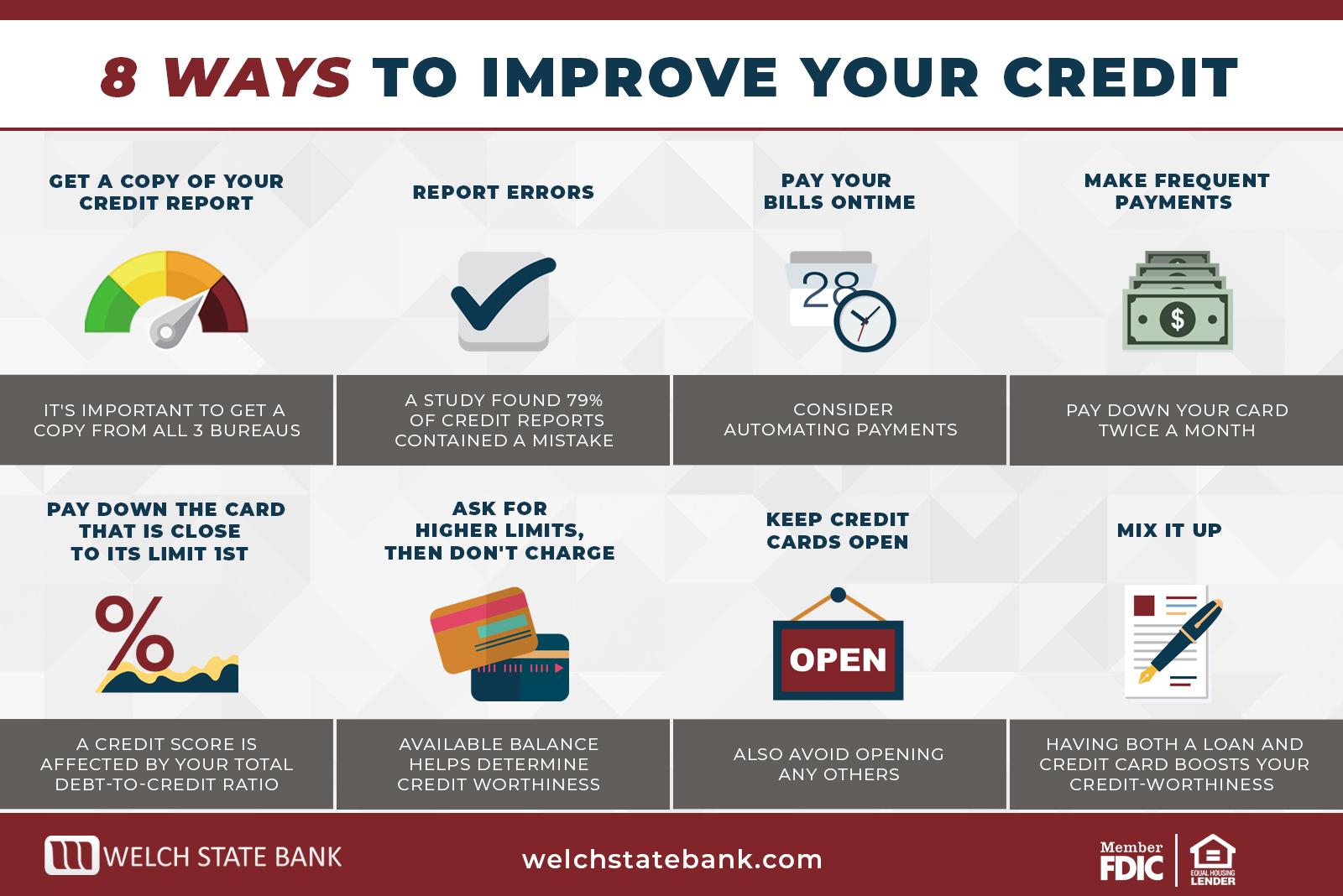
Your credit score comes from information in your credit reports. These are kept by three main bureaus: Equifax, Experian, and TransUnion. You can get a free copy of your reports once a year at AnnualCreditReport.com.
When you review your reports, look for:
- Errors: Wrong balances, late payments you didn’t make, or accounts that aren’t yours.
- Negative marks: Late payments, collections, or bankruptcies.
If you spot mistakes, dispute them with the bureau. Errors are more common than most people think. Fixing them can quickly add points to your score.
Step 2: Pay Bills On Time—every Time
Missing payments is the fastest way to hurt your credit score. On-time payments show lenders you’re trustworthy.
Tips to stay on track:
- Set up automatic payments for your credit cards and loans.
- Use reminders on your phone or calendar for due dates.
- If you miss a payment, pay it as soon as possible. The longer a bill goes unpaid, the worse the impact.
If you have trouble paying, contact your lender. Some will work with you to adjust due dates or set up payment plans.
Step 3: Reduce Your Credit Card Balances
Your credit utilization ratio is a key factor. It’s the percentage of your credit limits you’re using. Lower is better—experts recommend keeping it under 30%, and under 10% is even better.
Example: Credit Utilization Calculation
Imagine you have three credit cards:
- Card 1: $500 balance, $2,000 limit
- Card 2: $0 balance, $3,000 limit
- Card 3: $400 balance, $1,000 limit
Total Balance = $900
Total Limit = $6,000
Utilization = $900 ÷ $6,000 = 15%
If you pay down Card 3 to $100, your utilization drops to about 10%. This small change can boost your score within a month or two.
Strategies To Lower Utilization
- Pay off high-interest cards first. This saves money and lowers your ratio.
- Spread out your charges. If you have several cards, avoid maxing out any one card.
- Ask for a credit limit increase. If approved and you don’t add more debt, your utilization goes down.
Non-obvious insight: Even if you pay your cards in full every month, the balance reported to bureaus is usually your statement balance—not your current balance. Making an extra payment before the statement closes can lower what’s reported.
Step 4: Avoid New Debt Unless Necessary
Every time you apply for credit, the lender does a hard inquiry. Too many hard inquiries in a short period can lower your score.
- Plan applications carefully. Apply only when you truly need credit.
- Rate shopping for a loan (like a car or mortgage) within a short window—usually 14-45 days—counts as one inquiry in most scoring systems.
Common mistake: Opening several new accounts at once can drop your average account age, hurting your score.
Step 5: Don’t Close Old Credit Accounts
Many people think closing old, unused cards will help their score. In fact, it can do the opposite.
When you close an account:
- Your overall credit limit goes down, raising your utilization.
- Your average account age can decrease.
What to do instead: Keep old cards open, even if you rarely use them. Put a small purchase on each card every few months to keep them active.
Step 6: Handle Past Due Accounts And Collections
If you have accounts in collections or charged-off, they hurt your score until paid and even after. However, paying them off can still help.
- Contact the creditor or collector to negotiate payment.
- Ask for a “pay for delete.” Some collectors will remove the mark if you pay in full or settle.
- Make sure the account is marked “paid” or “settled” after you pay.
Non-obvious insight: A paid collection is less damaging than an unpaid one. Some newer scoring models (like FICO 9 and VantageScore 3.0+) ignore paid collections altogether.
Step 7: Use Different Types Of Credit Wisely
A good mix of credit types can help your score. This means having both revolving credit (like credit cards) and installment loans (like a car loan or mortgage).
| Credit Type | Examples | Impact on Score |
|---|---|---|
| Revolving | Credit cards, lines of credit | Shows ability to manage variable debt |
| Installment | Auto loans, mortgages, student loans | Shows ability to handle regular payments |
Don’t rush to open new accounts just for variety, but if you only have cards, a small loan (like a credit-builder loan) can help.
Step 8: Become An Authorized User
If a friend or family member has a card with a long, positive history, ask if you can be added as an authorized user. Their good payment history will appear on your report.
- You don’t need to use the card.
- Choose someone who always pays on time and keeps their balance low.
This strategy can quickly boost a thin or damaged credit file.
Step 9: Monitor Your Credit Regularly
Keeping an eye on your credit helps you catch mistakes early and see your progress.
- Use free tools from your bank or credit card company.
- Consider signing up for credit monitoring services if you’ve had identity theft or major problems.
Many services give you your credit score and alert you to changes.
Step 10: Consider A Secured Credit Card
If you can’t get approved for regular credit, a secured credit card is an option. You deposit money, which becomes your credit limit.
- Use the card for small purchases and pay in full every month.
- After 6-12 months of good habits, you can often upgrade to a regular card.
This is a safe way to build or rebuild credit.
How Long Does It Take To Improve Your Credit Score?
Credit improvement is not instant. Most positive changes appear in 1-3 months, but fixing major problems may take 6-18 months.
Average Time For Credit Score Changes
| Action | Typical Time to See Improvement |
|---|---|
| Dispute/correct errors | 30-60 days |
| Pay down credit card balances | 30-60 days |
| On-time payments | 1-6 months |
| Remove collections | 1-3 months after resolved |
| Adding new accounts (good history) | 3-6 months |
Patience is key. Keep working on good habits, and your score will rise.
Common Credit Score Myths
Many people believe things about credit that simply aren’t true. Here are a few myths to ignore:
- Checking your own score hurts it. False. Only “hard” checks by lenders affect your score. Personal checks are “soft” and don’t count.
- Income matters for your score. False. Your salary isn’t part of your credit report.
- Debt settlement clears negative marks. No. Settled debts may still appear as negative, but “paid as agreed” is best.
- You need to carry a balance to build credit. Wrong. Paying in full each month is better.
Special Cases: Recovering From Serious Credit Damage
Sometimes, life events like bankruptcy, foreclosure, or medical bills cause major credit damage. Recovery is possible, but it takes longer.
- Bankruptcy: Stays on your report for 7-10 years, but you can start rebuilding right away with secured cards or credit-builder loans.
- Foreclosure/Repossession: Similar impact as bankruptcy but usually less time on your report.
- Identity theft: If you’re a victim, file a police report and dispute all fraudulent accounts.
In these cases, focus on new, positive habits and monitor your credit for errors.
Two Non-obvious Ways To Improve Your Credit Score
Most guides cover the basics. Here are two less-known strategies:
- Early payments before statement date: If you pay your credit card before the statement closes, you reduce the reported balance—even if you pay in full later. This can drop your utilization ratio instantly.
- Ask for goodwill adjustments: If you have just one or two late payments, call your creditor and ask them to remove the mark as a gesture of goodwill—especially if you have a good payment history.
These steps aren’t guaranteed, but they can make a surprising difference.
Mistakes To Avoid When Improving Credit
Improving credit isn’t just about what you do—it’s also about what you avoid.
- Applying for too many cards: Each application can lower your score.
- Ignoring debts in collection: Unpaid collections are very damaging.
- Paying only the minimum: This slows down your improvement and may increase your debt.
- Falling for “credit repair” scams: Be wary of any company that promises a quick fix for a fee. Most use tactics you can do yourself for free.
How To Build Credit If You Have No Credit History
Starting from zero? Here’s how to get your first credit score:
- Apply for a secured credit card or a store card. These are easier to get for beginners.
- Become an authorized user on a family member’s card.
- Apply for a credit-builder loan at a local bank or credit union.
- Report rent or utility payments to the bureaus using third-party services.
Within 6 months of positive activity, you’ll have a score.
How Your Credit Score Impacts Your Life
A better score means more than just loans. Here’s how it affects daily life:
- Lower interest rates on mortgages, car loans, and credit cards.
- Higher chances of approval for apartments or rentals.
- Better insurance premiums (in many states).
- Job opportunities: Some employers check credit for certain roles.
Even a small increase (say, from 620 to 700) can save you thousands of dollars in interest over a loan’s life.
What To Do If Your Credit Score Drops Suddenly
If your score falls quickly, don’t panic. Steps to take:
- Check your reports for new negative items or errors.
- Look for identity theft or unauthorized accounts.
- Contact lenders if you find mistakes and dispute them with the bureaus.
- Review recent financial changes (late payments, new loans, etc. ).
Address problems quickly to avoid more damage.
Frequently Asked Questions
What Is A Good Credit Score?
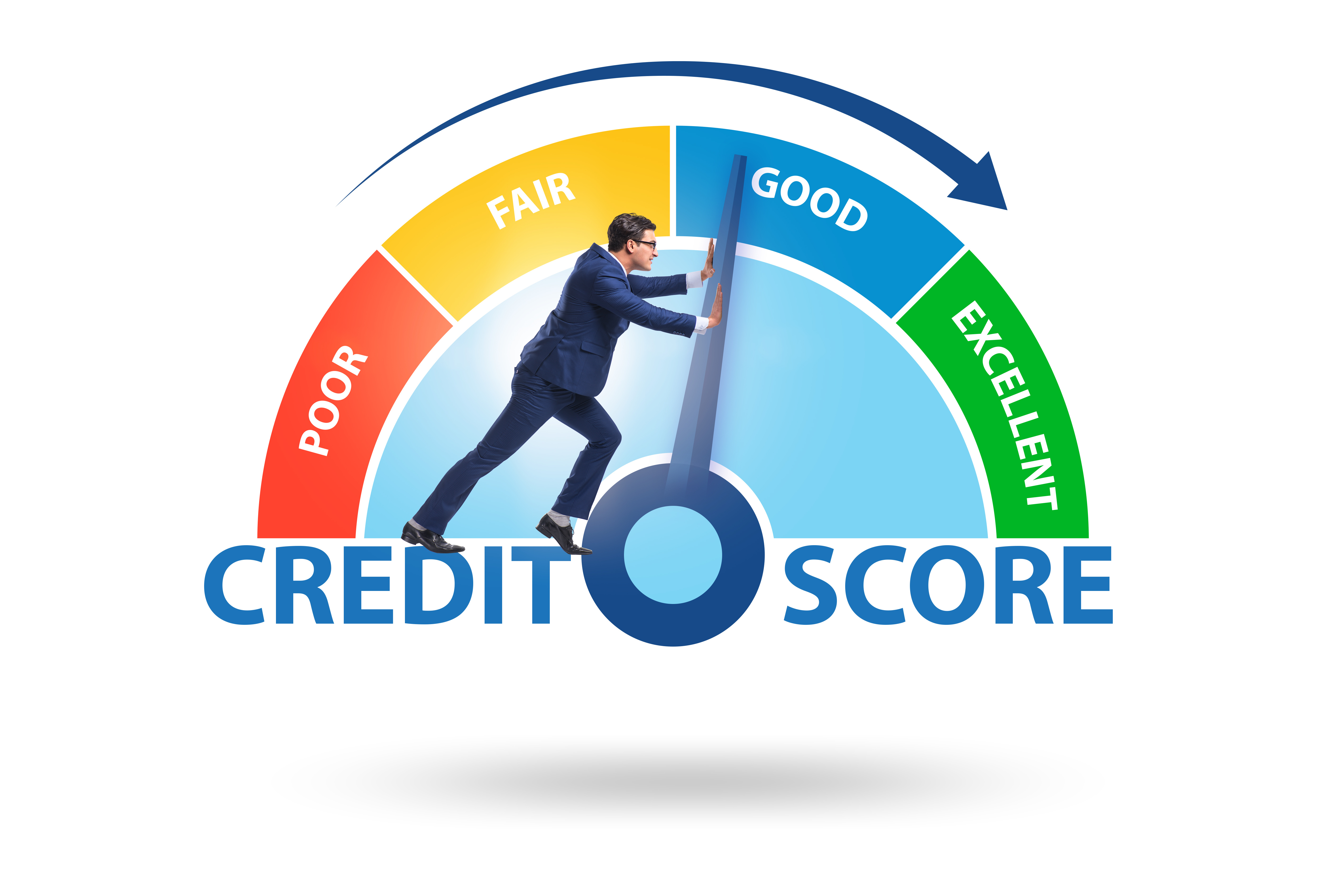
A good credit score is usually 670 or higher on the FICO scale. Scores above 740 are considered very good, and above 800 are excellent. Lenders use these ranges to decide your loan terms.
How Often Should I Check My Credit Report?
You should check your credit report at least once a year with each bureau. If you’re working on improvement, check every 3-6 months. This helps you catch errors or fraud quickly.
Can Paying Off A Loan Early Hurt My Credit Score?
Paying off a loan early doesn’t hurt your score, but it can affect your credit mix and average account age slightly. The impact is usually small. The benefits of less debt and interest often outweigh any minor score changes.
How Long Do Negative Items Stay On My Credit Report?
Most negative marks, like late payments or collections, stay for 7 years. Bankruptcies can remain for 7 to 10 years. The impact lessens over time, especially if you add new positive information.
Are Credit Repair Companies Worth It?
Most people don’t need to pay for credit repair. Anything a company can do, you can do yourself for free (like disputing errors). Be cautious—some companies make false promises. For more, see the FTC’s guide to credit repair scams.
Building and improving your credit score takes time, patience, and the right habits. Every step you take—whether it’s paying bills on time, keeping balances low, or checking your reports—brings you closer to your goal. A higher score is within reach for anyone willing to put in the effort.
Start today, and you’ll see the benefits in every part of your financial life.

