

Push-ups are one of the most popular and effective bodyweight exercises in the world. From professional athletes to people starting their first workout, push-ups help build strength, muscle, and endurance with no equipment needed. But while push-ups seem simple, doing them with the right form is not as easy as it looks.
Many people struggle to get results because of poor technique, wrong progressions, or not understanding how push-ups work best for their body.

36% off Today’s Exclusive Deals
Limited-time Exclusive Deals. Check current discount on Amazon.
Check Price on Amazon As an Amazon Associate I earn from qualifying purchases.If you want to master push-ups, avoid injuries, and see real progress, you need more than just general tips. In this guide, you’ll learn how to do push-ups step by step, why they matter, and how to avoid common mistakes.
You’ll also discover different push-up variations for all levels, how to build a push-up routine, and practical advice most beginners overlook.
Why Push-ups Matter
Push-ups have been a foundation of physical training for centuries. They offer benefits for nearly every fitness goal.
Total Body Strength: Push-ups target the chest, shoulders, and triceps, but they also work the core, back, and legs. Done correctly, a push-up is a full-body movement.
No Equipment Needed: You can do push-ups anywhere—at home, in a park, or while traveling.
Versatility: There are dozens of push-up variations. You can make them easier or harder, add speed for cardio, or focus on muscle endurance.
Functional Fitness: Push-ups train your body to move as a unit. This helps in sports, daily life, and injury prevention.
Burn Calories: A 155-pound person burns around 7 calories per minute doing push-ups. This adds up during circuit workouts.
Supports Heart Health: Studies show that people who can do 40+ push-ups have a lower risk of heart disease compared to those who can do less than 10.
Understanding Push-up Mechanics
Many people think push-ups are just about arm strength. In reality, they demand coordination from your whole body. Here’s what happens during a classic push-up:
- Lowering Phase: You bend your elbows and lower your body, keeping your back straight.
- Pushing Up: You press through your palms and straighten your arms, lifting your body back to the starting position.
The main muscles working are the pectoralis major (chest), deltoids (shoulders), triceps brachii (back of upper arms), and core muscles (including the abdominals and lower back).
How To Do A Standard Push-up
Follow these steps to perform a perfect push-up:
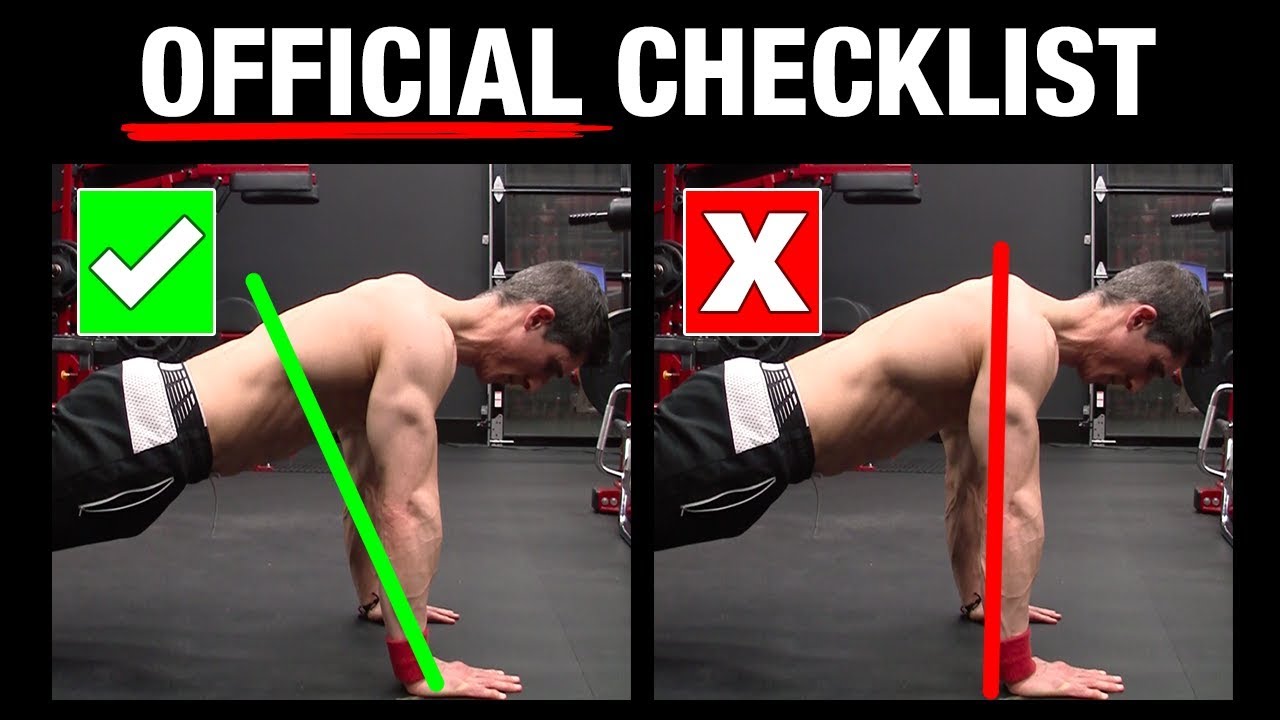
- Start in a plank position: Place your hands slightly wider than shoulder-width on the floor. Keep your feet together or slightly apart. Your body should form a straight line from head to heels.
- Engage your core: Tighten your abs and glutes. This keeps your hips from sagging.
- Lower your body: Bend your elbows to lower your chest toward the floor. Elbows should be at about a 45-degree angle from your body.
- Go as low as you can: Ideally, your chest should be about an inch above the ground.
- Push back up: Press through your palms to straighten your arms and return to the starting position.
Breathing: Inhale as you lower down, and exhale as you push up.
Common Push-up Mistakes And How To Fix Them
Even experienced exercisers make push-up mistakes. Here are the most common errors—and how to avoid them.
- Sagging Hips: Your lower back drops, making a “banana” shape. This puts stress on your spine.
- Fix: Engage your core and glutes. Imagine pulling your belly button toward your spine.
- Butt in the Air: Hips are too high, which reduces chest and arm work.
- Fix: Keep your body in a straight line, head to heels.
- Flaring Elbows: Elbows point out to the sides, which can hurt your shoulders.
- Fix: Keep elbows at about 45 degrees from your body.
- Partial Range of Motion: Not lowering all the way down or not fully extending at the top.
- Fix: Lower until your chest nearly touches the floor, and fully straighten your arms at the top.
- Hand Placement Too Wide/Narrow: This can reduce power or strain joints.
- Fix: Hands should be just wider than shoulder width.
- Neck Hanging Down: Looking at the floor can strain your neck.
- Fix: Keep your neck in line with your spine. Look slightly ahead of you.
How Many Push-ups Should You Do?
There’s no single answer. It depends on your fitness level and goals. However, here’s a general guideline based on age and gender:
| Group | Excellent | Good | Average | Poor |
|---|---|---|---|---|
| Men (20-29) | 54+ | 45-54 | 35-44 | Less than 35 |
| Women (20-29) | 48+ | 34-48 | 17-33 | Less than 17 |
| Men (30-39) | 44+ | 35-44 | 25-34 | Less than 25 |
| Women (30-39) | 39+ | 25-39 | 12-24 | Less than 12 |
These numbers are for unbroken sets—how many you can do in a row with good form. If you’re a beginner, don’t worry if you fall below average. Focus on improving your number each week.
Push-up Progressions For Beginners
Can’t do a full push-up yet? That’s normal. Most people start with easier versions and build up strength. Here’s a progression that works for almost everyone:
- Wall Push-Ups: Stand facing a wall, hands on the wall at shoulder height. Bend your elbows to bring your chest toward the wall, then push back.
- Incline Push-Ups: Place your hands on a sturdy bench or table. The higher the surface, the easier it is.
- Knee Push-Ups: From the floor, keep your knees on the ground. Lower your chest and push up, keeping your body straight from knees to shoulders.
- Negative Push-Ups: Start in a plank. Lower down slowly (3–5 seconds), then use your knees to push back up.
- Full Push-Ups: Move to the standard push-up when you can do 10–15 reps of the previous step with good form.
Tip: Don’t rush. Spend at least a week or two at each level before progressing.
Advanced Push-up Variations
Once you master the basic push-up, you can try harder variations to keep challenging your muscles.
- Diamond Push-Ups: Hands close together under your chest, forming a diamond shape with your fingers. This targets the triceps more.
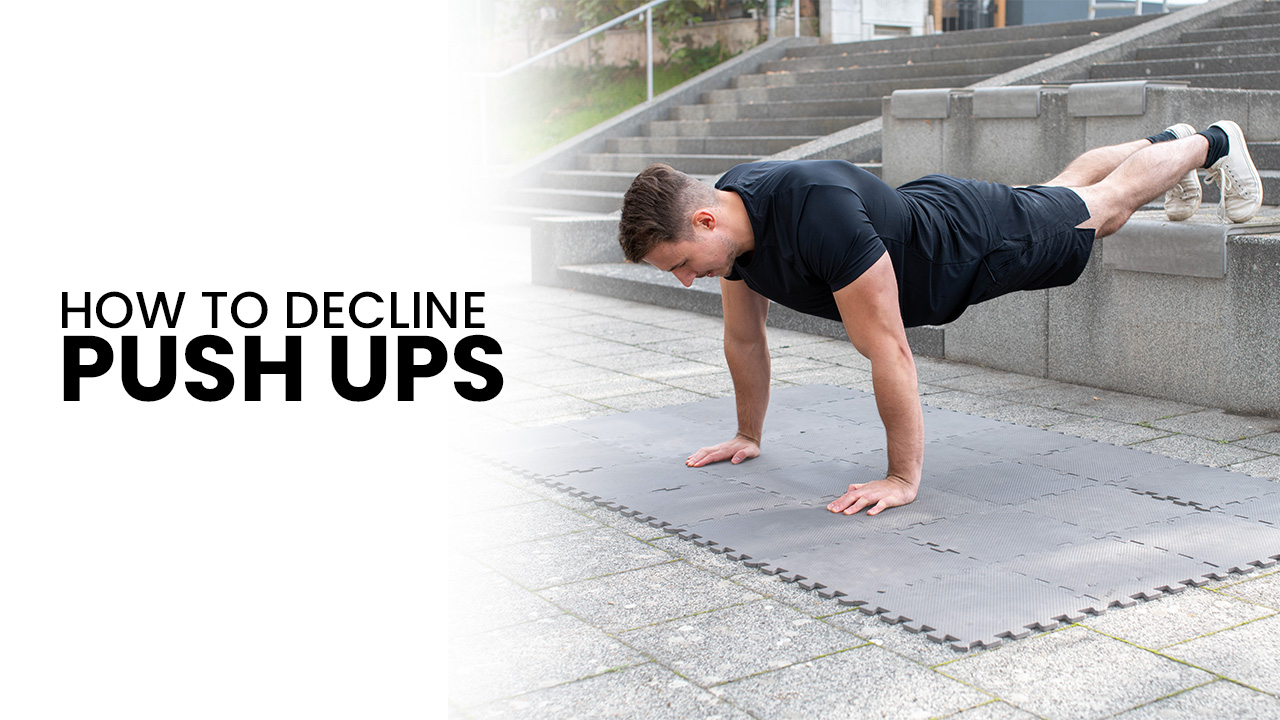
- Decline Push-Ups: Feet on a bench or step, hands on the ground. This increases the load on your upper chest and shoulders.
- Archer Push-Ups: Move your hands wider. As you lower, shift your weight to one side, straightening the other arm.
- Plyometric Push-Ups: Push up with enough force that your hands leave the ground. Good for power and athleticism.
- One-Arm Push-Ups: Only for advanced trainees. Spread your legs wide for balance and keep your elbow close to your body.
Warning: Move to advanced versions only after you can do 20+ standard push-ups with perfect form.
Push-ups Vs Other Chest Exercises
Push-ups are great, but how do they compare to other chest exercises like bench press or chest fly?
| Exercise | Equipment Needed | Main Muscles Worked | Difficulty to Learn | Joint Impact |
|---|---|---|---|---|
| Push-Up | None | Chest, triceps, shoulders, core | Easy/Medium | Low if done right |
| Bench Press | Barbell/Bench | Chest, triceps, shoulders | Medium/High | Medium |
| Chest Fly | Dumbbells/Bench | Chest, shoulders | Medium | Medium/High |
Insight: Push-ups activate the core and stabilizer muscles more than bench press or chest fly. However, you can add more weight to barbell exercises, which helps with maximum strength.
Creating A Push-up Workout Routine
Push-ups alone can be a workout, or you can add them to a full-body routine. Here’s how to build an effective plan:
For Beginners
- Start with 2–3 sets of 5–10 reps. Rest 60–90 seconds between sets.
- Try to add one more rep each week.
For Intermediate
- Do 3–4 sets of 12–20 reps. Use harder variations or slow the tempo for more challenge.
For Advanced
- Perform 4–5 sets of 20–40 reps, or use explosive/power variations.
- Try supersets (push-ups paired with another exercise) for added intensity.
Weekly Frequency: 2–4 times per week is ideal for most people. Give your muscles at least 48 hours to recover.
How To Make Push-ups Harder Or Easier
If you’re stuck or bored, change the difficulty level:
To Make Push-Ups Easier:
- Use a higher incline (hands on a table or wall)
- Drop to your knees
- Decrease range of motion (only partial movement, but only as a last resort)
To Make Push-Ups Harder:
- Wear a weighted vest or backpack
- Slow down the lowering phase (3–5 seconds down)
- Pause for 2 seconds at the bottom
Non-Obvious Tip: Changing your hand position even by an inch can make push-ups much harder or easier. Moving hands closer together works the triceps; wider works the chest and shoulders.
Push-ups For Different Goals
Push-ups can be customized for strength, endurance, muscle growth, or fat loss.
- Strength: Use harder versions (decline, archer, one-arm). Do 5–8 reps per set, rest 2–3 minutes.
- Muscle Growth (Hypertrophy): 8–15 reps per set, 60–90 seconds rest, use slow lowering.
- Endurance: 20+ reps per set, shorter rest periods.
- Fat Loss/Cardio: Do push-ups in circuits with other exercises, move quickly, limit rest.
Example: For fat loss, try 30 seconds of push-ups, 30 seconds of jumping jacks, repeat for 10 minutes.
Push-up Variations For Different Muscle Groups
You can target specific muscles by changing push-up technique:
- Wide-Grip Push-Ups: More chest, less triceps.
- Diamond Push-Ups: More triceps, inner chest.
- Staggered-Hand Push-Ups: One hand higher than the other, works the chest unevenly for extra challenge.
- Explosive Push-Ups: More focus on power and shoulders.
Safety Tips And Injury Prevention
Push-ups are safe for most people, but injuries can happen with poor form or overuse.
- Warm up first: Do 5–10 minutes of light cardio and arm circles.
- Don’t rush reps: Fast, sloppy push-ups stress your joints.
- Listen to your body: If you feel sharp pain, stop immediately.
- Rest: Don’t train push-ups hard every day, especially as a beginner.
Hidden Risk: Many people ignore wrist discomfort. Try using push-up handles or fists if your wrists hurt.
Tracking Your Push-up Progress
Keeping track helps keep you motivated and shows real improvement.
- Write down your reps and sets: Note the date and any changes (e.g., new variation).
- Test regularly: Every 2–4 weeks, do a max push-up test.
- Celebrate small wins: Even one more push-up is progress.
Pro Tip: Video yourself sometimes. You’ll see form errors you didn’t feel during the workout.
Push-ups For Different Body Types
Not everyone finds push-ups equally easy. Heavier people, or those with long arms, may find them tougher because more bodyweight is involved. If this is you:
- Start with incline or knee push-ups.
- Focus on form, not speed.
- Progress at your own pace.
Unique Insight: Your arm length and hand size can affect push-up comfort. Adjust your hand width slightly if you feel shoulder or wrist pain.
Combining Push-ups With Other Exercises
For the best results, include push-ups in a balanced workout. Pair them with:
- Pull exercises (like rows or pull-ups) for balanced upper body development
- Leg exercises (squats, lunges) for lower body strength
- Core exercises (planks, mountain climbers) for stability
Sample Circuit: 10 push-ups, 10 squats, 10 rows—repeat 3 times.

Push-ups For Women
There’s a myth that push-ups are only for men. In fact, women can get excellent benefits—better upper body strength, improved posture, and more confidence. Women may need to start with easier versions but can progress just as far as men.
In some fitness tests, women who practice regularly even outperform men in push-up endurance.
Push-ups For Kids And Older Adults
Push-ups are safe for children and older adults if done with proper technique.
- Kids: Great for coordination and strength. Use wall or knee push-ups.
- Older adults: Start with wall or incline push-ups. Go slowly, focus on form.
Safety Note: If you have medical issues, check with your doctor before starting a push-up program.
Real-world Examples And Case Studies
Case Study 1: John, age 35, started with knee push-ups. In 8 weeks, he went from 5 to 30 standard push-ups by adding 2 reps each week and following a structured routine.
Case Study 2: Maria, age 28, used incline push-ups after shoulder surgery. By tracking her sets and listening to her body, she returned to full push-ups without pain in 3 months.
Case Study 3: A high school soccer team added push-ups to their warm-up. After 10 weeks, the players improved their upper body strength, with average push-ups increasing from 12 to 25 per set.
Frequently Asked Questions
How Many Push-ups Should A Beginner Do?
Start with as many push-ups as you can do with perfect form, even if that’s just 2 or 3. Try for 2–3 sets. Add 1–2 reps each week. Over time, aim for 10–15 continuous push-ups.
Are Push-ups Enough For A Complete Workout?
Push-ups work your upper body and core well, but they don’t cover all muscle groups. For a complete workout, combine push-ups with leg and pull exercises.
Can Push-ups Build Muscle?
Yes, push-ups can build muscle, especially for beginners and intermediates. To keep building muscle, use harder variations, slow reps, or add weight as you get stronger.
Why Do My Wrists Hurt During Push-ups?
Wrist pain is common, especially if your hands are flat on the floor. Try using push-up handles, making fists, or adjusting your hand position. If pain continues, see a doctor or physical therapist.
Where Can I Find More Scientific Information About Push-ups?
You can read more about push-up technique and benefits at the Wikipedia Push-Up Article.
Push-ups are a proven way to build strength, improve your fitness, and stay healthy—no matter your age or ability. Start at your current level, focus on good form, and progress at your own pace. With consistency, push-ups can transform your body and confidence.

