

Losing belly fat is a top goal for many people. A flatter stomach often feels like a sign of good health and confidence. But belly fat is not just about looks. It’s linked to higher risks of heart disease, type 2 diabetes, and even some cancers.
You might have tried crunches, diets, or special drinks but found your belly fat stubborn. The truth is, there’s no magic trick. Understanding how belly fat works—and what really helps reduce it—can make your journey much easier and more successful.

36% off Today’s Exclusive Deals
Limited-time Exclusive Deals. Check current discount on Amazon.
Check Price on Amazon As an Amazon Associate I earn from qualifying purchases.This guide gives you real, science-backed advice on how to lose belly fat. You’ll learn why it’s hard to lose fat in this area, the best strategies for diet, exercise, and lifestyle, and some surprising tips that many beginners miss.
By the end, you’ll have a clear, practical plan to help you reach your goals.
What Is Belly Fat And Why Does It Matter?
Belly fat is not just the soft layer you can pinch. There are two types:
- Subcutaneous fat: The soft fat just under your skin.
- Visceral fat: The deeper fat around your organs.
Visceral fat is the real concern. It’s linked to insulin resistance, high blood pressure, and inflammation. Even if your weight is normal, too much belly fat can raise your health risks.
For example, in a large study, people with normal weight but extra belly fat had a higher risk of early death than those with more fat elsewhere. That’s why losing belly fat is important for everyone—not just for looks.
Why Is Belly Fat So Hard To Lose?
Many people notice that fat around the stomach is the last to go, even when they lose weight elsewhere. There are a few reasons:
- Hormones: Stress hormone cortisol can drive fat storage in the belly.
- Genetics: Some people naturally store more fat in the abdomen.
- Age: As you get older, muscle mass drops and fat increases, especially around the waist.
- Lifestyle: Sitting for long hours and poor sleep add to the problem.
Trying to “spot reduce” belly fat (like doing lots of sit-ups) doesn’t work. Losing fat from your stomach happens as you lower your overall body fat, but there are ways to target this area more effectively.
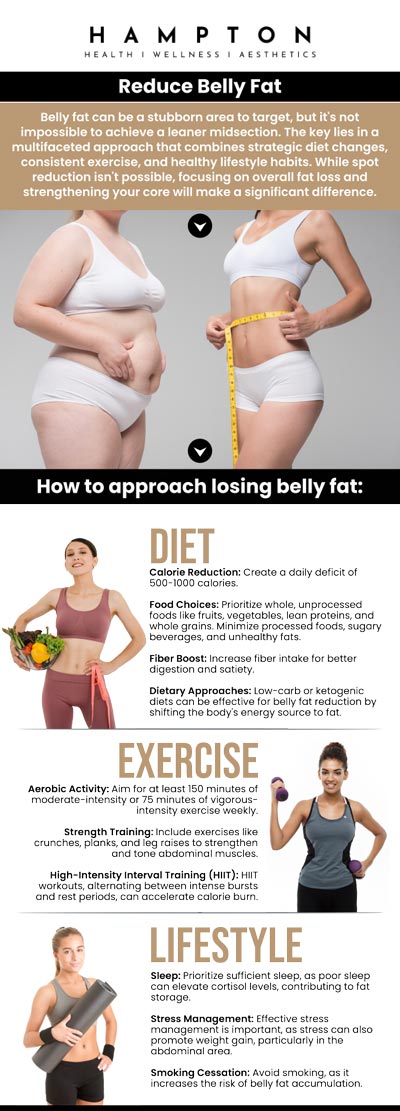
How Diet Affects Belly Fat
What you eat is the biggest factor in losing belly fat. A calorie deficit—eating fewer calories than you burn—is needed. But the quality of your food matters just as much.
Focus On Whole Foods
Eating whole foods helps you feel full and gives your body the nutrients it needs. Focus on:
- Lean protein (chicken, fish, beans)
- Vegetables (broccoli, spinach, peppers)
- Whole grains (brown rice, oats, quinoa)
- Healthy fats (avocado, nuts, olive oil)
- Fruits (berries, apples, oranges)
Watch Out For Added Sugar
Added sugar is a major cause of belly fat. Sugary drinks, candy, and even some “health” foods can pack in hidden sugars. Research shows people who drink a lot of sugar-sweetened beverages have much more belly fat.
Control Portion Sizes
Even healthy foods can add extra calories if you eat too much. Use simple tricks:
- Smaller plates
- Serve food in the kitchen, not at the table
- Wait 10 minutes before going for seconds
Sample Meal Swap
Here’s a simple swap for a belly-friendly lunch:
| High-Belly Fat Lunch | Healthier Swap |
|---|---|
| White bread sandwich | Whole grain wrap |
| Potato chips | Baby carrots or apple slices |
| Soda | Sparkling water with lemon |
The Role Of Exercise In Losing Belly Fat
Exercise is the best partner to a healthy diet. But not all exercise is equal when it comes to belly fat.
Cardio: Burn Calories And Fat
Cardio (like brisk walking, cycling, or swimming) helps burn calories and lowers overall body fat—including around your stomach. Aim for at least 150 minutes of moderate activity per week.
Strength Training: Build Lean Muscle
Strength training (using weights or bodyweight) is often overlooked. Muscle burns more calories at rest, so building muscle helps you lose fat faster. Focus on big movements like squats, push-ups, and lunges.
Hiit: High-intensity Interval Training
HIIT mixes short bursts of intense exercise with rest. Studies show HIIT can reduce belly fat more quickly than steady cardio. Try adding 1-2 HIIT sessions per week.
Here’s a comparison of different exercise types for belly fat loss:
| Exercise Type | Main Benefit | Time Needed per Week | Impact on Belly Fat |
|---|---|---|---|
| Cardio (e.g. jogging) | Burns calories | 150+ minutes | Moderate |
| Strength Training | Builds muscle | 60–90 minutes | High (when combined with diet) |
| HIIT | Boosts metabolism | 30–45 minutes | Very High |
| Crunches/Sit-ups | Tones muscles | Varies | Low (does not burn fat directly) |
Common Mistake: Only Doing Ab Exercises
Many beginners focus only on ab workouts. Crunches and planks can strengthen your core, but they won’t remove the layer of fat on top. Combining cardio, strength, and HIIT with a good diet is more effective.
The Impact Of Sleep And Stress
Two factors often ignored in fat loss are sleep and stress. Both can secretly sabotage your efforts.
Poor Sleep Leads To More Belly Fat
Not sleeping enough can raise your hunger hormones. Studies show adults who sleep less than 6 hours per night have more belly fat than those who get 7–9 hours. Try to stick to a regular sleep schedule, keep your room dark, and avoid screens before bed.
Stress Increases Cortisol
Chronic stress raises cortisol, a hormone that tells your body to store more fat—especially in the belly. Stress can also lead to emotional eating.
Practical tips to lower stress:
- Practice deep breathing or meditation
- Get regular physical activity
- Spend time with friends or family
- Take breaks from screens and social media
The Truth About “fat-burning” Supplements And Diets
You may see ads for pills, teas, or fad diets promising quick results. Most of these don’t work and some can be harmful.
Why Most Supplements Fail
Most “fat burners” contain caffeine or herbal stimulants. They might make you feel energetic, but don’t cause real fat loss. Some can cause side effects like anxiety or heart problems.
Are Special Diets Needed?
Low-carb, keto, or intermittent fasting can help some people lose weight, but the key is always a calorie deficit. If a diet feels too strict, it’s hard to stick with. Choose a plan that fits your lifestyle and allows you to eat foods you enjoy.
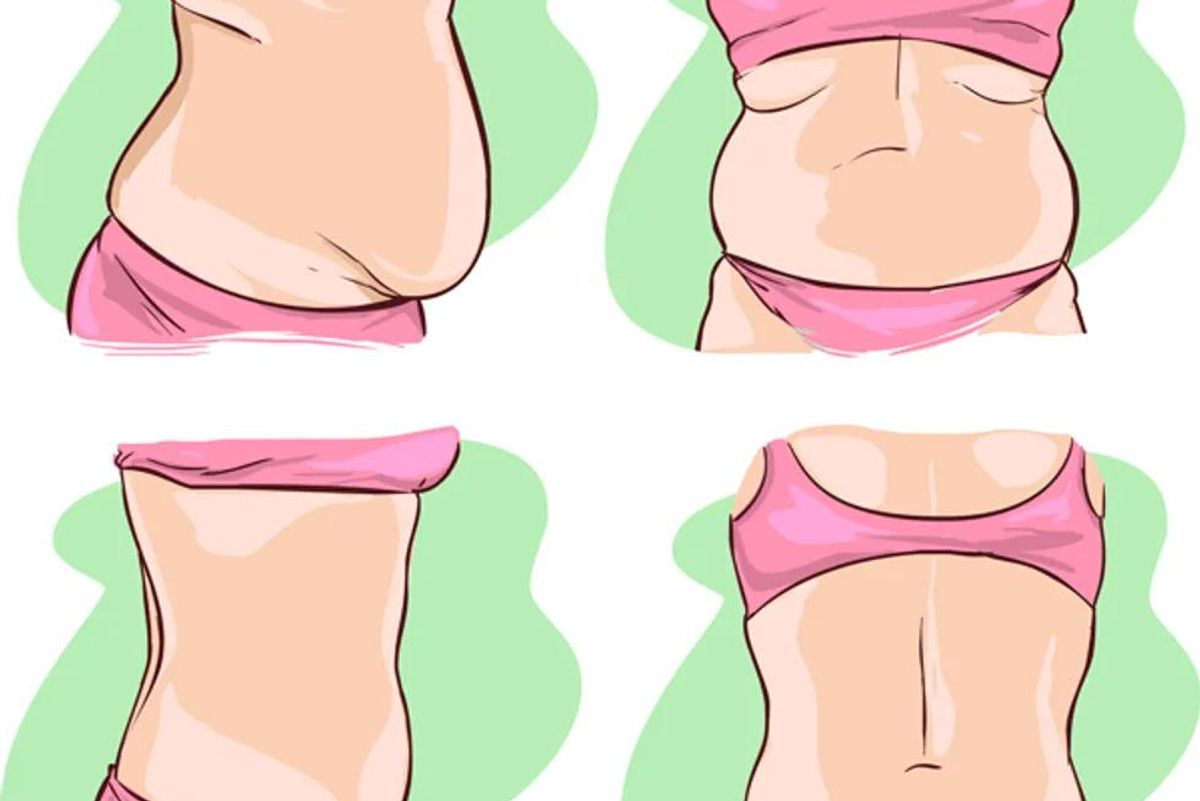
Simple Strategies That Work
Sometimes, the basics are what work best. Here are a few simple, proven strategies:
- Eat more slowly: This helps your brain realize you’re full before you overeat.
- Drink more water: Sometimes thirst is mistaken for hunger.
- Plan meals and snacks: Keeps you from grabbing unhealthy options when you’re hungry.
- Limit alcohol: Alcohol is high in empty calories and may increase belly fat storage.
- Get up and move: Even standing or stretching breaks during the day help burn extra calories.
Setting Realistic Goals And Tracking Progress
Many people quit because they expect results too quickly. Losing belly fat takes time and steady effort.
Healthy Rate Of Fat Loss
A safe and realistic goal is about 1–2 pounds per week. You may see faster loss at first, but this is often water weight.
How To Measure Progress
The scale can be misleading, especially if you’re building muscle. Other ways to track:
- Measure your waist with a tape measure
- Take progress photos every 2–4 weeks
- Notice how your clothes fit
Here’s a simple table comparing ways to track belly fat loss:
| Method | How to Use | Pros | Cons |
|---|---|---|---|
| Scale Weight | Weigh yourself weekly | Easy, quick | Can’t see fat vs muscle changes |
| Waist Measurement | Measure at belly button | Shows belly fat changes | Must measure same spot each time |
| Photos | Take monthly photos | Shows visual changes | Results are slow to appear |
| Clothing Fit | Notice tightness of pants | Real-life progress | Subjective, can change with laundry |
Two Insights Beginners Usually Miss
- You can’t out-exercise a bad diet. No matter how much you work out, eating too many calories or the wrong foods will stop belly fat loss. Many think an hour at the gym erases a day of poor eating—it doesn’t.
- Consistency matters more than perfection. Skipping one workout or having a treat is not the problem. It’s giving up after a small mistake that stops progress. Keep going, and small changes add up.
Why Belly Fat Loss Is Different For Men And Women
Men and women often store and lose fat in different ways. Men are more likely to gain fat in the stomach, while women may see more fat in hips and thighs—especially before menopause. After menopause, women’s belly fat often increases.
Hormones play a big role. Estrogen in women and testosterone in men affect where fat is stored. As hormone levels change with age, belly fat can become more stubborn. That’s why older adults may need to be even more careful with food choices, exercise, and stress.
Realistic Timeline: How Long Does It Take To Lose Belly Fat?
You might want fast results, but healthy fat loss is slow. For most people, visible changes in belly fat take at least 8–12 weeks. Some may see changes sooner, but the key is not to rush.
Trying to lose fat faster through crash diets often leads to muscle loss and quick weight regain. Patience is your best friend.
Combining Strategies For The Best Results
The most successful belly fat loss plans mix several strategies:
- Balanced, calorie-controlled diet
- Regular cardio and strength exercise
- Good sleep habits
- Stress management
- Tracking progress in multiple ways
If you focus on only one area, results will be slow or temporary. Combining these approaches helps you keep the fat off for good.
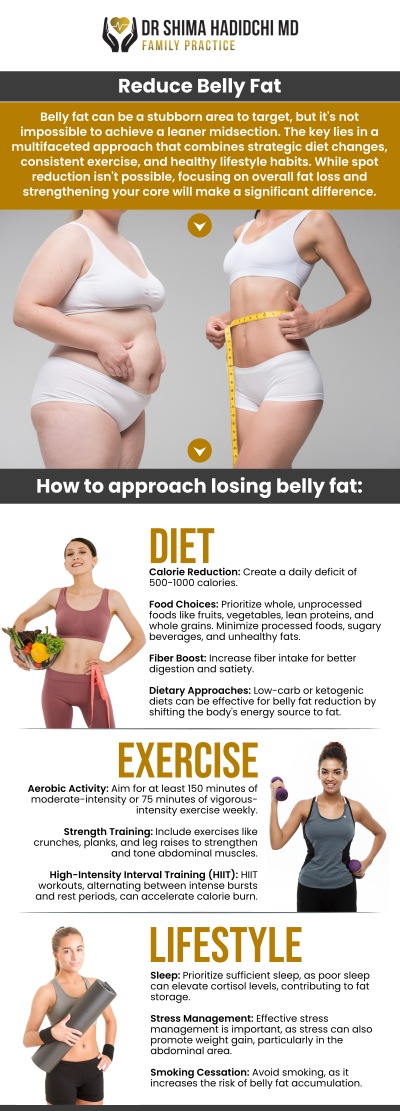
When To Seek Medical Help
If you follow healthy habits but still struggle with belly fat, some medical issues could be involved. Conditions like polycystic ovary syndrome (PCOS), thyroid problems, or certain medications can make weight loss harder.
It’s a good idea to talk to your doctor if:
- You gain weight quickly without changing your habits
- You have symptoms like tiredness, hair loss, or unusual periods
- You feel stuck for many months despite real effort
Your doctor can check for health problems and help you create a plan.
Frequently Asked Questions
What Foods Help Burn Belly Fat Fastest?
No food burns belly fat on its own, but some help you feel full and support fat loss. Good options include lean protein, fiber-rich vegetables, and whole grains. These keep you satisfied and prevent overeating. Avoid foods high in added sugar and refined carbs, as they encourage fat storage.
Is It Possible To Lose Belly Fat Without Exercise?
Yes, you can lose belly fat by eating fewer calories than you burn, even without exercise. But combining diet and exercise is more effective. Exercise helps keep your metabolism higher and keeps you from losing muscle along with fat.
How Much Belly Fat Is Unhealthy?
A waist size over 40 inches (102 cm) for men and 35 inches (88 cm) for women usually means a higher risk of health problems. Even if your weight is normal, a large waist can be risky. Measure your waist at the level of your belly button to check.
Do Detox Teas Or Waist Trainers Work For Belly Fat?
Detox teas mostly make you lose water, not fat. Waist trainers can make your waist look smaller temporarily but don’t remove fat. Neither are a long-term solution. Focus on healthy eating and exercise for real results. For more on healthy weight loss, check this CDC resource.
What Is The Best Exercise To Lose Belly Fat?
No single exercise removes belly fat alone. The best plan is a mix of cardio (walking, running), strength training (squats, push-ups), and HIIT workouts. This combination burns calories, builds muscle, and targets belly fat over time.
Losing belly fat takes patience, good habits, and a bit of self-kindness. Focus on small, steady changes, and remember—real progress is about health, not just looks. Stick with the basics, avoid quick fixes, and you’ll see real changes where it matters most.

