

Being productive is not just about working harder; it is about working smarter. Many people struggle to find the best ways to use their time, keep focus, and finish important tasks. If you often feel busy but do not accomplish much, you are not alone.
Productivity is a skill anyone can learn and improve, no matter your job or daily routine. This guide will help you understand what productivity really means, share proven methods, and give practical steps you can use right away. With real examples, useful data, and answers to common questions, you’ll discover how to be productive—not just once, but every day.

36% off Today’s Exclusive Deals
Limited-time Exclusive Deals. Check current discount on Amazon.
Check Price on Amazon As an Amazon Associate I earn from qualifying purchases.What Is Productivity?
Productivity means getting more done with less effort or time. It is about the quality and quantity of your work. For most people, it is not about being busy all the time. It is about achieving results. For example, finishing a project before the deadline or reaching your sales target.
In business, productivity is measured as output per hour. For individuals, it can be finishing daily tasks, learning a new skill, or spending more time with family. The goal is to make the best use of your time, energy, and resources.
Why Productivity Matters
Being productive helps you:
- Reduce stress
- Achieve goals faster
- Improve your career or business
- Enjoy more free time
In 2023, a survey by Statista showed that 65% of workers feel less stressed when they are productive. Companies with high productivity rates often earn more and grow faster. For individuals, productivity means you can balance work and life better.
Common Barriers To Productivity
Many people want to be productive but face obstacles. Recognizing these barriers is the first step to overcoming them.
Lack Of Clear Goals
Without clear goals, it is easy to waste time on unimportant tasks. When you do not know what matters most, your energy is spread thin.
Distractions
The average person checks their phone over 80 times a day. Social media, emails, and noisy environments make it hard to focus.
Poor Planning
If you do not plan your day, you may spend time on urgent but not important tasks. Last-minute changes and chaos can ruin your workflow.
Multitasking
Studies from Stanford University found that multitasking reduces productivity by 40%. When you switch tasks often, your brain needs time to refocus, which slows you down.
Lack Of Motivation
Without motivation, you may procrastinate or avoid difficult tasks. This leads to unfinished work and missed opportunities.
Setting Clear, Achievable Goals
One of the most important steps in being productive is setting goals. Goals give you direction and help you measure progress.
Using The Smart Method
SMART goals are:
- Specific: Clear and detailed
- Measurable: Easy to track
- Achievable: Realistic
- Relevant: Important to you
- Time-bound: Has a deadline
For example, instead of saying “I want to read more,” try “I will read one book per month for six months. ”
Breaking Down Goals
Large goals can feel overwhelming. Break them into smaller steps. If your goal is to launch a website, start with:
- Research website builders
- Create a design plan
- Write content for the homepage
- Set up hosting
Each step is easier to complete and keeps you motivated.
Planning Your Day For Maximum Productivity
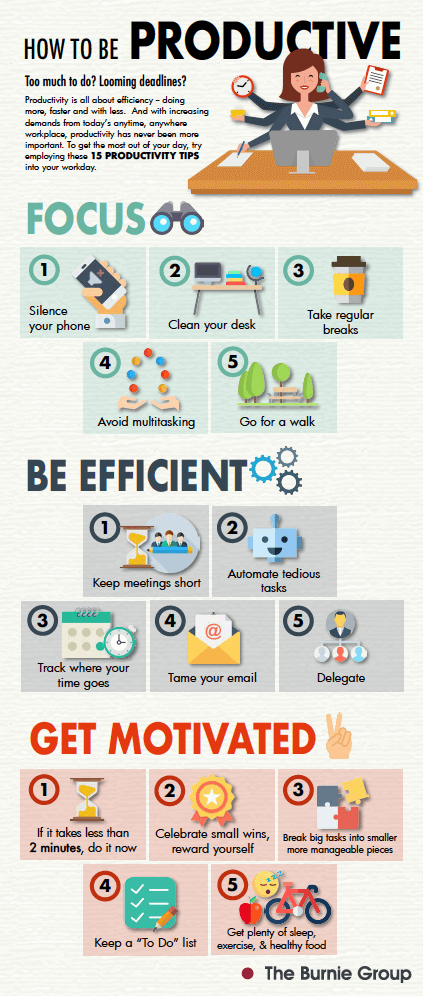
A well-planned day helps you stay focused and get more done. Here’s how to organize your time effectively.
Time Blocking
Time blocking means setting aside chunks of time for specific tasks. For example, you might block 9–11 a. m. for writing and 1–3 p. m. for meetings.
Studies show that time blocking increases productivity by up to 23%. It helps you avoid distractions and gives you a clear structure.
Prioritizing Tasks
Not all tasks are equal. Use the Eisenhower Matrix to decide what to do first:
| Urgent | Not Urgent |
|---|---|
| Important Do First |
Important Schedule |
| Not Important Delegate |
Not Important Eliminate |
Focus on tasks that are both important and urgent. Schedule important but not urgent tasks. Delegate or remove tasks that do not matter.
Using To-do Lists Wisely
A to-do list helps you remember tasks. But too many items can be stressful. Limit your list to 3–7 key tasks per day.
Try writing your list the night before. This gives you a clear start in the morning.

Managing Distractions And Staying Focused
Distractions are a major productivity killer. Learning to manage them is essential.
Digital Distractions
Turn off notifications for non-essential apps. Use tools like Focus Mode on your phone or browser extensions that block social media during work hours.
Physical Environment
Create a workspace that helps you focus. Keep your desk clean, use comfortable lighting, and minimize noise. Some people use noise-canceling headphones or play soft music.
The Pomodoro Technique
This method uses short bursts of focus and regular breaks. Work for 25 minutes, then take a 5-minute break. After four sessions, take a longer break.
A study found that the Pomodoro Technique can increase productivity by 15%. It helps prevent burnout and keeps your mind fresh.
Effective Time Management Strategies
Time management is the backbone of productivity. Good strategies make it easier to get things done.
The 80/20 Rule (pareto Principle)
The 80/20 Rule says that 80% of results come from 20% of efforts. Identify the most productive tasks and focus on them.
For example, if you are a salesperson, 20% of clients may give you 80% of sales. Spend more time with these clients.
Batch Processing
Batch similar tasks together. Instead of checking email all day, set two times to respond. This reduces switching and saves time.
Delegating
You do not have to do everything yourself. Delegate tasks that others can do, so you can focus on what matters most.
Avoiding Perfectionism
Perfectionism can slow you down. Aim for good enough—not perfect—especially for routine tasks.
Tools And Apps For Productivity
Many apps and tools can help you stay organized and productive. Here are some of the most popular:
| Tool/App | Main Use | Special Feature |
|---|---|---|
| Todoist | Task Management | Prioritization |
| Google Calendar | Scheduling | Time Blocking |
| Trello | Project Tracking | Kanban Boards |
| Forest | Focus | Grows virtual trees as you work |
| RescueTime | Time Analysis | Tracks computer usage |
Choose tools that fit your needs. Do not use too many at once; it can become confusing.
Building Habits For Long-term Productivity
Habits shape how you use your time and energy. Building good habits will make productivity automatic.
Start Small
Begin with small changes. If you want to wake up earlier, start by setting your alarm 10 minutes earlier each day.
Use Triggers
A trigger is something that reminds you to start a habit. For example, after drinking coffee, begin your most important task.
Track Progress
Keep a record of your habits. Mark off days when you finish your tasks. Seeing progress motivates you to continue.
Reward Yourself
When you complete a habit, give yourself a small reward. This could be a treat, a short walk, or time with friends.
Staying Motivated Over Time
Motivation is not always steady. Here are ways to stay energized and productive, even on tough days.
Find Your Why
Understand why you want to be productive. Is it for career success, personal growth, or family? Reminding yourself of your reasons helps you push through challenges.
Celebrate Wins
Even small achievements matter. Celebrate when you finish a project or reach a milestone. This keeps your spirits high.
Learn From Mistakes
When you fail or miss a goal, do not give up. Analyze what went wrong, and try again with new strategies.
Build A Support Network
Surround yourself with positive, motivated people. Share your goals and progress. Support from others increases your chance of success.
Productivity Myths And Facts
Many people believe myths about productivity. Let’s clear up some common misunderstandings.
Myth: Multitasking Makes You More Productive
Fact: Multitasking often leads to mistakes and slower progress. Focus on one task at a time for best results.
Myth: Longer Hours Mean Better Results
Fact: Working longer does not always equal more output. Quality matters more than quantity. Taking breaks helps you stay sharp.
Myth: Some People Are Born Productive
Fact: Productivity is a skill, not a trait. Anyone can learn and improve with practice.
Myth: You Need Expensive Tools
Fact: Simple methods like to-do lists, calendars, and focus techniques can be just as effective.
Real-life Examples Of Productivity
Seeing productivity in action can inspire you. Here are some real stories:
Sarah, A Freelance Designer
Sarah struggled with deadlines and distractions. She started using time blocking and the Pomodoro Technique. Now, she finishes projects faster and has more free time.
Tom, A Small Business Owner
Tom wasted hours on emails and meetings. He began batch processing tasks and delegating work. His business grew, and he felt less stressed.
Maria, A Student
Maria found it hard to study for exams. She set SMART goals and used a habit tracker. Her grades improved, and she felt more confident.
Productivity Statistics
Data can help you see the value of productivity. Here are some key numbers:
- 65% of workers feel less stressed when productive
- 40% reduction in productivity from multitasking
- 23% improvement from time blocking
- 15% increase using the Pomodoro Technique
- 80% of results come from 20% of efforts
These numbers show that small changes can make a big difference.
Comparing Popular Productivity Methods
Here is a quick comparison of popular methods:
| Method | Best For | Key Benefit | Limitations |
|---|---|---|---|
| Time Blocking | Structured workdays | Reduces distractions | Needs planning |
| Pomodoro Technique | Short tasks | Prevents burnout | May disrupt deep focus |
| SMART Goals | Long-term projects | Clear direction | Requires goal-setting skill |
| Batch Processing | Repetitive tasks | Saves time | Not for creative work |
Choose the method that matches your work style and needs.
Non-obvious Insights For Beginners
Most guides miss some key points. Here are two:
- Energy Management: Productivity is not just about time. Pay attention to your energy levels. Schedule tough tasks when you feel alert (for many, that’s morning). Save simple tasks for when you are tired.
- Daily Review: Spend 5 minutes at the end of each day reviewing what you achieved and what needs improvement. This builds self-awareness and helps you adjust your plan.
How To Recover When Productivity Drops
Everyone faces low-energy days. Here’s how to bounce back:
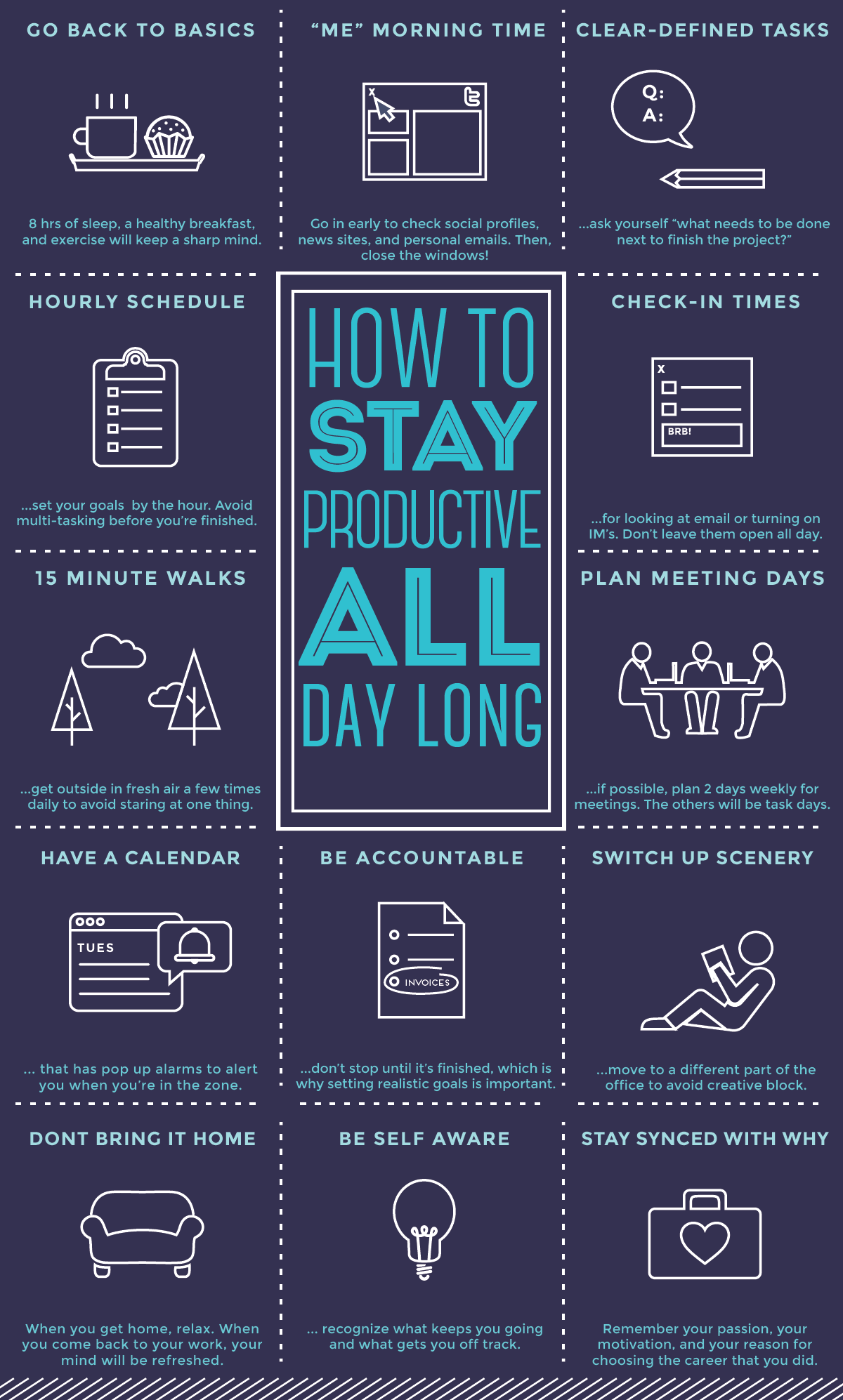
- Take a short walk or exercise
- Drink water and eat a healthy snack
- Review your goals and tasks
- Start with a small, easy task to build momentum
- Avoid negative self-talk
Sometimes, rest is the best way to recharge.
Practical Steps To Be Productive Every Day
Let’s bring all the ideas together. Here are simple steps you can use daily:
- Set clear, realistic goals for the day
- Plan your schedule using time blocking
- Use a short, focused to-do list
- Manage distractions (turn off notifications, clean workspace)
- Try the Pomodoro Technique for focus
- Batch similar tasks together
- Review your progress at the end of the day
If you follow these steps, you will see improvement within a week.
Frequently Asked Questions
How Can I Be Productive If I Have A Lot Of Interruptions?
Try time blocking and communicate your schedule to others. Use noise-canceling headphones or find a quiet space. Batch tasks that need full focus during low-interruption times.
Are Productivity Apps Worth It?
Apps are useful if they fit your workflow. Start with free versions and only upgrade if needed. Do not use too many apps; it can become distracting.
What Should I Do If I Feel Overwhelmed By My To-do List?
Prioritize the most important tasks. Use the Eisenhower Matrix to decide which tasks to do first. Break big tasks into smaller steps and remove non-essential items.
How Can I Motivate Myself To Start Difficult Tasks?
Find your “why” and remind yourself often. Start with a small part of the task, or use the Pomodoro Technique to make it less overwhelming. Celebrate progress, even if it is small.
Do I Need Expensive Tools To Be Productive?
No. Simple tools like notebooks, calendars, and free apps can be very effective. Focus on building habits and using methods that work for you.
Productivity is not about perfection. It is about progress, consistency, and learning what works best for you. With these strategies, you can achieve more in less time, reduce stress, and enjoy life’s rewards. For more research on productivity, visit Wikipedia. Start making small changes today, and soon you will see big results.

