

Watering plants may sound simple, but doing it right is an art and a science. If you want lush, healthy plants—indoors or outdoors—understanding how to water them properly is essential. Poor watering habits are one of the main reasons plants fail to thrive.
Too much or too little water can cause stress, disease, or even kill your plants. Many people think all plants need the same amount of water, but every plant is different. The right watering method depends on the plant species, pot size, soil type, weather, and even the time of day.

36% off Today’s Exclusive Deals
Limited-time Exclusive Deals. Check current discount on Amazon.
Check Price on Amazon As an Amazon Associate I earn from qualifying purchases.In this guide, you’ll discover how to water plants properly, avoid common mistakes, and help your plants flourish. Whether you grow houseplants, garden vegetables, or landscape shrubs, you’ll find practical tips, real examples, and expert advice for every situation. Plus, you’ll learn a few insights most beginners miss—like how water quality and pot material change your watering needs.
Let’s dive into the details that will make your plants healthier and your gardening easier.
Why Proper Watering Matters
Water is more than a drink for plants. It’s the main way they transport nutrients from the soil to their leaves and stems. Water also keeps plant cells firm, helps regulate temperature, and supports photosynthesis. When you get watering right, you support every part of a plant’s life.
Improper watering can cause:
- Root rot (from too much water)
- Wilting (from too little water)
- Leaf drop
- Slow growth
- Increased pest problems
Plants in containers are especially sensitive. They can dry out faster than those in the ground, but can also drown if water pools at the bottom. Outdoor plants face challenges like rainfall, sun, and wind, which all change how much water they need.
Understanding Your Plant’s Needs
Every plant has unique water requirements. Some, like succulents and cacti, thrive with little moisture. Others, like ferns and peace lilies, need consistently damp soil. To water plants properly, you must know what each type needs.
Factors Affecting Water Needs
- Plant Species: Tropical plants need more water than desert plants.
- Growth Stage: Seedlings and young plants need more frequent watering.
- Pot Size and Material: Small pots dry faster. Clay pots absorb water, while plastic holds it.
- Soil Type: Sandy soils drain quickly. Clay soils hold water longer.
- Light Exposure: Plants in bright light dry out faster.
- Humidity: Low humidity increases water loss.
- Temperature: Hotter weather means more evaporation.
Example: Watering Houseplants Vs. Garden Plants
| Factor | Houseplants | Garden Plants |
|---|---|---|
| Container Size | Small, dries quickly | Large root zone, dries slowly |
| Environment | Controlled, less wind | Variable, more wind and sun |
| Watering Frequency | Often 1-2 times per week | Depends on rainfall and soil |
If you remember just one thing: check each plant’s needs before watering. Labels, gardening books, and reliable websites can help.
Signs Of Overwatering And Underwatering
How can you tell if you’re watering correctly? Your plants will show you. Here are the main signs to watch for:
Overwatering
- Yellowing leaves
- Wilting (but soil feels wet)
- Soft or mushy stems
- Mold or fungus on soil
- Root rot (roots turn brown/black and mushy)
Underwatering
- Dry, crispy leaves
- Wilting (soil feels dry)
- Slow growth
- Soil pulling away from the pot edges
It’s easy to confuse wilting from too much water with wilting from too little. The difference: overwatered soil stays wet, while underwatered soil is dry. Always check the soil before deciding to water.
How To Check If Your Plant Needs Water
Guessing is risky. The best way to know if a plant needs water is to check the soil moisture. Here’s how:
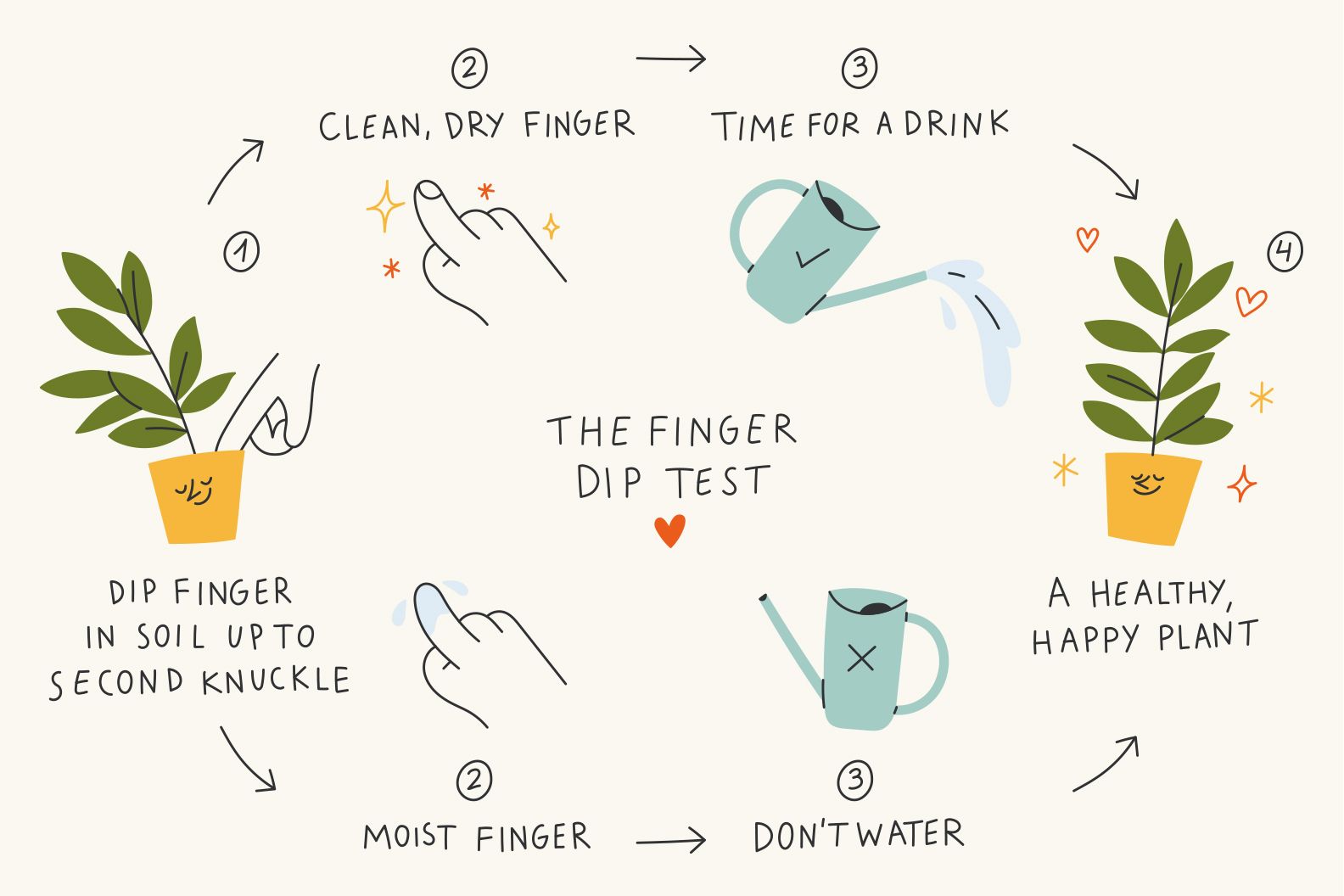
- Finger test: Stick your finger 1-2 inches into the soil. If it feels dry, it’s time to water. If it’s damp, wait.
- Wooden stick test: Insert a chopstick or wooden skewer into the soil. If it comes out clean and dry, water is needed. If it’s moist or has soil sticking to it, wait.
- Soil moisture meter: These tools give you a reading of how wet the soil is. They’re useful for beginners or if you have lots of plants.
For outdoor gardens, dig a small hole near the roots to check moisture at root depth.
Best Time Of Day To Water Plants
The timing of watering makes a big difference. The ideal time is early morning, when the sun is low and temperatures are cool. This allows water to soak into the soil before it evaporates. Evening can work too, but avoid watering late at night—wet leaves overnight can encourage disease.
For houseplants, water in the morning if possible. If that’s not practical, just avoid soaking leaves late in the day.
How Much Water To Use
There is no “one size fits all” answer. The goal is to moisten the root zone without leaving the soil soggy. For most plants, water until you see it start to drain from the bottom of the pot. For garden beds, water deeply so moisture reaches the main root zone (usually 6-12 inches deep).
Here’s a practical guideline:
- Small houseplants: 1/4 to 1/2 cup per watering
- Medium pots (6-10 inch): 1-2 cups
- Large pots: 2-4 cups
- Garden beds: 1 inch of water per week (about 0.6 gallons per square foot)
Always adjust based on your plant’s specific needs and the environment.

Watering Techniques: What Works Best
There are several ways to water plants. The right technique depends on the plant and where it’s growing.
Top Watering
Most common. Pour water onto the soil surface until it drains out the bottom.
Tips:
- Use a spouted watering can for control.
- Water slowly to avoid runoff.
- Avoid splashing leaves, especially for disease-prone plants.
Bottom Watering
Place the pot in a tray of water and let the soil soak up moisture from below. Good for plants sensitive to wet leaves.
How to do it:
- Fill a tray with 1-2 inches of water.
- Set the pot in the tray for 10-20 minutes.
- Remove the pot when the top soil feels moist.
Drip Irrigation And Soaker Hoses
Best for garden beds and large collections. These systems deliver water directly to the roots, reducing waste.
Misting
Spraying water on leaves. Only useful for tropical plants needing high humidity. Don’t rely on misting for main watering.
Comparison: Top Vs. Bottom Watering
| Method | Benefits | Drawbacks |
|---|---|---|
| Top Watering | Flushes out salts, easy for most plants | Can cause leaf spots, water runs off quickly |
| Bottom Watering | Prevents leaf disease, deep root soaking | Does not flush salts, slower process |
How Soil Affects Watering
Soil is more than just dirt. Its structure and composition control how much water is available to roots.
Types Of Soil
- Sandy: Drains quickly, needs more frequent watering.
- Clay: Holds water, but can become waterlogged.
- Loamy: Best balance—retains moisture but drains well.
For houseplants, use a potting mix designed for your type of plant. Cactus and succulent mixes dry faster. Orchid mixes are chunky and airy.
The Role Of Mulch
For outdoor plants, adding mulch (like bark or straw) on top of the soil reduces evaporation and keeps roots cool. This means you can water less often.
The Importance Of Drainage
Good drainage is critical for healthy roots. Without it, water builds up, causing roots to rot.
What To Look For
- Pots must have drainage holes. Never use a pot without them unless you’re an expert at careful watering.
- Use well-draining soil. Avoid using garden soil in pots.
- Elevate pots slightly off the ground so water can escape.
For garden beds, add organic material (like compost) to improve drainage in heavy clay soils.
Water Quality And Temperature
Not all water is equal. Tap water, rainwater, and filtered water all affect plants differently.
Tap Water
In most cities, tap water is safe for most plants. However, high levels of chlorine, fluoride, or salts can harm sensitive species (like spider plants or dracaenas).
Tip: Let tap water sit overnight before using, so some chemicals evaporate.
Rainwater
Rainwater is usually best—soft, chemical-free, and at the right temperature. If you can collect rainwater safely, use it for your plants.
Hard Water
Hard water contains minerals that can build up and harm plants over time. You might notice white crust on soil or pots.
Water Temperature
Cold water can shock roots. Room temperature (about 65-75°F) is best.
Watering Indoor Plants
Houseplants often struggle because indoor air is dry and pots are small. Here’s how to water them properly:
Step-by-step
- Check soil moisture first.
- Use room temperature water.
- Water until excess flows out the bottom.
- Empty saucers after 15-30 minutes to prevent roots sitting in water.
- Adjust frequency by season—plants grow more in spring/summer, less in fall/winter.
Practical Insights
- Group plants with similar needs together for easier care.
- Humidity trays (shallow trays with pebbles and water) help increase moisture around tropical plants.
- Self-watering pots can help if you travel or forget to water.
Watering Outdoor Gardens
Garden plants face wind, sun, and rain, so their water needs change often.
Deep, Infrequent Watering
It’s better to water deeply less often than to give small amounts every day. Deep watering encourages roots to grow down, making plants stronger and more drought-resistant.
Best Practices
- Water early in the morning.
- Water at the base of the plant, not the leaves.
- Use mulch to keep soil moist.
- Adjust for rain—don’t water if it just rained.
Special Considerations
- Sloped gardens dry out faster at the top.
- Raised beds need more frequent watering than in-ground beds.
- Vegetable gardens often need 1-2 inches of water per week, depending on the crop.
How Pot Material Changes Watering
The material of your pot changes how fast water leaves the soil.
| Pot Material | Water Retention | Ideal For |
|---|---|---|
| Terracotta/Clay | Loses water quickly | Cacti, succulents |
| Plastic | Holds water longer | Thirsty tropical plants |
| Ceramic (glazed) | Moderate water retention | Most houseplants |
| Metal | Dries quickly, can heat up | Short-term use only |
If your plant is wilting even when watered regularly, check the pot material—it might be drying out too fast or holding too much moisture.
Common Watering Mistakes (and How To Avoid Them)
Many plant lovers make the same mistakes. Being aware of these can save your plants:
- Watering on a schedule, not by need: Plants don’t always need water every week. Always check soil moisture.
- Letting water sit in saucers: Leads to root rot. Always empty saucers.
- Watering leaves instead of soil: Can cause fungal diseases.
- Using cold water: Can shock roots.
- Overcrowding pots: Roots compete for water, making even watering difficult.
- Ignoring plant signals: Wilting, yellowing, or leaf drop are signs something is wrong.
An insight most beginners miss: plants need less water in winter because they grow more slowly. Overwatering is more dangerous when plants are dormant.
Adapting Watering To Seasons
Plants’ water needs change with the seasons. In spring and summer, most plants grow quickly and need more water. In fall and winter, growth slows, and less water is needed.
Tips:
- Check soil more often in hot or windy weather.
- Reduce watering as temperatures drop.
- Move potted plants out of direct sun in extreme heat to reduce water loss.
Special Tips For Different Types Of Plants
Succulents And Cacti
- Let soil dry out completely between waterings.
- Use pots with drainage holes and a gritty mix.
Tropical Plants (monstera, Ferns, Calatheas)
- Keep soil evenly moist, but not soggy.
- Increase humidity with trays or grouping.
Flowering Plants (roses, Geraniums)
- Water at the base to keep leaves dry.
- Mulch helps retain soil moisture.
Edible Plants (tomatoes, Lettuce, Herbs)
- Water consistently for best flavor and growth.
- Avoid overhead watering to prevent disease.
When To Adjust Your Watering
Sometimes, even if you follow all the best practices, your plant may need more or less water. Adjust your routine if you notice:
- Slower growth than usual
- Leaves dropping or changing color
- Soil stays wet or dry for too long
If weather changes suddenly—like a heat wave—plants may need more water. After heavy rain, skip watering until the soil dries out.
Non-obvious Insights For Smart Watering
Many beginners miss these advanced tips:
- Group pots by water needs: Place thirsty plants together and drought-tolerant plants separately.
- Rotate pots: Turning pots can help soil dry evenly and prevent mold.
- Use a calendar for new plants: Track how often you water until you learn their rhythm.
- Add organic matter to outdoor soil: This helps regulate water retention naturally.
These small habits make a big difference, especially if you care for many plants.
Frequently Asked Questions
What Is The Best Way To Water Houseplants?
The best method is to water until excess drains from the pot’s bottom, then empty the saucer. Check soil moisture with your finger before each watering.
How Can I Tell If My Plant Needs More Or Less Water?
Feel the soil. If it’s dry 1-2 inches down, water. If it’s damp, wait. Watch for yellowing or wilting leaves—these are signs of water stress.
Is It Better To Water In The Morning Or Evening?
Morning is best. Watering in the morning reduces evaporation and disease risk. Evening is okay, but avoid wetting leaves late at night.
Can I Use Tap Water For All Plants?
Most plants are fine with tap water, but sensitive species may react to chlorine or fluoride. Let tap water sit overnight, or use rainwater when possible. For more details on water quality and plant health, see this Wikipedia article.
How Often Should I Water My Garden During A Heat Wave?
Check the soil daily. Most gardens need more frequent watering during extreme heat—sometimes daily for shallow-rooted plants. Always water deeply to reach the roots.
Getting watering right is one of the most important skills for plant health. By understanding your plant’s specific needs, checking soil moisture, and adjusting to the environment, you’ll see stronger, happier plants. With practice, you’ll develop a natural sense for when and how much to water, making gardening less stressful and more rewarding.
Remember—plants are living things that change with the seasons and their surroundings. Treat watering as a dynamic process, and you’ll become a confident, successful plant caregiver.

