

Raising chickens is becoming more popular around the world. People want fresh eggs, healthy meat, and a closer connection to their food. Chickens are not just farm animals—they can be friendly pets and part of your daily routine. But starting with chickens is not as simple as buying a few birds and tossing them in your backyard.
It takes planning, care, and a bit of knowledge. This guide will help you understand everything needed to raise chickens successfully, whether you want just a few hens for eggs or a larger flock. You’ll learn about housing, feeding, health, breeds, and practical tips that many beginners miss.

36% off Today’s Exclusive Deals
Limited-time Exclusive Deals. Check current discount on Amazon.
Check Price on Amazon As an Amazon Associate I earn from qualifying purchases.By the end, you’ll feel confident to start your own flock and enjoy the benefits of raising chickens.
Choosing The Right Chicken Breeds
Picking the right breed is the first step. Not all chickens are the same. Some lay many eggs, others grow faster for meat, and some are good for both. Consider your goals and your climate before choosing.
| Breed | Eggs/Year | Temperament | Best For |
|---|---|---|---|
| Rhode Island Red | 250-300 | Hardy, friendly | Eggs & meat |
| Leghorn | 300-320 | Active, independent | Eggs |
| Plymouth Rock | 200-250 | Calm, gentle | Eggs & meat |
| Silkie | 100-120 | Docile, friendly | Pets |
| Cornish Cross | 60-80 | Fast-growing | Meat |
If you live in a cold area, look for hardy breeds like Rhode Island Reds or Plymouth Rocks. For hot climates, Leghorns and Australorps do well. If you want chickens mainly for eggs, Leghorns are famous for their high output. For meat, Cornish Cross is the top choice. For both eggs and meat, look for dual-purpose breeds. Friendly breeds like Silkies are great for families and children.
Setting Up A Chicken Coop
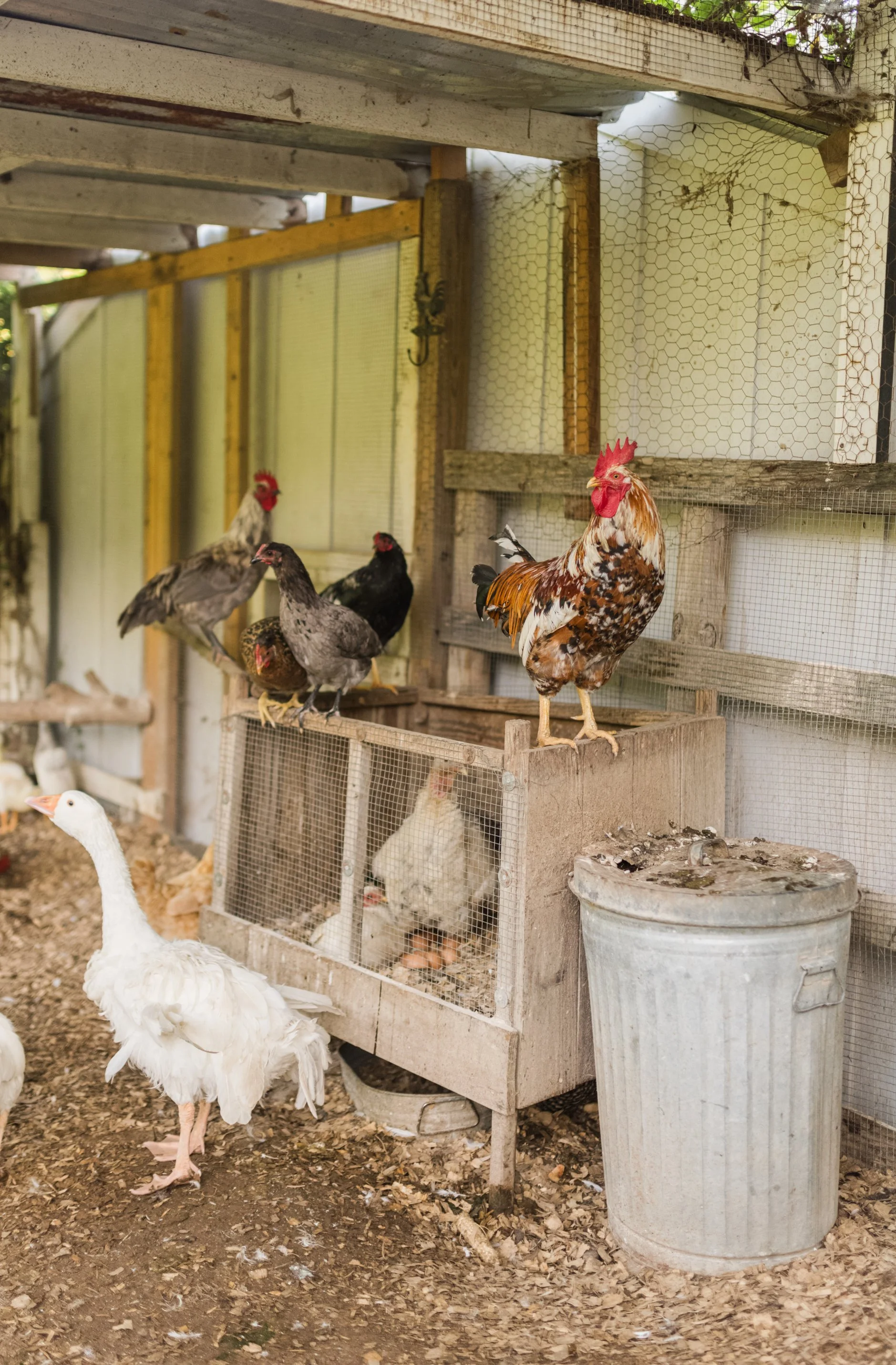
The chicken coop is where your flock sleeps, lays eggs, and stays safe. Building or buying a good coop is essential. Size matters—a crowded coop causes stress, disease, and fights.
A standard rule: 3–4 square feet per chicken inside the coop, and 8–10 square feet per chicken in the outdoor run. For example, if you have six hens, your coop should be at least 18–24 square feet.
Coop Features To Consider
- Ventilation: Chickens need fresh air to avoid respiratory issues. Windows or vents are a must.
- Roosts: Chickens sleep on elevated bars. Allow 8–10 inches of roost space per bird.
- Nest boxes: One box for every 3–4 hens. Fill with straw or wood shavings.
- Predator protection: Use strong wire mesh (not chicken wire—it’s too weak). Secure doors and windows.
- Easy cleaning: Removable trays or floors help keep things tidy.
Coop Placement
Put the coop on high ground to prevent flooding. Face windows to the east or south for morning sunlight. Avoid placing the coop near busy roads or noisy areas.
Feeding Chickens For Health And Productivity
Feeding chickens properly is crucial for their health and egg production. Chickens need a balanced diet of grains, proteins, vitamins, and minerals.
| Feed Type | Main Ingredients | Use | Protein % |
|---|---|---|---|
| Starter | Corn, soybean meal | Chicks (0–6 weeks) | 20–22 |
| Grower | Corn, wheat | Young chickens (6–20 weeks) | 16–18 |
| Layer | Corn, oyster shell | Adult hens (egg laying) | 16 |
| Scratch grains | Mixed grains | Snack/supplement | 8–10 |
Feeding Tips
- Give layer feed to adult hens for strong eggshells.
- Provide fresh water daily—dirty water spreads disease.
- Add oyster shell or crushed eggshells for extra calcium.
- Offer kitchen scraps, but avoid onions, chocolate, and raw potatoes.
Many beginners forget to offer grit. Chickens need grit (small stones) to digest food. Without grit, they cannot grind grains properly.
Managing Chicken Health
Healthy chickens are happy and productive. Watch for signs of illness: pale combs, droopy wings, sudden stop in egg laying, and changes in droppings.
Common Diseases And Prevention
- Marek’s Disease: Causes paralysis. Vaccinate chicks at hatch.
- Coccidiosis: Affects young birds. Keep coop dry and clean; use medicated feed if needed.
- Respiratory infections: Good ventilation and cleanliness help prevent.
- External parasites: Lice and mites cause itching and feather loss. Dust baths and regular checks prevent infestations.
Vaccination is often overlooked by beginners. Ask your local vet or hatchery about vaccines recommended in your area.
Biosecurity Measures
Keep new birds separate for two weeks before adding them to your flock. Wash hands and boots before entering the coop. Don’t let wild birds mix with your chickens—they can spread disease.
Handling And Caring For Chicks
Raising chicks is exciting, but they are fragile. They need warmth, safety, and special feed.
Brooder Setup
A brooder is a warm, safe space for chicks. Use a box or small pen with a heat lamp.
- Temperature: 95°F (35°C) for first week, decrease 5°F each week.
- Lining: Use paper towels (avoid slippery surfaces).
- Food: Starter feed with 20–22% protein.
- Water: Shallow dishes to prevent drowning.
Chicks pile up when cold and spread out when hot. Adjust heat accordingly.
Handling Tips
Handle chicks gently and wash hands before and after. Too much handling can cause stress. Keep pets away from chicks, especially in the first weeks.
Egg Production And Collection
Eggs are the main reason many people raise chickens. Hens start laying at 5–6 months old. They need good feed, clean nest boxes, and proper lighting.
Maximizing Egg Production
- Feed layer pellets with extra calcium.
- Keep nest boxes clean and collect eggs daily.
- Provide 14–16 hours of light per day—use artificial light in winter.
Eggs left too long in nest boxes can attract pests or become dirty. Collect eggs every morning and evening for best results.
Egg Storage
Store eggs in a cool, dry place. If you wash eggs, use warm water and dry them quickly. Unwashed eggs last longer because they keep their natural protective coating.
Raising Chickens For Meat
If you want chickens for meat, choose fast-growing breeds like Cornish Cross. Meat chickens need different care than egg layers.
Meat Chicken Care
- Feed high-protein grower feed (18–22%).
- Give plenty of space—crowded birds grow poorly.
- Monitor for leg problems and heart issues—common in fast-growing breeds.
Slaughter age is usually 6–8 weeks for Cornish Cross, 12–16 weeks for dual-purpose breeds.
Common Mistakes Beginners Make
Many new chicken keepers make avoidable mistakes. Here are some of the most common:
- Underestimating space needs: Crowded chickens get sick.
- Ignoring ventilation: Poor air leads to disease.
- Feeding wrong diet: Chicks, layers, and meat birds need different feeds.
- Skipping grit: Chickens need grit to digest food.
- Neglecting predator protection: Raccoons, foxes, and dogs can break into weak coops.
- Not quarantining new birds: Diseases spread quickly.
- Overhandling chicks: Too much stress can kill them.
- Leaving eggs in the nest: Attracts pests and lowers egg quality.
- Not checking for mites: Chickens can lose feathers and stop laying.
- Missing vaccines: Some diseases are preventable with simple shots.

Integrating Chickens Into Your Yard Or Garden
Chickens can help your garden—they eat bugs and provide fertilizer. But you need to plan carefully.
Benefits
- Chickens eat weeds, grubs, and beetles.
- Their droppings are high in nitrogen—great for compost.
- You get fresh eggs and meat right at home.
Challenges
Chickens scratch and peck. They may destroy young plants if not controlled. Use movable fences or chicken tractors to protect your garden.
Legal And Community Considerations
Before you start, check local laws. Some cities limit flock size or ban roosters. Others require permits or specific coop designs.
Key Points
- Research your city or county regulations.
- Talk to neighbors—chickens can be noisy and smelly if not managed.
- Plan for waste disposal—chicken manure needs proper handling.
In some areas, roosters are banned due to noise. Hens are quieter and easier to keep.

Practical Tips For Successful Chicken Keeping
Success comes from good habits and practical knowledge. Here are some proven tips:
- Clean the coop weekly to reduce smell and disease.
- Use deep bedding (wood shavings or straw) for warmth and cleanliness.
- Rotate chickens in the yard for healthy grass and soil.
- Keep a first-aid kit: Wound spray, tweezers, and electrolytes.
- Record egg counts and feed usage to track flock health.
Many experienced keepers recommend using automatic feeders and waterers to save time.
Comparing Backyard And Commercial Chicken Raising
Backyard chicken keeping is different from commercial farming. Here’s a quick comparison:
| Aspect | Backyard | Commercial |
|---|---|---|
| Flock Size | 2–20 birds | 1000s of birds |
| Feed Type | Mixed, home-sourced | Specialized, bulk |
| Egg Collection | Manual | Automated |
| Space per Bird | More space | Less space |
| Purpose | Eggs, meat, pets | Eggs, meat (sale) |
Backyard chickens often live longer and have better lives. You control their feed and health. Commercial farms focus on efficiency, but birds may have less space.
Cost Of Raising Chickens
Understanding costs helps you plan your flock. Here’s a breakdown for a small backyard setup (6 hens):
- Coop: $200–$700 (DIY or purchased)
- Feed: $15–$25/month
- Chicks: $3–$5 each
- Bedding: $10–$20/month
- Equipment: $50–$100 (feeders, waterers)
- Vaccines/health: $20–$50/year
Eggs from backyard chickens cost about $2–$3 per dozen, including all expenses. Commercial eggs may be cheaper, but backyard eggs are fresher and tastier.
Getting Started: Step-by-step
Starting your flock is simple if you follow these steps:
- Research breeds and buy chicks or pullets from a reputable source.
- Build or buy a secure, well-ventilated coop.
- Prepare a brooder for chicks if starting from day-old birds.
- Buy correct feed for your birds’ age and type.
- Set up feeders, waterers, and nest boxes.
- Check local laws and inform neighbors.
- Collect eggs daily and monitor flock health.
- Clean the coop regularly and change bedding.
Many beginners overlook the importance of starting with healthy birds. Always buy from trusted hatcheries or breeders.
Frequently Asked Questions
How Many Chickens Should I Start With?
Most beginners start with 4–6 hens. This provides enough eggs for a small family and is easy to manage. If you have space and experience, you can keep more.
Can I Keep Chickens In Cold Climates?
Yes, but choose hardy breeds and insulate your coop. Make sure chickens have dry bedding and block drafts. Chickens can handle cold if they are dry and protected.
What Do Chickens Eat Besides Feed?
Chickens love grains, vegetables, fruits, and insects. They can eat kitchen scraps like rice, bread, and cooked vegetables. Avoid giving them salty, sugary, or spoiled foods.
How Often Should I Clean The Chicken Coop?
Clean the coop at least once a week. Remove old bedding, scrub surfaces, and check for pests. In winter, use deep bedding to reduce cleaning frequency.
Do I Need A Rooster For Hens To Lay Eggs?
No, hens lay eggs without a rooster. Roosters are needed only if you want fertilized eggs for hatching. Roosters can be noisy and are not allowed in some areas.
Raising chickens gives you fresh food, teaches responsibility, and brings joy to your yard. With careful planning and daily care, your flock can thrive for years. Remember, every chicken keeper learns something new every day—stay curious, pay attention, and enjoy the journey. For more in-depth information, visit Wikipedia.

