

Traveling the world is a dream for many, but high costs can turn that dream into a challenge. If you think travel is only for the rich, think again. With smart planning and a little creativity, you can see new places without breaking the bank.
Whether you want to explore famous cities or relax on a quiet beach, budget travel opens doors for everyone. In this article, you’ll learn practical ways to cut costs, avoid common mistakes, and still enjoy a rich travel experience. Get ready to discover how to travel on a budget—without sacrificing comfort or adventure.

36% off Today’s Exclusive Deals
Limited-time Exclusive Deals. Check current discount on Amazon.
Check Price on Amazon As an Amazon Associate I earn from qualifying purchases.Planning Your Budget Trip
The first step to affordable travel is careful planning. Many people skip this step, but it can save you hundreds of dollars and lots of stress.
Set A Realistic Budget
Before you book anything, decide how much you can spend. Consider all costs: flights, accommodation, food, transport, activities, and shopping. Use a simple spreadsheet or budgeting app to track your expenses.
- Flight: $200–$800 (depends on destination)
- Accommodation: $10–$50 per night (hostels, budget hotels)
- Food: $5–$20 per day (local restaurants, groceries)
- Transport: $10–$30 per day (buses, trains)
- Activities: $0–$50 per day (free walks, entry fees)
- Miscellaneous: $50–$100 (souvenirs, emergencies)
Choose Affordable Destinations
Some places are much cheaper than others. Research countries or cities where your money goes further. Southeast Asia, Eastern Europe, and parts of South America offer great value.
| Destination | Average Daily Cost (USD) | Why It’s Cheap |
|---|---|---|
| Thailand | $30 | Affordable food, cheap hotels, easy transport |
| Romania | $35 | Low-cost accommodation, free attractions |
| Mexico | $40 | Budget-friendly street food, public buses |
| Vietnam | $28 | Cheap hostels, inexpensive tours |
Non-obvious tip: Avoid places during festivals or peak seasons. Prices for hotels and flights can double or triple.
Book Early And Stay Flexible
Booking flights and hotels early often gives you the best price. But flexibility also helps. If your dates or destination can change, you can grab last-minute deals or cheaper tickets. Use price alert tools like Skyscanner or Google Flights.
Finding Cheap Flights
Airfare is usually the biggest travel expense. But you don’t have to pay full price if you know where to look.
Use Flight Comparison Websites
Platforms like Skyscanner, Kayak, and Google Flights help you find the lowest fares. Compare different airlines, dates, and nearby airports.
Be Flexible With Dates
Flying mid-week is often cheaper than weekends. Avoid holidays and school breaks if possible. If you have flexible travel dates, use fare calendars to spot the cheapest days.
Consider Budget Airlines
Many airlines offer no-frills tickets for lower prices. Examples include AirAsia, EasyJet, and Spirit Airlines. These airlines cut costs by charging extra for luggage, food, and seat selection.
| Airline | Region | Average Savings (%) |
|---|---|---|
| AirAsia | Asia | 30% |
| Ryanair | Europe | 40% |
| Spirit Airlines | USA | 25% |
Hidden insight: Budget airlines often fly to smaller airports. Check the location—getting to the city may cost extra.
Look For Error Fares
Sometimes airlines post wrong prices by mistake. Websites like Secret Flying and Airfare Watchdog list these deals. You need to book quickly, but can save hundreds.
Affordable Accommodation
Where you sleep can eat up your budget, but you don’t need expensive hotels to enjoy your trip.
Hostels And Guesthouses
Hostels are popular with backpackers. They offer shared rooms, kitchens, and social spaces. Many have private rooms for a little extra. Guesthouses and family-run hotels also offer good value.
- Dorm bed: $10–$20 per night
- Private room: $25–$40 per night
Short-term Rentals
Platforms like Airbnb let you rent apartments or rooms from locals. This is often cheaper than hotels, especially for groups. You can cook your own meals and get local tips.
Couchsurfing
Couchsurfing connects travelers with locals who offer a free place to sleep. It’s a great way to meet people and learn about the city.
Non-obvious tip: Some hostels and guesthouses offer free breakfast, Wi-Fi, or laundry. Compare amenities before booking.
Comparison: Accommodation Types
| Type | Cost (per night) | Best For | Extra Benefits |
|---|---|---|---|
| Hostel | $10–$20 | Solo travelers, backpackers | Social atmosphere, kitchen |
| Guesthouse | $15–$30 | Couples, families | Personal touch, local info |
| Short-term rental | $25–$50 | Groups, longer stays | Privacy, cooking facilities |
| Couchsurfing | $0 | Adventurous, sociable | Local experience, free stay |
Saving Money On Food
Eating out can quickly drain your wallet. But with smart choices, you can eat well for less.
Eat Like A Local
Skip tourist restaurants. Find local markets, food stalls, and small cafes. Street food is tasty, safe, and cheap in most countries.
- Example: In Bangkok, you can eat Pad Thai for $1. In Mexico City, tacos cost less than $0.50 each.
Cook Your Own Meals
If your accommodation has a kitchen, shop at supermarkets or farmers markets and cook simple meals. This saves money and helps you eat healthier.
Try Lunch Specials
Many restaurants offer cheaper lunch menus. It’s a good way to try local dishes at a lower price.
Bring Snacks
Carry snacks like fruit, nuts, or granola bars. They help you avoid expensive cafes and keep you going during long days.
Hidden insight: Drinking water from the tap is safe in many countries. Always check, but buying bottled water adds up.
Getting Around For Less
Transportation is often overlooked, but it can be a big expense. Here’s how to save on getting from place to place.
Use Public Transport
Buses, trains, and subways are much cheaper than taxis or rideshares. Many cities have day passes or multi-ride cards.
- Example: In Berlin, a day ticket for public transport is about $9. In Bangkok, a bus ride costs less than $0.30.
Walk Or Bike
Walking is free and lets you explore at your own pace. Many cities have free or cheap bike rentals. This is a healthy, fun way to see more.
Travel Overnight
Overnight buses and trains save on accommodation costs. You travel while you sleep and wake up in a new place.
Group Travel
Traveling with friends helps split costs for taxis, rentals, and accommodation. Even two people can save a lot compared to solo travel.
Non-obvious tip: Some cities offer free walking tours. You pay only a tip if you liked it.
Free And Low-cost Activities
You don’t need to spend big money to have fun and see new sights.
Explore Public Parks And Museums
Many parks and museums have free entry or “free days. ” Check websites or ask locals.
- Example: The British Museum in London is always free. Many Paris museums are free on the first Sunday of each month.
Attend Local Events
Look for free concerts, festivals, art shows, or street performances. Local newspapers and event websites list what’s happening.
Walking Tours
Many cities offer free walking tours. Guides share history and stories, and you tip what you can afford.
Hiking And Nature
National parks, beaches, and hiking trails are often free or very cheap. Pack a picnic and enjoy the outdoors.
Use City Cards
Some cities sell tourist cards that include free or discounted entry to attractions, transport, and tours. Compare the price with what you want to do.
Hidden insight: Some activities are cheaper if booked online in advance. Always check if online tickets are less than paying at the door.

Smart Ways To Save On Travel Essentials
Travel costs don’t end with flights and hotels. Here are ways to save on travel essentials like luggage, insurance, and connectivity.
Pack Light
Traveling with only carry-on saves time and money. Many budget airlines charge $20–$50 for checked bags. Packing light also makes moving easier.
Buy Travel Insurance
Always get travel insurance. It protects you from medical emergencies, lost bags, or canceled flights. Compare plans to find the best price.
- Average cost: $30–$60 for a short trip
Sim Cards And Internet
International roaming is expensive. Buy a local SIM card or use free Wi-Fi in cafes, hotels, and airports.
Currency Exchange
Avoid changing money at airports. Use local ATMs for better rates. Some banks charge high fees, so check before you go.
Common Mistakes To Avoid
Even experienced travelers make mistakes. Learn from them to avoid wasting money.
- Booking last minute: Prices go up if you wait too long.
- Ignoring hidden fees: Always check taxes, service charges, and baggage fees.
- Overpacking: Extra luggage means extra costs.
- Not checking reviews: A cheap hotel can be terrible. Read reviews before booking.
- Eating in tourist areas: Prices are higher and food quality can be lower.
- Skipping travel insurance: One emergency can cost more than your whole trip.
- Not budgeting: Small expenses add up. Track what you spend.
- Exchanging money at airports: Rates are worse than local banks or ATMs.
- Missing free activities: Many cities offer free events and tours.
- Forgetting about seasonality: Traveling during peak season costs more.
Non-obvious tip: Always check if your credit card charges foreign transaction fees. Some cards waive these fees and offer travel rewards.
Budget Travel Example Itinerary
To help you visualize, here’s a sample budget trip for one week in Vietnam.
- Flight (round trip): $350
- Accommodation (hostel): $12/night x 7 = $84
- Food: $8/day x 7 = $56
- Transport (local buses): $3/day x 7 = $21
- Activities: $6/day x 7 = $42
- Miscellaneous: $30
Total: $583 for 7 days
You can adjust this plan for other destinations, but it shows how far a small budget can go.
Useful Resources
There are many tools to help you plan and save. Here are a few:
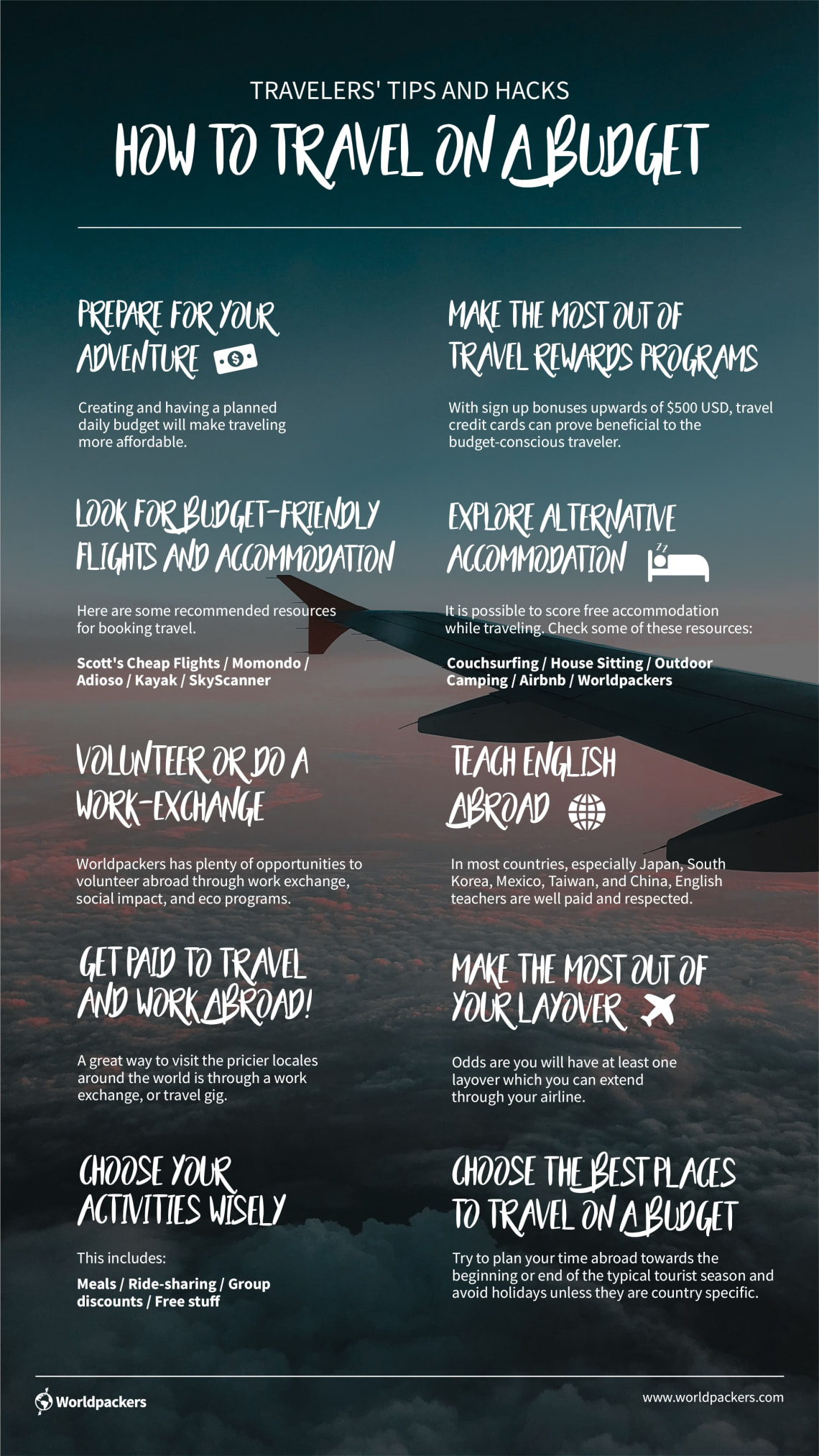
- Skyscanner, Kayak – for flight comparison
- Hostelworld, Booking.com – for accommodation
- Rome2Rio – for transport options
- Couchsurfing – for free stays
- Lonely Planet – for destination guides
- Wikivoyage – for free travel information
Hidden insight: Many travel forums (like Reddit’s r/travel) share real-life tips and up-to-date deals.
Frequently Asked Questions
What Is The Best Way To Find Cheap Flights?
Use flight comparison websites like Skyscanner or Google Flights. Set price alerts, be flexible with dates, and consider flying to nearby airports. Budget airlines and error fares can offer big savings.
How Can I Save Money On Accommodation?
Stay in hostels, guesthouses, or short-term rentals. Couchsurfing offers free stays with locals. Compare amenities and read reviews to avoid surprises. Booking early and traveling in off-season helps.
Is It Safe To Eat Street Food While Traveling?
Most street food is safe if you see locals eating there and the stall is busy. Avoid places that look dirty or have food sitting out. Eating like a local can save money and offer authentic experiences.
Do I Need Travel Insurance For Budget Trips?
Yes, always get travel insurance. Medical emergencies, lost bags, or flight cancellations can cost much more than the price of insurance. Compare plans for the best value.
What Are Some Free Activities To Do In A New City?
Explore public parks, museums with free entry, local events, hiking trails, and free walking tours. Check city websites or ask at your hostel for up-to-date suggestions.
Traveling on a budget doesn’t mean missing out. With smart planning, you can explore the world, enjoy new experiences, and make lifelong memories—without spending more than you can afford. Remember, the best adventures often come from simple moments and meeting new people.
Start planning your next budget trip and see where it takes you.

