

Using a chainsaw can feel powerful. But it can also be dangerous if you don’t know the right way to handle it. Many people think chainsaws are simple tools, but every year, thousands of accidents happen because of mistakes or lack of knowledge.
Whether you’re cutting firewood, trimming trees, or clearing land, safety should always come first. If you understand how to use a chainsaw safely, you can work faster, avoid injuries, and keep your equipment in good shape. In this guide, you’ll learn practical steps, key safety rules, and real examples to help you use a chainsaw confidently and safely.

36% off Today’s Exclusive Deals
Limited-time Exclusive Deals. Check current discount on Amazon.
Check Price on Amazon As an Amazon Associate I earn from qualifying purchases.Understanding Chainsaw Basics
Before you start cutting, you need to know how a chainsaw works. A chainsaw uses a motor (gas or electric) to turn a chain with sharp teeth. The chain moves around a guide bar, slicing through wood.
Types Of Chainsaws
There are three main types:
- Gas-powered: Most powerful, used for heavy tasks. Needs fuel and regular maintenance.
- Electric (corded): Lighter and quieter, but needs a power outlet.
- Battery-powered: Portable, less power than gas, good for small jobs.
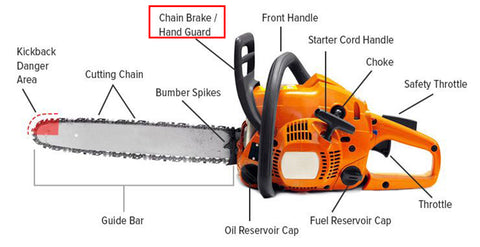
Key Chainsaw Parts
Here are the main parts to know:
- Guide bar: The long, flat metal bar the chain moves around.
- Chain: The loop of sharp teeth that does the cutting.
- Chain brake: Stops the chain quickly in emergencies.
- Throttle: Controls the speed.
- Handle: Where you hold the chainsaw.
- Oil reservoir: Lubricates the chain for smooth cutting.
If you’re not sure which chainsaw fits your needs, compare them side by side:
| Type | Power | Weight | Noise | Best Use |
|---|---|---|---|---|
| Gas-powered | High | Heavy | Loud | Large trees, tough wood |
| Electric (corded) | Medium | Light | Quiet | Small branches, home use |
| Battery-powered | Low/Medium | Light | Quiet | Quick tasks, light trimming |
Preparing For Safe Chainsaw Use
Personal Protective Equipment (ppe)
Wearing the right gear is essential. Most chainsaw injuries are to the legs, hands, and face. Here’s what you need:
- Helmet with face shield: Protects against flying debris.
- Hearing protection: Chainsaws are loud and can damage hearing.
- Safety goggles: Keeps sawdust out of your eyes.
- Cut-resistant gloves: Helps prevent hand injuries.
- Chainsaw chaps or pants: Protects legs from chain cuts.
- Steel-toe boots: Shields feet from falling logs and chain hits.
Never skip PPE, even for quick jobs. A small piece of wood can cause big injuries.
Inspecting Your Chainsaw
Before you start, always check:
- Chain tension: Should be tight, but not too tight. A loose chain can fly off.
- Chain sharpness: Dull chains make cutting harder and increase risk.
- Oil level: Lubrication keeps the chain moving smoothly.
- Fuel level (for gas models): Running out of fuel mid-cut is dangerous.
- Safety features: Test the chain brake, throttle lock, and anti-vibration handles.
Here’s a quick comparison of what to check before every use:
| Check | Why It’s Important | How Often |
|---|---|---|
| Chain tension | Prevents chain from slipping | Every use |
| Chain sharpness | Makes cutting safer and easier | Every use |
| Oil level | Reduces friction, prevents damage | Every use |
| Safety features | Stops accidents | Every use |
Planning Your Work Area
Clear the space around where you’ll cut. Remove rocks, sticks, and other objects that could trip you or damage the saw. Make sure pets, children, and other people are at least 50 feet away. Mark your escape path in case the tree or branch falls unexpectedly.

Safe Starting And Handling Techniques
How To Start Your Chainsaw
Always start your chainsaw on flat ground. For gas-powered saws, follow these steps:
- Place the saw on the ground.
- Engage the chain brake.
- Hold the handle with one hand, press the throttle lock.
- Pull the starter cord firmly.
For electric or battery saws, check the safety lock and press the start button.
Never “drop start” a chainsaw (starting while holding it in the air) — it’s a major cause of accidents.
Safe Handling
Hold the saw with both hands: one on the front handle, one on the rear handle. Stand with your feet shoulder-width apart for balance. Keep your left hand on the front handle, thumb wrapped underneath. This helps control kickback and gives better grip.
Always cut at waist height or below. Never reach above your shoulders — it’s easy to lose control.
Cutting Safely: Step-by-step
Basic Cutting Technique
- Position yourself: Stand to the side, never directly behind the saw.
- Start the cut: Let the saw reach full speed before touching wood.
- Let the saw do the work: Don’t force it. Apply light pressure.
- Watch for kickback: If the tip of the bar touches wood, the saw can jerk back suddenly.
Kickback causes many injuries. The chain brake helps, but good technique is your best defense.
Felling Trees
Felling a tree needs special care. Here’s a simple process:
- Plan your escape route: At least two clear paths at a 45-degree angle from the tree.
- Make a notch cut: Cut a wedge-shaped notch on the side facing where you want the tree to fall.
- Make the felling cut: On the opposite side, cut straight through, slightly above the notch.
- Move quickly: As the tree begins to fall, step away using your escape route.
Never cut alone. If the tree is large or near power lines, call a professional.
Limbing And Bucking
- Limbing: Removing branches from a fallen tree. Always cut from the opposite side of the trunk from where you stand.
- Bucking: Cutting a log into sections. Make sure the log is stable. If it’s supported off the ground, cut from the top down, then from the bottom up to avoid pinching the chain.
Common Mistakes
- Trying to cut with a dull chain.
- Ignoring kickback zone at the tip of the bar.
- Wearing loose clothing that can get caught.
- Not checking for hidden nails or metal in wood (which can break the chain).
Maintaining Your Chainsaw For Safety
A well-maintained chainsaw is safer and lasts longer. Here’s what you need to do:
Sharpening The Chain
A sharp chain cuts cleaner, faster, and reduces risk. You can sharpen with a round file or use a chain sharpening tool. The angle matters — usually 30 degrees, but check your manual.
Cleaning After Use
Remove dirt, sawdust, and oil. Clean the air filter and check for loose bolts. Always store the saw in a dry place.
Regular Maintenance
- Check spark plug (gas models): Replace if dirty or worn.
- Inspect chain brake: Make sure it works every time.
- Lubricate bar and chain: Use chainsaw oil, not motor oil.
Maintenance Frequency
Here’s a quick maintenance schedule:
| Task | Frequency | Why It’s Important |
|---|---|---|
| Sharpen chain | Every 2–3 hours of use | Safer, faster cutting |
| Clean air filter | Every use | Prevents engine damage |
| Check chain brake | Every use | Safety in emergencies |
| Inspect bolts | Every use | Prevents falling parts |
| Replace spark plug | Annually | Reliable starting |
Advanced Safety Tips And Insights
Kickback: The Hidden Danger
Kickback happens when the tip of the bar hits wood or another object. The chainsaw can fly up and back toward you in a split second. Even experienced users can be caught off guard.
To reduce kickback:
- Use a chainsaw with a low-kickback chain.
- Keep both hands on the saw at all times.
- Never cut with the tip of the bar.
- Make sure the chain brake works.
Most beginners don’t realize that kickback can happen even when the chain is not moving fast. Always be alert.
Choosing The Right Saw For The Task
Using a chainsaw that’s too big or too small for the job increases risk. For example, using a heavy gas saw to trim small branches is tiring and can lead to mistakes. If you’re cutting firewood, a medium-size electric or battery saw is usually enough.
Weather And Environmental Factors
Chainsaws work differently in wet, cold, or hot weather. Wet wood is slippery and can clog the chain. Cold weather makes the oil thicker, so check flow often. Avoid using chainsaws in rain or snow — you can slip and lose control.
Hidden Hazards
Sometimes, logs have nails, screws, or wires inside. Cutting into metal can break the chain or send sharp pieces flying. Use a metal detector or inspect old wood carefully before cutting.
Emergency Procedures And First Aid
No one expects an accident, but being ready can save a life. If an injury happens:
- Turn off the chainsaw immediately.
- Apply pressure to bleeding wounds.
- Call emergency services.
- Use a first aid kit: Clean and cover small cuts.
Keep your phone nearby and know the fastest way to get help.
Fire Safety
Gas chainsaws can leak fuel. Never smoke or use open flames nearby. If you spill fuel, clean it up before starting the saw.
Real-life Examples And Statistics
Chainsaw injuries are common and often serious. According to the Centers for Disease Control and Prevention (CDC), about 36,000 people in the US visit the emergency room each year because of chainsaw accidents. Most injuries happen to the hands, legs, and face.
A common story: someone tries to cut a branch above their head, loses control, and the saw falls. Wearing chaps, helmet, and gloves can prevent serious injury.
Another example: a homeowner didn’t check chain tension, and the chain slipped off, hitting his arm. Regular inspection could have stopped this accident.
Common Chainsaw Safety Myths
Many beginners believe myths that can lead to problems.
- “I don’t need safety gear for quick jobs.” Most injuries happen during small cuts.
- “Electric chainsaws are not dangerous.” All chainsaws can cause serious injuries.
- “Kickback only happens to beginners.” Even experts can face kickback if not careful.
Buying A Chainsaw: Safety Features To Look For
When shopping for a chainsaw, safety features matter more than price or power. Here’s what to look for:
- Chain brake: Stops the chain instantly.
- Throttle lock: Prevents accidental starting.
- Low-kickback chain: Reduces sudden movement.
- Anti-vibration handle: Less fatigue and more control.
- Automatic oiling: Keeps chain lubricated.
Don’t make the mistake of choosing a saw just because it’s cheap. A model with good safety features lasts longer and is easier to use.
For more details, see this official guide on OSHA Chainsaw Safety.
Storing Your Chainsaw Safely
After use, always store your chainsaw properly:
- Clean off all sawdust and oil.
- Remove the chain and bar if storing for a long time.
- Keep in a dry, cool place.
- Lock away from children and pets.
Proper storage prevents rust, damage, and keeps your saw ready for next time.
Frequently Asked Questions
What Should I Do If My Chainsaw Chain Comes Off While Cutting?
Stop immediately. Turn off the chainsaw, engage the chain brake, and inspect the chain. Never try to fix the chain while the saw is running. Put the chain back on following your manual’s instructions, check tension, and make sure all safety features are working before restarting.
How Often Should I Sharpen My Chainsaw Chain?
Sharpen the chain every 2–3 hours of use, or whenever you notice it cutting slowly or making fine sawdust instead of chips. Regular sharpening keeps cutting safer and faster. If you’re unsure, check the chain after each job.
Can I Use A Chainsaw To Cut Wet Wood?
Yes, but it’s harder and can be more dangerous. Wet wood can clog the chain and make slipping easier. Clean your chain often, check oil flow, and take extra care with your footing. Avoid using electric chainsaws in wet conditions to prevent electrical hazards.
Is It Safe To Use A Chainsaw Alone?
It’s best to have another person nearby. If you must work alone, tell someone where you’ll be and when you’ll finish. Keep your phone close, and have a first aid kit ready. Avoid cutting large trees or working in remote areas alone.
What Is The Most Common Cause Of Chainsaw Injuries?
Kickback is the most common cause. It happens when the tip of the bar touches something and the saw jumps back toward the user. Always use proper technique, keep both hands on the saw, and make sure the chain brake works.
Working with a chainsaw can be safe and efficient if you follow these steps and respect the tool. Remember, it’s not about how quickly you finish, but how safely you work. With the right knowledge, gear, and habits, you can avoid accidents and get the job done well.
Stay alert, check your equipment, and never cut corners on safety.

