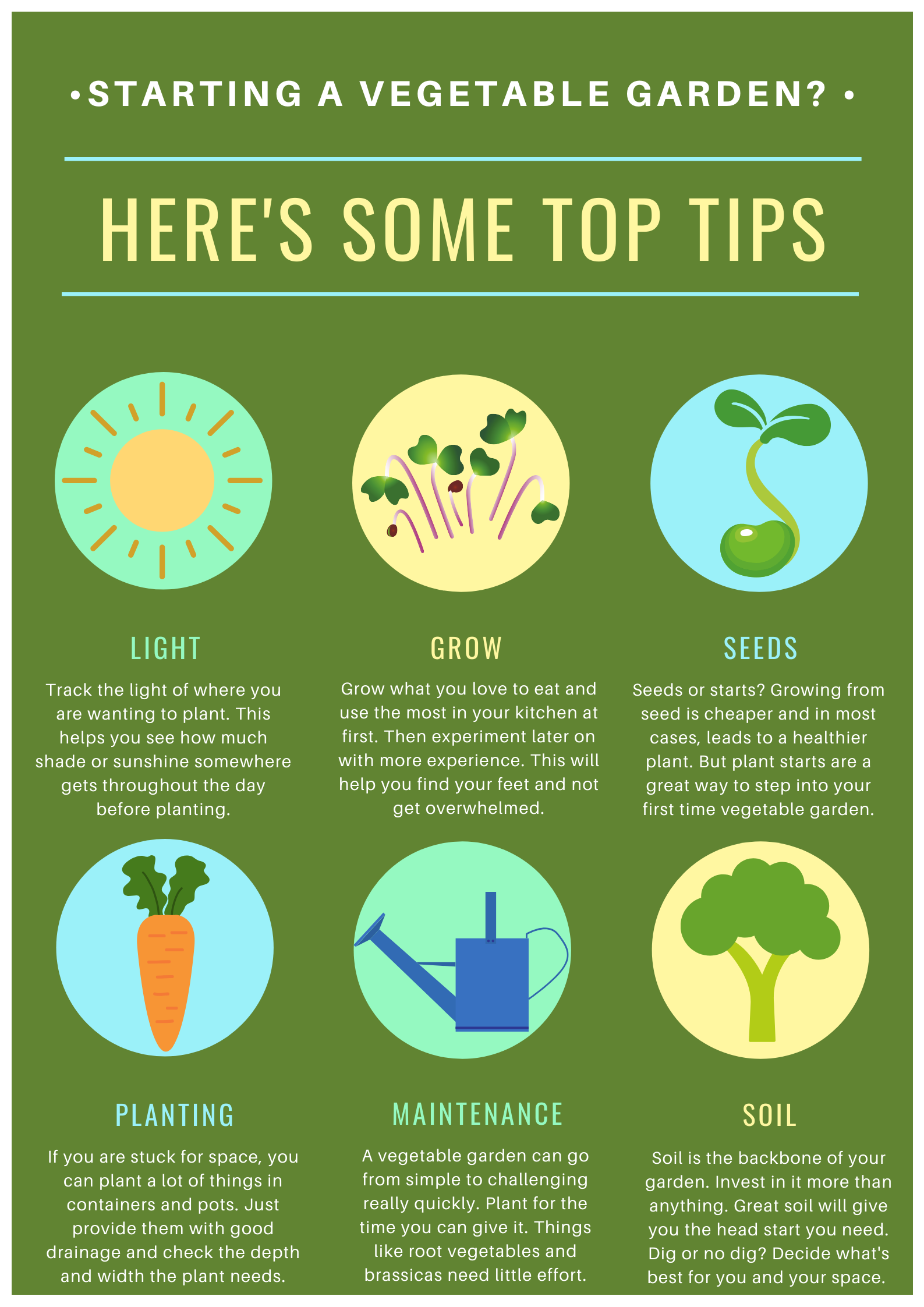
Starting a garden can be one of the most rewarding hobbies you ever try. Whether you dream of fresh vegetables, colorful flowers, or a peaceful outdoor space, gardening offers relaxation, exercise, and even fresh food right from your own yard or balcony.
Many people think gardening is difficult, expensive, or only for experts. In reality, anyone can learn how to start gardening, even with a small budget or a tiny space. With a bit of guidance and the right steps, you can create a thriving garden that suits your needs and lifestyle.
In this guide, you’ll discover practical tips for beginners, step-by-step instructions, and helpful insights that most new gardeners miss. You’ll learn how to choose your garden type, prepare your space, select plants, and avoid common mistakes. If you want to grow your own food or just enjoy a bit of green, this article will help you start gardening with confidence.
Why Start Gardening?
Many people start gardening for different reasons. Some want to grow fresh vegetables and save money. Others want a hobby that reduces stress and connects them with nature. Research shows that gardening can improve mental health, lower blood pressure, and boost physical activity. According to a 2022 survey by the National Gardening Association, over 55% of US households garden, and that number grows every year.
Gardening is also flexible. You don’t need a big yard; you can garden on a balcony, patio, or even indoors. You can start small and expand as you learn. Plus, gardens can attract birds, bees, and butterflies, making your home feel more alive.
Understanding Your Gardening Space
Before you buy seeds or tools, take time to understand your growing space. This is one of the most important steps, and beginners often rush it. The type of garden you choose depends on your space, sunlight, and local climate.
Assess Your Location
- Sunlight: Most plants need at least 6 hours of direct sunlight daily. Watch how sunlight moves across your space. Is there a sunny spot for vegetables, or do you have more shade for ferns and hostas?
- Soil Quality: Good soil is the foundation of every healthy garden. If you have a yard, dig a small hole and look at the soil. Is it sandy, clay, or dark and crumbly? For container gardens, you’ll use store-bought soil.
- Space Size: Measure your space. Even a few square feet can grow a lot. Balconies and patios are perfect for container or vertical gardens.
- Water Access: Is there a water tap nearby? Carrying water long distances becomes tiring.
- Climate and Zone: Your local climate affects what you can grow. The USDA Plant Hardiness Zone Map helps you find your zone. This tells you which plants survive winter in your area.
Types Of Gardens
The space you have will guide your garden type. Here’s a quick comparison:
| Garden Type | Best For | Space Needed | Maintenance |
|---|---|---|---|
| In-ground beds | Yards/lawns | Medium–large | Medium |
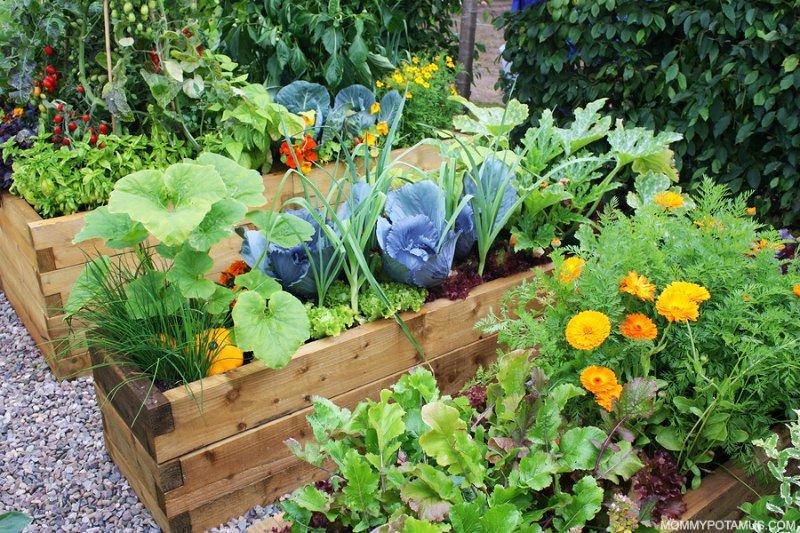
| Raised beds | Poor soil, easy access | Small–large | Low–medium |
| Containers | Balconies, patios, renters | Very small | Low |
| Vertical gardens | Walls, tiny spaces | Minimal | Low |
Non-obvious insight: If you’re unsure, start with containers. They’re easy to move, manage, and replace if you make mistakes.
Planning Your Garden
Good planning saves you time and money. Many beginners want to grow everything at once, but this leads to crowded, unhealthy plants and frustration. Start small and focus on a few easy-to-grow plants.
Set Your Goals
Ask yourself:
- Do you want vegetables, flowers, herbs, or a mix?
- How much time can you give each week?
- Do you want a low-maintenance garden, or are you ready for a challenge?
Choosing Plants
Pick plants that match your goals, space, and climate. Here are some beginner-friendly options:
| Plant Type | Examples | Benefits |
|---|---|---|
| Vegetables | Lettuce, radish, tomatoes, beans | Fast-growing, tasty, rewarding |
| Herbs | Basil, mint, parsley, chives | Compact, aromatic, useful for cooking |
| Flowers | Marigolds, zinnias, sunflowers | Colorful, attract pollinators |
| Indoor plants | Spider plant, pothos, snake plant | Air-purifying, low-maintenance |
Tip: Check plant labels or seed packets for sun, water, and spacing needs. Some plants, like tomatoes, need more care, while others, like radishes, are easy and quick.
Sketch Your Garden
Draw your space on paper. Mark where you want each plant. This helps you avoid overcrowding and gives every plant enough room. Remember, some plants grow tall and may shade others.
Getting Your Tools And Supplies
You don’t need expensive gear to start gardening. Focus on a few basic tools to make your work easier and safer.
Essential Tools For Beginners
- Trowel – For digging small holes and transplanting seedlings.
- Hand fork or cultivator – Loosens soil and removes weeds.
- Watering can or hose – For consistent watering.
- Pruners or scissors – Trim plants and harvest vegetables.
- Gardening gloves – Protect your hands from thorns and dirt.
- Buckets or containers – For carrying soil, compost, or weeds.
Over time, you might add a spade, rake, or wheelbarrow if your garden grows. Don’t buy everything at once. Start with the basics and add tools as you need them.
Choosing Soil And Fertilizer
Healthy soil means healthy plants. For in-ground beds, mix compost or aged manure into the top few inches of soil. For containers, use a high-quality potting mix. Avoid using plain garden soil in pots—it compacts and doesn’t drain well.
Most beginner plants need a simple, balanced fertilizer. Organic options, like fish emulsion or compost tea, are gentle and safe for new gardeners.
Non-obvious insight: Don’t skip soil testing. Your local garden center may offer inexpensive soil tests. These can reveal pH or nutrient problems before you plant, saving you months of frustration.
Preparing Your Garden Space
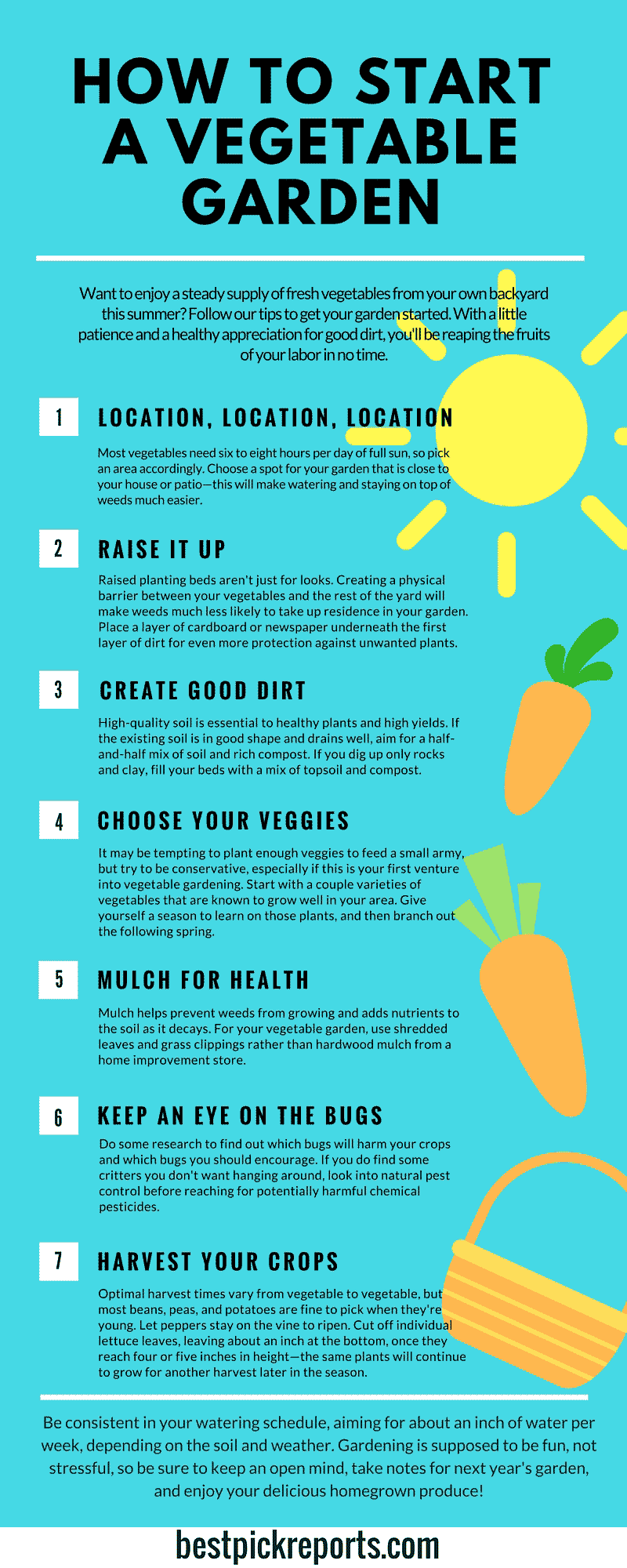
Now it’s time to prepare your garden for planting. This step can make or break your success, so don’t rush.
Clearing And Cleaning
If you’re using a yard or in-ground bed:
- Remove weeds, grass, and rocks.
- Dig or loosen the soil to about 8–12 inches deep.
- Mix in compost or organic matter.
For raised beds or containers:
- Fill with fresh potting mix.
- Make sure containers have drainage holes.
Creating Planting Rows Or Spots
Use string or sticks to mark straight rows. Leave enough space between rows for walking and caring for your plants. Plant labels help you remember what’s where.
Tip: Water the soil a day before planting. This helps seeds and seedlings settle in quickly.
Planting: Seeds Vs. Seedlings
You can start most plants from seeds or buy young plants (seedlings). Each method has pros and cons.
| Method | Pros | Cons | Best For |
|---|---|---|---|
| Seeds | Cheaper, more variety | Slower, needs care to sprout | Leafy greens, flowers, beans |
| Seedlings | Faster results, less risk | More expensive, less choice | Tomatoes, peppers, herbs |
How to plant seeds: Make a small hole or trench, place seeds at the depth shown on the packet, cover with soil, and water gently.
How to plant seedlings: Dig a hole a bit larger than the root ball, place the seedling, fill with soil, and press gently. Water well.
Tip: Don’t plant all your seeds at once. Sow a few every week (“succession planting”) for a longer harvest.
Watering And Daily Care
Water is life for your garden. Most plants prefer deep, infrequent watering instead of light, daily sprinkles. A good rule: 1–1.5 inches of water per week, including rain.
Watering Tips
- Water early in the morning or late afternoon to reduce evaporation.
- Aim water at the soil, not the leaves, to prevent disease.
- Check soil moisture by sticking your finger 1–2 inches deep. If it feels dry, water.
Mulching
Add a layer of mulch (straw, leaves, wood chips) around plants. Mulch keeps soil moist, reduces weeds, and improves soil health over time.
Feeding Your Plants
Some plants, like tomatoes or peppers, need extra nutrients during the growing season. Use a balanced fertilizer every few weeks, but don’t overdo it—too much can harm plants.
Non-obvious insight: Rain can wash nutrients away, especially in containers. Check plant health after storms and feed if needed.
Managing Weeds, Pests, And Problems
Every garden faces challenges. Early action keeps problems small.
Controlling Weeds
Weeds steal nutrients and water. Pull them by hand when small. Mulch helps prevent new weeds from growing.
Dealing With Pests
Common pests include aphids, snails, and caterpillars. Check plants often. Remove pests by hand or spray with soapy water. For serious problems, try organic pest controls like neem oil.
Preventing Disease
Don’t crowd plants; give them space for air to move. Remove dead or sick leaves quickly. Rotate crops each year—don’t plant the same thing in the same spot to avoid soil diseases.
Tip: Keep a journal. Write down what works, what goes wrong, and when you plant or harvest. This helps you learn faster and improve every year.
Harvesting And Enjoying Your Garden
Harvesting is the best part! Pick vegetables and herbs when they’re young and tender for the best flavor. Flowers often last longer if you cut them early in the morning.
- Lettuce and greens: Cut outer leaves as needed; plants will keep growing.
- Tomatoes and peppers: Pick when they’re fully colored and slightly soft.
- Herbs: Snip leaves often to encourage new growth.
Share your harvest with friends and neighbors. Fresh garden food tastes better than anything from the store.
Troubleshooting: Common Beginner Mistakes
Learning from mistakes is part of gardening. Here are some common errors and how to avoid them:
- Overwatering – Plants wilt and roots rot. Let soil dry a bit before watering again.
- Planting too deep or too shallow – Follow instructions on seed packets or plant tags.
- Ignoring sunlight needs – Most vegetables need full sun. Shade-loving plants will struggle in too much light.
- Crowding plants – Give each plant enough space, or they’ll compete for nutrients and light.
- Starting too big – A small, well-tended garden beats a large, neglected one.
Non-obvious insight: Don’t get discouraged by failures. Even experts lose plants to weather, bugs, or mistakes. Every season brings new lessons.
Expanding Your Garden Skills
Once you’re comfortable, you might want to try new things:
- Grow unusual vegetables or flowers.
- Try composting kitchen scraps.
- Save seeds from your favorite plants.
- Learn about companion planting—some plants grow better together.
Online resources, local garden clubs, and extension services offer free advice and community support. The University of Minnesota Extension is a great place to start.
Frequently Asked Questions
How Much Time Does Gardening Take Each Week?
Most new gardens need 15–30 minutes daily during the growing season. This includes watering, weeding, and checking for problems. Larger gardens or vegetable beds may need more time, especially during planting and harvest.
Can I Start Gardening If I Only Have A Balcony Or Small Patio?
Yes! Container and vertical gardens are perfect for small spaces. Many herbs, salad greens, and flowers grow well in pots. Just make sure your containers get enough sunlight and have drainage holes.
What’s The Cheapest Way To Start Gardening?
Start small with seeds, basic tools, and recycled containers. Use kitchen scraps for compost, and ask friends or neighbors for plant cuttings. Avoid buying expensive decorations or tools at the beginning.
How Do I Know When To Plant?
Check seed packets or plant tags for the best planting time. Most vegetables are planted in spring, after the last frost. Some cool-season crops (like lettuce) can be planted earlier. Your local climate and USDA zone will guide you.
What Should I Do If My Plants Look Unhealthy?
First, check water and sunlight. Look for pests or yellow leaves. Most problems can be fixed with small changes—adjust watering, move containers to better light, or remove bugs by hand. If you’re still unsure, ask at a local garden center or online gardening group.
Gardening is a journey. Each season brings new surprises, successes, and lessons. Start with patience, observe your plants, and enjoy the process. Even a small garden can bring beauty, joy, and fresh food to your life. Happy gardening!