

Starting a business is one of the most exciting steps you can take in your professional life. It brings the possibility of independence, financial freedom, and the chance to solve problems your way. But it can also be risky, confusing, and stressful, especially if you’re new to entrepreneurship.
Many beginners focus on the big idea, but the real difference lies in how you turn that idea into a working business. If you want to avoid common mistakes and build a strong foundation, you need more than just passion.
You need a clear, practical process. Let’s break down the essential steps to launch your own business, using simple English, real-world advice, and proven methods.
Understanding What Makes A Good Business Idea
Every successful business starts with a good idea, but not all ideas are created equal. A good idea solves a real problem, serves a need, or creates new value for people. Before you get too excited, ask yourself these questions:
- Does it solve a problem people care about?
- Who will pay for this solution?
- Are there similar businesses already? If yes, how will yours be different or better?
Many new entrepreneurs fall in love with their own ideas and forget to check if real customers want them. For example, a friend may love your homemade cookies, but that doesn’t mean there’s a big enough market for a cookie shop in your area.
Pro tip: Don’t just ask friends or family—they often say what you want to hear. Try talking to strangers, do online surveys, or join forums related to your idea.
Researching The Market
Once you have an idea, it’s time to see if the market is big enough. Market research helps you understand your potential customers, competitors, and trends. This step is often skipped, but it’s critical. Good research can save you from costly mistakes.
How To Do Market Research
- Identify your target audience. Who are your ideal customers? What are their age, gender, income, location, and habits?
- Study competitors. Look for similar products or services. Analyze their pricing, marketing, strengths, and weaknesses.
- Estimate demand. Use online tools like Google Trends or industry reports to see if interest is growing or shrinking.
- Get feedback. Share your idea on social media, forums, or with potential users. Listen to what they like and dislike.
Here’s a sample table showing what to compare when studying competitors:
| Competitor | Product/Service | Price | Strengths | Weaknesses |
|---|---|---|---|---|
| ABC Bakery | Cookies | $2 each | Popular, good location | Limited flavors |
| Sweet Treats | Cakes & Cookies | $1.80 each | Wide variety | Poor online reviews |
| Home Bakers | Homemade cookies | $1.50 each | Custom orders | Long wait time |
Non-obvious insight: Many beginners only look at prices, but you should also note competitors’ weaknesses. These are your opportunities.
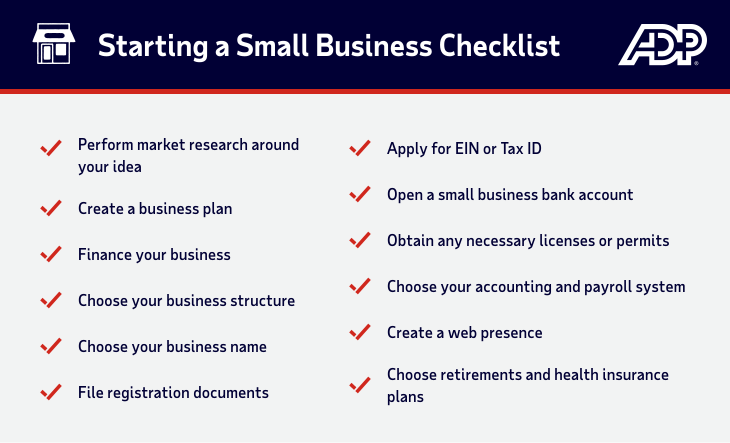
Creating A Simple Business Plan
A business plan is like a roadmap for your business. It doesn’t need to be 50 pages long, but it should cover the most important points. Here’s what you should include:
- Business description: What will you sell? Who are your customers?
- Market analysis: What did you learn about the market and competitors?
- Organization: Who will run the business? Will you have partners or employees?
- Marketing plan: How will you reach customers?
- Financial plan: How much money do you need? What are your expected costs and earnings?
Even a one-page plan can help you stay focused. It also makes it easier to explain your business to others, like partners or investors.
Example: If you’re starting a cleaning service, your plan might say you’ll target busy families in your city, advertise on social media, and start solo before hiring others.
Choosing The Right Business Structure
The business structure you choose affects your taxes, paperwork, and personal risk. In the US, common options are:
- Sole Proprietorship: Easiest to start, but you’re personally responsible for debts.
- Partnership: Two or more people share ownership and responsibility.
- Limited Liability Company (LLC): Protects your personal assets, simple to manage.
- Corporation: More complex, good for large businesses or raising lots of money.
Here’s a quick comparison to help you decide:
| Structure | Setup Cost | Personal Liability | Taxation | Best For |
|---|---|---|---|---|
| Sole Proprietorship | Low | High | Personal tax | Solo owners, simple businesses |
| Partnership | Low | High | Personal tax | Two or more owners |
| LLC | Medium | Low | Flexible | Growing businesses, risk protection |
| Corporation | High | Low | Double tax | Large, fast-growing companies |
Non-obvious insight: Many beginners choose sole proprietorship for speed, but an LLC can protect your personal savings if your business faces a lawsuit.
Registering Your Business And Legal Requirements
After choosing your structure, you must register your business. The process can differ depending on your location and business type, but most new businesses need to:
- Register a business name. This can be your own name or a unique brand name.
- Get a federal EIN (Employer Identification Number). This is like a social security number for your business.
- Apply for permits or licenses. These depend on your industry and local rules.
- Open a business bank account. Keep your business money separate from your personal money.
Failing to follow legal steps can lead to fines or being forced to close down, so don’t skip this part. For more details, visit the U.S. Small Business Administration.
Setting Up Finances And Accounting
Money is one of the main reasons businesses fail. If you want to succeed, you need a clear picture of your finances from day one.
Key Financial Steps
- Start with a budget. List your startup costs (equipment, rent, website, etc.) And monthly expenses.
- Track every dollar. Use simple accounting software like QuickBooks or Wave. Even a spreadsheet is better than nothing.
- Plan for taxes. Set aside money for taxes so you’re not surprised later.
- Monitor cash flow. Know how much money comes in and goes out each month.
Here’s a simple table showing example startup costs for a small business:
| Item | Estimated Cost |
|---|---|
| Business registration | $100 |
| Website and domain | $300 |
| Equipment | $1,000 |
| Marketing (ads, flyers) | $500 |
| Legal and accounting | $400 |
| Total | $2,300 |
Pro tip: Many new business owners forget to budget for marketing and legal fees. These can be make-or-break in your first year.
Branding And Creating Your Online Presence
A strong brand helps you stand out and attract loyal customers. Branding is more than a logo; it’s how people feel about your business.
Branding Basics
- Pick a memorable name. Make sure it’s easy to say, spell, and remember.
- Design a simple logo. You can use free tools like Canva or hire a freelancer.
- Choose brand colors and fonts. Keep them consistent on all materials.
- Write a clear mission statement. What do you stand for? Why do you exist?
Building An Online Presence
Most customers search online before buying. Even if you don’t sell online, you need a digital footprint:
- Create a website. Use platforms like Wix, Squarespace, or WordPress for quick setup.
- Set up social media pages. Focus on the platforms your audience uses most.
- Claim your Google My Business listing. This helps you appear in local searches.
- Ask for reviews. Positive reviews build trust and attract more customers.
Non-obvious insight: Even a basic website with your contact info and story can make you seem much more trustworthy than businesses with no online presence.
Marketing Your Business
You might have the best product, but if no one knows about it, you won’t succeed. Marketing is how you get the word out and bring in customers.
Cost-effective Marketing Strategies
- Word of mouth. Encourage happy customers to tell their friends.
- Social media. Share tips, behind-the-scenes photos, or customer stories.
- Content marketing. Write helpful blog posts or make simple videos related to your business.
- Local partnerships. Team up with other small businesses for joint promotions.
- Email marketing. Start a simple newsletter to stay in touch with your audience.
Pro tip: Many new business owners try to be everywhere online. It’s better to focus on 1–2 channels and do them well.
Hiring And Managing Employees
When your business grows, you may need help. Hiring the right people is crucial. Here’s what to keep in mind:
- Define the role clearly. Write down what tasks the new person will do.
- Look for attitude, not just skills. People who care about your business will learn quickly.
- Follow legal steps. Register as an employer, report new hires, and follow labor laws.
- Train your team. Even simple tasks need clear instructions.
Non-obvious insight: Many small businesses hire friends or family, but this can cause problems if expectations aren’t clear. Always use a contract.
Growing And Scaling Your Business
Once your business is running, think about how you can grow. This doesn’t always mean getting bigger—it can mean being more profitable, efficient, or respected.
Smart Ways To Grow
- Improve what you offer. Listen to customer feedback and make changes.
- Add new products or services. Start with what your current customers need most.
- Expand to new locations or online. Test small before making big moves.
- Automate simple tasks. Use software to save time (for example, for invoices or appointments).
Pro tip: Not every business needs to grow fast. Sometimes, slow and steady is safer and more sustainable.
Handling Common Challenges
Every business faces problems, but knowing what to expect can help you stay calm and solve them.
Common Problems And Solutions
- Slow sales: Check your marketing and ask customers why they’re not buying.
- Cash flow issues: Cut unnecessary expenses and collect payments quickly.
- Burnout: Take breaks and ask for help when needed.
- Competition: Focus on what makes you unique and keep improving.
Non-obvious insight: Many businesses fail because owners try to do everything themselves. It’s okay to delegate or outsource tasks you’re not good at.
Measuring Success And Adjusting Your Plan
It’s important to know if your business is working. Don’t wait until the end of the year to check.
Key Metrics To Track
- Revenue: How much money comes in.
- Profit: What’s left after expenses.
- Customer growth: Are you attracting new clients?
- Repeat customers: Are people coming back?
If you’re not meeting your goals, adjust your strategy. Maybe your marketing isn’t working, or your prices are too high. Making small changes early can save your business.
:max_bytes(150000):strip_icc()/starting-own-business-1200678-Final-edit-050e3ef116174733a310b081c943fb37.jpg)
Frequently Asked Questions
What Is The Easiest Type Of Business To Start?
A sole proprietorship is usually the easiest. You don’t need much paperwork, and you can get started with little money. Examples include freelancing, consulting, or selling handmade goods online.
How Much Money Do I Need To Start A Business?
Startup costs vary widely. Some online businesses can start with less than $500. A retail store might need $10,000 or more. It depends on your industry, location, and if you need equipment or inventory.
Do I Need A Business License To Start?
Most businesses need some type of license or permit. This could be a local business license, health permit, or industry-specific approval. Check with your city or state government for details.
Can I Start A Business While Working A Full-time Job?
Yes, many people start businesses as a side hustle. Just check your employment contract to make sure there are no conflicts of interest. Manage your time well to avoid burnout.
What Should I Do If My Business Isn’t Making Money?
Review your business plan and marketing. Talk to customers to see what’s missing. Cut unnecessary expenses and look for new ways to reach clients. Sometimes, it takes time to become profitable, so don’t give up too soon.
Starting a business is never a straight path. There will be ups and downs, surprises, and lessons. But with careful planning, a willingness to learn, and the courage to act, you can turn your idea into a real, working business.
Remember, every big company started with a small first step—so take yours today.
