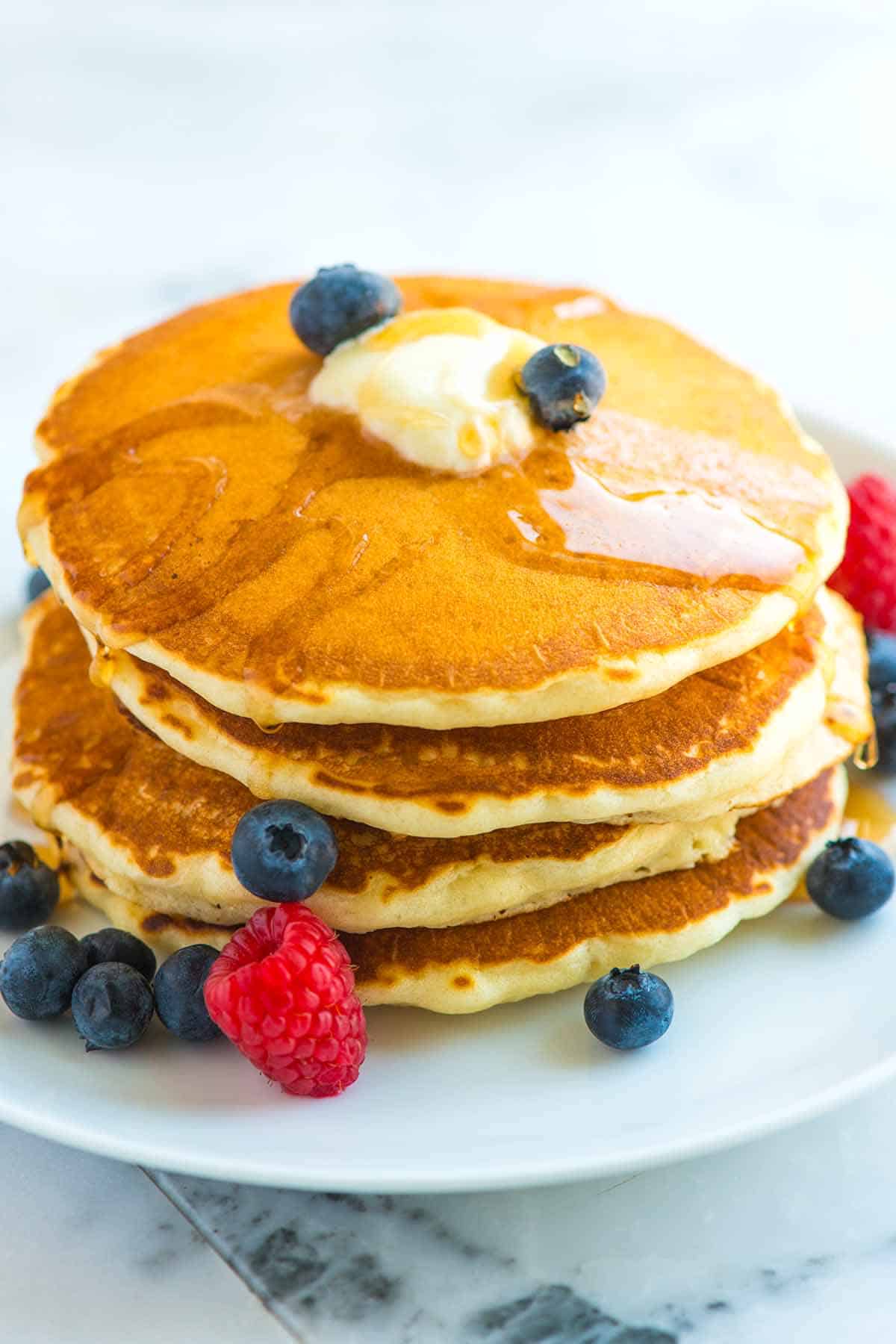
Making pancakes is one of those simple joys in life. For many people, pancakes bring back memories of cozy weekend mornings, family breakfasts, or special occasions. But there’s a lot more to great pancakes than just mixing flour, milk, and eggs.
The process may seem basic, but small details make a big difference between flat, chewy pancakes and fluffy stacks that melt in your mouth. Whether you’re a beginner or want to perfect your technique, this guide will help you create delicious pancakes every time.

36% off Today’s Exclusive Deals
Limited-time Exclusive Deals. Check current discount on Amazon.
Check Price on Amazon As an Amazon Associate I earn from qualifying purchases.Along the way, you’ll discover common mistakes, key techniques, and a few secrets that even experienced home cooks sometimes miss.
The Basic Pancake Recipe: Ingredients And Tools
Before you start, it’s important to gather the right ingredients and equipment. Having everything ready makes the process smooth and stress-free. Here’s what you’ll need for classic American-style pancakes.
Essential Ingredients
- All-purpose flour: 2 cups (240g)
- Baking powder: 2 teaspoons
- Granulated sugar: 2 tablespoons
- Salt: ½ teaspoon
- Milk: 1 ½ cups (360ml), preferably whole milk for richness
- Eggs: 2 large
- Melted butter: 2 tablespoons (plus more for greasing the pan)
- Vanilla extract: 1 teaspoon (optional, for extra flavor)
Useful Equipment
- Medium and large mixing bowls
- Balloon whisk or fork
- Measuring cups and spoons
- Nonstick skillet, griddle, or heavy frying pan
- Spatula (thin and wide for easy flipping)
- Ladle or measuring cup for pouring batter
Having a nonstick skillet or griddle is a huge help, especially for beginners. It reduces the risk of sticking and makes cleanup easier. If you use a regular pan, make sure to grease it well with butter or oil.
Step-by-step Instructions For Perfect Pancakes
Let’s break down the process into clear, manageable steps. Each step matters, so don’t rush through them.
1. Measure And Mix Dry Ingredients
In a large mixing bowl, combine the flour, baking powder, sugar, and salt. Whisk them together so the baking powder spreads evenly. This helps the pancakes rise evenly.
2. Combine Wet Ingredients
In a separate bowl, whisk together the milk, eggs, melted butter, and vanilla extract (if using). Make sure the butter isn’t too hot, or it can cook the eggs.
3. Mix Wet And Dry Ingredients
Pour the wet mixture into the dry ingredients. Gently stir with a whisk or fork until just combined. The batter should be a little lumpy—don’t overmix. Overmixing makes pancakes tough instead of fluffy.
Quick Tip:
If you see a few streaks of flour, that’s fine. The lumps will disappear as the batter rests.
4. Let The Batter Rest
Let your pancake batter sit for at least 5–10 minutes. This step helps the flour absorb liquid and the baking powder start working. Resting leads to lighter, fluffier pancakes.
5. Heat The Pan And Grease
Heat your pan or griddle over medium heat. To check if it’s ready, sprinkle a few drops of water on the surface. If they dance and evaporate quickly, it’s hot enough. Add a small amount of butter or oil and swirl to coat the surface.
6. Cook The Pancakes
Pour about ¼ cup of batter for each pancake onto the hot pan. Leave space between pancakes for spreading.
- Cook until small bubbles form on the surface and the edges look set (about 2–3 minutes).
- Flip with a spatula and cook for another 1–2 minutes, until golden brown.
If the pancakes brown too quickly or unevenly, reduce the heat a little.
7. Serve And Enjoy
Serve pancakes hot with your favorite toppings: maple syrup, honey, fresh fruit, whipped cream, or even a sprinkle of powdered sugar.
Pancake Variations: Beyond The Basics
Once you master classic pancakes, you can try different styles and flavors. Here are some popular pancake variations and how they compare:
| Type | Main Difference | Texture | Common Toppings |
|---|---|---|---|
| Buttermilk Pancakes | Uses buttermilk for tang | Extra fluffy, tender | Butter, syrup, berries |
| Whole Wheat Pancakes | Uses whole wheat flour | Hearty, nutty | Honey, nuts, yogurt |
| Banana Pancakes | Mashed banana in batter | Moist, sweet | Maple syrup, cinnamon |
| Japanese Soufflé Pancakes | Beaten egg whites folded in | Very light, airy | Whipped cream, fruit |
| Gluten-Free Pancakes | Alternative flours (rice, oat) | Varies by recipe | Fruit, syrup, nut butters |
You can also add mix-ins like chocolate chips, blueberries, or nuts to the batter before cooking.
Tips For Fluffy, Even Pancakes
Getting pancakes just right takes a little practice, but a few key tips make a big difference.
Accurate Measuring
Use dry measuring cups for flour and sugar, and liquid measuring cups for milk and melted butter. Level off flour with a knife for consistency.
Don’t Overmix
Stir the batter until just combined. Too much mixing develops gluten, making pancakes dense and chewy.
Rest The Batter
Allowing the batter to rest helps create fluffier pancakes. Even 5–10 minutes makes a noticeable difference.
Control Your Heat
Medium heat is ideal. Too hot, and pancakes burn before cooking inside; too low, and they turn pale and dry.
Flip Only Once
Wait until bubbles form and edges look set before flipping. Flipping too early or too often can make pancakes deflate and become rubbery.
Keep Pancakes Warm
If making a big batch, keep pancakes warm in a 200°F (93°C) oven on a baking sheet while you finish the rest.

Common Pancake Problems And Solutions
Even experienced cooks have pancake troubles now and then. Here’s how to fix the most common issues:
| Problem | Possible Cause | Solution |
|---|---|---|
| Pancakes are flat | Old baking powder, overmixed batter | Use fresh baking powder; mix less |
| Sticking to the pan | Pan not greased, pan not hot enough | Use more butter/oil; preheat pan longer |
| Too dense or chewy | Overmixed batter, too much flour | Mix gently; measure flour carefully |
| Raw in the middle | Heat too high, batter too thick | Lower heat; thin batter with a little milk |
| Uneven color | Pan not evenly heated | Let pan preheat; adjust burner as needed |
Non-obvious insight: Even a small amount of extra flour can make pancakes dense. If your batter seems too thick, add a tablespoon of milk at a time.
Healthier Pancake Options
Pancakes can be made healthier without losing flavor. Here are some ways to boost nutrition:
- Use whole wheat or oat flour for more fiber and nutrients.
- Reduce sugar or use natural sweeteners like honey or mashed bananas.
- Add Greek yogurt to the batter for extra protein.
- Mix in grated zucchini or carrots for hidden veggies.
- Top with fruit and nuts instead of syrup.
Simple Healthy Pancake Recipe
- 1 cup whole wheat flour
- 1 teaspoon baking powder
- ½ teaspoon baking soda
- ¼ teaspoon salt
- 1 tablespoon honey
- 1 large egg
- 1 cup low-fat milk
- 2 tablespoons Greek yogurt
- 1 tablespoon melted coconut oil
Combine dry and wet ingredients separately, then mix. Cook as usual. These pancakes are higher in fiber and protein, perfect for a satisfying breakfast.

Serving Ideas And Topping Inspiration
Pancakes are a blank canvas for toppings. Here are some ideas that go beyond the usual syrup:
- Fresh berries and a dollop of Greek yogurt
- Sliced bananas with a drizzle of honey and chopped walnuts
- Apple slices cooked in cinnamon and a touch of butter
- Peanut butter and a sprinkle of granola
- Lemon zest and powdered sugar for a bright, European-style treat
Savory Pancake Ideas
Pancakes aren’t just for sweet breakfasts. Try these savory twists:
- Add chopped scallions and grated cheese to the batter, then serve with sour cream.
- Mix in cooked bacon or ham pieces for a hearty flavor.
- Top with a fried egg and a spoonful of salsa for a brunch-style dish.
Pancake Science: Why Technique Matters
Understanding a little food science helps you make better pancakes. Here’s why certain steps matter:
- Baking powder is a chemical leavener. It releases gas when mixed with liquid and heat, making pancakes rise.
- Resting the batter allows gluten to relax and starches to absorb liquid, creating a tender texture.
- Even heat cooks pancakes through without burning the outside.
Non-obvious insight: If you live at high altitude, you may need to add more liquid and decrease baking powder slightly to prevent over-rising and collapsing.
Pancake Cooking Methods Compared
Pancakes can be cooked in different ways, each with pros and cons. Here’s a quick comparison:
| Cooking Method | Pros | Cons | Best For |
|---|---|---|---|
| Nonstick Skillet | Easy release, even browning | May not brown as deeply | Everyday pancakes |
| Cast Iron Pan | Great heat retention, deep browning | Heavy, needs seasoning | Rustic, crispy edges |
| Electric Griddle | Cook many at once, stable temp | Takes up space, needs power | Large families, parties |
| Oven Baking | No flipping, hands-free | Texture more like cake | Sheet pan pancakes |
Most home cooks prefer nonstick pans for simplicity. For best results, avoid overcrowding the pan, which lowers the temperature and makes pancakes cook unevenly.
Storing And Reheating Pancakes
Pancakes are best fresh, but you can store leftovers for busy mornings.
- Refrigerate: Let pancakes cool completely, then stack with parchment paper between each. Store in an airtight container for up to 3 days.
- Freeze: Stack with parchment paper, place in a freezer bag, and freeze for up to 2 months.
- Reheat: Use a toaster, oven (350°F for 5–7 minutes), or microwave (covered with a damp paper towel to prevent drying out).
Pro tip: Always let pancakes cool before storing to prevent sogginess.
Pancakes Around The World
While American-style pancakes are popular, many cultures have their own versions:
- French crêpes: Thin, delicate, often filled with sweet or savory fillings.
- Russian blini: Small, yeasted pancakes often served with sour cream or caviar.
- Korean hotteok: Filled pancakes with brown sugar and nuts.
- Ethiopian injera: Spongy, sour flatbread made from teff flour.
Exploring different types can inspire you to try new flavors and techniques. For a deeper dive into global pancake traditions, see this Wikipedia article.
Frequently Asked Questions
How Do I Know When To Flip A Pancake?
Watch for bubbles forming on the surface and the edges looking dry or set. When you see these signs (usually after 2–3 minutes), it’s time to flip. The underside should be golden brown.
Can I Make Pancake Batter Ahead Of Time?
You can mix the dry ingredients and wet ingredients separately the night before. Combine them just before cooking. If you mix the batter and store it, the pancakes may be less fluffy since baking powder starts working right away.
Why Are My Pancakes Sticking To The Pan?
Sticking usually happens if the pan isn’t hot enough or isn’t greased well. Make sure to preheat the pan and add a thin layer of butter or oil before each batch.
How Can I Make Pancakes Vegan?
Replace milk with plant-based milk (like almond or soy), eggs with a flaxseed or chia seed mixture (1 tablespoon seeds + 3 tablespoons water per egg), and use oil or vegan butter instead of regular butter.
What’s The Best Way To Keep Pancakes Warm For A Crowd?
Place cooked pancakes on a baking sheet in a 200°F (93°C) oven. Cover loosely with foil to prevent drying out. This keeps them warm and soft until you’re ready to serve.
Making pancakes is a skill that gets better with practice. Each batch teaches you something new, whether it’s how your pan heats, how much to mix, or which toppings you love most. Once you master the basics, you can experiment with flavors, add-ins, and global styles.
The best pancakes are the ones you enjoy sharing—so don’t stress about perfection. With the tips in this guide, you’re ready to make pancakes that are light, fluffy, and full of flavor, any time you want.