

When your Crosley washer stops working as expected, it can throw your whole day off balance. Maybe your laundry pile is growing, or you’re worried about repair costs. The good news is: many Crosley washer problems can be solved at home, without calling a technician. This guide will walk you through the most common issues, explain what causes them, and show you practical steps to fix your machine. Whether you’re a new owner or have used Crosley for years, you’ll find clear advice, simple instructions, and helpful tips to keep your washer running smoothly.
Understanding Crosley Washers
Crosley washers are known for their reliability and affordable price. They are manufactured by well-known companies like Whirlpool and Frigidaire, then sold under the Crosley brand. This means parts and designs are similar to other major washer brands. Crosley offers both top-load and front-load washers, with different capacities and features.

36% off Today’s Exclusive Deals
Limited-time Exclusive Deals. Check current discount on Amazon.
Check Price on Amazon As an Amazon Associate I earn from qualifying purchases.Most Crosley washers have basic electronic controls, a set of wash cycles, and safety features to prevent flooding and motor damage. Understanding these basics can help you troubleshoot problems more confidently.
Common Crosley Washer Problems And Solutions
Let’s dive into the most frequent issues Crosley washer owners face, why they happen, and how you can fix them.
1. Washer Won’t Start
This is one of the most frustrating problems. If your Crosley washer doesn’t start, try these steps:
- Check Power Supply: Make sure the washer is plugged in and the outlet works. Try plugging in another device to test the outlet.
- Examine the Door/Lid Switch: If the door or lid isn’t closed properly, the washer won’t start. Listen for a click as you close it—no click may mean the switch is faulty.
- Inspect the Control Panel: If the control panel lights are off or don’t respond, unplug the washer for 1 minute, then plug it back in. Sometimes this resets the electronics.
- Test the Start Button: Press the start button firmly. If it feels stuck or doesn’t click, it might be broken.
If these steps don’t help, the problem could be with the control board or a blown fuse. These need professional repair.
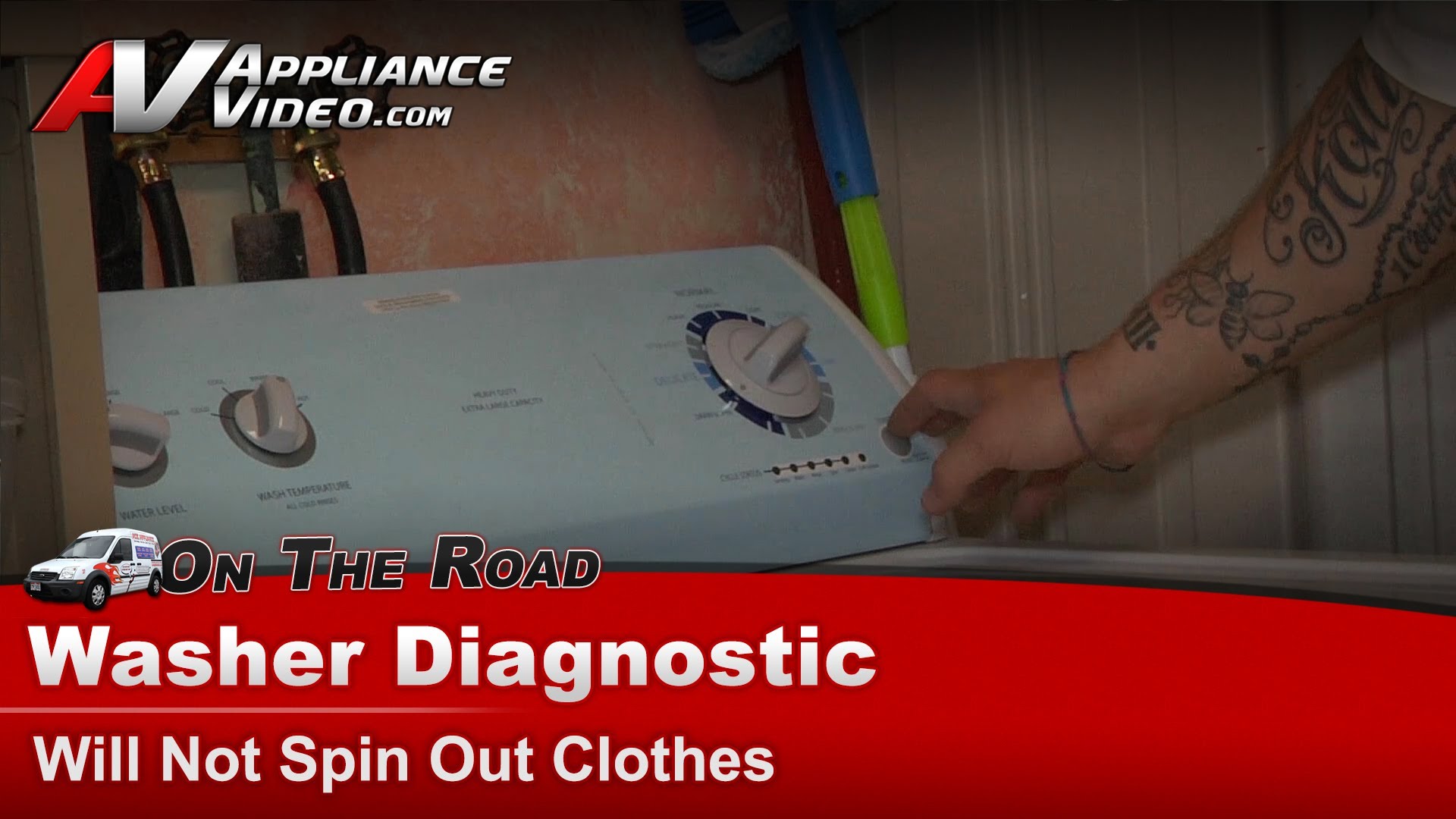
2. Washer Not Spinning
A washer that won’t spin leaves clothes soaking wet. Here are common causes and fixes:
- Unbalanced Load: Too many clothes on one side can stop spinning. Rearrange the load and restart the cycle.
- Lid Switch Issue: The washer won’t spin if the lid switch fails. Test by pressing the lid switch with your finger (if accessible) and see if the spin cycle starts.
- Drive Belt Problems: If the belt is loose or broken, the drum won’t turn. Check under the washer for a broken belt or black dust (belt debris).
- Motor Coupling Failure: In some models, a plastic coupling connects the motor to the drum. If it breaks, you’ll hear the motor run but the drum stays still.
3. Washer Not Draining
If water stays in the drum, your clothes can’t finish drying. Draining problems are usually caused by:
- Clogged Drain Pump: Small objects like coins or lint can block the pump. Remove the lower front panel, find the pump, and check for blockages.
- Blocked Drain Hose: Disconnect the hose from the back and flush it out. Watch for kinks or bends that stop water flow.
- Faulty Pump: If you hear a humming noise but no water drains, the pump may be bad. Replacement is needed.
4. Washer Leaking Water
Leaks can cause water damage and mold. Check these areas:
- Door Seal (Front-loaders): Look for tears or dirt on the rubber seal. Clean with a cloth and inspect for damage.
- Hoses: Tighten hose connections at the back. Replace cracked or bulging hoses.
- Detergent Drawer: Too much detergent or the wrong kind can cause overflow. Use high-efficiency (HE) detergent for front-loaders and measure carefully.
- Drum Gasket: The gasket may wear out over time, especially in older washers.
5. Washer Making Loud Noises
Unusual noises usually mean something is wrong inside:
- Foreign Objects: Coins, buttons, or pens can get stuck in the drum. Check the drum and clean out any debris.
- Worn Drum Bearings: A grinding noise when spinning usually means the bearings are worn. This repair is advanced and usually needs a technician.
- Loose Parts: Screws, bolts, or the drive belt may become loose over time. Tighten as needed.
6. Washer Smells Bad
A musty or sour smell is common in washers that aren’t cleaned regularly:
- Mold and Mildew: Run a hot water cycle with 2 cups of white vinegar every month to clean the drum.
- Dirty Door Seal: Wipe the seal with a damp cloth and leave the door open after each wash.
- Trapped Water: Check the detergent drawer and drain area for standing water.
7. Washer Fills Slowly Or Not At All
If your washer takes forever to fill, check:
- Water Faucets: Make sure both hot and cold water valves are fully open.
- Inlet Filters: Small screens where hoses connect can get clogged. Turn off water, remove hoses, and clean filters.
- Water Pressure: Low home water pressure can cause slow filling. Test other faucets in your house for similar problems.
8. Washer Shaking Or Vibrating
Excess movement can damage your washer and floor:
- Leveling: Adjust the washer’s feet until it sits level. Use a bubble level tool for accuracy.
- Uneven Load: Distribute clothes evenly inside the drum.
- Floor Surface: Place the washer on a solid, flat surface. Avoid soft or uneven flooring.
9. Washer Stops Mid-cycle
If your washer starts but doesn’t finish, the causes could be:
- Power Issues: Brief power outages or surges can interrupt the cycle.
- Overheating Motor: If the motor gets too hot, it will shut off to cool down. Let the washer rest for 30 minutes, then try again.
- Faulty Timer or Control Board: These parts may fail with age and need replacement.

Troubleshooting Steps For Beginners
If you’re new to home repairs, don’t worry. Start with these simple steps before calling for help.
Safety First
- Unplug the washer before opening any panels or touching electrical parts.
- Turn off water supply to prevent leaks.
Basic Troubleshooting Checklist
- Read the User Manual: Every Crosley model has a unique layout. The manual includes diagrams, part names, and quick fixes.
- Visual Inspection: Check for obvious signs like loose wires, leaks, or objects stuck in the drum.
- Run a Diagnostic Test: Many Crosley washers have a built-in test mode. Follow instructions in your manual to activate it.
- Listen and Observe: Describe what you see and hear. Is there a beep, click, or buzz? Does the water fill, but not drain?
- Reset the Machine: Unplug for 1 minute and plug back in. This often fixes electronic glitches.
When To Call A Technician
Some repairs are best left to professionals:
- Smell of burning or visible smoke
- Washer trips your circuit breaker
- Drum will not turn at all
- Repeated error codes on the display
- Leaking from the bottom of the washer
Attempting advanced repairs without proper tools or knowledge can cause further damage or void your warranty.
Crosley Washer Error Codes Explained
Modern Crosley washers show error codes on their display when something goes wrong. Here are some common codes and what they mean:
| Error Code | Meaning | How to Fix |
|---|---|---|
| F01 | Main control board fault | Unplug for 5 minutes; if code returns, call for service |
| F21 | Drain problem | Check drain hose and pump for clogs |
| F22 | Door lock error | Ensure door is closed firmly; check latch |
| F23 | Heater or temperature sensor problem | Needs technician to check sensor or wiring |
| F11 | Communication error | Try unplugging; persistent issues need service |
Always check your model’s manual for codes specific to your washer, as codes can vary between models.
Maintenance Tips To Prevent Future Problems
Keeping your Crosley washer in top condition helps avoid breakdowns and expensive repairs. Here are proven tips:
Use The Right Detergent
- Use HE detergent for front-load washers and measure carefully to avoid soap buildup.
Clean Regularly
- Run a cleaning cycle with vinegar or washer cleaner every month.
- Wipe the door seal and detergent drawer after each use.
Inspect Hoses And Seals
- Check hoses for cracks or leaks every 6 months.
- Replace hoses every 5 years, even if they look fine.
Don’t Overload The Washer
- Follow your washer’s capacity guidelines. Overloading strains the motor and suspension.
Keep The Washer Level
- Uneven washers shake more, causing wear. Adjust the feet if needed.
Leave The Door Open
- After each use, leave the door slightly open to let air circulate and prevent mold.
Remove Washed Items Promptly
- Letting wet clothes sit in the drum can cause odors and mildew.
Crosley Washer Parts: What Fails Most Often
Certain Crosley washer parts wear out or break more than others. Knowing which parts are most likely to fail can help you diagnose problems faster.
| Part Name | Typical Lifespan | Symptoms of Failure |
|---|---|---|
| Drive Belt | 6-8 years | Drum doesn’t spin, squealing noise |
| Lid/door switch | 5-7 years | Washer won’t start or spin |
| Drain Pump | 5-10 years | Water won’t drain, humming sound |
| Water inlet valve | 7-10 years | Slow or no filling |
| Control board | 8-12 years | Random errors, won’t start |
Simple parts like belts and switches can often be replaced at home, but electronic control boards usually require a technician.
Comparing Crosley Washers To Other Brands
If you’re considering a Crosley washer or want to understand how it compares, this overview may help.
| Feature | Crosley | Whirlpool | GE |
|---|---|---|---|
| Price | Affordable | Moderate to high | Moderate |
| Availability of parts | Good | Excellent | Good |
| Repair cost | Low to moderate | Moderate | Moderate |
| Warranty | 10-year limited | 1-10 years | 1-10 years |
| Typical lifespan | 10-14 years | 12-16 years | 10-15 years |
Crosley washers are a smart choice for budget-conscious buyers. Their parts are widely available and repairs are usually affordable compared to premium brands.
Non-obvious Troubleshooting Insights
Many beginners miss these details when fixing washers:
- Detergent Drawer Cleaning: Soap and fabric softener residue in the drawer can block water flow and cause leaks. Remove and rinse the drawer monthly. Use an old toothbrush for corners.
- Hidden Lint Filters: Some Crosley washers have a small lint filter near the drain pump. Check your manual and clean this filter every few months to prevent clogs.
- Check for Child Lock: If buttons don’t work, your washer might be in child lock mode. Look for a lock icon and press the correct button combination to unlock.
- Door Alignment Matters: If the door or lid is even slightly misaligned, your washer may not start. Gently adjust the door to make sure it latches fully.
Crosley Washer Troubleshooting Example
Let’s walk through a real-world scenario:
Problem: Crosley top-load washer won’t drain after the wash cycle.
Step 1: Listen for sounds. If you hear a humming noise but no water movement, the drain pump is likely blocked.
Step 2: Unplug the washer. Lay a towel on the floor, remove the back panel, and find the drain pump.
Step 3: Disconnect the drain hose. Watch out for leftover water.
Step 4: Check for blockages. Look for socks, coins, or lint inside the pump and hose.
Step 5: Remove debris, reconnect everything, and run a short cycle to test.
If the washer still won’t drain, the pump may need to be replaced. This step-by-step approach works for many common issues.
When To Replace Vs. Repair
Sometimes it’s better to replace your Crosley washer rather than repair it. Here’s how to decide:
- Repair if the machine is under 7 years old, and the repair costs less than half the price of a new washer.
- Replace if repairs are frequent, the drum or control board fails, or the washer is over 10 years old.
Newer washers are more energy efficient and may save on water and electricity bills. Be sure to recycle your old washer responsibly.

Where To Find Parts And Help
If you need Crosley washer parts or technical support, try these options:
- Official Crosley Dealers: They offer genuine parts and factory service.
- Appliance Parts Stores: Many carry compatible Crosley parts.
- Online Forums: Sites like ApplianceJunk.com have repair tips and videos.
- Manufacturer Websites: For manuals and warranty information, see the official Crosley site.
A reliable source for washer repair guides and parts is RepairClinic.
Frequently Asked Questions
How Do I Reset My Crosley Washer?
Unplug the washer from the wall outlet for 1 minute, then plug it back in. This often resets the electronics and clears minor errors. Some models have a reset button—check your manual.
Why Does My Crosley Washer Smell Bad?
Bad odors come from mold, mildew, or detergent buildup. Run a hot cycle with vinegar monthly, clean the door seal, and leave the door open after washing to let the drum dry.
What Should I Do If My Crosley Washer Leaks Water?
Check hose connections, door seals, and the detergent drawer for leaks. Use the correct detergent and clean out any residue. If leaks persist, inspect the drum gasket for damage.
Is It Safe To Repair My Washer Myself?
Simple tasks like cleaning the filter or replacing hoses are safe for most people. For electrical or drum problems, call a professional to avoid injury or further damage.
Where Can I Get A Crosley Washer Manual?
Most manuals are available on the official Crosley website. Search by your washer’s model number to download a free PDF manual.
A little knowledge and regular care can keep your Crosley washer running for years. By understanding common problems and knowing when to seek help, you’ll get the best performance from your appliance and avoid costly breakdowns.

