

A Frigidaire Gallery refrigerator is well-known for its reliability and modern features, but when the ice maker stops working, daily routines can quickly get disrupted. Ice makers are complex yet essential, and troubleshooting them often seems confusing. Whether you’re facing no ice production, small or misshapen cubes, or a leaky dispenser, understanding the root cause saves time, money, and stress. This guide will walk you through every key step to get your Frigidaire Gallery refrigerator ice maker back to normal, even if you’re not a technical expert.
Understanding How A Frigidaire Gallery Ice Maker Works
Before diving into troubleshooting, it helps to know the basic process behind the ice maker’s operation. The ice maker in a Frigidaire Gallery refrigerator usually works in these steps:

36% off Today’s Exclusive Deals
Limited-time Exclusive Deals. Check current discount on Amazon.
Check Price on Amazon As an Amazon Associate I earn from qualifying purchases.- The water inlet valve opens, filling the ice mold.
- Water freezes in the mold.
- A thermostat senses when the ice is frozen.
- Ejector arms push the ice cubes into the bin.
- The cycle repeats.
When any part of this chain breaks, the ice maker might stop working or work incorrectly. Knowing this cycle makes it easier to spot where things go wrong.
Common Symptoms And What They Mean
Every ice maker problem has a symptom. Identifying the symptom is the first step to diagnosing the issue.
No Ice Production
When your ice maker stops making ice completely, it’s often due to a blocked water line, a faulty valve, or the ice maker not being turned on.
Small Or Misshapen Ice Cubes
If cubes are tiny, hollow, or deformed, low water pressure or a partially frozen line could be the culprit.
Ice Maker Is Noisy
Unusual noises often point to issues with the motor, ice jam, or water supply.
Water Leaks Inside The Freezer
Leaks can come from a cracked ice mold, overfilling, or a misaligned ice tray.
Ice Dispenser Not Working
If the dispenser won’t release ice, it’s often a mechanical jam or an electrical issue.
Understanding these symptoms can help focus your troubleshooting efforts.
Initial Checks: The Basics
Many ice maker problems can be fixed with simple checks—no tools required.
Is The Ice Maker Switched On?
Frigidaire Gallery ice makers usually have an on/off arm or switch. Make sure it’s set to “on.” Sometimes, items in the freezer can accidentally push the arm up, pausing ice production.
Is The Ice Bin In Place?
If the ice bin isn’t correctly positioned, the maker won’t work. Slide the bin out and back in securely.
Check The Freezer Temperature
The ideal freezer temperature for ice production is between 0°F and 5°F. If it’s warmer, ice won’t form. Use a thermometer to check accuracy.
Look For Obvious Blockages
Ice jams in the ejector arm or dispenser chute are common. Remove any clumped ice.
Test Water Supply
Check if your refrigerator is connected to a working water supply. Try dispensing water from the fridge. If water flow is weak, your ice maker might not be getting enough water.
Step-by-step Troubleshooting Guide
If basic checks don’t solve the problem, follow these targeted steps. Each step addresses a particular issue.
1. Inspect The Water Filter
A clogged water filter can restrict flow to the ice maker. Replace the filter every six months or when the status light indicates. Using non-Frigidaire filters may cause compatibility issues.
| Filter Age | Ice Maker Performance |
|---|---|
| 0-6 months | Optimal |
| 6-12 months | Reduced |
| 12+ months | Poor/No Ice |
Non-obvious insight: Even if the water dispenser works, a partially clogged filter can still reduce ice production.
2. Examine The Water Inlet Valve
The water inlet valve at the back of your refrigerator supplies water to the ice maker. Over time, mineral deposits can block the valve or the valve can fail electrically.
- Unplug the refrigerator.
- Locate the valve (usually behind the refrigerator).
- Listen for a clicking sound when the ice maker starts a cycle—no sound may mean a faulty valve.
- If you’re comfortable, use a multimeter to check valve continuity.
If the valve is blocked or defective, it should be replaced. Remember, low water pressure (below 20 psi) can also prevent the valve from opening.
3. Check For Frozen Water Lines
In cold climates or if your freezer is too cold, water lines can freeze. This stops water from reaching the ice maker.
- Locate the water line (often a plastic tube).
- Gently feel for ice or stiffness.
- Use a hair dryer on low to thaw the line—do not use sharp tools.
Practical tip: Add insulation to the water line area if this happens often.
4. Test The Ice Maker Assembly
The ice maker assembly itself can fail. Common issues include a jammed ejector arm, broken gears, or faulty wiring.
- Remove the ice bin.
- Try to manually cycle the ice maker using the test button (if available).
- Look for broken or loose parts.
If the assembly is defective, it may need a full replacement. Frigidaire ice makers are often modular, so you can swap out the whole unit.
5. Assess The Door Switch
When you open the freezer, a door switch stops ice and water dispensing. If the switch fails, the ice maker won’t work.
- Press the switch (usually at the top or side of the door) and listen for a click.
- If the interior light stays on with the door closed, the switch may be faulty.
Replacing a door switch is usually a simple DIY job.
6. Evaluate The Temperature Control Thermostat
A faulty thermostat can prevent the ice maker from detecting when to harvest ice.
- Use a refrigerator thermometer to verify the freezer stays cold enough.
- If the temperature fluctuates widely, the thermostat may need replacing.
7. Inspect The Ice Level Control Board
Some Gallery models use an electronic ice level control board. If this board fails, ice production may stop or become erratic.
- Check for blinking error codes (refer to your manual).
- If the board is not functioning, professional repair is often needed.
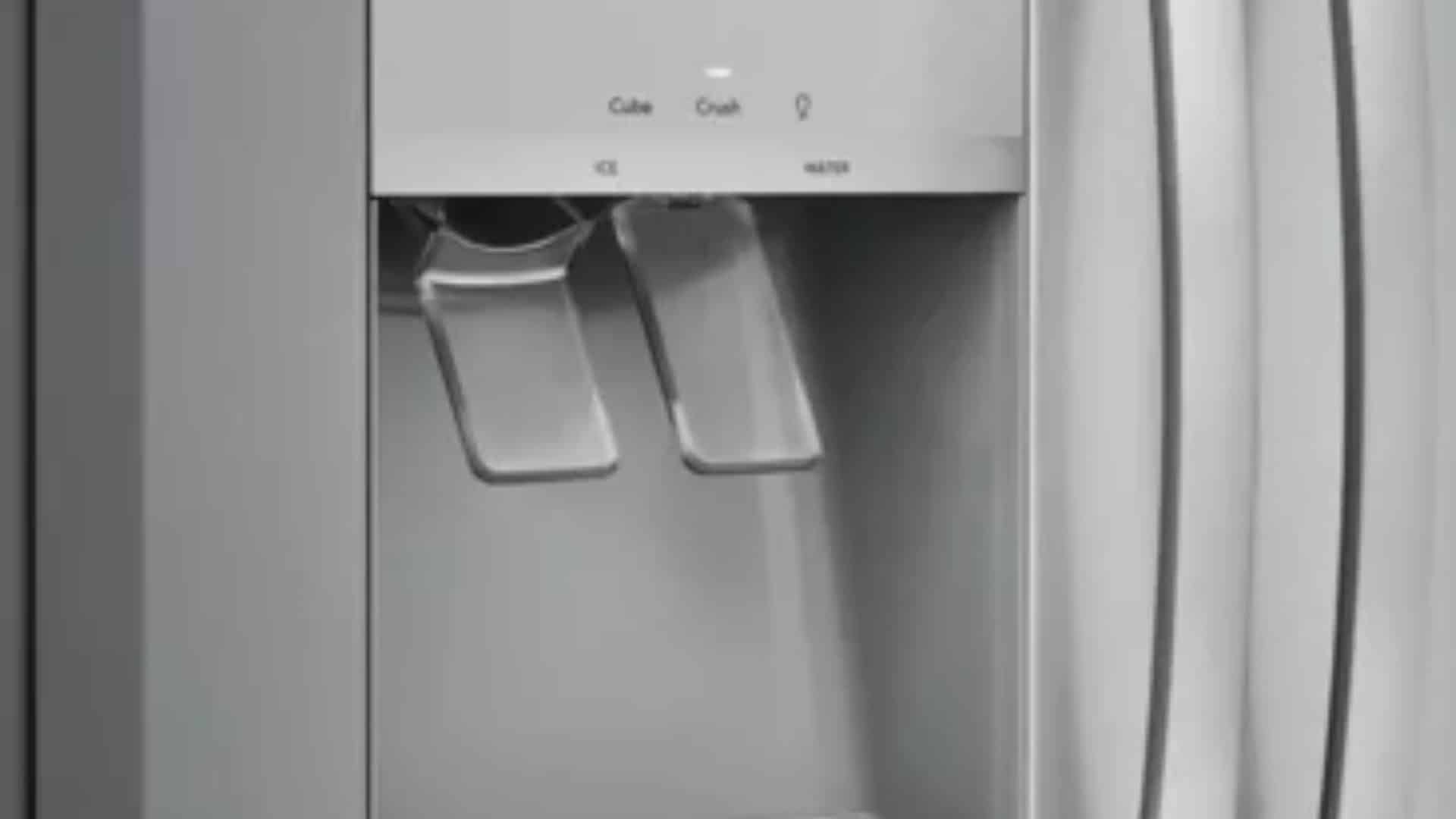
Advanced Troubleshooting: When The Problem Persists
If you’ve completed the above steps and still have issues, it’s time to dig deeper.
Diagnosing Electrical Problems
A lack of ice can be traced to electrical failures:
- Check for loose wires at the back of the unit.
- Inspect the ice maker’s wiring harness for damage.
- Use a multimeter to test for voltage.
Non-obvious insight: Power surges can damage refrigerator control boards, leading to ice maker issues even if the rest of the fridge works.
Control Panel And Error Codes
Some Frigidaire Gallery models display error codes on their digital panels. These codes can guide you to the problem area. Always consult your model’s manual for code definitions.
Comparing Diy Vs Professional Repair
Some problems are best left to professionals, especially if you lack experience with electrical components or refrigerant systems.
| Problem | DIY | Professional Needed |
|---|---|---|
| Replacing water filter | ✔️ | |
| Testing door switch | ✔️ | |
| Replacing ice maker assembly | ✔️ (with guide) | |
| Electrical board issues | ✔️ | |
| Severe leaks or refrigerant problems | ✔️ |
Maintenance Tips To Prevent Future Ice Maker Problems
Regular maintenance reduces breakdowns and extends your ice maker’s lifespan.
Change The Water Filter Regularly
Replace every 6 months, or sooner if water quality is poor.
Keep The Freezer At The Right Temperature
Too cold or too warm interrupts the ice cycle.
Clean The Ice Bin
Remove the bin monthly and wash with warm, soapy water. Dry completely before returning.
Don’t Overfill The Freezer
Packed freezers block airflow, which can slow ice production.
Use The Ice Maker Often
If you leave the ice maker unused for weeks, ice can clump and parts can stick. Dump old ice and run a few cycles after long breaks.
Inspect For Leaks
Check water lines and connections each time you clean behind your fridge.

When To Replace Your Ice Maker
Sometimes, replacement is more cost-effective than repair. Consider replacing your ice maker if:
- The assembly is over 7-10 years old.
- Repairs cost more than half the price of a new unit.
- Multiple components are failing.
New Frigidaire Gallery ice makers range from $90 to $200, depending on features. Always use genuine parts for best compatibility.
Cost Comparison: Repair Vs. Replace
Here’s a quick look at typical costs associated with ice maker issues:
| Issue | DIY Cost | Professional Cost |
|---|---|---|
| Replace water filter | $25 – $50 | $75 – $120 |
| Replace water inlet valve | $35 – $60 | $150 – $250 |
| Replace ice maker assembly | $90 – $200 | $200 – $400 |
| Control board repair | Not advised | $250 – $500 |
Practical tip: If your refrigerator is still under warranty, contact Frigidaire or your retailer before paying for repairs.

Environmental Factors Affecting Ice Maker Performance
Sometimes, the problem isn’t the ice maker itself.
Water Quality
Hard water with minerals can clog valves and create buildup. Use a quality filter and clean lines regularly.
Room Temperature
Kitchens that get very hot or cold can affect freezer operation. Try to keep the room between 60°F and 90°F.
Power Supply
Frequent outages or voltage spikes can harm electronic controls. Use a surge protector for your refrigerator.
Why Ice Makers Fail: Insights For Owners
Ice makers are among the hardest-working parts of a refrigerator. Here’s what most owners don’t realize:
- Frequent short cycles (like opening the freezer door often) can cause ice jams and leaks.
- Power interruptions—even short ones—can reset the ice maker, leading to delays in production.
- Using generic water filters or replacement parts often leads to poor fit and performance.
Being aware of these less obvious factors helps you avoid preventable issues.
Frequently Asked Questions
Why Is My Frigidaire Gallery Ice Maker Making Ice Slowly?
A slow ice maker often means the freezer temperature is too high, or the water filter is partially blocked. Check that the freezer is set between 0°F and 5°F and replace the filter if it’s older than six months. Low water pressure can also reduce speed.
How Do I Reset The Ice Maker On My Frigidaire Gallery Refrigerator?
To reset the ice maker, turn off the ice maker using the arm or switch, wait 30 seconds, then turn it back on. Some models have a reset button—hold it for 10 seconds. Refer to your model’s manual for details.
What Should I Do If My Ice Maker Is Leaking Water?
Leaks are usually caused by a misaligned ice tray, cracked mold, or overfilling. Check the tray’s position, inspect for visible cracks, and ensure the refrigerator is level. If the water inlet valve is faulty, replace it.
Can I Use Generic Water Filters In My Frigidaire Gallery Refrigerator?
While generic filters can fit, they may cause flow problems or leaks. Frigidaire recommends using genuine filters for best results and to avoid voiding your warranty. For more on this, see the manufacturer’s advice on their official website.
How Often Should I Clean The Ice Bin And Ice Maker Parts?
Clean the ice bin every month and wipe down ice maker parts every few months. This prevents clumping, odors, and bacterial growth. Make sure to dry all parts thoroughly before reassembling.
Bringing your Frigidaire Gallery refrigerator ice maker back to life doesn’t have to be a mystery. With careful checks, regular maintenance, and the right parts, you can keep the ice flowing and avoid unnecessary repair bills. If you ever feel out of your depth, don’t hesitate to call in a professional—your time and food safety are worth it. For deeper technical information, the Wikipedia entry on icemakers offers helpful background on ice maker systems.

