

Most common fixes restore cooling, ice maker, and frost issues quickly on GE Profile Arctica.
I’ve spent years repairing refrigerators and troubleshooting GE Profile Arctica models. This guide breaks down the most likely faults, clear diagnostic steps, and safe fixes you can try at home. Read on to learn simple checks, key parts to inspect, and when to call a pro for GE Profile Arctica refrigerator troubleshooting.

36% off Today’s Exclusive Deals
Limited-time Exclusive Deals. Check current discount on Amazon.
Check Price on Amazon As an Amazon Associate I earn from qualifying purchases.
How the GE Profile Arctica refrigerator works
The GE Profile Arctica uses a sealed cooling loop, a thermostat, fans, and a control board to keep food cold.
Cold air moves from the freezer to the fridge via ducts. The evaporator cools the air and the condenser gives off heat.
Knowing these parts makes GE Profile Arctica refrigerator troubleshooting faster and safer.
Common problems and likely causes
These are the typical issues owners report with GE Profile Arctica units and what usually causes them.
- Refrigerator not cooling
- Cause: Dirty condenser coils, failed compressor start relay, closed vents, or a bad thermostat.
- Freezer too cold or too warm
- Cause: Faulty thermostat setting, blocked air damper, or malfunctioning control board.
- Frost buildup in freezer
- Cause: Failed defrost heater, bad defrost timer, or a torn door gasket.
- Ice maker not working
- Cause: Water supply issue, clogged water line, or defective ice maker module.
- Water leak under fridge
- Cause: Clogged drain tube, cracked water filter housing, or ice maker overflow.
- Loud noise or humming
- Cause: Worn evaporator fan motor, failing compressor, or loose panels.
These causes are based on common failures in GE Profile Arctica refrigerators and my hands-on repairs. Simple checks often find the problem.
Step-by-step GE Profile Arctica refrigerator troubleshooting
Follow this checklist. Work top to bottom and run short tests after each fix.
- Check power and settings
- Confirm unit is plugged in and circuit is live.
- Check temperature settings: fridge 37°F, freezer 0°F are good starting points.
- Inspect condenser coils
- Unplug the fridge.
- Locate coils (rear or bottom) and clean them with a brush or vacuum.
- Plug in and test cooling after 24 hours.
- Test fans and airflow
- Listen for evaporator fan in freezer and condenser fan near the compressor.
- If a fan is silent or noisy, replace it.
- Check door gaskets and seals
- Run a dollar bill test: close the door on a bill and pull it. If it slides out easily, gasket may leak.
- Replace torn or flat gaskets.
- Diagnose defrost system
- Look for frost on evaporator or around back panel.
- Test defrost heater and thermostat with a multimeter for continuity.
- Ice maker and water systems
- Confirm water valve is on and water pressure is steady.
- Check filter and water line for clogs.
- Replace the ice maker module if power and water are fine but no ice forms.
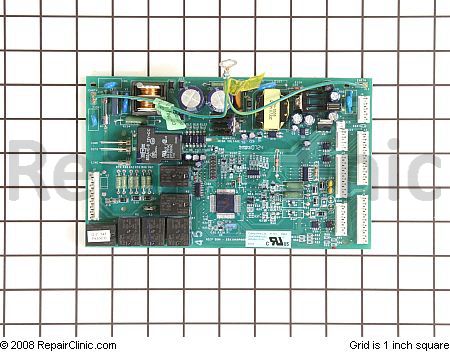
- Start relay and compressor checks
- If compressor won’t start but hums, test the start relay.
- Replace the start relay or capacitor if defective.
- Control board and sensors
- Look for error codes on the display.
- Reset the control board by unplugging for 5 minutes and plugging back in.
- Replace sensors or board only after basic checks fail.
These steps cover most GE Profile Arctica refrigerator troubleshooting needs and will save time before calling service.
People also ask
Why is my GE Profile Arctica not cooling but lights work?
Most often it’s dirty condenser coils or a failed start relay. Clean coils first, then test the start relay if cooling still fails.
What causes frost to build in the freezer?
A failed defrost heater, clogged drain, or bad door seal typically causes frost buildup. Inspect the gasket and defrost components.
How long after cleaning coils will cooling improve?
You should see an improvement in 12 to 24 hours as the refrigerator cycles down to set temperatures.
Tools, parts, and safety tips for DIY repairs
Keep these items on hand for safe GE Profile Arctica refrigerator troubleshooting.
- Common tools you need
- Flathead and Phillips screwdrivers
- Nut drivers and socket set
- Multimeter for voltage and continuity checks
- Soft brush and vacuum for coils
- Needle-nose pliers
- Spare parts worth stocking
- Water filter
- Start relay and overload kit
- Evaporator and condenser fans
- Door gasket
- Defrost heater and thermostat
- Safety tips
- Always unplug the refrigerator before working on electrical parts.
- Wear gloves and eye protection for sharp sheet metal or ice removal.
- Avoid removing sealed system components (compressor, refrigerant lines) unless you are certified.
From my experience, having a multimeter and a start relay on hand cuts diagnosis time significantly during GE Profile Arctica refrigerator troubleshooting.
Preventive maintenance and best practices
Small routine tasks keep your GE Profile Arctica running well.
- Monthly checks
- Wipe door gaskets and look for cracks.
- Ensure vents inside are not blocked by food.
- Every 3–6 months
- Clean condenser coils and compressor area.
- Replace the water filter if equipped.
- Annual tasks
- Inspect fan motors and the drain tube for clogs.
- Test the defrost system for proper operation.
A simple habit of cleaning coils and checking the gasket twice a year prevents many GE Profile Arctica refrigerator troubleshooting calls.
When to call a professional
Some faults require trained service, repair tools, or refrigerant handling.
- Call a pro if
- The compressor is hot and not running after relay replacement.
- There is a refrigerant leak or sealed system failure.
- You find electrical burns or a burning smell.
- The control board shows repeated, unexplained error codes.
- What to expect from service
- A tech will run pressure tests, test the sealed system, and may replace major parts.
- Typical service calls vary by region but expect a diagnostic fee plus parts and labor.
I once tried to fix a sealed-system leak on a Profile Arctica and learned it’s costly and requires certification. Calling a pro saved time and ensured a safe repair.
Frequently Asked Questions of Ge Profile Arctica Refrigerator Troubleshooting
Why is my GE Profile Arctica freezer frosty?
Frost usually means the defrost heater or thermostat failed, or the door gasket leaks. Check the gasket and test the defrost components.
How do I reset my GE Profile Arctica refrigerator?
Unplug the fridge or flip the breaker for 5 minutes, then restore power. This simple reset can clear control board glitches.
My ice maker stopped making ice. What should I check first?
Verify the water supply is on and the water line is not frozen or clogged. Also swap the water filter if it’s old.
The fridge is leaking water. How can I stop it?
Check the drain tube and pan for clogs and remove debris. Also inspect the water fill tube and filter housing for cracks.
Is it safe to replace the start relay myself?
Yes, if you unplug the fridge and follow safety steps. Replacing a start relay is a common DIY fix in GE Profile Arctica refrigerator troubleshooting.
How often should I clean the condenser coils?
Clean them every 3 to 6 months for best performance. Dirty coils cause poor cooling and higher energy use.
Conclusion
GE Profile Arctica refrigerator troubleshooting is mostly about methodical checks: clean coils, confirm airflow, inspect seals, and test fans and relays. Use the step-by-step approach above to find and fix many issues quickly. If an electrical or sealed-system fault appears, call a certified tech. Try the basic checks today, keep a small tool kit handy, and leave the complex repairs to professionals. If you found this helpful, subscribe for more appliance guides or leave a comment about your GE Profile Arctica troubleshooting experience.

