

Norcold Rv Refrigerator Troubleshooting: Quick fixes for power, cooling, and odor issues on the road.
I have spent years repairing and living with RV fridges, so I know how stressful a failing unit can be. This guide on Norcold Rv Refrigerator Troubleshooting gives clear, tested steps and simple explanations so you can diagnose problems fast and get back to camping.

36% off Today’s Exclusive Deals
Limited-time Exclusive Deals. Check current discount on Amazon.
Check Price on Amazon As an Amazon Associate I earn from qualifying purchases.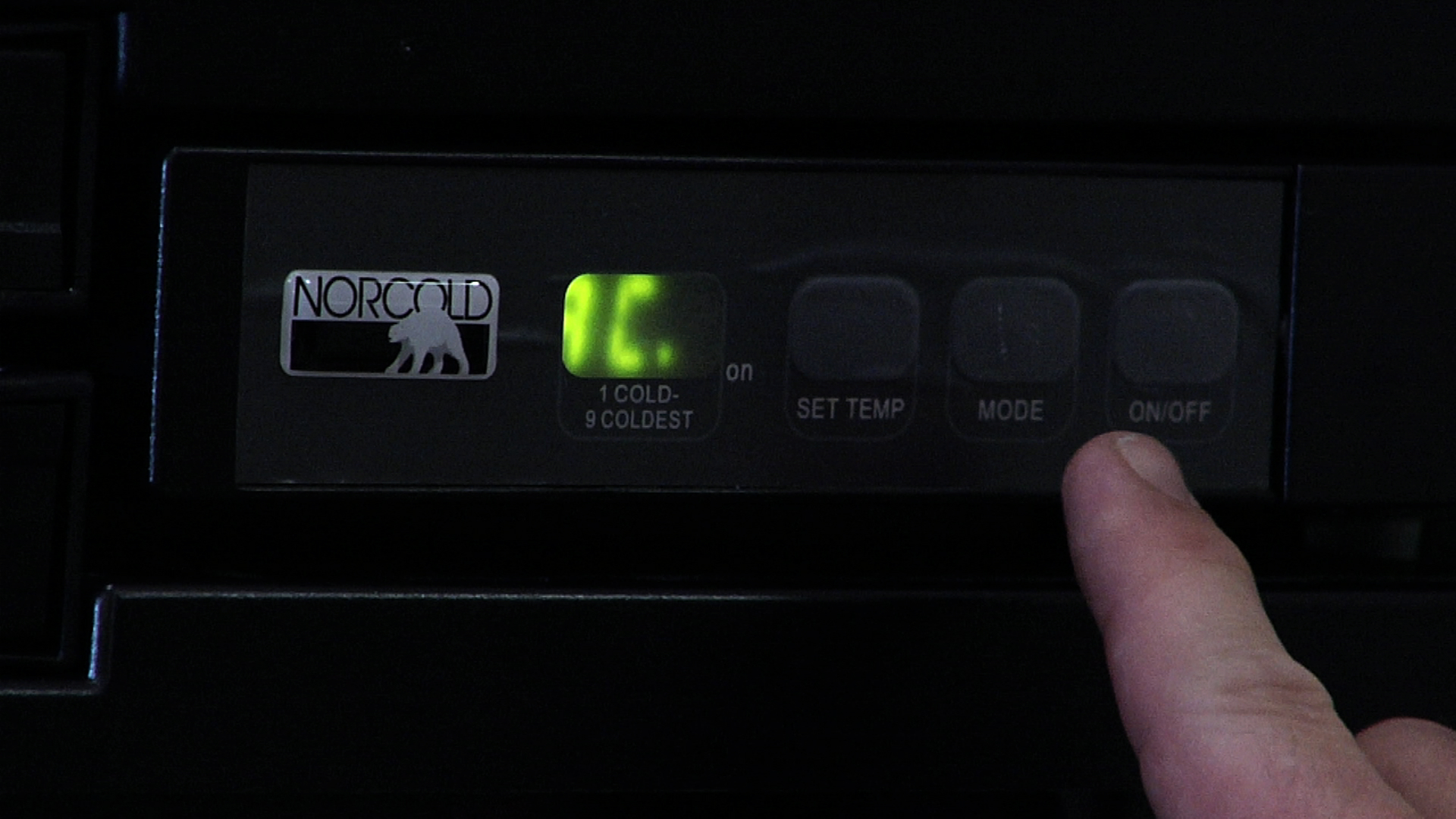
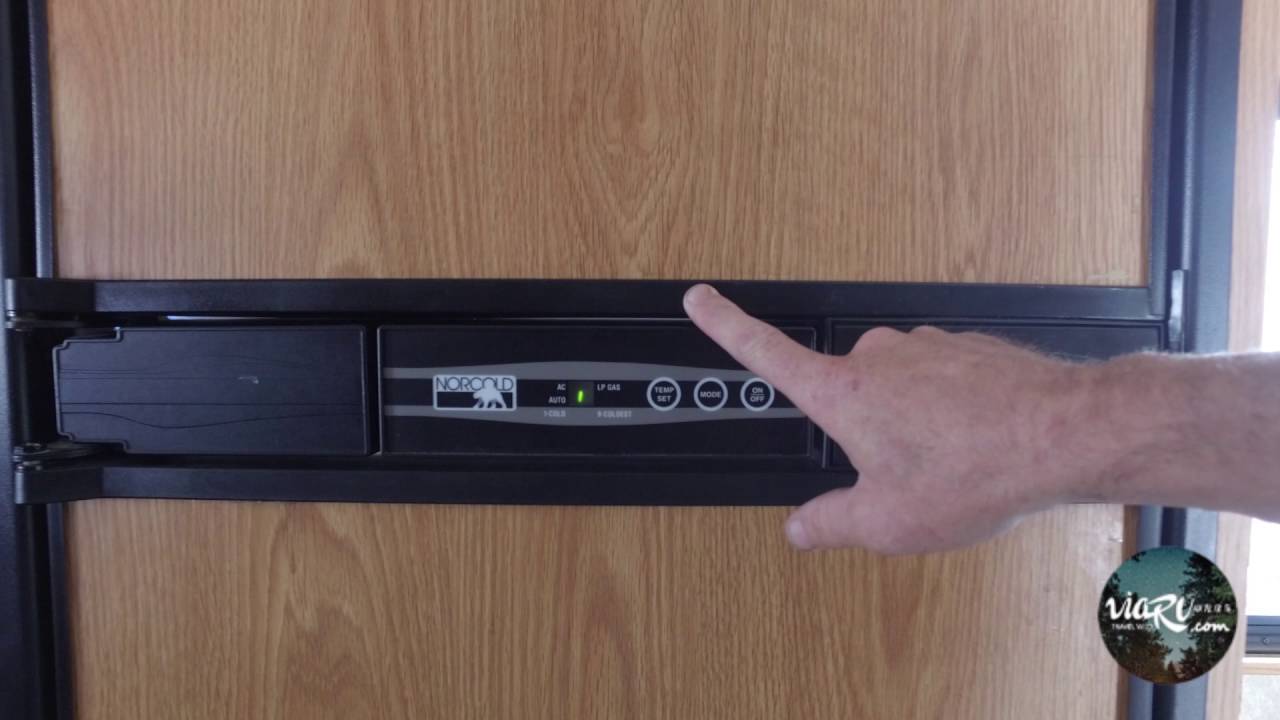
How Norcold RV Refrigerators Work
Norcold Rv Refrigerator Troubleshooting starts with understanding how the fridge works.
Most Norcold units use absorption cooling. That means they run on propane, shore power, or 12V and use heat to move refrigerant.
Knowing the basics helps you isolate whether the issue is electrical, fuel-related, or mechanical.

Common Symptoms and What They Mean
When practicing Norcold Rv Refrigerator Troubleshooting, spot symptoms early.
Here are common signs and likely causes:
- Fridge not cooling
- Could be propane flame out, no AC power, or failed heating element.
- Fridge cools poorly or unevenly
- Could be low refrigerant flow, blocked vent, or dirty coils.
- Igniter or pilot light problems
- Could be thermocouple or igniter failure.
- Strange smells or leaks
- Could be spoiled food, condensation, or an ammonia leak.
Step-by-Step Norcold Rv Refrigerator Troubleshooting Guide
Follow these steps in order. Each step narrows the cause quickly.
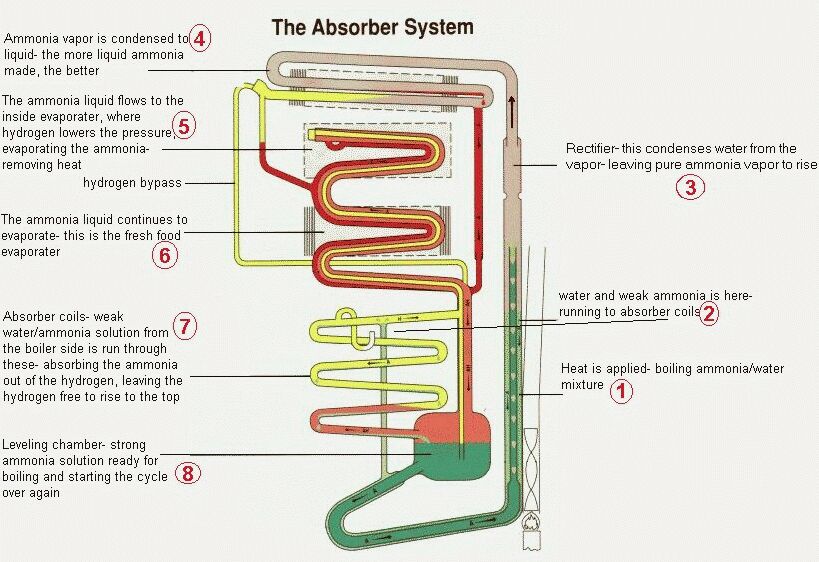
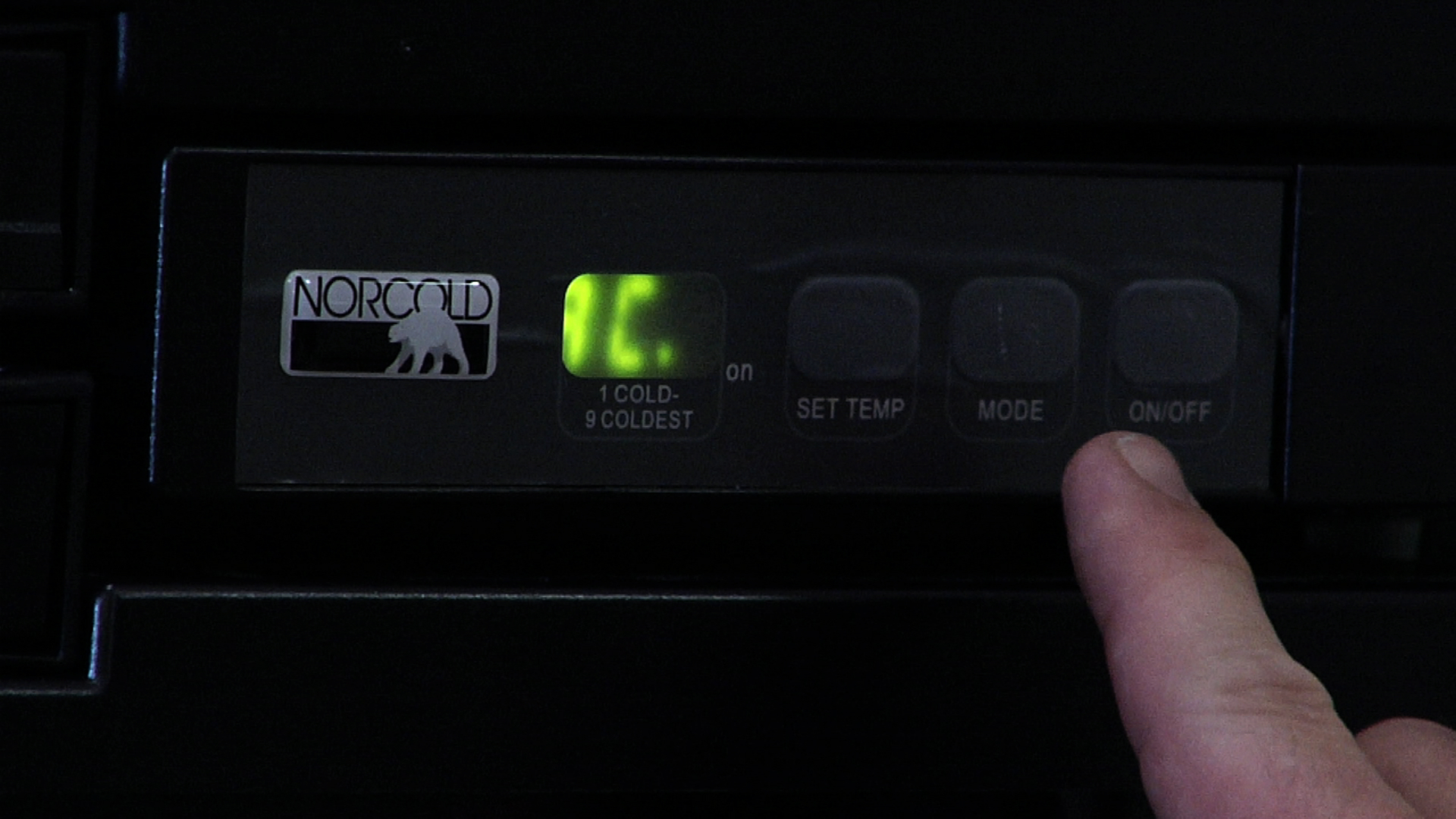
- Check power and controls
- Verify shore power or battery voltage. Low voltage prevents operation.
- Ensure control panel is set to the right mode (Auto, LP, or 120V).
- Test propane system
- Confirm propane tank is on and regulator working.
- Light the fridge in LP mode and watch the flame or use the electronic igniter.
- Inspect vents and flue
- Clear any debris from the rear flue and exterior vents.
- Airflow blockage often causes poor cooling.
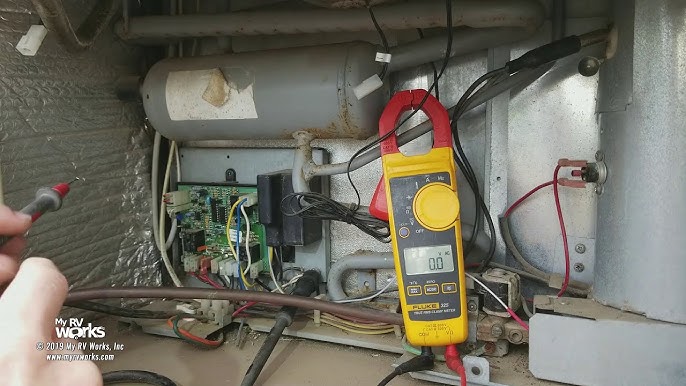
- Run a voltage and continuity check
- Test 12V at the fridge input when operating on battery.
- Check fuses and wiring to the control board.
- Verify heating element on 120V
- With AC mode, confirm the heating element gets 120V and heats.
- A dead element means the fridge won’t cool on electric.
- Smell test and leak checks
- Smell of ammonia suggests a serious coolant leak; stop using the fridge and seek repair.
- Moisture inside could be blocked drains or door seal issues.
These troubleshooting steps cover most common failures. Repeat checks after each repair to confirm normal operation.

Error Codes and Diagnostics for Norcold Rv Refrigerator Troubleshooting
Norcold units show fault codes or LEDs. Learn basic meanings:
- F0 or no code
- Normal operation or no active fault.
- F1 to F4
- Often indicate sensor or control board faults.
- E1, E2
- Could signal thermistor or temperature sensor issues.
When you see a code:
- Could signal thermistor or temperature sensor issues.
- Note the code and when it appears.
- Reset the unit by cutting power for 5 minutes.
- If the code returns, document it and consult a service manual or technician.

Maintenance Tips to Prevent Problems
Regular maintenance makes Norcold Rv Refrigerator Troubleshooting easier and less frequent. Do this monthly:
- Clean exterior vents and flue
- Use a brush to remove leaves and nests.
- Level the RV
- Absorption fridges need to be near level to cool well.
- Clean door seals and interior
- Replace worn gaskets to keep a tight seal.
- Run on multiple power sources occasionally
- Cycle between LP and AC to keep components functional.
- Inspect propane components annually
- Check hoses, regulator, and fittings for leaks.
Parts, Tools, and Safety for Norcold Rv Refrigerator Troubleshooting
Use proper tools and observe safety rules to avoid harm.
- Tools to have
- Multimeter, propane leak detector, nut drivers, contact cleaner.
- Common parts to carry
- Fuses, 12V relay, thermocouple, igniter, door gasket.
- Safety first
- Turn off power and propane before deep repairs.
- If you detect ammonia smell, ventilate, stop using the fridge, and get professional help.
Using the right parts and tools makes troubleshooting faster and safer.
When to Repair vs Replace
Decide based on age, cost, and reliability.
- Repair if
- Problem is a replaceable component like igniter, thermostat, or gasket.
- Unit is under 10–15 years and structurally sound.
- Replace if
- Ammonia leak (dangerous) or major corrosion.
- Frequent failures or repair cost approaches replacement value.
I have repaired many units, and I replace when repairs outpace value and safety.
Personal Experience and Lessons Learned
I once traveled across three states with a fridge that cycled poorly. Troubleshooting revealed a blocked vent and a weak regulator. Clearing the vent and replacing the regulator fixed it.
Lessons I learned:
- Always check vents first. Many trips interrupted by small birds or leaves.
- Carry a basic repair kit. A spare igniter and fuses saved a weekend trip.
- Keep a service manual or scanned copy on your phone. It makes error codes easy to interpret.
Norcold Rv Refrigerator Troubleshooting — Quick Questions (PAA-style)
How do I know if my Norcold fridge is running on propane or electric?
Check the control panel mode and listen for the burner or heating element. Propane mode uses a flame; electric mode uses a heating element and may show different LED indicators.
Why does my Norcold fridge run but not get cold?
Often airflow is blocked, or the heating element/heat source is failing. Check vents, level, and power source to narrow the cause.
Is it safe to use a fridge that smells like ammonia?
No. Ammonia smell indicates a coolant leak. Stop using it, ventilate, and seek professional service immediately.
Frequently Asked Questions of Norcold Rv Refrigerator Troubleshooting
How do I reset my Norcold RV refrigerator?
Turn off all power sources—12V, AC, and propane—and wait five minutes. Restore power and set the mode again to see if the issue clears.
Why is my Norcold fridge not cooling on propane but fine on shore power?
This often means the propane burner or thermocouple is faulty, or the propane supply/regulator is weak. Check the LP system and burner assembly.
How level does my RV need to be for the Norcold refrigerator to work?
Aim for within 2 degrees side-to-side and front-to-back. Absorption fridges lose efficiency when tilted more than a few degrees.
Can I run my Norcold fridge on battery alone?
Most Norcold absorption fridges use 12V for controls and fans but need propane or AC heat for cooling. Battery alone will not provide sustained cooling.
What causes warm spots in the refrigerator compartment?
Warm spots often result from poor airflow, blocked vents, or uneven leveling. Clear vents and confirm the fridge is level to improve cooling.
How long should a Norcold refrigerator stay cool after power loss?
If the door is kept closed and insulation is good, it can stay cool for several hours to a day depending on ambient temperature. Minimize door openings to extend cold time.
Conclusion
Norcold Rv Refrigerator Troubleshooting is mainly about methodical checks: power, propane, vents, level, and basic parts. Start with simple fixes, keep the unit clean, and carry basic spares. If you follow these steps, you will fix most issues yourself or know when to call a pro. Try the steps on your next trip, share your results, and subscribe or comment if you want deeper guides or model-specific help.

