

Most oven problems are fixable: check power, controls, heating elements, and door seals first.
I’ve spent years repairing and troubleshooting kitchen appliances, and this guide walks you through Stoves Electric Oven Troubleshooting with clear steps, smart diagnostics, and real-world tips. You will learn how to identify common faults, test key components, and decide when to DIY versus call a technician. Read on to save time, avoid mistakes, and get your oven heating reliably again.

36% off Today’s Exclusive Deals
Limited-time Exclusive Deals. Check current discount on Amazon.
Check Price on Amazon As an Amazon Associate I earn from qualifying purchases.
Common problems and quick fixes for Stoves Electric Oven Troubleshooting
Electric ovens show a small set of repeatable issues. Knowing the common signs helps you fix problems fast.
Most common symptoms include:
- Oven not heating at all.
- Oven heating unevenly or hot spots.
- Self-clean cycle not working or error codes.
- Oven door not closing or latch issues.
- Temperature too high or low compared to setpoint.
Quick fixes to try first:
- Confirm the oven is plugged in and the breaker is on.
- Check the control lock or oven delay features.
- Inspect visible heating elements for breaks or blisters.
- Replace a blown thermal fuse or reset the oven electronics if accessible.
I once fixed a neighbor’s oven by simply reseating a loose wire behind the control panel. Simple checks often save a service call.
Diagnostic checklist: how to approach Stoves Electric Oven Troubleshooting
Follow a step-by-step checklist to isolate problems safely and logically.
Power and controls
- Verify the circuit breaker and fuses. Reset if tripped.
- Check the outlet and plug for damage.
- Look for error codes on the display and note them.
Heating elements and temperature
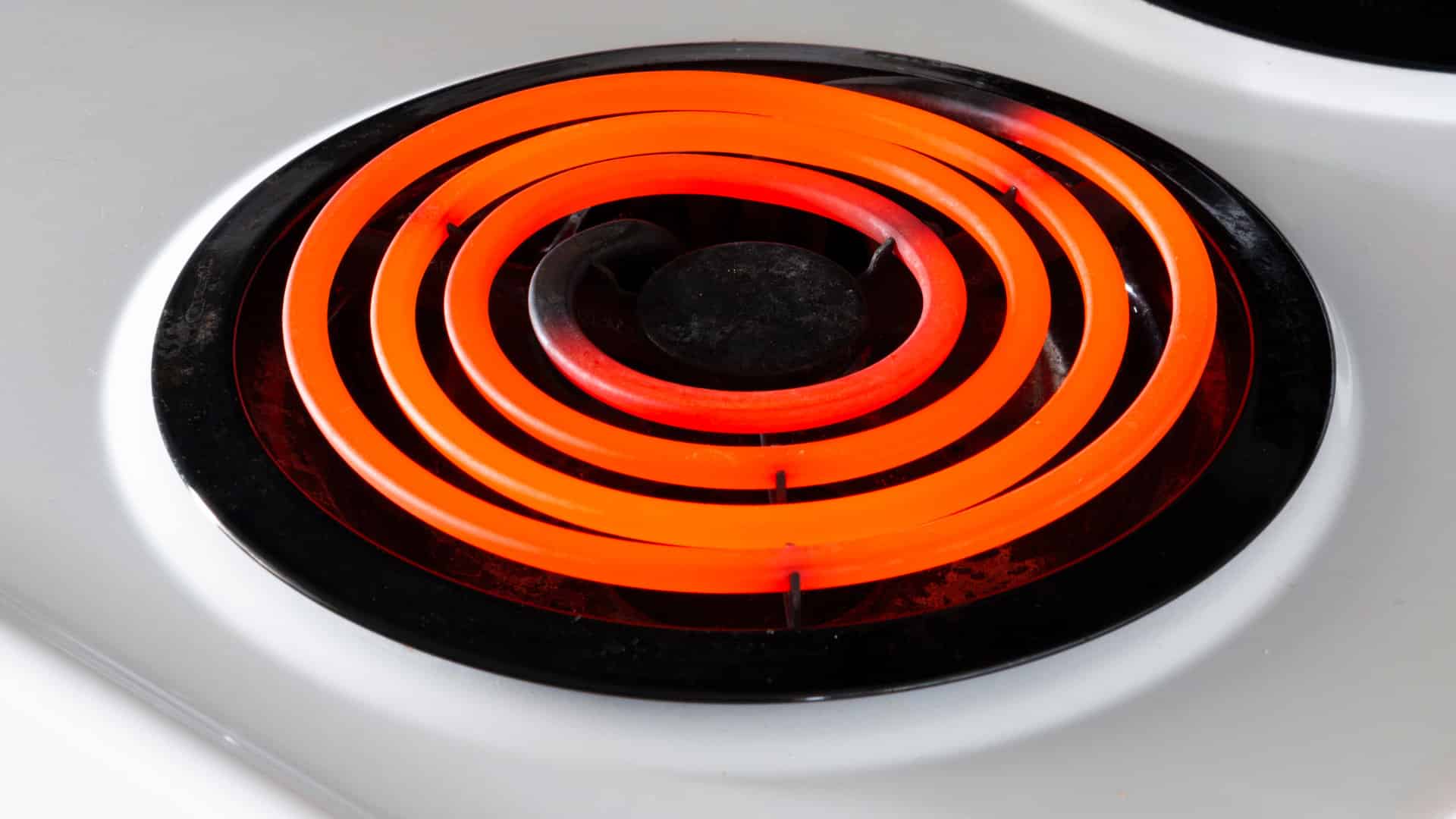
- Visually inspect bake and broil elements for breaks.
- Use a multimeter to test element continuity.
- Test oven temperature with an oven thermometer to compare set vs actual.
Door and seals
- Check the door seal for gaps, tears, or debris.
- Inspect hinges and latch for alignment and wear.
Safety sensors and electronics
- Test the oven thermostat or temperature sensor resistance.
- Replace thermal fuses or high-limit thermostats if open.
- Be cautious with electronic control boards—visual inspection first.
These checks reduce guesswork and keep the process safe. I recommend writing down readings and observations to track progress.
Step-by-step troubleshooting procedures
Use these practical steps when doing Stoves Electric Oven Troubleshooting yourself.
- Safety first
- Turn off power at the breaker. Confirm with a non-contact voltage tester.
- Wear safety gloves and eye protection before opening panels.
- Basic power checks
- Confirm the oven receives 240V (for most ranges) at the terminal block.
- Inspect power cord for frays or burning.
- Test heating elements
- Remove element terminals and test with a multimeter for continuity.
- Replace elements that show open circuits or visible damage.
- Test temperature sensor
- Unplug sensor and measure resistance at room temp (typically 1000 ohms at 70°F on many models; consult your manual).
- Replace sensor if resistance is out of expected range.
- Check oven control and relays
- Listen for relays clicking when temperature changes.
- Look for burnt traces on the control board; replace if damaged.
- Address uneven heating
1. Rotate racks and retest with thermometer in multiple spots.- Test convection fan and motor if applicable.
Follow each test in order. If you’re unsure at any step, stop and call a pro. I’ve learned that rushing through electrical tests causes missed faults and safety risks.

Parts, functions, and how they fail
Understanding components helps you target repairs when doing Stoves Electric Oven Troubleshooting.
Bake and broil elements
- Function: produce heat for baking and broiling.
- Failure signs: visible breaks, blisters, no heat.
- Fix: test continuity, then replace the element.
Temperature sensor / thermostat
- Function: reports oven temp to the control board.
- Failure signs: oven runs too hot or too cold.
- Fix: test resistance, replace if out of spec.
Control board and relays
- Function: manage cycles, heating, and user interface.
- Failure signs: error codes, unresponsive controls, intermittent heating.
- Fix: inspect connectors and board for damage; replace if needed.
Door gasket and hinges
- Function: keep heat sealed in the cavity.
- Failure signs: heat loss, long cook times, visible gaps.
- Fix: replace gasket, adjust or replace hinges.
Thermal fuse / high-limit thermostat
- Function: safety cut-off to prevent overheating.
- Failure signs: oven won't heat at all despite power.
- Fix: test for continuity and replace open fuses.
Knowing these parts cuts troubleshooting time. I recommend keeping a small toolkit and a spare common part like a door gasket or element if you repair regularly.
Safety tips and when to call a professional
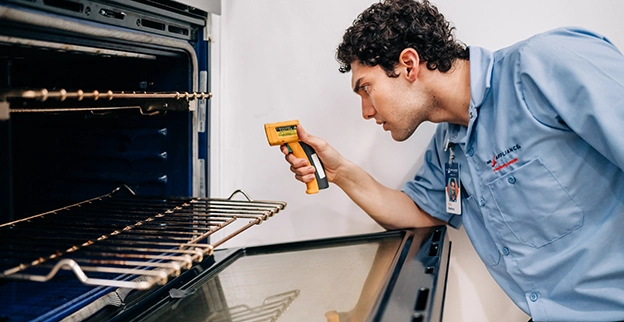
Safety is the top priority in Stoves Electric Oven Troubleshooting. Some jobs are DIY-friendly; others are not.
Safe DIY tasks
- Replacing a door gasket or heating element when power is off.
- Testing continuity with a multimeter and swapping simple parts.
- Cleaning sensors and verifying error codes on non-electronic models.
Call a professional when:
- You must access live high-voltage wiring or terminal blocks and you’re not trained.
- The control board or gas/electric interface is involved.
- Repeated failures occur after part replacement.
- The oven has burning smells, smoke, or signs of internal arcing.
If you’re ever unsure, hiring a qualified technician avoids hazards and further damage. I once spent hours diagnosing a control board issue only to learn the breaker panel had a loose connection—an electrician fixed it safely.

Maintenance and preventive care for longer oven life
Routine care prevents many calls for Stoves Electric Oven Troubleshooting.
Weekly and monthly care
- Wipe spills promptly to avoid carbon buildup.
- Check the door seal for crumbs or wear.
- Run self-clean only per manual limits to avoid damage.
Quarterly and annual checks
- Inspect element surfaces for wear.
- Test temperature accuracy with a thermometer.
- Have a pro inspect electrical connections if the oven is older than 10 years.
Simple maintenance keeps your oven stable and efficient. I recommend a quick visual check monthly and a deeper inspection every six months if you cook often.

People also ask (PAA-style) — short answers
Why won’t my electric oven heat up?
Usually a tripped breaker, a failed heating element, or a faulty thermal fuse. Check power first, then test the elements and fuses.
How do I test an oven heating element?
Unplug the oven, remove the element, and use a multimeter to check for continuity. No continuity means the element needs replacement.
Can a bad temperature sensor cause uneven baking?
Yes. A failing sensor gives incorrect readings to the control board, causing over- or under-heating and uneven results.
Frequently Asked Questions of Stoves Electric Oven Troubleshooting
What should I check first if my oven won’t turn on?
Check the circuit breaker and power cord, then verify the control lock is off. If power is present, test the thermal fuse and control board connections.
How do I know if the oven thermostat is bad?
Compare oven temperature to an oven thermometer. Large, consistent differences suggest a sensor or thermostat issue. Testing sensor resistance confirms the fault.
Is it safe to replace an element myself?
Yes, if the power is fully disconnected and you follow safety steps. Elements are user-replaceable on most models, but avoid live-line work.
Why does my oven run hotter than the set temperature?
A faulty temperature sensor, miscalibrated thermostat, or failing control board can cause overheating. Calibrate or replace the sensor if needed.
When will I need to replace the control board?
Replace the control board if you see burned traces, unresponsive buttons, or persistent error codes after other parts are tested. Boards are a last-resort repair.
How often should I calibrate my oven?
Check calibration every 6 months if you bake often or notice inconsistent results. Minor calibration can be done through the oven settings or by replacing the sensor.
Can cleaning cycles damage the oven?
Excessive or improper use of self-clean can overheat components and damage seals. Follow the manual and avoid using self-clean too frequently.
Conclusion
Stoves Electric Oven Troubleshooting is mostly a methodical process: check power, test elements and sensors, inspect seals, and only replace parts after testing. Start with simple checks and progress to component tests. If the issue involves live wiring or repeated failures, call a qualified technician. Try the steps above, keep safety first, and leave a comment about your oven model and symptoms so others can learn from your experience. Explore more guides, subscribe for updates, or share this post if it helped you fix your oven.

